bluename
How to Choose succulents for Industrial Decor
Picking succulents for an industrial-style home is not just about grabbing the trendiest pot and calling it a day. I learned that the hard way after watching a beautiful echeveria turn to mush on a dark metal shelf in my first loft apartment. The short answer? Choose tough, low-light-tolerant succulents like snake plants, zz plants, and haworthia for dim industrial corners, and save your sun-hungry varieties for bright windows. Match the plant to your light first, then worry about the aesthetic. Honestly, that one rule will save you more plants than any fancy potting mix.
Industrial decor usually means exposed brick, dark metal, big windows, and moody corners. That look is gorgeous, but it creates wildly different light zones in one room. I started paying attention to where shadows fall at different times of day, and it changed everything. Succulents are not one-size-fits-all. Some crave direct sun. Others sulk and stretch in it. So before you buy anything, walk around your space and note the light.
Why Succulents Fit Industrial Spaces (and Where They Don't)
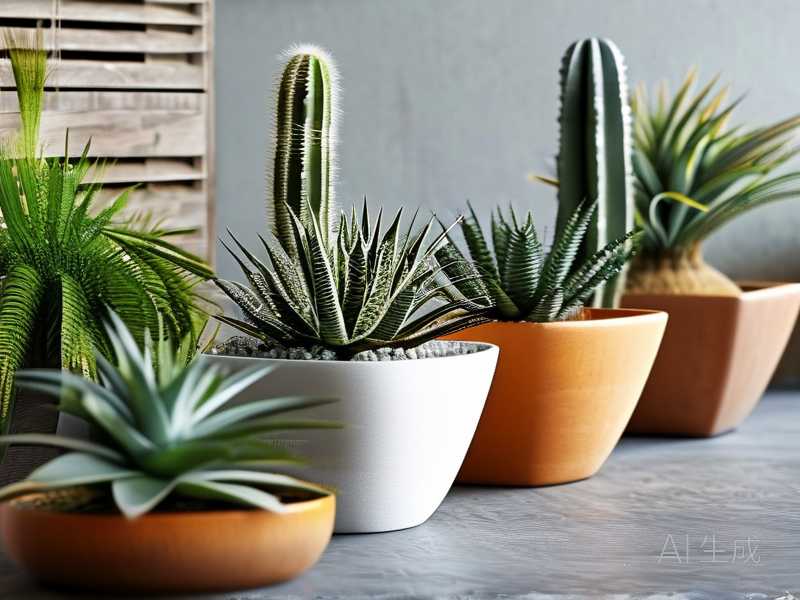
Succulents bring that raw, sculptural texture that pairs beautifully with concrete, steel, and reclaimed wood. Their clean lines and geometric shapes just work with the industrial vibe. That said, the industrial aesthetic often leans dark and moody. And that is exactly where lots of succulents struggle.
The RHS notes that most succulents originate from arid, bright environments, which tells you a lot about their needs. They want light. Plenty of it. If your industrial space has small windows or heavy blackout curtains, you need to pick carefully.
The Three Killer Mistakes New Growers Make
Let me be blunt. I have killed more succulents than I care to admit, and almost every death traced back to one of three mistakes.
Mistake one: overwatering. This is the big one. 90% of indoor plants die from overwatering. I used to water on a strict weekly schedule because it felt responsible. It wasn't. It was drowning them. Succulents store water in their leaves and stems. They want to dry out between drinks. Once I switched to the "soak and dry" method, my survival rate jumped overnight.
Mistake two: putting them in the wrong light. I once placed a light-hungry sedum on a north-facing shelf because it looked cool next to my Edison bulbs. Within two weeks it stretched out into a pale, leggy mess. That stretching is called etiolation, and it doesn't reverse. You have to chop and replant.
Mistake three: using the wrong pot. A decorative metal container with no drainage hole is basically a slow execution chamber. I tried a cute galvanized bucket once. The soil stayed wet for over a week and the roots rotted from the bottom up. Now I only use pots with drainage holes, or I keep the plant in a nursery pot and slip it inside the decorative one.
Reading Your Light Before You Buy
Here's what I actually do now. I stand in each spot where I want a plant and hold my hand up. If I can see a sharp shadow, that's bright direct light. A soft, fuzzy shadow means bright indirect light. No shadow at all means low light. Simple, free, and surprisingly accurate.
For industrial spaces with big factory windows, you have options. For dark corners near exposed ductwork, you need the tough guys. Get this step right and you've solved half the battle.
Best Succulents for Bright Industrial Windows
If you've got south- or west-facing windows, congratulations. You can grow the showstoppers.
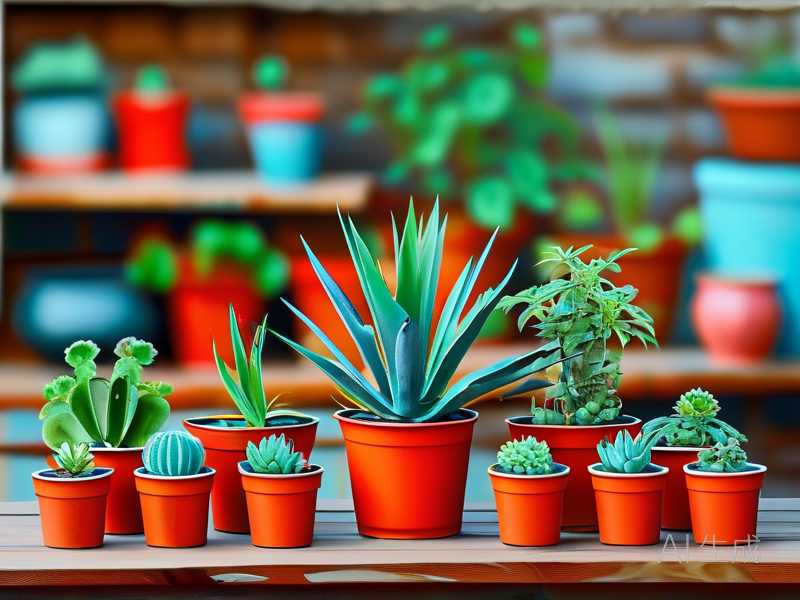
Echeveria and sedum love strong light and reward you with tight rosettes and rich color. Aloe vera is nearly indestructible in bright spots. I've had one for three years that I barely touch. Agave works too if you have room, though it gets big fast.
Just watch for sunburn in peak summer. Even sun lovers can scorch if they go from shade to full blast overnight. I move mine back a few inches from the glass in July.
Best Succulents for Low-Light Industrial Corners
Dark loft corners, shelves away from windows, basement offices with one small window. These spots kill most succulents. But a few tough customers hang on.
Snake plant (sansevieria) is the champ. It tolerates low light, irregular watering, and neglect. ZZ plant is another winner. Haworthia stays compact and handles shade better than most rosette types. I keep a haworthia on a bookshelf about eight feet from a window, and it's been fine for over a year.
These won't thrive in total darkness, so don't push it. But they survive where others fail.
My Two-Week Test That Changed How I Buy
I used to buy plants on impulse. Now I run a simple two-week trial before committing a plant to a permanent spot. I place the new plant in the target location in its nursery pot and just watch.
Week one tells me about light stress. Leaves that fade or stretch mean too little light. Scorched patches mean too much. Week two tells me about watering rhythm. If the soil is still damp after seven days, that spot runs cool and humid, so I water less often. I also watch for new growth. A plant putting out fresh leaves in two weeks is happy. One that sits frozen is telling me something's off.
This little test sounds fussy. It isn't. It's saved me from repeating the same mistakes, and it takes zero effort beyond paying attention.
Soil and Potting: Where Most People Slip Up
Succulents need fast-draining soil. Regular potting mix holds too much water and suffocates roots. I mix a cactus blend with extra perlite, roughly two parts soil to one part perlite. Pumice works too if you can find it.
Terracotta pots are my go-to. They breathe and wick moisture away, which helps prevent rot. Metal and ceramic look great for the industrial style, but if they have no drainage, treat them as cachepots only. Slip the nursery pot inside and take it out to water.
Repot every one to two years, or when roots start circling the pot. Spring is the best time. Water sparingly for the first week after repotting so damaged roots can heal.
Watering Without Guessing
Forget schedules. Stick your finger into the soil about an inch down. If it's dry, water thoroughly until it runs out the drainage hole. If it's damp, wait. In summer that might mean every ten days. In winter, once a month might be plenty.
I also watch leaf firmness. Plump leaves mean hydrated. Slightly soft or wrinkled leaves mean it's time. Yellow, mushy leaves mean you've gone too far the other way. That's rot, and it's usually fatal if it reaches the stem.
Feeding: Less Is Genuinely More
Succulents are not heavy feeders. I use a diluted cactus fertilizer at half strength, maybe twice during the growing season in spring and early summer. That's it. No feeding in fall or winter.
Overfeeding causes weak, stretched growth and can burn roots. Thin and infrequent is the rule. When in doubt, skip it. I skipped feeding for an entire year once and the plants were perfectly fine.
Seasonal Care, Room by Room
Spring is when I do the heavy lifting. I check for repotting needs, trim any dead or stretched growth, and start watering a bit more as light increases. This is also when I propagate cuttings from leggy plants instead of tossing them.
Summer brings heat and intense sun. I pull plants back from hot glass and boost airflow with a small fan in stuffy rooms. I water deeply but less often, and I never mist. Humidity plus heat plus still air equals rot.
Fall is my prep season. I cut back watering and stop feeding by mid-autumn. I clean leaves and remove debris from the soil surface. Any plant that spent summer outside comes back in before night temperatures drop below about 50°F.
Winter is survival mode. I move everything to the brightest spot available, water sparingly, and keep plants away from cold drafts and radiators. The AHS points out that most houseplant deaths in winter come from overwatering in low light and cold, so I err on the side of neglect. Honestly, my plants get less attention in winter and do better for it.
Pests and Problems I've Actually Dealt With
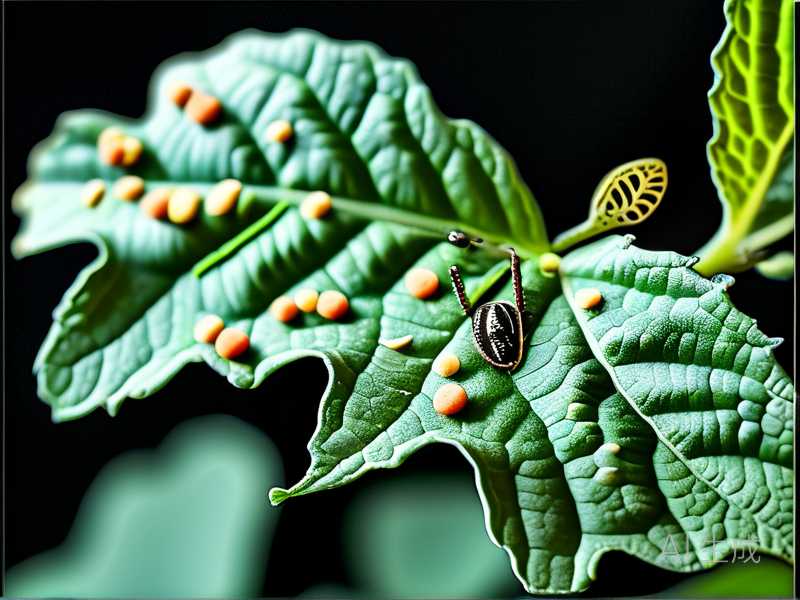
Mealybugs showed up on a jade plant once. Little white cottony clumps in the leaf joints. I dabbed them with rubbing alcohol on a cotton swab and repeated every few days for two weeks. Gone.
Fungus gnats came from soggy soil. Letting the top layer dry out completely between waterings broke the cycle.
Yellow leaves usually mean too much water. Wrinkled leaves mean too little. Brown crispy tips often mean sunburn or low humidity, not disease. A plant that suddenly collapses at the base has root rot, and by then it's usually too late. My advice is to catch it early and repot immediately into dry, fresh mix.
Common Questions I Get Asked
How often should I water succulents indoors? Only when the soil is dry an inch down, which is usually every ten to fourteen days in summer and monthly in winter. Forget fixed schedules.
Can succulents survive in a windowless office? Not long-term. They need some natural light. Snake plants and zz plants come closest, but even they want a window.
Do I need special succulent soil? Yes, or you can mix regular potting soil with perlite at a two-to-one ratio. It's cheaper and works just as well.
The bottom line is simple. Match the plant to your light, pot it in something that drains, water only when dry, and stop fussing. Your industrial space will look sharp, and your succulents will actually live to see another season.