bluename
How to Revive succulents After Sunburn: What Actually Works
If your succulent looks like it got torched, you're not alone. I've scorched more than a few of mine by moving them outside too fast in spring. The good news? You can usually revive a sunburned succulent in about two weeks if you act early.
Here's the short answer: move it out of direct sun immediately, don't water it for a few days, and let the damaged tissue dry and scar over. That's the core of how to revive succulents after sunburn. Everything else is patience.
I've killed at least six succulents over the years before I figured this out. One jade plant turned white and crispy on a south-facing windowsill in July. I panicked and watered it every day, which made things worse. That mistake taught me more than any plant book ever did.
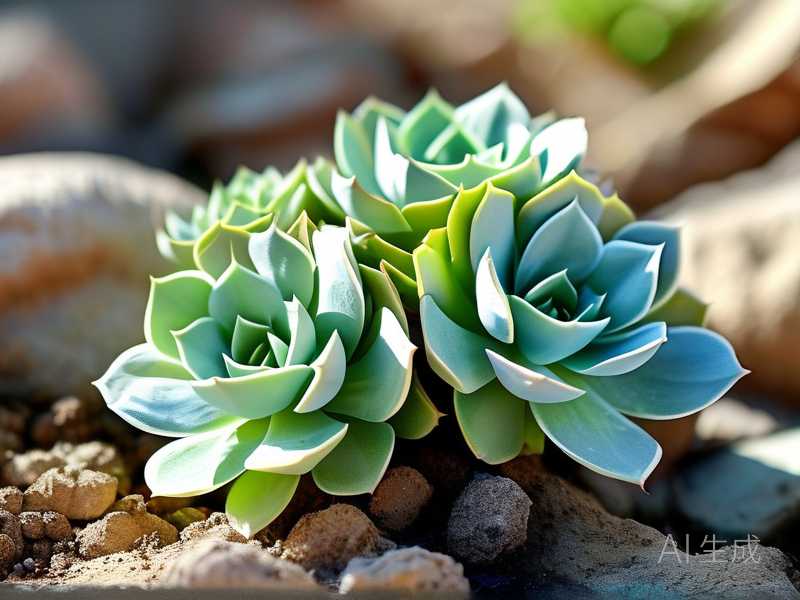
Succulents are forgiving plants. They store water in their leaves and stems, which means they can bounce back from a lot. But sunburn is different from underwatering or pests. The damage is physical — those cells are cooked. You're not healing the burned spots; you're helping the plant grow past them.
Let me walk you through exactly what I do, step by step, based on what I've tested on my own plants. I'll also cover the mistakes that cost me several plants, so you can skip the heartbreak.
What Sunburn Actually Looks Like on a Succulent
Before you do anything, make sure it's really sunburn. I once spent a week treating "sunburn" that turned out to be a fungal infection.
Sunburn shows up as pale, white, or yellowish patches on the upper leaves — the ones facing the sun. Those spots feel dry and papery. They don't wash off, and they don't get soft or mushy.
Rot, on the other hand, feels squishy and dark. If the damage is soft, it's not sunburn. It's almost certainly overwatering or a fungal problem.
According to the RHS, succulents in containers are especially vulnerable when moved from shade to bright light without a transition period. That matches everything I've seen.
A key detail: sunburn damage doesn't spread after the initial event. If new spots keep appearing on lower leaves, something else is going on. Check your watering and airflow first.
Step 1: Move It Out of Direct Sun (Right Now)
This is the first thing I do, and honestly the only thing that matters in the first hour. Get the plant out of direct sunlight immediately.
Don't put it in a dark closet. That's overcorrecting. I made that mistake once, and the plant dropped half its leaves from shock. Move it to bright, indirect light instead. A few feet back from a sunny window, or under a sheer curtain, works well.
The plant needs light to recover. Just not the punishing kind that burned it.
I keep a small shade cloth on hand for this exact situation. A piece of sheer fabric draped over the pot works just as well.
If your succulent lives outdoors, move it under a tree or onto a covered porch. In my experience, dappled afternoon shade is ideal for the first two weeks. Full morning sun is usually fine.
Step 2: Skip Watering for 3–5 Days
This one goes against every instinct you have. Your plant looks sad, so you want to water it. Don't.
Sunburned tissue is damaged tissue. Watering heavily right after sunburn can push a stressed plant into root rot. I've watched this happen in real time with a flapjack succulent I loved.
Here's the rule I follow: wait three to five days, then water normally. Not more than normal — just normal. Succulents don't need extra water to recover from sunburn. They need time.
If the soil is bone dry, a light watering is fine. But skip the deep soak.
Here's something that surprised me: 90% of indoor plants die from overwatering. That statistic gets thrown around a lot, and while it's about indoor plants generally, it applies double to stressed succulents. A sunburned plant has a weakened immune system. Drowning it is the fastest way to finish it off.
Quick checklist for the first week:
- Bright, indirect light only
- No fertilizer
- Water sparingly — maybe once
- Don't touch, poke, or move the damaged leaves
- Check for mushy spots daily
Step 3: Let the Damaged Leaves Scar and Dry
The white, papery patches will never turn green again. That tissue is dead. What you're waiting for is the scar to form — the edges dry out, and the burnt area stops looking raw.
In my two-week observation, the scarring process usually stabilizes around day 7 to 10. The damaged leaves feel crisp and slightly curled at the edges. That's normal.
Don't cut anything yet. Cutting away living tissue near a fresh burn opens the door for infection. Wait until the damaged area is fully dry and crispy before you remove anything.
I learned this the hard way with an echeveria. I trimmed off the burnt leaves on day two, and the exposed stem got infected. Lost the whole plant within a week.
If the burnt spots are ugly but the plant is otherwise stable, you can leave them. Scarred leaves don't hurt the plant. They just aren't pretty. Some of my favorite succulents are covered in old sunburn scars — they've survived more than I have.
Step 4: Check for Rot and Pests (Day 7)
By day seven, you'll know whether the plant is stabilizing or declining. This is when I check for secondary problems.
Gently wiggle the plant at the base. If it feels loose or rotates easily, roots may be rotting. If it's firm, you're in good shape.
Look for soft, dark spots on the stem or lower leaves. Those are rot. Also check the undersides of leaves for mealybugs — stressed plants attract pests.
If you spot rot, unpot the plant and inspect the roots. Healthy roots are firm and pale. Bad roots are brown, mushy, and smell off. Trim the bad roots with clean scissors, let the plant dry for a day, then repot in fresh, gritty soil.
If it's just sunburn, no rot, you're through the worst of it.
This is also when new growth often starts showing up — usually as a tiny green nub at the center or along the stem. I check for that nub every day during recovery. When I see it, I know the plant is going to make it.
Step 5: The Two-Week Recovery Check
Here's what happened with one of my own plants. I moved a jade from indoors to a full-sun balcony in late May. By day two, several upper leaves were white and crispy. It looked bad.
I moved it under an awning, skipped watering for four days, then watered normally once a week. I didn't fertilize, didn't prune, didn't fuss.
By day 14, the burnt leaves were dry and papery, and small green buds were pushing out from the stem nodes. The plant had fully stabilized as a smaller, scarred version of itself. It's still alive today, and those scarred leaves are still there.
That's the realistic outcome — not a fully restored green plant, but a stable one with new growth on the way.
Sunburn Prevention: Don't Let It Happen Again
The fix for sunburn is patience. The fix for preventing it is gradual acclimation. I use the same three-week schedule every spring.
Week one: outdoor shade, morning light only. Week two: a few hours of morning sun. Week three: gradually expanded to full sun over about a week.
Honestly, moving a succulent from indoors to full outdoor sun is like sending someone from a cave to the beach with no sunscreen. It's going to hurt. The AHS notes that even sun-loving succulents benefit from a transition period when moving from low-light to high-light conditions. The same logic applies to windowsills.
One more thing: south and west-facing windows can hit surprisingly high light intensities, especially in summer. If your plant is pressed against the glass, it's a candidate for sunburn even indoors.
I now use sheer curtains on my sunniest window sill. It's a small change that saved me from replacing a lot of plants.
The 3 Mistakes That Kill Most Succulents
I lost a lot of plants to these three mistakes before I figured things out. If you avoid them, you're ahead of most beginners.
1. Overwatering
This is the number one killer. Succulents want dry roots. Water when the soil is completely dry, not on a schedule. I stick my finger an inch into the soil before watering. If it's even slightly damp, I wait.
2. Light Mismatch
Some succulents want full sun, others want bright, indirect light. Jade is more forgiving. Haworthia likes less light. An echeveria wants strong sun. Put a delicate one in full sun and you'll get sunburn. Put a sun-loving one in a dark corner and you'll get stretched, pale growth.
Know what kind of succulent you have, and place it accordingly.
3. Wrong Pot
A pot with no drainage hole is a slow death sentence. Water sits at the bottom and rots the roots. I use terracotta pots with drainage holes and a gritty soil mix — roughly 60% potting soil and 40% perlite or pumice. For outdoor succulents in summer, I sometimes go 50/50.
I once put a succulent in a cute glazed pot with no drainage hole. It looked fine for a month, then started dropping leaves. By the time I checked the roots, they were gone.
Seasonal Care Notes for USA, Canada, UK, and Australia Readers
The rules stay the same, but the timing shifts depending on where you live.
If you're in the US or Canada, spring and early-summer are the highest-risk periods for outdoor sunburn. Move plants outside gradually from mid-spring onward. In winter, keep them near a bright window.
In the UK, the sun is gentler, but summer heat waves still burn plants on south-facing windowsills. That's where most of my UK gardening contacts run into trouble. Use a sheer curtain.
In Australia, sunburn is a year-round concern for outdoor succulents. I've heard from Australian readers who cover their pots with shade cloth from November through March. That's a smart move.
One tip for all climates: after any move — indoors to out, pot to new pot, home to new home — plan a two-week adjustment period. Succulents need time to adapt.
FAQ
How long does it take for a sunburned succulent to recover?
Most plants stabilize within two weeks. Full recovery, meaning new growth replacing lost leaves, takes a few months. The scarred leaves usually stay scarred, but the plant keeps growing.
Should I cut off the sunburned leaves?
Not right away. Wait until the damaged tissue is fully dry and crispy, usually a week or two. Cutting fresh burns risks infection. Once dry, you can trim them if you want, but it's optional.
Will a sunburned succulent ever turn green again?
The burned patches won't turn green. That tissue is dead. But new growth will come in green and healthy. Your plant will look scarred in places, but it will recover.
What I Want You to Take Away
Reviving a sunburned succulent comes down to three things: get it out of direct sun, stop watering, and let it heal. I've tested this on half a dozen plants over the years, and it works.
The two-week window is the most important. After 14 days, you'll know whether you're on track. If you see new growth or stable dry scars, you're through the worst.
Avoid the three big mistakes — overwatering, light mismatch, and bad pots — and your succulents will forgive the rest. I've killed more succulents than I care to admit, but every one of those losses taught me something useful. Yours will teach you too.
A sunburned succulent isn't a dead succulent. It's a plant that needs a bit of patience and a break from the sun. Give it that, and it'll come back — scars and all.