bluename
How to Choose succulents for Bohemian Decor: A Practical Guide for Real Homes
I still remember the day I brought home my first "boho" succulent arrangement. It looked gorgeous on the shelf—until it was dead three weeks later. I'd picked plants for their looks, not their needs. If you're here, you probably want to avoid that same mistake. So here's the short answer up front: choose succulents for bohemian decor by matching each plant's light and water needs to the actual spot in your home, not by how cute it looks in a macrame hanger.
That single rule saved me from killing at least six more plants. Let me walk you through everything I've learned the hard way.
Why Succulents Fit Bohemian Style So Well
Bohemian decor is relaxed, layered, and a little wild. Succulents match that energy perfectly. They come in odd shapes, dusty pastel colors, and they look great in handmade pots and hanging planters.
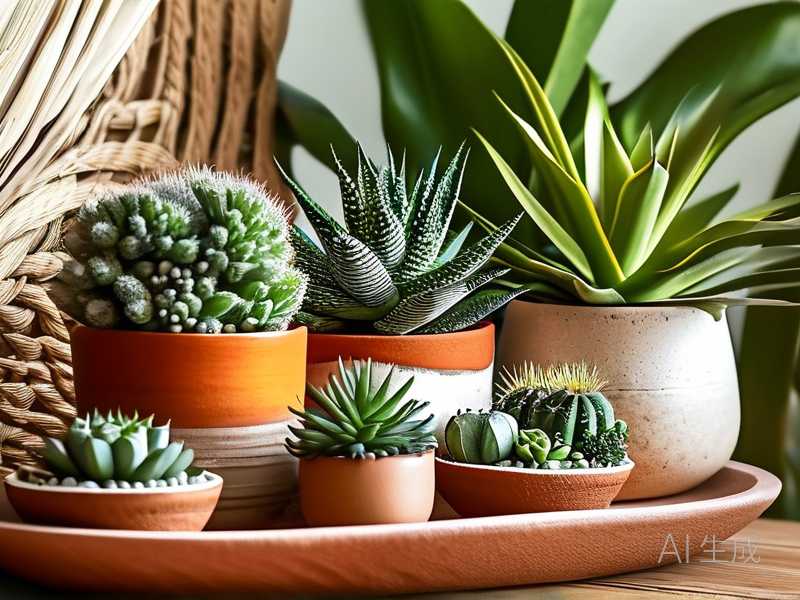
There's also a practical reason they're popular. Most succulents are forgiving if you get the basics right. The RHS notes that succulents store water in their leaves and stems, which makes them tolerant of occasional neglect.
But—and this is a big but—"tolerant" doesn't mean "unkillable." I learned that the embarrassing way.
Start With Your Light, Not Your Aesthetic
This is where almost everyone goes wrong. Including me.
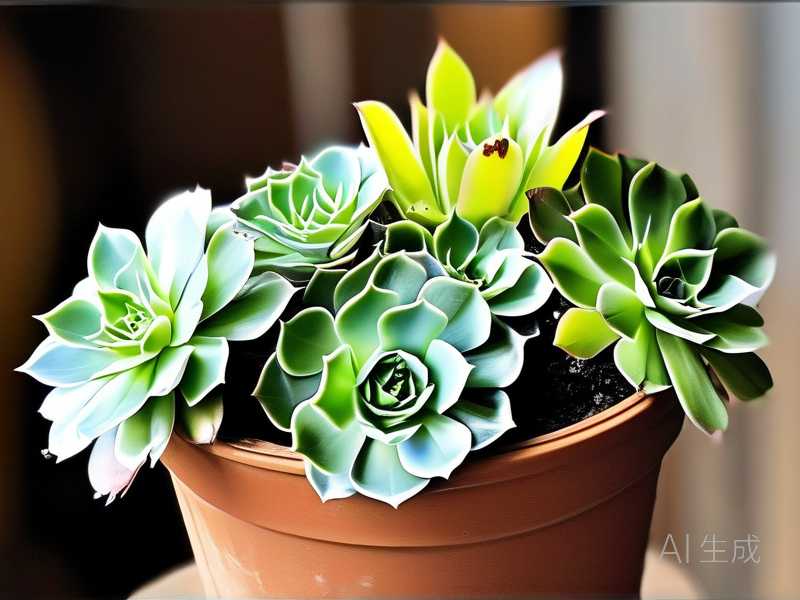
I once bought a gorgeous echeveria for a dark corner of my living room because it matched my rattan furniture. Big mistake. Within two weeks the leaves stretched out and turned pale. That's called etiolation, and it doesn't reverse.
So before you buy anything, do this:
Step 1: Watch your space for two weeks. I literally set a sticky note on my windowsill and checked it at different times of day. You'll be surprised how much light actually reaches a spot.
Step 2: Match the plant to the light. South-facing windows give strong light. East and west give medium. North-facing gives low light—and honestly, most colorful succulents will struggle there.
Step 3: Be honest. If your boho shelf sits in a dim hallway, pick a snake plant or a ZZ plant instead. They still look great in woven baskets. According to the AHS, light is the single most important factor in healthy indoor plant growth.
Here's a quick breakdown I wish I'd had years ago:
- Bright direct light: Echeveria, sedum, aeonium, most cacti
- Bright indirect light: Haworthia, gasteria, aloe
- Lower light (tolerated, not loved): Sansevieria, ZZ plant, some hoya
The Three Mistakes That Kill New Succulents
I've made all three. Let me save you the trouble.
Mistake one: overwatering. This is the big one. Let me be blunt—90% of indoor plants die from overwatering. Succulents are even more vulnerable because their roots sit in wet soil and rot fast.
I killed a jade plant this way. I watered it "a little" every few days because I thought it looked thirsty. The leaves went soft and mushy. By the time I checked the roots, they were brown and falling apart.
Mistake two: putting them in the wrong light. Too little light makes them leggy and dull. Too much direct afternoon sun can scorch them, especially young plants. I once left a haworthia on a west windowsill in July and came back to crispy brown tips.
Mistake three: using the wrong pot. Aesthetic pots without drainage holes are a death sentence. I tried a cute ceramic planter with no hole "just for display." Water pooled at the bottom. Two weeks later, root rot.
My Real Two-Week Observation Test
When I started taking this seriously, I ran a simple experiment. I bought three identical echeverias and put them in three spots: a south window, an east window, and a shaded shelf.
Over two weeks, I checked them every other day and kept notes. Here's what happened:
- The south-window plant stayed compact and kept its pink edges.
- The east-window plant grew slightly but looked healthy.
- The shaded plant stretched noticeably and lost color by day ten.
That experiment taught me more than any article ever did. Since then, I always test a new spot for two weeks before committing a plant to it.
Watering: The Complete Picture
Let's talk water, because this is where most people spiral.
The core rule: soak the soil fully, then let it dry out completely before watering again. "Completely" means the top inch or two of soil feels dry, and the pot feels light when you lift it.
How often that is depends on your home. In summer, my succulents need water maybe every 10–14 days. In winter, some go four to six weeks. I adjust based on how the soil feels, not the calendar.
Signs you're overwatering: soft, translucent leaves; yellowing lower leaves; soil that stays damp for days; a musty smell.
Signs you're underwatering: wrinkled, shriveled leaves; dry crispy edges; soil pulling away from the pot sides.
Preventing root rot: always use a pot with a drainage hole. Empty the saucer after watering. Never let the pot sit in water. If you're worried, mix in extra perlite so water drains faster.
One trick I use: I keep a cheap moisture meter stuck in a few pots. It's not perfect, but it stops me from watering out of habit.
Soil, Pots, and Repotting Without the Drama
Succulents need fast-draining soil. Regular potting mix holds too much water and stays wet too long.
My go-to mix is roughly 50% cactus or succulent soil, 30% perlite, and 20% coarse sand. I buy a bag of each and mix it in a bucket. It's cheaper than specialty blends and works just as well.
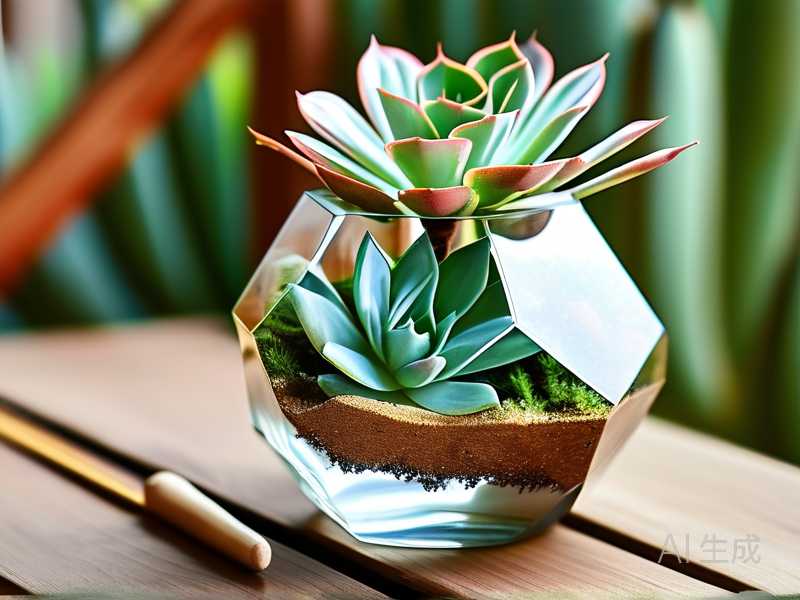
Pots: terracotta is my favorite because it breathes and wicks away moisture. Glazed ceramic works too, as long as it has a drainage hole. Avoid plastic unless you're very careful with water.
Repotting: I repot most succulents every 18–24 months, or when roots start circling the pot. Spring is the best time. Water lightly a few days before repotting, then leave the plant dry for about a week after to let any root damage heal.
I once repotted a sedum right after watering and it sulked for a month. Now I always work with dry-ish roots.
Feeding: Less Is Genuinely More
Succulents are not heavy feeders. I feed mine maybe twice a year—once in spring, once in early summer—with a diluted succulent fertilizer at half strength.
Don't feed in winter. Don't feed a sick plant. Don't feed right after repotting. I learned that last one when I gave a freshly repotted aloe a full dose of fertilizer and watched the leaves go brown at the edges.
Thin, occasional feeding is plenty. Think of it as a small vitamin, not a meal.
Seasonal Care, Room by Room
This is where a lot of guides get vague. Here's what I actually do each season.
Spring: The Reset Season
Spring is when I do the heavy lifting. I check every plant for signs of new growth, repot anything that's outgrown its home, and start watering a bit more often as the days get longer.
I also trim off dead leaves and any stretched, leggy growth. I feed once at half strength. This is the best time to propagate too—I've had good luck with leaf cuttings from echeveria and sedum in spring.
Summer: Sun and Water Balance
Summer is tricky indoors. Windows get hot, and direct afternoon sun can scorch leaves.
I move my most sun-sensitive plants a little back from the glass. I water more often but always check the soil first. Good airflow matters too—I crack a window on hot days to prevent rot and pests.
Watch for mealybugs in summer. I found a cluster hiding in the leaf joints of a jade plant and had to wipe them off with a cotton swab dipped in rubbing alcohol. It took two rounds over a week to clear them.
Autumn: Scaling Back
As light fades, I reduce watering and stop feeding by mid-autumn. I clean up fallen leaves and check for pests before bringing anything indoors that spent summer outside.
This is also when I move plants closer to the brightest windows. Days are shorter, and a spot that worked in July may be too dim by October.
Winter: The Survival Season
Winter is about restraint. I stop fertilizing completely. I water very sparingly—sometimes once a month or less. Cold windowsills can damage leaves, so I move plants back a few inches or use a sheer curtain as a buffer.
I also keep an eye on humidity. Central heating dries the air, and while most succulents don't mind, a few of mine get crispy tips. Grouping plants together helps a little.
Troubleshooting Common Problems
Here's my quick-reference list based on real problems I've dealt with:
- Yellow, mushy leaves: almost always overwatering. Stop watering, check roots, repot in dry soil if needed.
- Leggy, stretched growth: not enough light. Move closer to a window. You can't fix existing stretch, but you can behead and reroot.
- Brown crispy patches: too much direct sun or underwatering. Move back from glass and check your watering rhythm.
- White cottony spots: mealybugs. Remove with alcohol swabs and repeat weekly until gone.
- Fine webbing: spider mites. Increase humidity slightly and treat with insecticidal soap.
- Root rot: brown, soft roots and a bad smell. Cut away damaged roots, let them dry, repot in fresh dry mix.
A Few Bohemian Styling Tips That Actually Help
Style and plant health can work together. Hang trailing succulents like string of pearls in bright spots where they'll thrive. Cluster pots of different heights on a sunny shelf—it looks intentional and gives each plant its own light level.
Use macrame hangers near windows, not in dark corners. And honestly, mix in a few non-succulents like hoyas or trailing pothos. They fill out the boho look and are more forgiving in medium light.
FAQ
How often should I water succulents indoors? Every 10–14 days in summer and much less in winter—sometimes monthly. Always check that the soil is dry before watering again.
Can succulents survive in low light? A few can tolerate it, like snake plants and ZZ plants. Most colorful succulents need bright light to keep their shape and color.
Why are my succulent's leaves falling off? Usually overwatering or a sudden temperature change. Check the soil first—if it's wet, let it dry out completely.
Final Thoughts
Choosing succulents for bohemian decor comes down to one honest question: does this plant match my light and my watering habits? Get that right, and the styling takes care of itself. I've killed my share of plants learning this. You don't have to. Start with your space, pick plants that fit, and water less than you think you should. Your boho shelf will thank you.