bluename
How to Fix succulents With Purple Leaf Tips: A Real-World Recovery Guide
Purple leaf tips on succulents usually mean one of three things: cold stress, sunburn, or a nutrient/pH problem locking out phosphorus. In most cases, it's stress, not death—and it's fixable in about two weeks if you correct the cause fast. I've brought back more sad purple-tipped echeverias and crassulas than I can count, and I'll walk you through exactly what I did, including the mistakes that cost me a few plants along the way.
Succulents are those fleshy, sculptural plants that store water in their leaves and look great on a sunny windowsill with almost zero fuss. That's the appeal. But "low maintenance" doesn't mean "ignore me," and purple tips are one of the first signals a succulent sends when something's off. Get it right and you'll have a plant that's both tough and genuinely beautiful.
Why Succulent Leaf Tips Turn Purple in the First Place
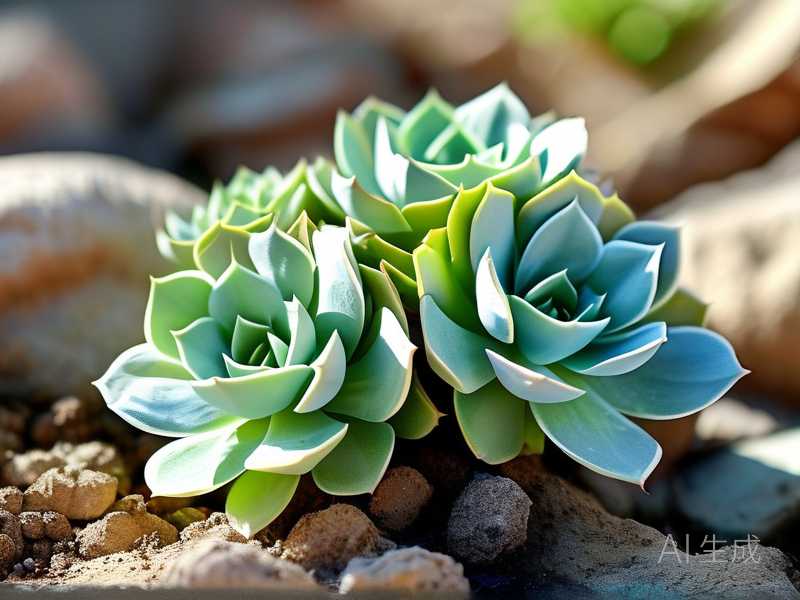
Let's clear this up right away. A little purple or reddish blush on the tips can be totally normal—some varieties like Echeveria 'Purpusorum' or certain sedums color up beautifully in bright light. That's called stress coloring, and collectors actually chase it.
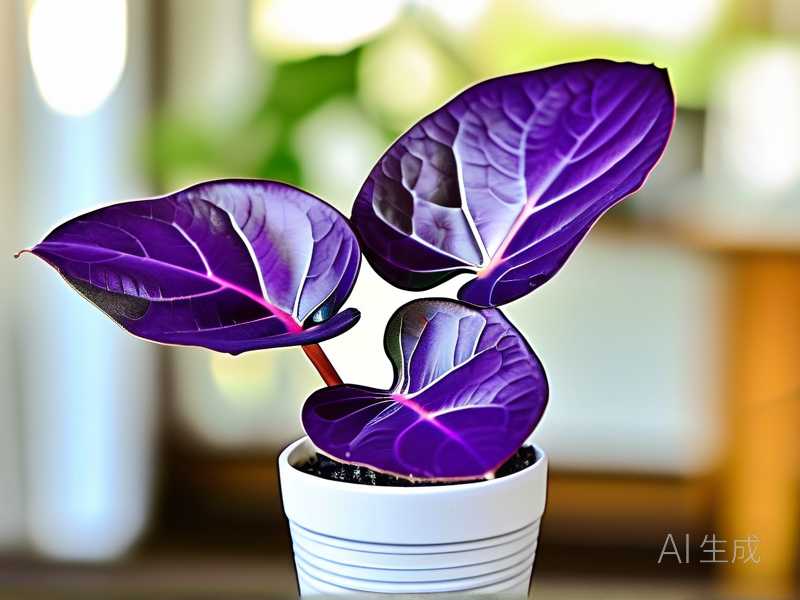
But if the purple appears suddenly, looks bruised or dry, or comes with soft, wrinkled leaves, that's a problem. Here's what's usually going on:
- Cold stress. Nights dipping below about 40°F (4°C) can tint tips purple or red.
- Sunburn or light shock. Moving a plant from shade to harsh afternoon sun too fast.
- Phosphorus lockout. Weird pH or poor soil can block nutrient uptake, and purple leaves are a classic symptom.
- Root problems. Overwatering damages roots, and stressed plants often show discolored tips before anything else.
The fix depends entirely on which one you're dealing with. So don't just water it and hope. Diagnose first.
Light: The Make-or-Break Factor
I'll be blunt: light is where most people get succulents wrong, and it's the cause of a huge share of purple tip cases.
Most succulents want bright, indirect light for 4–6 hours a day, with a little direct morning sun being ideal. Afternoon sun in summer is brutal and will scorch tips fast, especially on windowsill plants pressed against hot glass.
Here's what I actually do. I keep my succulents near an east-facing window—gentle morning sun, no baking afternoon glare. If I only have a south or west window, I hang a sheer curtain or pull the pot back about a foot from the glass.
When light is too weak, plants stretch out (etiolation), go pale, and lose that compact shape. When it's too strong, you get scorched, purple-brown tips that feel crispy. I learned this the hard way: I once moved a healthy echeveria onto a west balcony in July and watched the tips turn purple and papery in three days. That was sunburn, not charm.
My two-week fix: I moved it back inside, gave it filtered morning light, and within about 10 days the new growth came in green and firm. The burnt tips stayed—those never heal—but the plant recovered.
If you're not sure whether your light is right, rotate the pot a quarter turn each week. Even growth is your best clue.
Watering: Where 90% of indoor plants Die From Overwatering
I'll say it plainly, because it's true and worth repeating: 90% of indoor plants die from overwatering. Succulents are the poster children for this. They store water in their leaves, so they'd rather be a bit thirsty than sitting in soggy soil.
The core rule is soak and dry. Water thoroughly until it runs out the drainage hole, then wait until the soil is completely dry before watering again. In summer that might be every 10–14 days. In winter, once every 3–4 weeks, sometimes less.
A few things I've picked up:
- Never water on a schedule. Stick a finger or a wooden chopstick into the soil. Bone dry? Water. Still damp? Wait.
- Water the soil, not the leaves. Water sitting in the rosette can rot the crown.
- Use a pot with a drainage hole. No exceptions. I don't care how cute the cachepot is.
If you've already overwatered and the leaves are turning translucent and purple-tinged with mushy spots, that's rot setting in. Stop watering, pull the plant out, trim any brown mushy roots with clean scissors, let it dry for a day or two, and repot in fresh dry mix. I've saved plants this way, but only when I caught it early.
The Royal Horticultural Society is clear that good drainage and careful watering are the foundation of succulent health—and my own failures back that up.
Soil and Repotting Done Right
Bad soil is the quiet accomplice to overwatering. Standard potting mix holds too much moisture. What you want is a gritty, fast-draining blend.
My go-to mix: roughly 50% potting soil and 50% perlite or pumice, plus a handful of coarse sand. It drains fast and dries out between waterings. Some people swear by a cactus-specific bagged mix, and that's fine too—just add extra grit.
For pots, terracotta is my favorite because it breathes and wicks away moisture. Plastic works but holds water longer, so be extra careful. Always pick a pot just slightly bigger than the root ball—too much soil means too much retained moisture.
Repot every 1–2 years, ideally in spring when the plant is actively growing. I repot when roots start circling the drainage hole or the soil stops draining well. After repotting, wait about a week before watering so any small root breaks can heal.
Feeding: Less Is Genuinely More
Succulents aren't heavy feeders. Overfeeding causes soft, leggy growth and can even burn roots.
I feed with a balanced, diluted liquid fertilizer at about half strength, once in spring and once in early summer. That's it. During fall and winter I stop entirely—the plant is resting and doesn't need the push.
Skip fertilizer if:
- The plant is newly repotted (fresh soil has nutrients).
- It's dormant or stressed.
- The soil is bone dry (never feed a thirsty plant).
The American Horticultural Society's guidance leans the same way: AHS emphasizes matching feeding to active growth rather than feeding year-round. Thin, weak fertilizer applied sparingly beats a strong dose every time.
A Season-by-Season Care Calendar
This is where the real recovery happens. Purple tips often trace back to a seasonal care slip.
Spring. This is recovery season. Resume normal watering, start light feeding, and repot if needed. Trim any dead or damaged leaves. This is also when I fix sunburned plants by slowly reintroducing brighter light—acclimating over two weeks, not two days.
Summer. Watch the sun and the water. Provide afternoon shade, water early in the morning, and keep air moving around the plant. Good airflow prevents the rot and pests that humid heat invites. I move pots slightly apart so air circulates.
Autumn. Dial it back. Reduce watering and stop feeding by mid-fall. This is when I tidy up dead leaves and check for pests before bringing plants indoors. Cold nights start tinting tips purple—natural, but don't let it get frosty.
Winter. Protect from cold and cut way back on water. Most succulents are fine indoors near a bright window. Keep them away from cold drafts and radiators. I water maybe once a month—sometimes less—and skip fertilizer completely. Frost will kill tender succulents, so if yours live outdoors, bring them in before the first freeze.
Common Problems and How I Troubleshoot Them
- Yellow leaves. Usually overwatering or too little light. Check the soil first.
- Mushy, translucent leaves. Rot. Act fast—unpot, trim, dry, repot.
- Crispy purple-brown tips. Sunburn. Move to gentler light; don't expect burnt tissue to recover.
- Pests. Mealybugs hide in leaf joints as white fuzz. I dab them with a cotton swab dipped in rubbing alcohol. Scale looks like little brown bumps—same treatment, plus a gentle wipe.
- Sudden purple with wrinkled leaves. Often cold stress or underwatering. Check temperature and soil moisture.
I've killed my share of plants learning this. My worst mistake early on was a decorative pot with no drainage hole—I lost a lovely graptopetalum to rot within two weeks. Now every pot gets a hole, full stop.
Three Mistakes That Wreck New Growers
If I could tattoo three warnings on every new succulent owner's hand, it'd be these:
- Overwatering. The number one killer. Soak and dry, always.
- Light in the wrong spot. Too little makes them stretch; too much scorches tips. Aim for bright and indirect.
- Wrong pot. No drainage, or way too big, traps moisture and rots roots.
Fix those three and you've solved most purple-tip mysteries before they start.
Quick Questions I Get All the Time
Are purple tips always a bad sign? No. On many varieties, especially in cool, bright conditions, purple tips are healthy stress coloring. It's a problem only when paired with soft, wrinkled, or crispy leaves.
Will burnt purple tips turn green again? No—damaged tissue doesn't heal. Focus on the new growth. If it comes in healthy and green, you've fixed the cause.
How often should I water a succulent with purple tips? Only when the soil is fully dry, which is often every 10–14 days in summer and much less in winter. When in doubt, wait another few days.
Honestly, the biggest lesson is patience. Watch the new growth, not the old damage. Give it the right light, grit, and restraint with water, and within a couple of weeks you'll see your succulent settle back into its happy, healthy self.