bluename
How to Fertilize succulents With Kelp Meal: A Realistic Guide for Home Gardeners
I killed three succulents before I figured out that feeding them isn't about dumping fertilizer on thirsty plants. It's about timing, dose, and using the right stuff. Kelp meal changed the game for me. This is how to fertilize succulents with kelp meal the way I actually do it at home—no fluff, no lab coat, just what worked after two weeks of watching my plants respond.
Succulents are tough little plants. That's why we love them. They store water in their leaves, they forgive neglect, and they look great on a windowsill. But they're not foolproof. Most people over-love them to death. And feeding is where a lot of well-meaning gardeners go wrong.
Here's the short answer before we dig in: mix a small amount of kelp meal into the top inch of soil or brew a weak kelp tea and water it in during the active growing season. That's it. Don't feed in winter. Don't feed a stressed plant. And please, don't treat kelp meal like miracle grow.
Let me walk you through the full picture.
Why Succulents Are Tricky to Feed
Succulents evolved in gritty, nutrient-poor soils. They don't need much. Overfeeding pushes soft, weak growth that attracts pests and rots fast.
I learned this the hard way with a jade plant. I gave it a standard houseplant fertilizer once a month. Within six weeks, the leaves were mushy and dropping. That was the fourth plant I killed. Kelp meal is gentler, but the principle is the same: less is more.
The RHS notes that succulents generally need very dilute feeding during active growth only. I've found that advice holds up in real life, not just in textbooks.
What Kelp Meal Actually Does
Kelp meal is dried, ground seaweed. It's not a heavy nitrogen bomb. It delivers trace minerals, natural growth hormones called cytokinins, and a slow release of potassium.
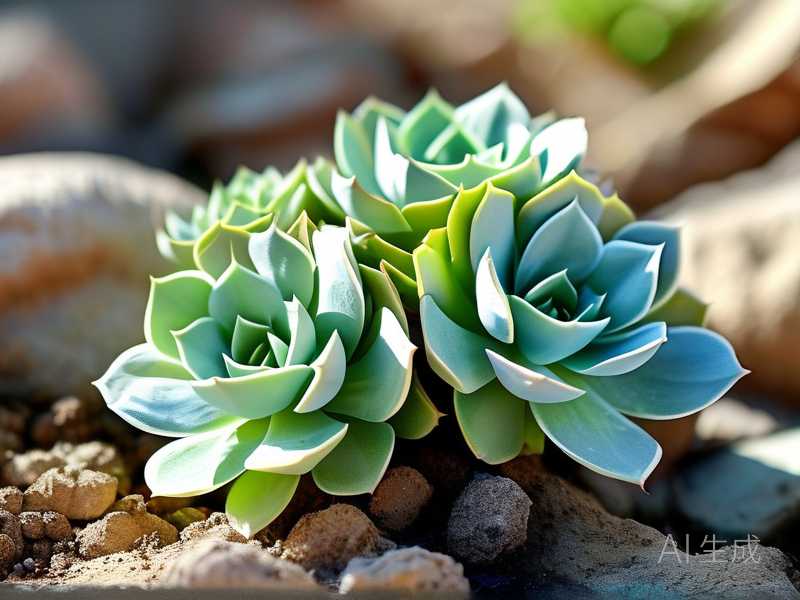
That slow release matters. It feeds the soil gently instead of shocking roots. I've noticed my succulents develop firmer leaves and better color after kelp feeding, especially the echeverias and sedums.
Straight from my experience: kelp meal doesn't green up a plant overnight. It works in the background. Give it two weeks before you judge results. I checked my plants at day 3, day 7, and day 14. The real change showed up around day 10 to 14—slightly plumper leaves and a deeper rosette color.
The Light Rules You Can't Skip
Before you feed anything, fix the light. Fertilizer without proper light is wasted and can cause leggy, weak growth.
Succulents want bright, indirect light for most of the day. A south or east window is ideal indoors. Outdoors, they want morning sun and afternoon shade in hot climates.
Too little light and your plant stretches out, gets pale, and loses its shape. Too much direct afternoon sun in summer can scorch leaves. I've seen both. Neither is fun.
The AHS recommends matching light to the plant's natural growing season. That's a solid starting point. If your succulent is stretching toward the window, it's begging for more light. Feed it only after you fix that.
Watering: The Real Make-or-Break Factor
Here's the line I want you to remember: 90% of indoor plants die from overwatering. Not underwatering. Overwatering. Succulents are especially vulnerable.
Water deeply but infrequently. Let the soil dry completely between waterings. In summer, that might mean every 10 to 14 days. In winter, once a month or less.
Water in the morning so excess moisture evaporates during the day. Never let water sit in the saucer. And never water a succulent that's sitting in cold, dark conditions—that's a fast track to rot.
If you're going to feed with kelp tea, water the plant lightly first. Feeding a bone-dry plant can stress the roots. That's a small detail, but it matters.
Soil and Repotting Basics
Succulents need gritty, fast-draining soil. I use a mix of three parts potting soil, two parts coarse sand or perlite, and one part small gravel. It drains fast and doesn't hold moisture against the roots.
Choose a pot with drainage holes. Always. Terracotta is my favorite because it wicks moisture away. Plastic works if you're careful with watering, but it holds water longer.
Repot every one to two years, or when the plant outgrows its container. Spring is the best time. Don't repot a wet plant. Let the soil dry first. And don't water immediately after repotting—wait a few days for roots to settle.
How to Fertilize Succulents With Kelp Meal: My Step-by-Step Method
This is the part people ask about most. Here's exactly what I do.
Step 1: Check the season. Only feed during active growth—spring through early fall. In winter, your succulent is resting. Feeding it then is like offering a big meal to someone who's asleep.
Step 2: Choose your method. I use two approaches depending on what I have on hand.
- Dry application: Sprinkle a thin layer of kelp meal over the top of the soil—about a quarter teaspoon for a small pot, half a teaspoon for a medium one. Scratch it into the top inch of soil gently. Water lightly afterward.
- Kelp tea: Steep one tablespoon of kelp meal in a gallon of water for 24 to 48 hours. Strain it and dilute it further—one part tea to three parts water. Use it as a gentle soil drench.
Step 3: Feed sparingly. I feed once a month during spring and summer. That's it. Maybe every three weeks in peak summer if the plant is actively pushing new growth.
Step 4: Watch for two weeks. This is critical. Don't feed again until you see how the plant responds. I keep a small notebook with dates and observations. Sounds nerdy, but it's saved me from overfeeding more than once.
Step 5: Stop in fall. By late September or early October, I stop feeding entirely. The plant needs to slow down and prepare for winter.
The Three Mistakes Beginners Always Make
I've made all of these. More than once.
Mistake 1: Overwatering
This is the number one killer. People see a shriveled leaf and think "water." But shriveling can also mean root damage from too much water. Check the soil first. If it's wet, don't water.
I lost a beautiful haworthia because I kept watering it every week. The roots rotted before I noticed. By the time the leaves went soft, it was too late.
Mistake 2: Wrong Light
Putting a succulent in a dark corner and then feeding it is a recipe for disaster. It'll grow pale, stretched, and weak. Fertilizer won't fix bad light—it'll make the problem worse.
I once placed a sedum on a north-facing shelf and fed it regularly. It grew long, spindly stems and lost all its color. Took me months to figure out the light was the issue, not the food.
Mistake 3: The Wrong Pot
No drainage holes means water sits at the bottom. Kelp meal won't save a plant drowning in its own pot. Use containers with holes, and empty the saucer after watering.
I had a cute ceramic pot with no drainage. I planted a small echeveria in it and watered carefully. It still rotted within a month. Now I drill holes in every pot or use a nursery pot inside the decorative one.
Seasonal Care: What I Do Each Season
Spring: Wake-Up Time
Spring is when I start feeding again. The plant is waking up and pushing new growth.
- Remove dead leaves and check for pests.
- Repot if needed.
- Start kelp meal feeding once a month.
- Water more frequently as the soil dries faster.
I usually see new growth within two weeks of the first spring feeding. That's my cue that the plant is actively growing and can handle more.
Summer: Heat and Sun Management
Summer is peak growth, but also peak risk. Heat stress and sunburn are real.
- Provide afternoon shade if outdoors.
- Water deeply but let soil dry completely.
- Increase airflow around the plant—a small fan helps indoors.
- Watch for pests like mealybugs and spider mites.
- Continue kelp feeding once a month, but skip it during heat waves.
I've learned to feed in the early morning or evening during summer. Midday feeding with watering can lead to evaporation and salt buildup on the soil surface.
Fall: Slow Down
Fall is transition time. Growth slows, and the plant prepares for dormancy.
- Reduce watering frequency.
- Stop kelp feeding by early October.
- Clean up dead leaves and check for signs of rot.
- Move outdoor plants inside before the first frost.
I usually do a final feeding in early September and then let the plant rest. Any new growth after that is a bonus.
Winter: Rest and Protect
Winter is hands-off time. The plant is dormant.
- Keep the plant in a cool, bright spot.
- Water very sparingly—maybe once a month.
- No fertilizer at all.
- Protect from drafts and cold windows.
I've made the mistake of watering in winter like it was summer. The soil stayed wet for weeks, and the roots rotted. Now I barely touch my succulents from November to February.
Pests and Problems: What to Watch For
Mealybugs look like tiny cotton balls. Wipe them off with a cotton swab dipped in rubbing alcohol.
Spider mites cause fine webbing and stippled leaves. Increase humidity slightly and rinse the plant with water.
Root rot shows up as mushy, dark roots and soft leaves. Remove the plant, trim rotted roots, and repot in fresh, dry soil. Don't water for a week.
Yellow leaves can mean overwatering, underwatering, or natural aging. Check the soil moisture first.
Frequently Asked Questions
Can I use kelp meal on all my succulents?
Yes, but always dilute and feed sparingly. Some succulents, like lithops, need almost no feeding at all. Stick to once a month during active growth for most common varieties.
What if I accidentally overfeed with kelp meal?
Kelp meal is slow-release and gentle, so overfeeding is less likely than with liquid fertilizers. If you're worried, flush the soil with plain water and let it dry completely. Don't feed again for at least six weeks.
Can I mix kelp meal into the soil when repotting?
Absolutely. I add a small pinch to my soil mix when repotting in spring. It gives the roots a gentle nutrient source as they establish. Just keep the amount small—a little goes a long way.
Final Thoughts
Feeding succulents isn't complicated once you understand the rhythm. Kelp meal is a gentle, forgiving option that works with the plant's natural growth cycle instead of against it.
Fix your light first. Get watering right. Use a pot with drainage. Then feed sparingly during active growth and stop in winter. That's the whole formula.
I've been doing this for years now, and my succulents are healthier than they've ever been. The two-week observation habit is the best thing I ever picked up. It taught me to slow down and actually pay attention to what the plant is telling me. Give it a try. Your plants will thank you—slowly, quietly, and with firmer leaves.