bluename
Your succulent has been sitting there like a plastic decoration for weeks. No new growth. No color change. You're starting to wonder if it's dead or just lazy. I get it. I've stared at more than a few of my own plants wondering the exact same thing.
Here's the short answer: most succulents signal they're waking up by pushing out new growth from the center rosette, shifting color, and firming up their leaves. You'll typically see this happen within two weeks of consistent warmth and longer daylight hours. That's your cue to slowly resume normal watering and feeding.
But telling dormancy from death takes a bit more nuance. Let me walk you through exactly what I look for, what I got wrong early on, and how you can read the signs your plant is giving you.
Why Succulents Go Dormant in the First Place
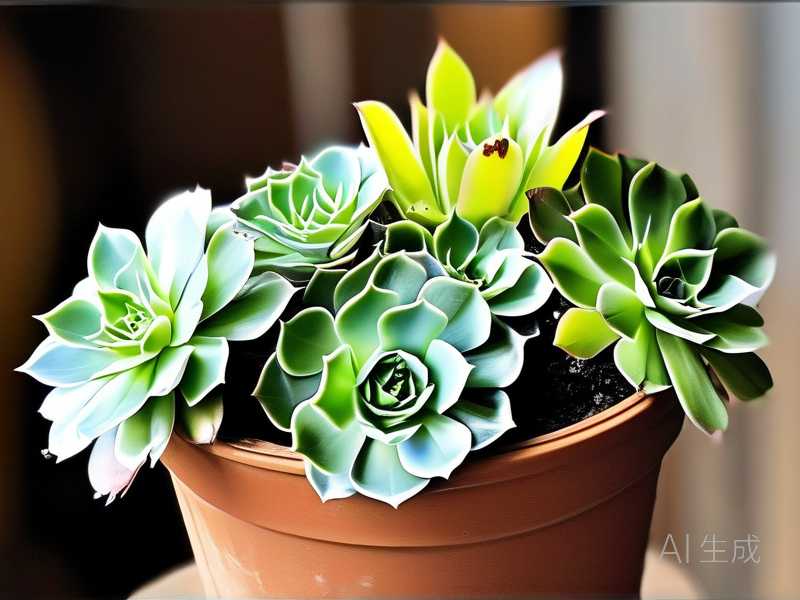
Succulents aren't being difficult. Dormancy is a survival mechanism. When temperatures spike or daylight shrinks, they slow their metabolism to conserve energy.
Many people assume all succulents go dormant in winter. That's only half true. The RHS notes that dormancy patterns vary widely by species and climate. Some go dormant in summer heat. Others shut down in winter cold.
This is where a lot of us mess up. We treat every succulent the same, then wonder why some thrive and others sulk for months.
Cool-Season vs. Warm-Season Succulents
Warm-season growers like Echeveria, Sedum, and Sempervivum actively grow in spring and summer. They slow down in winter.
Cool-season types such as Aeonium, Aloe, and some Crassula species grow in fall and winter. They go semi-dormant during summer heat.
Knowing which type you own changes everything about how you water and feed. I wish someone had told me this when I killed my first Aloe. I kept watering it all summer like my Echeverias. It rotted from the base up.
So before you do anything else, figure out which camp your plant belongs to.
The Visual Signs That Tell You Dormancy Is Over
Now for the part you actually came here for. These are the signals I check for, in order of reliability.
New Growth From the Center
This is the number one sign. Look at the center of the rosette. If you see tight new leaves unfurling, even tiny ones, your plant is waking up.
I check mine every few days from mid-February onward. The first time I noticed a tiny green nub in the center of my Echeveria after a long winter, I actually felt relieved. It was the first proof my plant hadn't died.
Within two weeks of that first sign, you should see measurable growth. Take a photo with your phone to compare. It sounds silly but it works.
Color Change
Dormant succulents often go dull, grayish, or washed out. When they break dormancy, colors intensify. Reds, pinks, and purples come back.
That said, some color shifts come from stress, not growth. Cold can turn an Echeveria red even while it's still dormant. So color alone isn't enough. Pair it with visible new growth.
Firm Leaves
Gently press a lower leaf. Dormant succulents often feel slightly soft or deflated. Awake ones plump up and feel firm.
Be gentle here. A severely underwatered succulent will also feel soft. The difference is that a waking plant responds to a normal watering with visible plumpness within 24 to 48 hours.
I made the mistake of squeezing too hard on my first go-round. Bruised a leaf that ended up dying. Lesson learned.
Roots Pushing Out of Drainage Holes
When roots become active, they push outward. If you see white root tips poking through drainage holes, that's a strong signal of renewed activity.
You can also check this by gently lifting the pot to see if roots are visible underneath.
Rapid Leaf Absorption
Older, lower leaves may dry up and drop as the plant redirects energy into new growth. Some leaf drop is normal. Sudden massive drop is not.
If lower leaves wrinkle and fall off while the center is pushing new growth, that's healthy waking behavior. Your plant is recycling nutrients.
What About Soil Moisture and Watering Response?
One of the clearest tests I've used: water a dormant succulent lightly and see how it responds.
A dormant plant tolerates the water passively. A waking plant absorbs it actively. You'll notice the leaves firm up within two days.
Don't overdo this test. 90% of indoor plants die from overwatering according to widely cited houseplant care data. I've killed at least three succulents this way in my early years. Water lightly, then wait.
I tried the "water and guess" method for two weeks on one plant. It didn't show any change at all. Turned out it was still fully dormant. I should have waited another three weeks before testing. Patience really does pay off.
Light: The Trigger You Can't Skip
Light is the switch that starts everything. A AHS recommendation I found useful is that you need to increase light exposure gradually as dormancy breaks.
Best Light for Waking Succulents
Most succulents want 4 to 6 hours of bright, direct or indirect light per day. Indoors, a south-facing windowsill is ideal for warm-season types. East-facing works well for morning sun lovers.
During the transition period, don't blast a dormant plant with full sun overnight. It will burn. I made this mistake with a Sedum that had been indoors all winter. Put it outside on the first warm day. Two leaves turned brown and crispy by evening.
Increase exposure by an hour or so every few days.
What Happens if Light Is Too Low
A succulent that wakes without enough light will stretch. You'll see a pale, elongated stem. Leaves spread apart instead of staying tight.
This is called etiolation. Once stretched, the plant won't shrink back. You can only prevent it by getting light right from the start of the growth phase.
What Happens if Light Is Too Intense
Sunburn on succulents looks like brown, white, or tan patches on leaves. It often appears on the side facing the window.
I had a Haworthia that got scorched through summer glass. The damaged sections never recovered. I now use a sheer curtain during the first month of waking growth.
The Watering Guide for Waking Succulents
This is where most people go wrong. Dormancy doesn't end all at once. Your plant wakes gradually, and the root system is weak at first.
The Soak-and-Dry Method
Water thoroughly until it drains from the bottom. Then wait until the soil is completely dry before watering again.
During the two weeks after first new growth, I typically water once every 10 to 14 days depending on humidity and temperatures in the room. Once active growth is obvious, I shift to once every 7 to 10 days.
Never let the plant sit in water. I always empty the saucer about 30 minutes after watering. Learned that after a Crassula rotted in a saucer of standing water.
How Much to Water
Enough to soak the entire root ball, not just the surface. A shot glass of water per plant isn't enough. It encourages shallow roots and poor hydration.
Drench it. Let it drain. Walk away.
Signs of Overwatering
Yellow, translucent leaves. Mushy stems. Soil that smells sour. Once rot sets in, it moves fast. I've lost plants within a week of noticing the first yellow leaf.
If you catch it early, stop watering immediately, remove the pot from any saucer, and let everything dry completely. Sometimes that's enough.
Soil and Repotting: When Your Awake Succulent Needs It
Your waking succulent might not need repotting right away. But spring is the right time if it does.
The Right Soil Mix
A simple, reliable mix is 50% potting soil and 50% coarse grit (pumice, perlite, or horticultural grit). That gives you drainage and some organic matter for growth.
I used regular potting soil for my first year of succulent growing. Every single plant stayed too wet. Some survived only because I underwatered to compensate. Bad balance.
Choosing the Right Pot
Terracotta is the most forgiving option. It's porous, so moisture evaporates through the sides. Ceramic pots work if they have drainage holes. Glazed pots hold moisture longer.
I had a plant in a glazed decorative pot with no drainage for maybe three weeks before I realized my mistake. The soil stayed wet for over a week. That's a kill sentence for most succulents.
Always choose a pot with at least one drainage hole. Size matters too. Only go up one size when repotting. Overpotting creates too much wet soil volume.
Repotting Steps
Gently remove the plant from its old pot. Shake off loose soil. Check roots for rot or breakage. Set it in fresh soil at the same depth as before.
Don't water immediately after repotting if the plant was dormant. Wait three to five days for roots to settle.
Feeding Your Succulent Once It's Awake
Don't feed during dormancy. The plant can't use it. Once you see active growth, wait another week, then start light feeding.
What Fertilizer to Use
A balanced, water-soluble fertilizer diluted to half strength works fine. Or use a cactus and succulent-specific formula.
I used to think more fertilizer meant faster growth. It doesn't. Excess fertilizer burns roots and causes weak, leggy growth. I learned this after a Kalanchoe grew gorgeous but floppy stems one season.
Feeding Frequency
Feed once every three to four weeks during active growth. Stop feeding about a month before expected dormancy begins.
Simple as that. Feeding is not the main event. Light and water are.
Seasonal Care Through the Year
Spring: Waking Up and Growing
Spring is when the main action happens. Increase light gradually. Resume weekly watering as growth strengthens. Feed once every four weeks. Repot if needed.
I prune off dead leaves from the base during this window. It improves airflow and looks cleaner. Use clean scissors and make clean cuts.
Don't rush. I once crowded three new plants into a sunny spot too early in March. They got sunburned before new growth had a chance to establish. Give them time.
Summer: Pushing Through Heat
Summer can push some succulents into semi-dormancy, especially in hot climates. Water less than you think. Provide afternoon shade if heat is extreme.
Ventilation matters more than people realize. Indoor succulents in a closed room get stale air and fungal issues. I leave a window cracked or use a small fan nearby.
Fall: Transitioning Down
Reduce watering as growth slows. Stop fertilizing. Move outdoor plants in before the first frost if your area gets cold.
I start slowing watering by mid-September. By late October, my plants are on a winter schedule of maybe one watering every three to four weeks.
Check for pests before bringing plants indoors. I found mealybugs on one plant three winters in a row. Now I inspect every plant with a flashlight before the move indoors.
Winter: Resting Quietly
Most succulents need a cooler, drier winter. Keep them above 40°F if possible. Reduce watering to once every three to six weeks, depending on indoor humidity.
No fertilizer. No repotting. Just quiet.
I learned this the hard way after repotting a dormant succulent in December. The roots never established. The plant eventually collapsed in March.
Common Problems When Dormancy Breaks
Yellow Leaves
Usually overwatering. Check soil moisture and cut back. If yellow leaves are mushy, you're likely dealing with rot.
Leggy Growth
Insufficient light. Move closer to a sunny window or add a grow light. Once stretched, the plant won't reverse.
Drooping Leaves
Can mean underwatering, overwatering, or a temperature stress response. Check the soil first. If dry, water. If wet, wait.
Pests
Mealybugs, spider mites, and scale often arrive after winter heating dries out the air. Wipe leaves with a damp cloth and use insecticidal soap if needed.
Sudden Collapse
Usually root rot. Unpot immediately. Cut away mushy roots. Repot in fresh dry mix. Don't water for a week.
Three Mistakes I Made So You Don't Have To
Overwatering is the biggest offender. I killed four succulents in my first year because I treated them like regular houseplants. They need dry time between waterings. It's not optional.
Light placement mistakes. My north-facing window seemed bright enough. It wasn't. Two plants stretched into sad, pale versions of themselves before I caught on. South or east facing is the minimum for most varieties.
Wrong containers. I had a gorgeous ceramic pot that didn't drain. One plant lasted maybe five weeks. I now keep a stash of terracotta pots in various sizes so I never have the excuse to reuse a no-drainage pot.
FAQ
Q: How do I know if my succulent is truly dormant or dead?
A: Check the stem near the soil line. If it's firm and green or pale under the skin, it's alive. Scratch the surface gently with a fingernail. Green tissue means living. Brown and mushy means rot. Brown and dry means dead.
Q: Can I water during dormancy?
A: You can, but very sparingly. A light sip once every four to six weeks helps prevent shriveling without waking the plant. Skip it entirely if leaves look plump.
Q: How long does it take for a succulent to break dormancy?
A: Once conditions improve (warmer temps, longer days), most break dormancy within two to four weeks. I watch for the first new leaf nub, then track changes over two weeks. If nothing changes in a month, check light and temperature levels.
Succulents are slow communicators. They don't wave at you when they're awake. You have to look for the small things: a tight green leaf in the center, a shift in color, a leaf that plumps instead of stays soft.
Start with light, watch for the wake-up signs, and resist the urge to water before your plant shows you it's ready. That patience curve is everything. I hope this saves you from killing as many plants as I did learning it.