bluename
How to Protect succulents From Chemical Sprays: A Practical Guide for Real Home Gardeners
I still remember the day I nearly wiped out my entire windowsill collection. I had a mild fungus gnat issue, grabbed a "gentle" household spray, and misted everything without thinking twice. Two weeks later, my favorite Echeveria was spotty, two jade plants dropped half their leaves, and I sat there wondering what I'd done wrong. That was the moment I realized that protecting succulents from chemical sprays isn't about avoiding chemicals entirely — it's about knowing when, how, and what to spray. If that sounds familiar, you're in the right place. I've killed more plants than I'd like to admit learning this stuff, and the lessons below come straight from my own mistakes.
Succulents are tough little plants with thick, water-storing leaves and a reputation for being beginner-friendly. But that toughness is exactly why people underestimate them. Their waxy coatings, farina (the powdery bloom on many species), and slow metabolism make them unusually vulnerable to the wrong spray at the wrong time. The RHS notes that succulent damage from inappropriate products is often worse than the pest itself. I've found that to be painfully true.
Let me give you the short answer first, because I know you're probably here with a problem right now. Protecting succulents from chemical sprays means four things: never spray in direct sun, never spray a dry or stressed plant, always test on one leaf first, and choose the least aggressive product that actually targets your pest. That's it. The rest of this article is how I actually do it, week by week, season by season.
Why Succulents React So Badly to Sprays
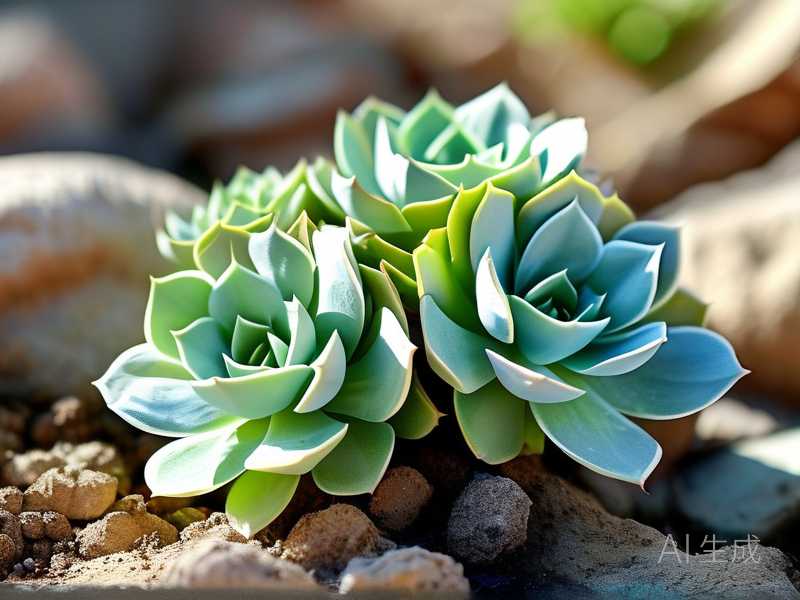
Succulents aren't like tomatoes or ferns. Their leaves have a thick cuticle designed to hold moisture in. Many also carry a visible powdery layer — farina — that acts like sunscreen.
Spray anything oily or soapy on that coating and you strip it. Once stripped, the leaf can't protect itself. You'll see sunburn, blotches, or a weird greasy sheen that never goes away.
I learned this the hard way with a barrel cactus. I used a neem oil mix to fight mealybugs and left it on a south-facing sill. Within three days, the sun burned a scar into the skin that's still visible two years later. That scar is my permanent reminder.
There's also the stomata issue. Succulents open their pores mostly at night to save water. Spray them during the day and the liquid sits on closed pores, sometimes clogging them. The plant basically suffocates slowly.
The AHS has written about how environmental stress compounds chemical injury. A plant already dealing with heat, drought, or repotting shock has almost no margin for a harsh spray. I now treat any stressed succulent as "do not spray" until it recovers.
The 3 Mistakes Almost Every New Grower Makes
Before we get into the spraying details, let's kill the biggest myths. I see these constantly in plant groups, and I made all three myself.
Mistake one: overwatering. You've heard it, but let me be blunt. 90% of indoor plants die from overwatering. Succulents are the poster children for this. Wet soil plus a spray that stresses the leaves is a death sentence combo.
Mistake two: light in the wrong place. People put succulents in dim corners and then wonder why they stretch, pale, and attract pests. Weak plants get sprayed more often, and sprayed weak plants decline faster.
Mistake three: the wrong pot. A cute glazed pot with no drainage hole is a slow killer. Water pools at the bottom, roots rot, and suddenly you're spraying fungicide on a plant that was drowning, not infected.
I've made every single one of these. My third succulent — a lovely little Haworthia — died in a decorative ceramic pot with zero drainage. I watered it "just a little" every few days, and it turned to mush in under a month. No spray could have saved it.
Light: The Foundation That Makes Sprays Less Necessary
Here's the thing nobody tells beginners: healthy succulents rarely need chemical help. Light is your first line of defense.
Most succulents want bright, direct light for several hours a day. A south or west window in most US, UK, Canadian, and Australian homes works well. In very hot climates — hello, Australian summers — a sheer curtain during peak afternoon sun prevents scorch.
Too little light causes stretching (etiolation), faded color, and weak tissue. Weak tissue invites pests like mealybugs and aphids. Then you spray. Then the weak plant suffers more. It's a cycle, and I've watched it happen in my own north-facing flat.
If you're using grow lights, keep them 6–12 inches above the plants and run them 12–14 hours. I ran mine 24 hours once, thinking more was better. The plants yellowed and stalled. Lesson learned.
Watering: Where Most Spray Problems Actually Begin
Honestly, half the "pest problems" I've treated were really watering problems in disguise. Fungus gnats love consistently damp soil. Root rot looks like a disease but starts with a watering can.
My rule is simple: soak the soil thoroughly, then let it dry out completely before watering again. In summer, that might be every 10–14 days indoors. In winter, every three to four weeks, sometimes less.
Water the soil, not the leaves. Wet leaves plus poor airflow equals fungal spots, and then you're reaching for a spray you probably don't need.
If you do get water in the crown (the center rosette), blow it out or tip the pot. I use a little paper towel twist for tight rosettes. Sounds fussy, but it saves plants.
Soil and Repotting: Build a Buffer Against Chemical Damage
Good soil gives roots room to breathe and recover. That matters more than most people think when you're dealing with spray stress.
I use a mix of roughly 50% potting soil and 50% inorganic grit — pumice, perlite, or coarse sand. In humid climates, push it to 60% grit. Roots need air pockets.
Always choose pots with drainage holes. Terra cotta is my favorite because it wicks moisture. Plastic works if you're careful. Glazed decorative pots work only as cachepots with a plain nursery pot inside.
Repot every two to three years, or when the plant outgrows its container. Spring is best. Don't repot and spray in the same week — that's too much stress at once. I did this once and lost a beautiful Graptopetalum. It never recovered.
Feeding: Light Touch Only
Succulents are not heavy feeders. Overfeeding pushes soft, weak growth that pests love and sprays damage easily.
I feed once in spring and once in midsummer with a diluted succulent fertilizer — about half the label strength. That's it. No feeding in autumn or winter.
Never feed a dry plant. Water first, then feed a day later. And never feed a plant you've just sprayed or repotted. I keep a little calendar note for this now because I used to forget.
How I Actually Protect Succulents From Chemical Sprays
This is the part I wish someone had handed me years ago. Here's my real process, step by step.
Step one: identify before you spray. Grab a magnifier or your phone camera zoom. Is it mealybugs (white cottony clumps), scale (brown bumps), spider mites (fine webbing), or fungus gnats (tiny flies around soil)? Each needs a different approach. Spraying blindly is how plants get hurt.
Step two: isolate the plant. Move it away from the collection. I use a spare tray by a shaded window. This stops spread and keeps spray drift away from healthy plants.
Step three: test one leaf. Spray a single leaf, wait 24–48 hours, and check for burn or spotting. I skipped this once with a homemade soap mix and burned an entire Crassula. Never again.
Step four: spray at the right time. Early evening, after the sun is down, is ideal. Stomata are opening, temperatures are cooler, and there's no sun to magnify the spray into a burn.
Step five: use the gentlest effective product. For most home pests, I start with insecticidal soap diluted per label, or a neem oil mix at half strength. For fungus, a copper-based product used sparingly. Always read the label — "organic" doesn't mean "safe for every plant."
Step six: keep airflow going. A small fan on low for a few hours after spraying helps leaves dry and prevents fungal issues from the moisture itself.
I followed this exact routine for two weeks on a mealybug outbreak on my jade. Day one: isolated and tested. Day three: full spray at dusk. Day seven: second spray. By day fourteen, the cottony clusters were gone, and — importantly — no leaf burn. That two-week window taught me more than a year of random spraying ever did.
Seasonal Care: The Part Most Guides Skip
Sprays and seasons interact. What's safe in April can wreck a plant in August or January. Here's how I adjust.
Spring: Recover and Prepare
Spring is growth season. Clean leaves with a soft brush, remove dead bits, and check for overwintering pests hiding in crevices. This is when I repot and feed lightly.
Don't spray preventively "just in case." I used to do that and it only stressed plants. Spray only when you see a real problem.
Summer: Heat, Sun, and Spray Risk
Summer is the danger zone for sprays. Heat plus sun plus oil equals burn. I spray only after sunset and only on cool evenings.
Watch for spider mites in dry heat. They thrive when airflow is poor. A fan and a quick shower (water only, then dry) often handle early infestations without chemicals.
Autumn: Wind Down
Stop feeding. Reduce watering. This is when I do a thorough leaf check and treat any lingering pests before plants slow down. A pest that survives into winter is much harder to manage.
Winter: The No-Spray Zone
Most succulents are semi-dormant in winter. They can't metabolize or recover from sprays well. I avoid chemical treatments entirely unless it's an emergency, and even then I use the gentlest option at half strength.
Keep them cool, bright, and dry. Overwintering indoors means less airflow, so watch for mealybugs in leaf joints. A cotton swab with a tiny bit of rubbing alcohol beats a full spray every time in winter.
Common Problems and What I Do About Them
Yellow leaves usually mean overwatering, not disease. Check the soil first. If it's soggy, stop watering and let it dry.
Root rot shows as mushy stems and a bad smell. Unpot, trim the rot with sterilized scissors, and repot in fresh gritty mix. No spray fixes rot — only dryness does.
Mealybugs: spot-treat with alcohol on a swab, then a dusk spray if needed. Scale: scrape off gently, then treat. Spider mites: increase humidity slightly and improve airflow before reaching for chemicals.
Fungus gnats: let the soil dry out completely between waterings and use sticky traps. I beat a gnat issue entirely with dryness and traps — no spray at all.
My honest advice: most succulent problems are cultural, not chemical. Fix the light, water, and pot first. Sprays are the last tool, not the first.
FAQ
Can I spray neem oil on succulents in direct sun? No. Always spray at dusk and keep the plant out of direct sun for at least 24 hours. I learned this the hard way with a scarred cactus.
How often should I spray for pests? Usually every 7–10 days for two to three rounds, depending on the pest. More frequent spraying stresses the plant. Follow the label and stop once the pest is gone.
Is insecticidal soap safe for all succulents? Not all. Fuzzy or farina-coated types are more sensitive. Always test one leaf for 24–48 hours before treating the whole plant.
Final Thoughts
Protecting succulents from chemical sprays comes down to respect — for the plant's coating, its timing, and its stress levels. Fix your light, water, and pot first. Spray rarely, test always, and spray at dusk. Do that, and you'll avoid the scars I've collected over the years.
This article is for general informational purposes only and does not constitute professional horticultural or safety advice. Always follow product label instructions and consult a local expert or extension service for specific concerns.