bluename
 How to Care for String of Pearls (Senecio Rowleyanus): A 2-Week Journey from Struggle to Success
I remember the day I brought my first String of Pearls plant home. It looked so perfect, a cascade of plump, green beads tumbling over the edge of its pot. But within weeks, my excitement turned to panic. The pearls began to shrivel, the stems looked weak, and I was sure I was witnessing a slow, green death. If you've ever felt that sinking feeling, you're not alone. The String of Pearls care can be surprisingly tricky, but it doesn't have to be a mystery. Through trial, error, and a dedicated two-week rescue mission, I cracked the code. This is my hands-on guide, sharing every step, every observation, and every lesson learned the hard way.
My goal was simple: revive my struggling Senecio Rowleyanus and understand its true needs. I committed to a strict, observant regimen for 14 days, documenting everything. Here’s exactly what I did.
Understanding the Core Needs: It’s All About Simulation
Before any action, I had to think like this plant. Native to arid regions of Southwest Africa, the String of Pearls succulent stores water in its spherical leaves. This isn't a tropical vine; it's a drought-surviving specialist. My initial failure was treating it with the same love I gave my ferns—too much water, too little light. The Royal Horticultural Society (RHS) notes that these plants require conditions that mimic their natural habitat: bright light, excellent drainage, and infrequent watering. I used this as my north star.
Week 1: The Rescue Protocol – Assessment and Action
The plant I started with was in a sorry state. Several strands had mushy, brown sections, while others featured wrinkled, deflated pearls. The soil felt damp to the touch, days after its last watering. My diagnosis: early stage root rot from overwatering and insufficient light.
Day 1-3: The Critical Repot My first step was an immediate intervention. I gently removed the plant from its decorative, drainage-less pot. The roots were indeed soggy and dark in places. Following the American Horticultural Society's (AHS) guidance on succulent repotting, I did the following:
- I shook off the old, moisture-retentive potting mix.
- Using sterilized scissors, I carefully trimmed away any black or mushy roots.
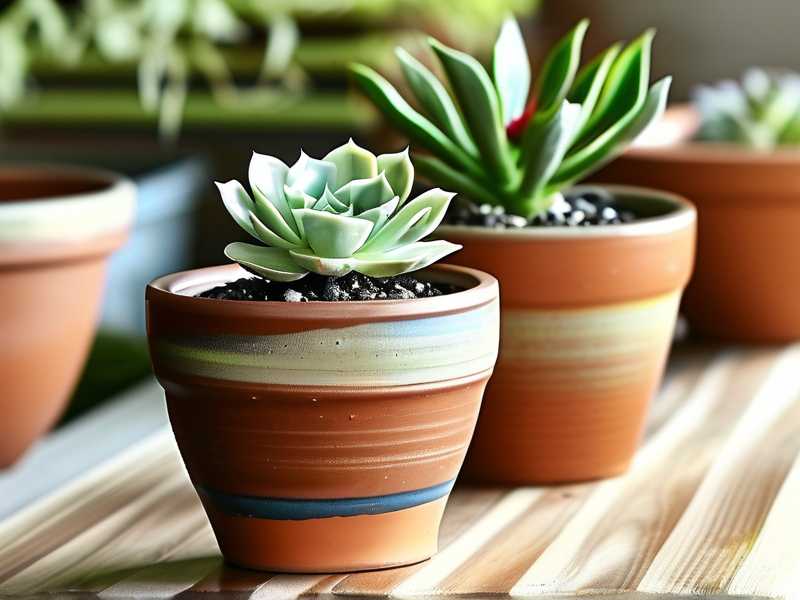
- I selected a new, terracotta pot with a large drainage hole. Terracotta is porous, allowing soil to dry more evenly.
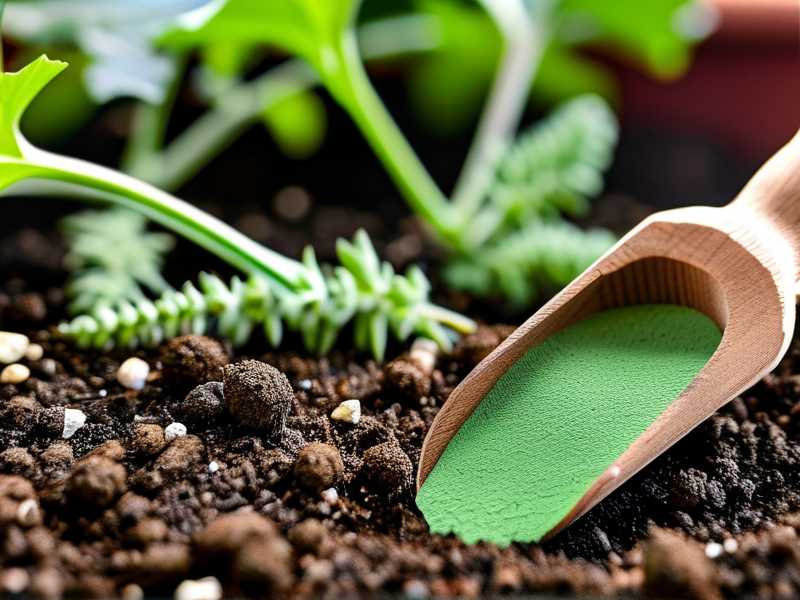
- I created a custom, gritty mix: 2 parts potting soil, 1 part coarse perlite, and 1 part poultry grit (small, insoluble stones). This ensured the fast-draining environment crucial for how to grow String of Pearls successfully.
- I repotted the plant, positioned it so the healthy strands cascaded over the rim, and did not water it. AHS advises letting the roots heal in dry soil for a few days after such trauma.
Day 4-7: Light and Water Reset I placed the repotted plant in a bright, south-east facing window where it would receive several hours of gentle morning sun but be shielded from the harsh afternoon rays. I resisted the urge to water.
- Observation: The previously wrinkled pearls on the healthy strands plumped up slightly, just from the humidity in the soil and the increased light. The plant was using its stored water efficiently—a good sign!
- The First Watering (Day 7): I performed the "taco test." I gently pinched a few pearls. They had a slight give. It was time. I used the "soak and dry" method thoroughly, placing the pot in a sink and watering until it flowed freely from the drainage hole. I let it drain completely before returning it to its spot.
Week 2: Observation, Adjustment, and Growth
This week was about patience and fine-tuning. The plant was no longer in emergency mode; it was in recovery.
Day 8-14: Monitoring and Signs of Life I checked the plant daily but interfered minimally.
- Soil Moisture: I used a wooden chopstick inserted into the soil to check for moisture deep in the pot, only considering watering when it came out completely dry.
- Pearl Texture: The healthy strands became firm and taut. The color deepened to a vibrant green.
- The Big Win (Day 12): I spotted tiny, new pearl buds forming at the ends of several strands! This was the ultimate confirmation my care for Senecio Rowleyanus was working. The plant felt safe enough to invest energy in growth.
- The Lingering Issue: The sections I had to cut due to rot did not recover, which was expected. I left them be, as the plant's energy was now focused on new growth points.
The Pitfalls I Encountered (And How to Fix Them)
My journey wasn't flawless. Here are the mistakes I made and the solutions I validated.
Pitfall 1: The "Schedule" Watering Trap I used to water every Sunday. This is a death sentence. succulents don't follow calendars.
- Solution: Water only based on signs of thirst. Learn the "taco test" (a slight softness when pinched) and always check the soil's dryness 1-2 inches down. In my two-week test, the plant needed water only once.
Pitfall 2: Low Light and Leggy Growth My plant was initially in a north-facing room. It survived but grew long, sparse stems with small pearls—a condition called etiolation, where it stretches desperately for light.
- Solution: I moved it to significantly brighter, indirect light. For indoor String of Pearls light requirements, a few hours of direct morning sun is ideal. If natural light is low, consider a grow light placed 6-12 inches above the plant for 6-8 hours a day.
Pitfall 3: Humidity and Airflow Misunderstanding I grouped it with humidity-loving plants. Bad idea. Stagnant, humid air encourages fungal rot.
- Solution: I gave it its own space with good air circulation (but not a cold draft). A small fan on low in the room can help mimic the breezy conditions of its native habitat.
Your Blueprint for a Thriving Plant
Based on my two-week intensive, here is your actionable care plan:
1. Light is Non-Negotiable Provide bright, indirect light. An east or west-facing window is perfect. South-facing is great but may require a sheer curtain filter during peak summer. Rotate the pot occasionally for even growth.
2. Master the "Soak and Dry" Method Forget misting. When the pearls show slight thirst and the soil is bone dry, drench the pot thoroughly. Let all excess water escape. Then, ignore it until the next dry cycle. This might mean watering every 2-3 weeks, depending on your home's climate.
3. Soil and Pot: The Foundation Use a gritty, cactus/succulent mix or make your own. Always use a pot with a drainage hole. Terracotta is your best friend for preventing overwatering.
4. Temperature and Feeding Keep it in comfortable room temperatures (70-80°F). It enjoys a slight drop at night. Feed sparingly with a diluted, balanced fertilizer only during the active growing season (spring/summer), no more than once a month.
Common Questions Answered
Why are my String of Pearls pearls shriveling? Shriveling can mean two opposite things. If the pearls are dry and shriveled, the plant is thirsty. If they are mushy and shriveled, it's a sign of overwatering and rot. Check the soil and stem health to diagnose. In my case, it was overwatering.
Can I propagate a String of Pearls from cuttings? Absolutely, and it's rewarding. Take a 3-4 inch cutting, remove a few pearls from the bottom, let the cut end callous over for a day, then lay it on top of moist succulent soil. Roots will form where the pearls were removed. This is also how you can create a fuller, more lush plant in your pot.
Is the String of Pearls toxic to pets? Yes. Like many succulents in the Senecio genus, it is considered toxic if ingested by cats or dogs, potentially causing vomiting or lethargy. The ASPCA lists it as toxic. Always keep it out of reach of curious pets.
Caring for a String of Pearls is a lesson in restraint and observation. It thrives on benign neglect rather than constant attention. By providing brutal drainage, abundant light, and watering only when truly needed, you’ll be rewarded with a vigorous, fast-growing plant that becomes the centerpiece of your collection. My two-week experiment transformed a struggling specimen into a confident, growing one. It’s a resilient plant when you listen to what it’s telling you. Start with the right foundation, and you’ll watch those pearly strands cascade beautifully for years to come.