 admin
adminSucculentCare for Beginners: Q&A
I remember the excitement of bringing home my firstSucculent, a plump little echeveria. It looked so sturdy and forgiving, the perfect "beginner plant." Yet, within a month, its leaves were turning yellow and dropping. I was confused and frustrated. If you're holding a newSucculent, wondering how not to kill it, you're in the right place. This guide is born from my own mistakes and successes over years of collecting. We'll tackle the real questions I had, with clear, actionable steps you can follow right away.
Let's dive into the essentialsucculent care for beginners.
How Much Light DoSucculentsReallyNeed?
The most common advice is "bright, indirect light." But what does that mean in your living room? I learned this the hard way.
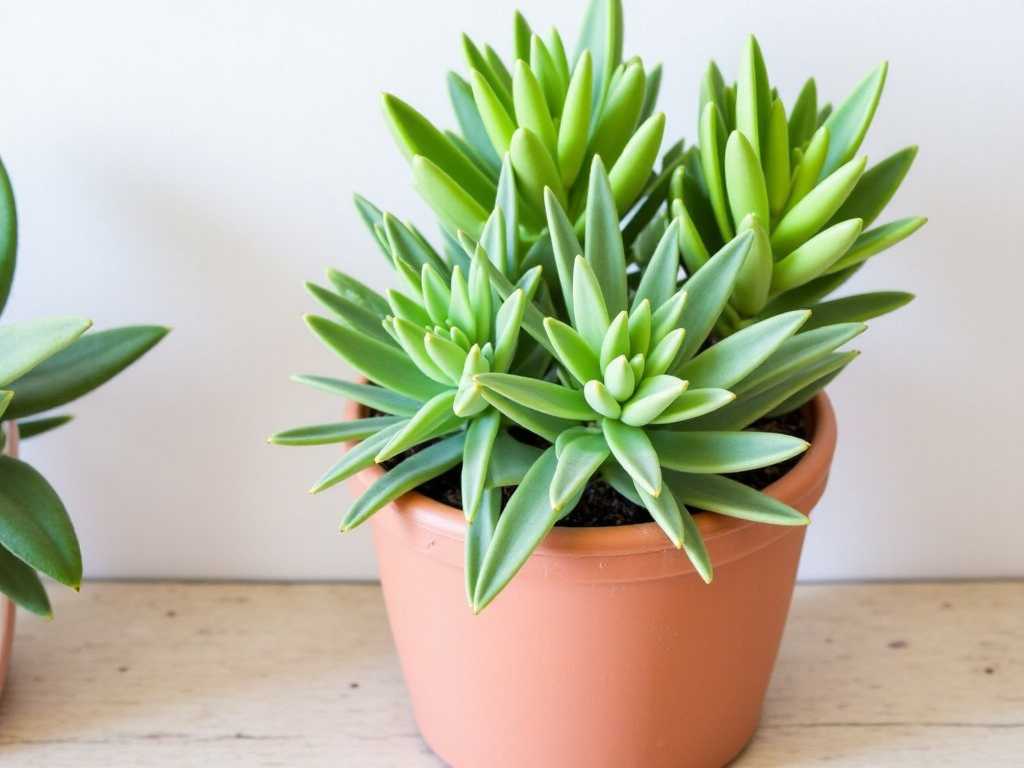
My first test was with three identical haworthias. I placed one on a north-facing windowsill (low light), one two feet back from a south-facing window (bright, indirect), and one directly on the south-facing sill (direct sun).
My 2-Week Observation:
- South-facing, direct sun:After 4 days, the leaves started developing brown, crispy patches—sunburn. It halted growth.
- North-facing window:The plant remained green but started stretching out, its leaves spacing apart. This is called etiolation—it's reaching desperately for more light.
- Bright, indirect spot:This one thrived. It maintained a tight, compact rosette and showed a faint blush of stress coloring, a sign of healthy light exposure.
The Fix I Implemented:For most beginners, an east-facing window is golden. It provides several hours of gentle morning sun. If you only have a south or west window, use a sheer curtain to diffuse the intense afternoon rays. Rotate your pot a quarter turn each week to prevent lopsided growth.
The Expert Backing:The Royal Horticultural Society (RHS) states that mostSucculentsrequire "good light" to prevent elongation and encourage flowering. They emphasize that while some can tolerate full sun, acclimatization is key to avoid scorching.
Watering: The Biggest Beginner Killer
Overwatering is the #1 cause of succulent death. The "soak and dry" method is gospel, but timing is everything.
My Real Steps & A 2-Week Experiment:I took a jade plant I'd nearly killed with overwatering. After it recovered, I committed to a strict regimen.
- I stopped watering on a schedule.Instead, I used the "finger test." I inserted my finger into the soil up to the second knuckle. If it was dry, I proceeded.
- I watered deeply.I took the pot to the sink and watered thoroughly until excess water streamed out of the drainage hole. This ensures the entire root ball gets moisture.
- I let it drain completely.I left it in the sink for an hour before returning it to its saucer. Never let the pot sit in water.
The 2-Week Result:The plant, which had been soft and dropping leaves, began to firm up. New tiny leaves emerged at the stem tips. The soil dried out completely between waterings, which in my environment, took about 12-14 days. This cycle promotes strong root growth as the roots seek out moisture.
The Pitfall I Hit:"Bottom watering" was trending. I tried it by placing my pot in a tray of water. While it prevented soil disturbance, I couldn't see how much water was absorbed. For a beginner, this lack of feedback was risky. I switched back to top watering for better control.
Choosing and Making the Right Soil Mix
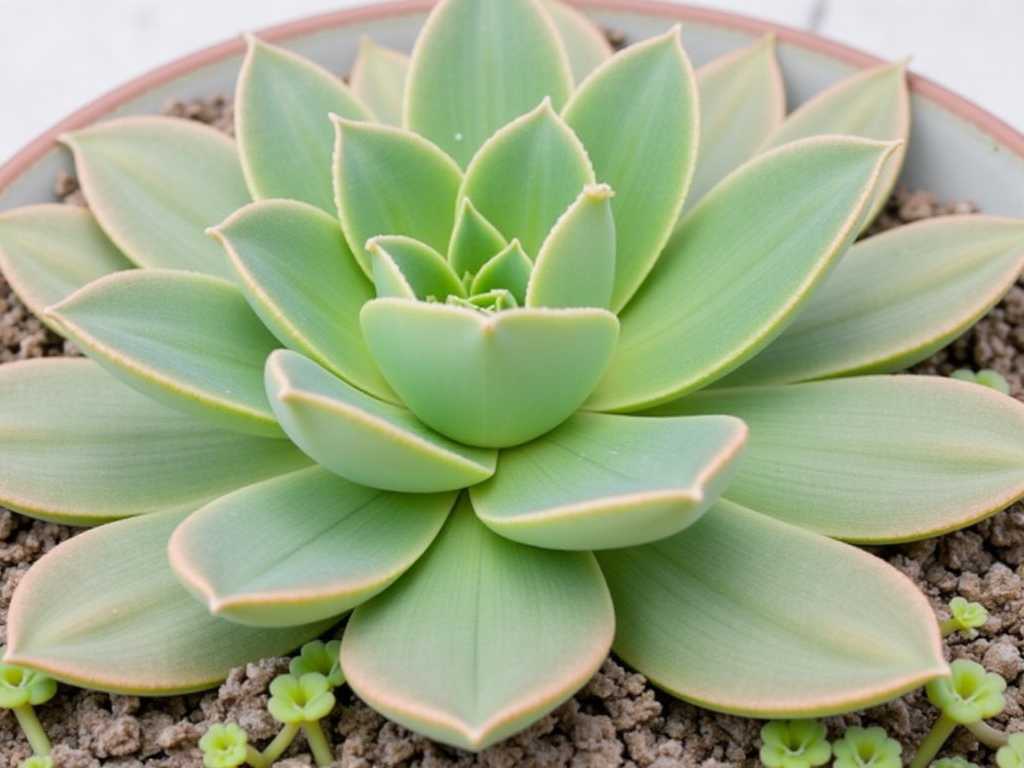
Store-bought "cactus mix" is a start, but it's often still too moisture-retentive.Succulentsneed fast-draining soil to prevent root rot.
My DIY Mix & Observation:I mixed 2 parts of a standard cactus potting mix with 1 part perlite and 1 part coarse sand (horticultural grit). I repotted a soggy sempervivum into this new mix.
Over 2 Weeks,the difference was dramatic. After a deep watering, the soil in the new mix dried out in 5 days, compared to 10+ days in the old, dense mix. The plant stopped looking soggy, and the base of the stem, which had been slightly discolored, began to callus and firm up.
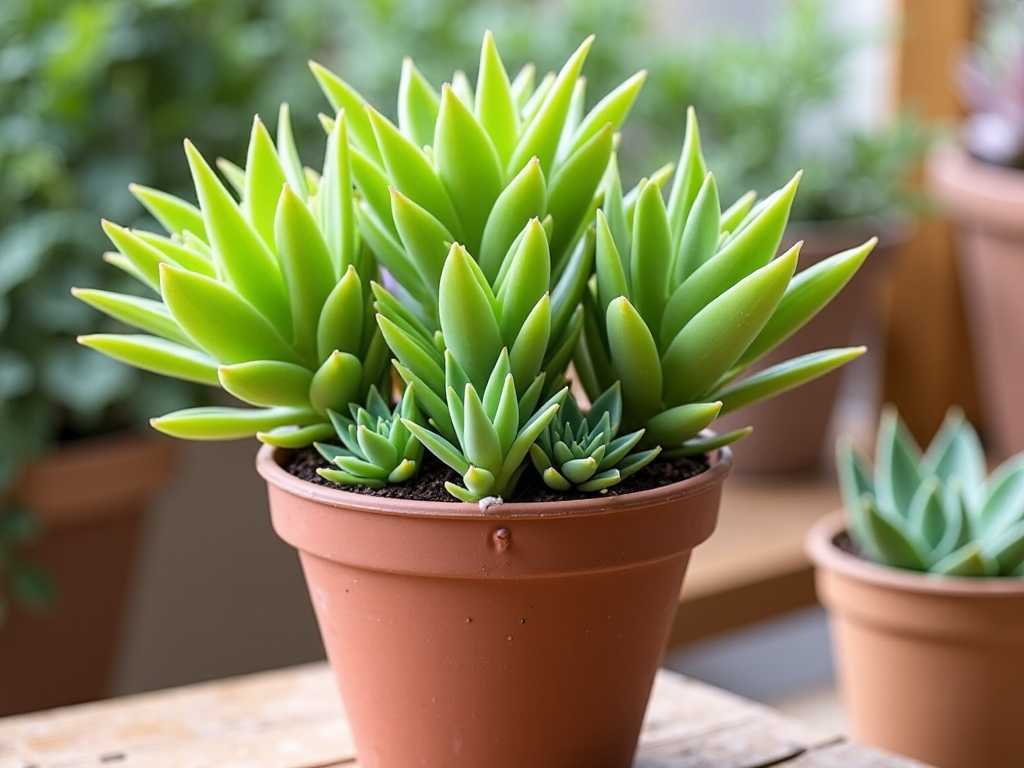
A Key Tip:Always use a pot with a drainage hole. It's non-negotiable. Terra cotta pots are excellent for beginners because they are porous and help wick away extra moisture from the soil.
Common Problems & Quick Fixes
- Soft, Translucent, Yellowing Leaves:Classic overwatering. Stop watering immediately. Remove the plant from its pot, brush away wet soil, and let the roots air dry for a day. Trim any black, mushy roots. Repot in fresh, dry, well-draining mix and wait a week before watering again.
- Shriveled, Wrinkled Leaves:Underwatering. Give the plant a thorough soak. The leaves should plump up in 2-3 days.
- Stretched, Leggy Growth (Etiolation):Insufficient light. Gradually move it to a brighter location. You can't fix the stretched part, but new growth will be compact. You can eventually behead the plant and propagate the top.
- Pests (Mealybugs):Look for white, cottony masses. I use a cotton swab dipped in 70% isopropyl alcohol to dab each bug directly. Isolate the plant and repeat every few days for two weeks.
FAQ: Your Top Questions Answered
How often should I water my succulent?There is no universal schedule. It depends on your climate, pot, and soil. Always check the soil moisture first. In summer, it might be every 10-14 days; in winter, it could be once a month or less.
Can I keep succulents in my office with no window?It's very challenging. While some (like Sansevieria) tolerate low light, most will etiolate and weaken without adequate brightness. Consider a dedicated grow light placed 6-12 inches above the plant for 6-8 hours a day.
My succulent is growing tall. Is that bad?It depends. Some species are naturally tall. If it's stretching with large gaps between leaves, it needs more light. If it's a compact, vertical growth, it might just be its nature. Research your specific plant's growth habit.
Starting your succulent journey is about observation and adjustment. Forget the rigid rules at first. Learn to read your plant's language—its leaf texture, color, and firmness. Focus on nailing light and watering, and you'll move past the beginner phase faster than you think. The resilience of these plants is remarkable; give them the basics they crave, and they will reward you with years of unique, sculptural beauty.
发表评论