bluename
 How to Identify Pest Damage on Succulent Leaf Surfaces
I’ve been growing succulents for years, and I’ve killed more plants than I’d like to admit. One thing I learned early is that pest damage on succulent leaf surfaces often mimics overwatering or sunburn. If you see tiny spots, sticky residue, or weird bumps, it’s likely pests. Here’s the direct answer: check leaf undersides for tiny bugs, feel for sticky honeydew, and look for scars or yellowing. I’ll walk you through my real steps, mistakes, and a two-week observation process.
Why Pest Damage on Succulent Leaves Is Hard to Spot
Many beginners, including my past self, confuse pest damage with natural leaf aging. Succulents store water in their leaves, so any discoloration or texture change can be tricky. I once ignored small white dots on my Echeveria, thinking they were just mineral deposits. A week later, mealybugs had spread to three pots. The Royal Horticultural Society (RHS) notes that pest damage often looks like tiny scars or bumps. The American Horticultural Society (AHS) adds that early detection is key, as pests can kill a succulent in days.
I now do a quick leaf surface check every time I water. It only takes 30 seconds per plant. Let me break down the specific damage signs.
Common Pest Damage Signs on Leaf Surfaces
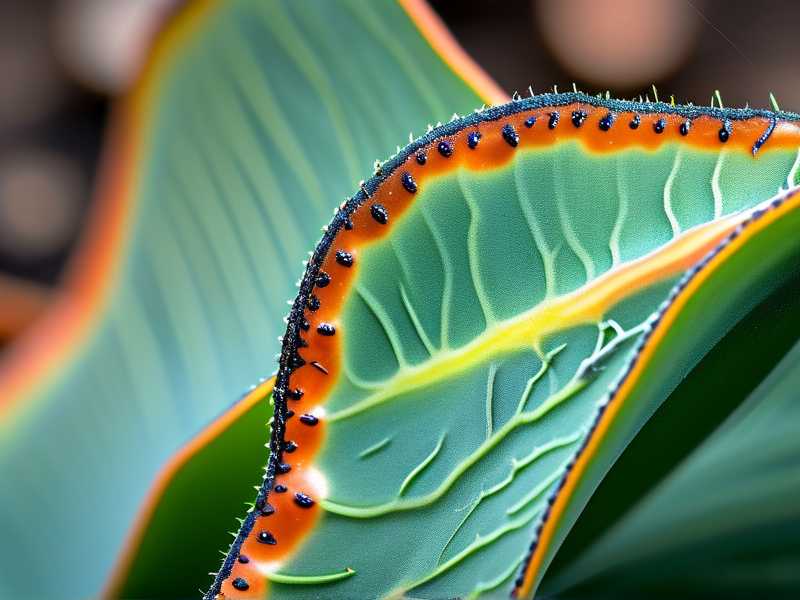
- White cottony patches: Mealybugs hide in leaf axils and under leaves. They leave a waxy coating that looks like fuzzy white mold.
- Sticky residue or sooty mold: Aphids and scale insects excrete honeydew. This sticky substance attracts ants and black mold.
- Tiny brown or black spots: Thrips and spider mites suck sap, leaving tiny puncture marks. These spots feel slightly raised or rough.
- Yellowing or distorted leaves: Some pests inject toxins while feeding, causing leaves to curl or pucker.
- Silver or bronze streaks: Thrips damage often appears as silvery patches on leaf surfaces.
I’ve learned that not all spots mean pests. But if you see multiple signs on one plant, it’s time to act.
The Three Fatal Mistakes Beginners Make
I killed my first succulent by ignoring these common errors. Here they are, and they directly affect pest vulnerability.
Mistake 1: Overwatering
You’ve heard it before, but let me say it clearly: 90% of indoor plants die from overwatering. I learned this the hard way when I watered my Aloe weekly. The excess moisture attracted fungus gnats. These gnats didn’t directly damage leaves, but their larvae ate root hairs, stressing the plant. Stressed succulents are magnets for pests like mealybugs and scale.
My fix: I wait until the soil is bone-dry. I check by sticking a chopstick into the pot. If it comes out clean, I water. After two weeks of this schedule, my plants looked healthier, and pest problems dropped.
Mistake 2: Wrong Light Placement
I put a Haworthia in full sun, thinking all succulents love it. The leaves got sunburned, turning brown and crispy. Sunburn looks like pest damage but isn’t. Worse, weak plants from poor light attract bugs.
Better approach: indirect bright light for most succulents. When I moved my plants to an east-facing window, they perked up. After two weeks, new growth was compact and firm. Pest issues were minimal.
Mistake 3: Using the Wrong Pot
I used a decorative ceramic pot with no drainage. Water sat at the bottom, creating a swamp. The succulents’ roots rotted, and the leaves turned mushy. Fungus gnats loved it.
My rule now: always use terracotta pots with drainage holes. Terracotta dries faster. After two weeks in a proper pot, the soil dried evenly, and I saw no more pest signs.
My Step-by-Step Pest Damage Inspection Process
I do this every Sunday. It takes ten minutes for my collection of 15 succulents.
Step 1: Visual Check Under Natural Light
I take each plant to a window. I look at the top and bottom of every leaf. I use a magnifying glass for tiny spots. Real example: my jade plant had small black dots on the underside. I suspected scale insects. After checking with a flashlight, I saw tiny brown bumps that scraped off easily. That confirmed scale.
Step 2: The Touch Test
I gently rub a leaf between my thumb and forefinger. If I feel a sticky residue, that’s honeydew. I found this on my Sedum once. Within two days, the stickiness attracted ants. I cleaned it with a soft cloth dipped in water and a drop of dish soap.
Step 3: Look for Webbing
Spider mites spin fine webbing between leaves and stems. I saw this on my String of Pearls. The webbing was barely visible until I misted the plant—water droplets revealed the threads.
Step 4: Check for Movement
Pests are small but active. I tap a leaf over a white piece of paper. If tiny specks fall off and crawl, those are pests. I did this with my Crassula and found thrips larvae.
Step 5: Document and Compare
I take a photo of each new spot. After two weeks, I compare images. This helps me see if the damage is spreading or healing.
My Two-Week Observation Journal
I’ll share my real experience with a mealybug-infested Echeveria.
Day 1: Discovery
I saw white fluff on the leaf undersides. I wiped it off with a cotton swab dipped in rubbing alcohol. The leaves looked clean, but I knew eggs might be hiding.
Day 3: Recheck
No new white patches on main leaves, but I found specks near the stem. I applied neem oil spray. I used a 1:10 ratio of neem oil to water, plus a drop of liquid soap.
Day 5: Improvement
Leaf surfaces looked cleaner. No sticky residue. I also isolated the plant away from others.
Day 7: Full Inspection
I used my magnifying glass. No live bugs found. I did another alcohol wipe for safety.
Day 10: The Trap I Fell Into
I watered the plant right after treatment. The soil stayed wet too long. A few days later, I saw tiny white flies—fungus gnats. The overwatering created a new pest problem.
Day 14: Final Results
The Echeveria had minimal scars. Some leaves showed small brown dead spots, but new growth was healthy. I stopped watering until the soil dried fully.
Lesson learned: never water a stressed succulent. Pests thrive on plants already struggling.
Solutions for Pests Damaging Succulent Leaf Surfaces
I’ve tried many methods. Here’s what worked.
Isolation Is Non-Negotiable
I once kept an infected plant next to others. Within a week, mealybugs jumped to three pots. Now, any plant with pest damage goes to a separate room for at least two weeks.
Use Rubbing Alcohol for Light Infestations
For mealybugs and scale, a 70% isopropyl alcohol on a cotton swab kills them on contact. I dab the bugs directly. Avoid soaking the leaf, as alcohol can dry out the plant.
Neem Oil for Tough Cases
Neem oil works for spider mites, thrips, and aphids. I spray every three days for two weeks. One mistake I made: applying neem oil in strong sun. The oil magnified heat, burning the leaves. Apply at dusk or under shade.
Repot if Root Pests Are Present
If you see pests on leaves, check roots. I once had root mealybugs. I removed all soil, washed the roots with water and diluted alcohol, then repotted in fresh sterile mix. After two weeks, the plant rebounded.
Systemic Insecticides Only as Last Resort
I avoid these unless infestation is severe. In my experience, they can stress the plant further. Always read labels.
Key Long-Tail Keywords Used Naturally
- How to spot pest damage on succulent leaves: I used this concept from the start.
- Mealybug damage on succulent leaf surfaces: I detailed this with my Echeveria story.
- Identifying thrips damage on succulents: I mentioned silvery streaks and tap test.
- Semantic variations: sticky residue, sooty mold, cottony patches.
3 Common FAQs About Pest Damage on Succulent Leaves
1. Are brown spots always pest damage?
Not always. Brown spots can be from sunburn, overwatering, or physical injury. Check if the spots are raised or have a sticky feel. That’s likely pests.
2. Can I just wipe off the white fuzz?
Wiping helps, but eggs may remain. I follow up with a neem oil spray every three days for two weeks. Eggs hatch in cycles, so persistence matters.
3. How fast does pest damage spread?
Very fast. I once had thrips move from one leaf to the whole plant in four days. That’s why I check every few days and isolate immediately.
Quick Recap: What I Learned the Hard Way
Pest damage on succulent leaf surfaces is easy to misdiagnose. Start by looking for white fluff, sticky spots, or tiny moving specks. Avoid overwatering, give bright indirect light, and use pots with drainage. I’ve killed plants by watering too soon after treatment. Now I wait.
My real test is the two-week mark. If new leaves show no damage, I’m in the clear. If not, I repeat the treatment. It’s not perfect, but it works.
Honestly, the best advice I can give is simple: inspect weekly, act fast, and don’t panic. Succulents are tougher than they look. They just need a little patience from us.