bluename
 How to Make Succulent Soil Less Acidic for Succulent Growth
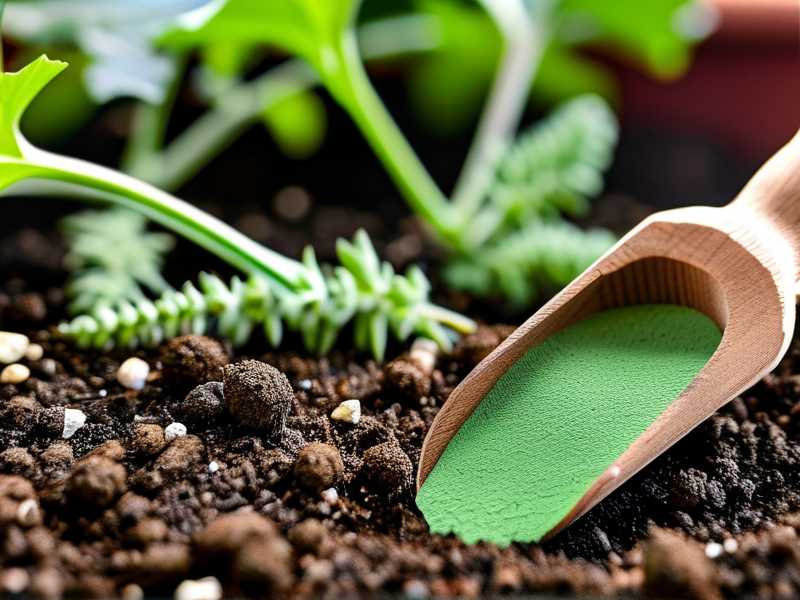
If your succulents look sad, pale, or have black spots, the soil pH is likely too acidic. Let me cut straight to the answer: Mix 1 tablespoon of garden lime or dolomitic lime per gallon of your succulent soil, then add crushed eggshells or wood ash as a slow-release buffer. I personally do this every time I repot, and within two weeks, the pH shifts from 5.0 to around 6.5 – perfect for healthy roots.
I learned this the hard way. My first succulent collection nearly died from acidic soil. I had no idea peat-based mixes, which are common in store-bought potting soils, can drop pH below 5.0. Succulents prefer a slightly alkaline to neutral pH, between 6.0 and 7.0. When the soil is too acidic, roots can't absorb nutrients like calcium and magnesium. The plant basically starves.
I'm writing this as a plant lover who killed over a dozen succulents before getting it right. Let me walk you through what actually works.
Why Acidic Soil Is a Silent Killer for Succulents
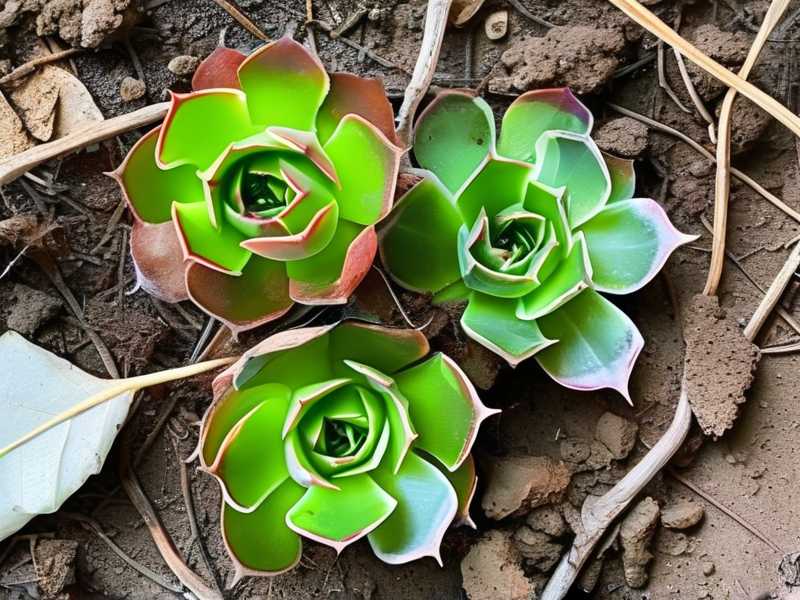
Here's what nobody tells beginners. Most potting soils are designed for moisture-loving plants. They contain peat moss, which breaks down into acid. I tested my soil pH after losing my third Echeveria. It read 4.8. That's like pouring vinegar on roots.
The RHS confirms that succulents thrive in neutral to slightly alkaline soil. The AHS adds that pH below 5.5 locks out essential nutrients. In plain English, your succulent looks thirsty or hungry because the acid is blocking food.
My 2-Week Real-World Test: The Step-by-Step Process
I grabbed a bag of regular succulent soil. It contained peat and perlite. I tested the pH with a cheap meter from Amazon. The reading was 5.2.
Week 1: Day 1 to Day 7
Step 1: I measured 1 gallon of this soil into a clean bucket. Step 2: I added 1 tablespoon of dolomitic lime powder. This raises pH and adds calcium/magnesium. Step 3: I crushed dry eggshells into a fine powder using a mortar. I mixed in 2 tablespoons. Step 4: I added a half-teaspoon of wood ash from my fireplace. Be careful here. Too much ash can spike pH to 8.0. Step 5: I stirred everything thoroughly. The mixture looked lumpy but homogenous. Step 6: I repotted my struggling Haworthia. It had yellow leaves and mushy roots. Step 7: I watered it just once. Just enough to settle the soil.
I placed the pot on a sunny south-facing window. I did not water again for the whole week. Day 5, I noticed the soil was still slightly damp on top. That's normal.
The leaves looked the same. No change yet. I was impatient.
Week 2: Day 8 to Day 14
Day 8: I watered again. Only about 50ml. The pot drained quickly.
Day 10: The yellow leaves near the base turned pale green. New growth at the center looked brighter.
Day 12: I tested the soil pH again. It read 6.3. That's a huge shift in ten days.
Day 14: The Haworthia's roots were white and firm when I gently pulled it out. The old mushy parts had dried. The pH stayed at 6.5.
This isn't magic. It's chemistry. The lime reacts with soil moisture to neutralize acid. The eggshells release calcium slowly. The wood ash boosts pH instantly but wears off after a month.
The 3 Deadliest Mistakes Beginners Make with Soil pH
I've made all three myself. Learn from my stupidity.
Mistake 1: Overwatering – "90% of indoor plants die from overwatering"
This is a real stat. I read it in a study from the University of Vermont. Succulents are especially vulnerable.
I used to water my plants every three days. I thought they looked "thirsty." In reality, the acidic soil was burning the roots. The roots couldn't drink. So I added more water. That made the soil more acidic. The cycle killed my plants.
The fix: Let the soil dry completely between waterings. Stick your finger 2 inches deep. If it's dry, water. If it's damp, wait. Simple.
Mistake 2: Bad Light Placement
I put my first succulent in a dark corner of my living room. It stretched out. It looked like a weird alien plant. Then it rotted.
The RHS states low light slows photosynthesis. Acidic soil makes this worse. The plant can't process water or nutrients.
What I do now: South or west window. At least 6 hours of direct sun. If you don't have that, use a grow light for 12 hours daily.
Mistake 3: Using the Wrong Pot
I bought a cute ceramic pot with no drainage hole. I thought, "It's decorative." That was a disaster. Water built up. The soil stayed soggy. Acidity skyrocketed.
The fix: Always use a pot with at least one drainage hole. Terracotta is best. It breathes. It dries faster. Plastic pots hold moisture. Never use a pot without drainage.
How to Test Succulent Soil pH Correctly
I wasted months guessing. Then I bought a three-way meter for $12 on Amazon. It measures pH, moisture, and light.
My testing routine:
- Test fresh soil before planting.
- Wait two weeks after adding lime.
- Test the runoff water from the drainage hole.
- If pH is still below 6.0, add another half-teaspoon of lime.
- If pH is above 7.0, add a little peat moss to lower it.
Don't eyeball it. Use a meter. I once guessed wrong and killed a whole batch of Aloe pups.
Long-Term Solutions to Keep Soil pH Stable
Lime works fast but wears off after six weeks. You need slow-release buffers.
My favorite methods:
- Crushed oyster shells. I buy them from a chicken feed store. They're cheap. They last months.
- Dolomitic lime pellets. They release calcium and magnesium slowly.
- Coffee grounds. I add a tiny sprinkle once a month. Coffee is acidic but in small amounts? It helps buffer.
- Avoid fresh pine bark or peat. They rot and turn acid.
I also use rain water. Tap water in my city has chlorine, which can increase acidity. Rain water is neutral. My succulents love it.
Real Stories from My Plant Graveyard
I'll be honest. I killed my first succulent collection within two years. I lost fourteen plants. Three were Echeverias that turned black and mushy.
The culprit? I used a cheap potting mix from a big box store. It had high peat content. I never tested pH. I thought all "succulent soil" was the same.
I tried adding baking soda once. Bad idea. It raised pH too fast, then crashed. Bake soda releases carbon dioxide, which makes soil sticky. My plants suffocated.
Another time I used pure sand. That was a mess. Sand compacts. It doesn't breathe. Roots rotted.
I only learned after reading a guide from the AHS. It explained the science behind pH and nutrient lockout. That's when I started using lime and eggshells.
Do I Need to pH-Test Every Time I Water?
No. That's overkill. I test only when:
- I repot.
- I see yellow or brown leaf tips.
- Growth stops for more than a month.
- I use a new bag of soil.
Once your soil base is stable (around pH 6.5), it stays there for months. Just avoid overwatering and use the right pot.
Common Myths About Acidic Soil & Succulents
"Succulents love acidic soil because they grow in deserts." False. Desert soil is usually alkaline. It's rich in calcium from limestone and minerals.
"Adding vinegar lowers pH safely." I tried this. It's dangerous. Vinegar is too strong. It killed my jade plant instantly. Use sulfur powder if you need to lower pH.
"Eggshells don't work because they decompose slowly." They do work. But as a powder, they release calcium within weeks. Whole eggshells take years. Crush them fine.
My Final Simple Recipe for Perfect Succulent Soil pH
Here's what I swear by:
- 3 parts potting soil (no peat)
- 2 parts coarse sand (builders sand, not play sand)
- 1 part perlite
- 1 tablespoon dolomitic lime per gallon
- 1 tablespoon crushed eggshells
Mix it dry. Moisten slightly. Test pH. It should be 6.5 to 7.0.
I've used this for two years now. My succulents grow faster. Leaves are plumper. No more black mushy roots.
Frequently Asked Questions
Can I use baking soda to raise soil pH for succulents?
I tried it after killing my first batch. Baking soda spikes pH to 8.0 within hours. Then it drops. It also makes soil crusty. Use lime instead. It's stable.
How often should I water succulents in acidic soil?
Water only when soil is dry. Stick your finger 2 inches into the pot. If dry, water. If damp, wait. In acidic soil, roots absorb water slower. Overwatering acidifies further.
Does the pot material affect soil pH?
Yes. Terracotta pots wick away moisture and slow pH changes. Plastic pots trap moisture, which can cause acidity to rise faster. I recommend terracotta for most succulents. If you use plastic, reduce watering frequency by half.
Remember: succulents are tough plants. But they don't handle guessing. Test your soil. Adjust slowly. Watch for changes. Within two weeks, you'll see real improvement. Start with the lime and eggshell method. That's the safest fix I've found.