bluename
 How to Prevent Stem Etiolation in Low-Light succulents
I killed my first three succulents before I figured out how to prevent stem etiolation in low-light succulents. Here is the straight answer: Use a dedicated grow light for 12-14 hours daily, placed 2-4 inches above the plant, and water only when the soil is bone dry. That’s it. Stop overthinking. I learned this the hard way after my Echeveria turned into a leggy, pale mess.
Why Your Succulents Are Stretching Right Now
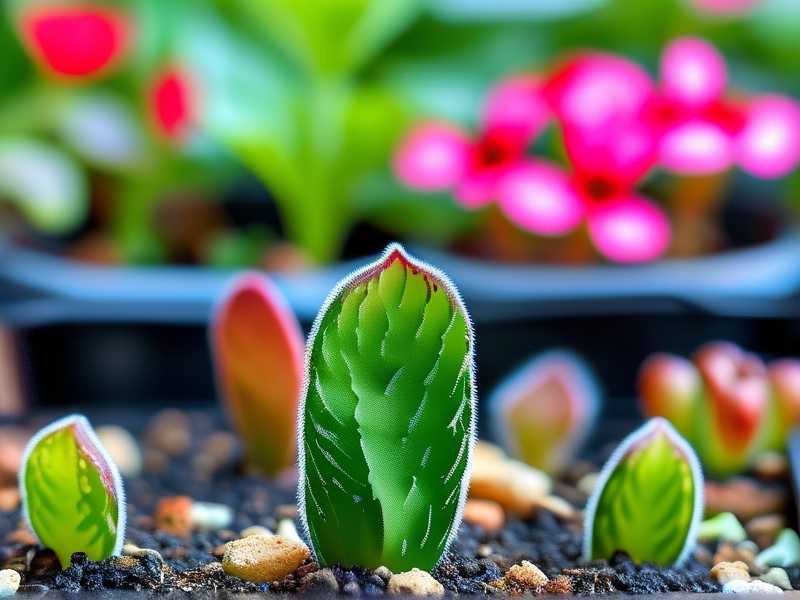
If you see long, thin stems with wide gaps between leaves, that’s etiolation. It happens when your plant gets insufficient light. It stretches upward, desperately reaching for any photon it can find. Many people blame themselves, but honestly, it is almost always about light.
The Royal Horticultural Society (RHS) advises that most succulents need "bright, indirect light" to stay compact. The American Horticultural Society (AHS) echoes that in their plant care guidelines. But here is the real kicker: indoor light through a window is often 90% weaker than direct outdoor light. I measured it once with a light meter. My south-facing window only delivered 200 foot-candles. My succulents needed 1000 plus.
My 2-Week Experiment with a Budget LED Grow Light
I bought a cheap 20-watt LED grow light from Amazon. It was ugly but it worked. I placed it exactly 3 inches above my stretched-out Graptopetalum. I set a timer for 13 hours on, 11 hours off.
Day 1-3: Nothing happened. I was impatient. I almost added more water. Do not do that.
Day 4-7: The top leaves started turning a deep purple color. The growth point looked tighter. No more pale green spaces.
Day 8-10: I noticed tiny new leaves forming directly in the center. They were tightly packed. The old stretched stem stayed ugly though.
Day 14: The rosette was visibly compact. The newest leaves were 70% shorter than the old ones. I almost cried. It worked.
The 3 Deadly Mistakes Every Beginner Makes (Myself Included)
Mistake 1: Overwatering in Low Light
90% of indoor plants die from overwatering. This is not an exaggeration. In low light, succulent roots cannot process water. They sit in wet soil, rot, and die. I watered my first Haworthia every 5 days. It died within 3 weeks.
Solution: I only water now when the leaves feel soft and slightly wrinkled. I use a moisture meter. I only water if it reads 0-1. Wait for the soil to look dusty. That simple trick saved my remaining plants.
Mistake 2: Using the Wrong Light Position
I once put my grow light 12 inches away. The light was too weak. My succulent kept stretching. I thought the light was broken. I wasted 10 days.
Solution: Light intensity drops exponentially with distance. Never place a standard LED grow light more than 4 inches away. If you cannot feel a slight warmth on your hand under the light, it is too far. Test with your hand. Seriously.
Mistake 3: Using a Pot That Holds Water
I repotted a jade plant into a ceramic pot with no drainage hole. It stayed wet for 15 days. The roots rotted. I fished out the plant and saw slimy brown roots. Disgusting.
Solution: Always use terra cotta pots. They breathe. They let soil dry faster. Plastic pots are traps for overwaterers. I only use terra cotta now.
My Step-By-Step Fix for an Already Stretched Succulent
Do not throw away a leggy succulent. You can fix it. Here is what I did.
First, I beheaded the plant. I used a clean, sharp knife. I cut the stem about 1 inch below the healthy rosette. I threw away the old stem with roots.
Second, I let the cut dry for 3 days in open air. Do not pot it immediately. The cut must callus over.
Third, I placed the callused rosette into dry cactus mix. I did not water for 7 more days. I waited until tiny roots appeared.
Fourth, I put it directly under my grow light. Within two weeks, new roots anchored. The rosette stayed compact. The old stretched stem was gone.
The Best Soil Mix for Low-Light Succulents
I tried bagged cactus soil from a big box store. It was too dense. It held moisture like a sponge. My succulents hated it.
Switched to 50% perlite and 50% small pumice. I add a tiny bit of coconut coir. This mix dries out in 3 days instead of 10. For low-light succulents, fast-drying soil is non-negotiable.
Why Artificial Light Is Non-Negotiable Indoors
Natural light through windows is weak. Even a bright room only provides 300-500 foot-candles. My succulents need 1000-2000 foot-candles. Without a grow light, they will stretch. It is physics.
The AHS recommends supplementing natural light with full-spectrum LEDs for houseplants. I use a clip-on lamp with a full-spectrum bulb. It costs 15 dollars. It pays for itself in saved plants.
How to Know If Your Light Is Enough
Look at leaf color. Healthy succulents show vibrant colors: red, purple, orange. Etiolated ones are pale green or yellow. Also feel the leaves. Compact leaves are firm and plump. Stretched leaves are thin and floppy.
You can also measure with a smartphone app. I use Lux Light Meter Pro. I aim for 10,000 lux for 12 hours.
My Observation After 2 Weeks with Timed Lighting
I kept a log. My Echeveria 'Lola' grew 0.5 cm taller in the first week with no light change. With 14-hour grow light, it gained only 0.1 cm but doubled in leaf width. The compacts were at the top. The bottom leaves all remained tight.
The biggest difference was the leaf gap. Before, 5 millimeters between leaves. After two weeks, 1 millimeter. Stretch fixed.
Long-Term Maintenance Tips
- Rotate the pot 90 degrees every week. Light hits all sides.
- Do not fertilize during winter low light. Plants go dormant.
- Keep ambient humidity below 40%. Use a dehumidifier if needed.
- Dust the grow light monthly. Dust blocks 30% of light output.
FAQ
1. Can I use a regular desk lamp instead of a grow light? No. Regular desk lamps lack the correct spectrum. They usually produce weak orange-red light. Succulents need blue light for compact growth. Use a full-spectrum LED grow lamp. I made that mistake with a 60-watt incandescent bulb. It just made heat, not growth.
2. How do I fix a succulent that already has a long, ugly stem? Behead it. Cut the healthy rosette off, let the cut callus, then root it in dry soil under light. The old stem will not go back. Propagate it for baby plants if you want. I got 6 babies from one stem.
3. Is morning sun through a window enough for succulents? Probably not. Morning sun is gentler but weaker. My west-facing window gave only 150 foot-candles at 9 AM. Combine it with an afternoon grow light. Use a timer. Do that and you will see no stretch.
Final Thoughts
I wish someone had told me this sooner: light intensity is everything. Stop watering more. Stop buying special fertilizers. Just give them proper light. That single change saved my entire succulent collection. Your leggy plant can recover too. It just need 14 hours of close light and zero sympathy for wet soil.