bluename
 Mass Propagating succulents for Events: Your Ultimate Guide to Creating Hundreds of Favor Plants
Are you planning a wedding, corporate gala, or community fundraiser and dreaming of unique, living party favors? The idea of mass propagating succulents for events can seem overwhelmingly complex. You might be worried about the cost of buying hundreds of individual plants, the logistical nightmare of keeping them all healthy, or the fear that your DIY project will fail at the last minute. What if you could create stunning, personalized succulent favors for a fraction of the retail price, with the satisfaction of having grown them yourself? This comprehensive guide is designed to transform that anxiety into confidence. We will walk you through every step, from initial planning to the final presentation, ensuring your event is memorable and your green favors thrive.
Why Choose Succulents for Your Event?
Succulents are the perfect event favor. They are resilient, require minimal immediate care from your guests, and symbolize enduring growth and love—ideal for weddings. Their variety in shape, color, and texture allows for incredible customization to match any theme. More importantly, bulk succulent propagation is a cost-effective and scalable solution. Instead of purchasing mature plants, you can start with a few "mother" plants and multiply them into hundreds over several months. This process not only saves money but also adds a deeply personal touch to your event.
Planning Your Propagation Timeline
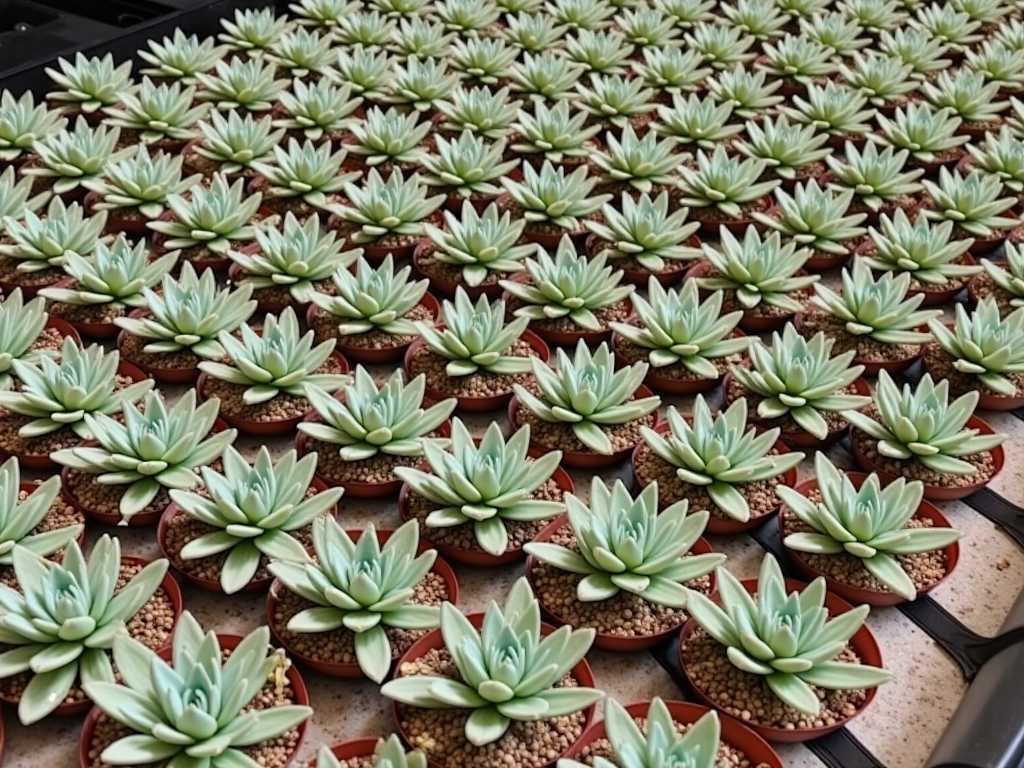
Success in mass producing succulent favors hinges on one critical factor: time. Succulents cannot be rushed. A realistic timeline is your most important tool.
- Start 6-12 Months in Advance: For an event needing 200-300 favors, begin at least 6 months prior. Larger quantities require closer to a year. This allows slow-growing varieties ample time to root and establish.
- The Propagation Cycle: The first 2-3 months are for taking cuttings and leaves from your starter plants. The following 3-4 months are dedicated to rooting and initial growth. The final 1-2 months are for potting up into final containers and letting them settle.
As noted by horticulturist Dr. Emily Green in The Modern Propagator's Journal, "Treating propagation as a scheduled project, not a spontaneous activity, is the single biggest determinant of success for event-scale growing."
Selecting the Right Succulent Varieties
Not all succulents are created equal for quick, reliable propagation. Choose species known for their vigor and ease of rooting.
- Top Choices for Mass Propagation:
- Sedum Morganianum (Burro's Tail): Easy to propagate from stems, though fragile.
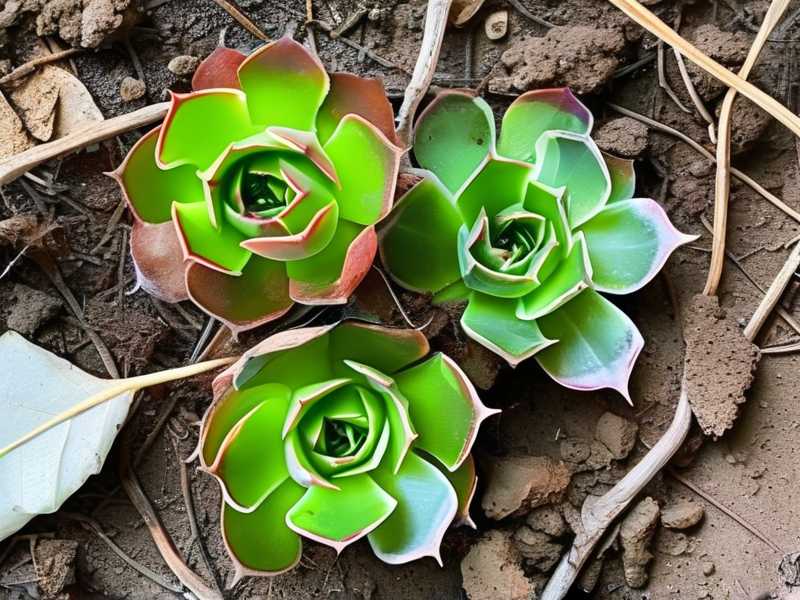
- Echeveria species: Propagates readily from leaf cuttings, producing perfect rosettes.
- Sedum Rubrotinctum (Jelly Bean Plant): Stems and individual leaves root incredibly easily.
- Crassula Ovata (Jade Plant): Very hardy and propagates well from stem cuttings.
- Sempervivum (Hens and Chicks): Produces many offsets, perfect for separation.
- Consider Growth Rate and Form: Mix a few fast-growers with slower, showier varieties. Ensure their final size is appropriate for your chosen favor pots.
Step-by-Step Guide to Large-Scale Propagation
Gathering Your Materials in Bulk
Efficiency requires the right tools in sufficient quantity. You'll need:
- Propagation Trays: Use shallow, drainage-less trays for leaf and stem cuttings.
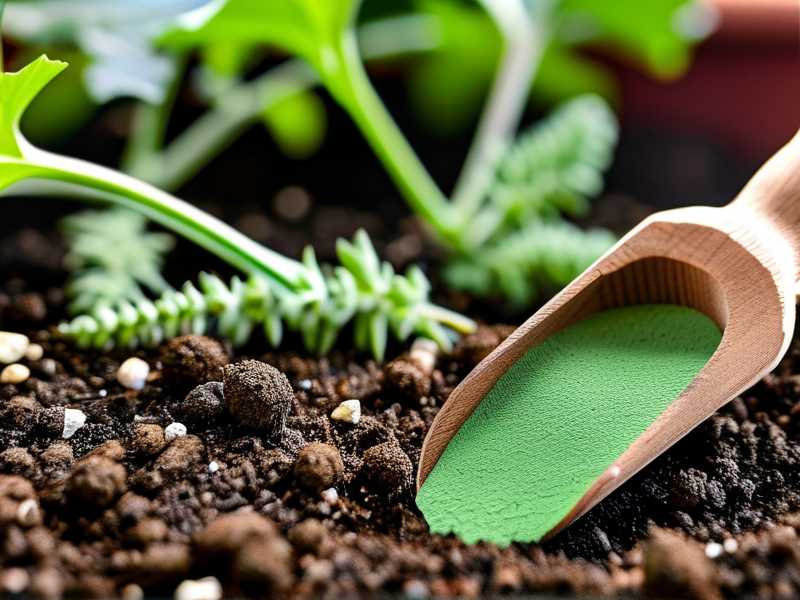
- Growing Medium: A well-draining mix is non-negotiable. Combine 50% cactus potting soil with 50% perlite or pumice.
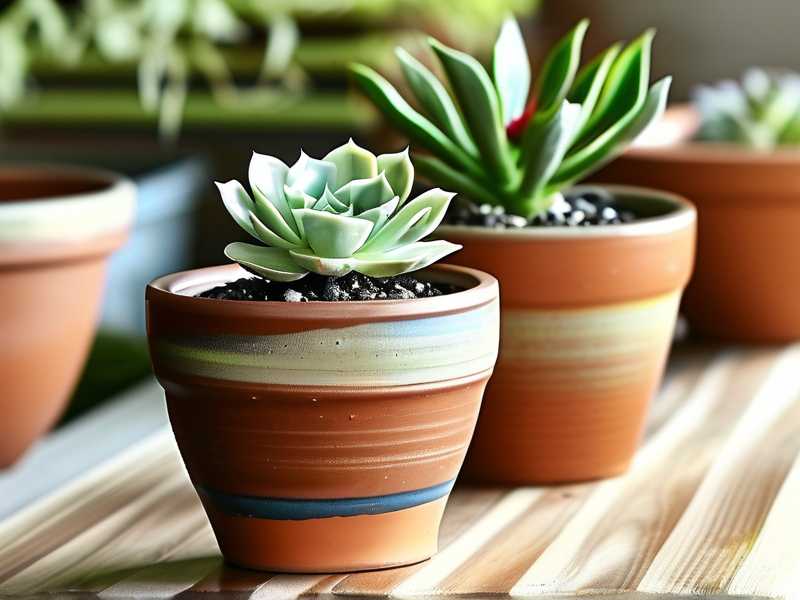
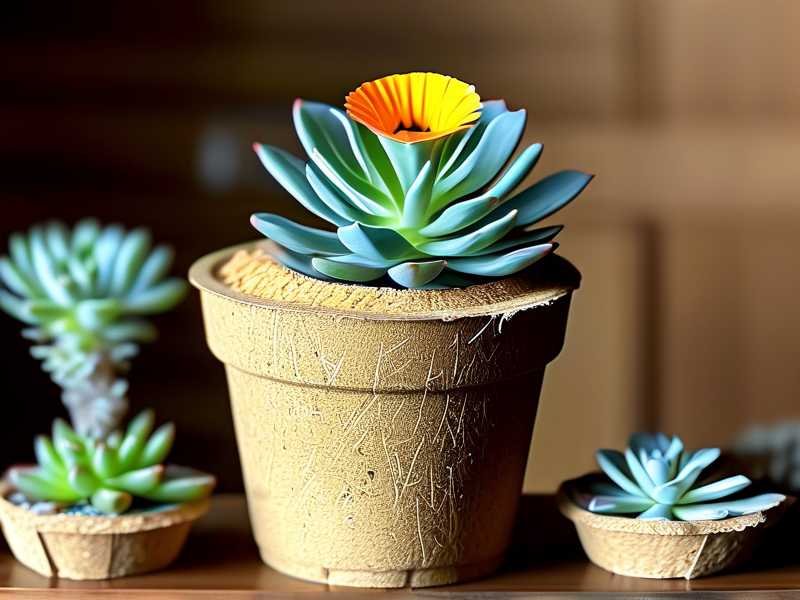
- Containers for Final Potting: Source small pots, terracotta cups, or customized containers in bulk.
- Tools: Clean, sharp scissors or shears, gloves, and watering cans with fine nozzles.
The Propagation Process: Leaves and Cuttings
- Taking Cuttings & Leaves: Gently twist leaves from the stem for a clean break. For stem cuttings, use a sterile blade to make a clean cut. Let all cuttings and leaves "callus" in a dry, shaded spot for 2-7 days. This prevents rot and is the most crucial step often overlooked by beginners.
- The Rooting Phase: Lay leaves on top of dry soil in trays. Place stem cuttings just barely into the soil. Do not water. Keep in bright, indirect light. After a week or two, when you see roots or new buds, begin misting lightly every few days.
- Care During Early Growth: Once baby plants (pups) form on leaf cuttings, you can gently remove the spent mother leaf. For stem cuttings, once roots are established, treat as a young plant. Gradually increase light to prevent stretching.
Potting Up and Pre-Event Care
When the new plants are sturdy enough to handle (usually after 2-3 months), pot them into their final containers with proper drainage. Use your well-draining soil mix. Water them thoroughly once, then allow them to dry out completely before watering again. Place them in the brightest light possible to encourage compact, colorful growth.
Budgeting and Cost Analysis
A primary advantage of large-scale succulent propagation is cost control. Here’s a simplified breakdown for 200 favors:
- Starter Plants: $100-$200 (10-20 quality "mother" plants).
- Soil and Amendments: $50-$80 (buying perlite and soil in large bags).
- Pots/Containers: $100-$300 (varies greatly based on style; simple terracotta is very affordable).
- Miscellaneous (trays, tools): $30-$50.
- Total Estimated Cost: $280 - $630, or $1.40 - $3.15 per favor. Compared to purchased mature succulents at $5-$10 each, the savings are substantial.
Design and Presentation Ideas
The presentation elevates your favors from plants to cherished gifts.
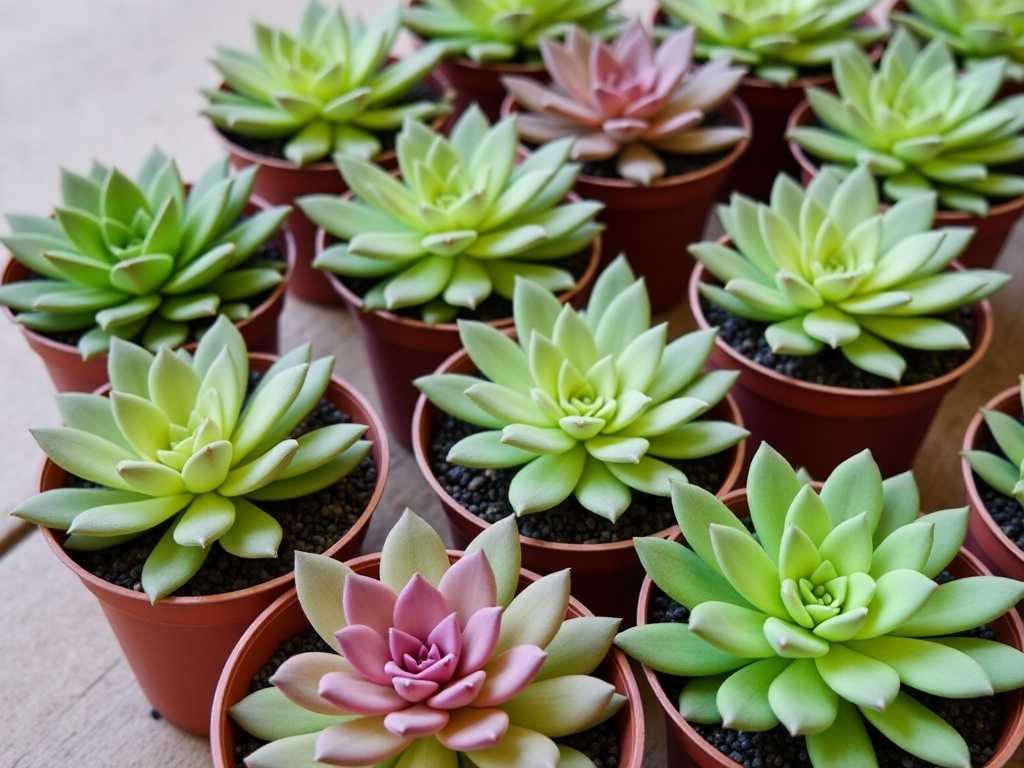
- Theming: Match pot colors to your event palette. Use ribbons, twine, or custom tags.
- Labeling: Create cute tags with the plant's name and simple care instructions ("Bright light, water only when soil is completely dry").
- Display: Arrange potted succulents on tiered stands, in vintage crates, or as individual place settings.
Troubleshooting Common Issues
- Leggy or Stretched Plants: Increase light intensity immediately. They may not perfect before the event, but will stop getting worse.
- Rot: Cease all watering. Remove any affected plants or leaves immediately to prevent spread. Improve air circulation.
- Slow Growth: Ensure temperatures are warm enough (65-75°F is ideal) and that plants are receiving adequate indirect light. A diluted, half-strength fertilizer can be applied once during the growth phase.
Frequently Asked Questions
How far in advance should I really start? For absolute peace of mind and to account for any setbacks, start 8-12 months before your event. A 6-month timeline is possible but requires perfect conditions and fast-growing varieties.
What’s the easiest succulent for a first-time mass propagation? Sedum rubrotinctum (Jelly Bean Plant) is arguably the most forgiving. Its stems and plump leaves root quickly and are less prone to rot during the callusing phase than some other varieties.
How do I transport hundreds of succulent favors safely? Use shallow, sturdy boxes. Place pots snugly together so they don't tip. Fill any gaps with crumpled paper to prevent shifting. Transport them on the day of the event, and avoid leaving them in a hot or cold car for extended periods.
Embarking on the journey of mass propagating succulents for events is a rewarding endeavor that blends creativity with practical gardening. It transforms your event preparation into a growing, living process. By starting early, choosing the right plants, and following a disciplined care routine, you can create beautiful, meaningful, and budget-friendly favors that your guests will love and remember. The key is to embrace the timeline, learn from any small mishaps, and enjoy watching your favor garden come to life, one tiny leaf at a time.