bluename
 How to Propagate succulents in Winter: A Complete Guide for Success
Winter often feels like a time to put your gardening gloves away and wait for spring. For succulent enthusiasts, the shorter days, cooler temperatures, and lower light levels can be daunting, especially when you have a leaf or stem cutting you're eager to grow. The thought of propagating succulents in winter might seem impossible or destined for failure. You worry about rot, slow growth, and etiolated, stretched-out plants. But what if winter could become your secret weapon for creating a stronger, more resilient collection? With the right knowledge and adjustments, you can successfully propagate succulents during the colder months. This guide will walk you through every step, turning your winter propagation worries into a rewarding and productive season.
Understanding the Winter Environment for Succulents
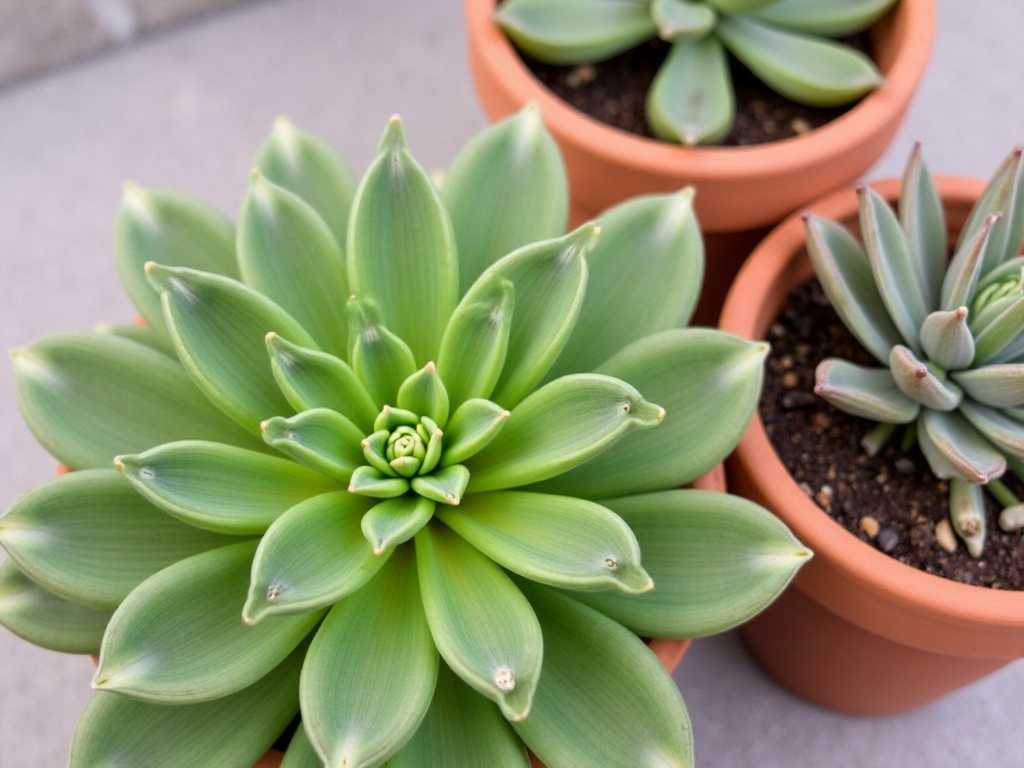
Before you make the first cut, it's crucial to understand how winter conditions affect succulent metabolism. Succulents are largely dormant or semi-dormant in winter. Their growth slows significantly as they conserve energy. This isn't a disadvantage for propagation; it simply means your approach must shift from encouraging rapid growth to supporting steady, healthy root development. The keys are patience and mimicking the ideal microclimate.
Light: Your Most Critical Factor The lack of intense, prolonged sunlight is the biggest challenge. Place your propagations in the brightest spot possible—a south-facing windowsill is ideal. Rotate the pots regularly to prevent leaning. For most regions, supplemental grow lights are not just helpful; they are essential for winter succulent propagation. Use full-spectrum LED grow lights positioned 6 to 12 inches above the cuttings for 12-14 hours a day. This provides the "sun" they crave without the risk of sunburn from a magnified window.
Temperature and Humidity: Finding the Balance Most succulents prefer propagation temperatures between 65-75°F (18-24°C). Keep them away from cold drafts, hot radiators, and freezing windows. A consistent, moderately warm room temperature is perfect. Indoor heating often creates very dry air, which can actually benefit succulent cuttings by reducing fungal risk. However, ensure the mother plant and soil aren't bone dry for extended periods.
Step-by-Step: The Winter Propagation Process
Choosing the Right Method for Winter Not all propagation methods are equally suited for winter. Leaf propagation is often the most reliable, as the small cutting requires less energy to sustain. Stem cuttings can also work well, especially for leggy plants you've brought indoors. Seed propagation is generally not recommended for beginners in winter due to the high need for consistent warmth and light.
Method 1: Leaf Propagation in Cold Months
- Selection: Gently twist a healthy, plump leaf from the stem of the mother plant. Ensure you get a clean break with no part left on the stem.
- Callusing: This step is non-negotiable in winter. Place the leaves in a dry, shaded spot (like on a paper towel) for 3-7 days until the wound forms a hard, dry callus. This seal prevents moisture loss and rot.
- Laying: Do not bury or water the leaves. Simply lay them on top of a dry, well-draining succulent mix. A mix of 50% potting soil and 50% perlite or pumice is excellent.
- The Waiting Game: Place the tray under your grow light. Resist all watering until you see tiny pink roots and/or a baby rosette forming. This can take several weeks to months in winter—patience is key.
- Watering: Once roots appear, lightly mist the soil near the roots every few days when the soil is completely dry. The goal is to encourage roots to seek moisture, not to soak the leaf.
Method 2: Stem Cuttings
- Cutting: Use a sterile, sharp knife or scissors to take a 2-4 inch stem cutting. Remove a few leaves from the bottom to expose a section of stem.
- Callusing: Allow the cut end of the stem to callus over for 3-5 days.
- Planting: Insert the callused stem into a small pot with dry succulent mix. You may use a rooting hormone on the cut end for potentially faster results, though it's not required.
- Initial Care: Do not water immediately. Wait about a week, then give the soil a very light sprinkle. After 2-3 weeks, you can begin a sparse watering routine, only when the soil is fully dry.
Optimizing Care for Winter Propagations
Watering: Less is Infinitely More Overwatering is the fastest way to kill a winter propagation. The combination of cool temperatures, low light, and damp soil is a recipe for rot. Your watering can should gather dust. "When in doubt, don't water" is the golden rule. Use a spray bottle for targeted misting near new roots, or a small dropper to provide minimal moisture. The soil should feel dry for the majority of the time.
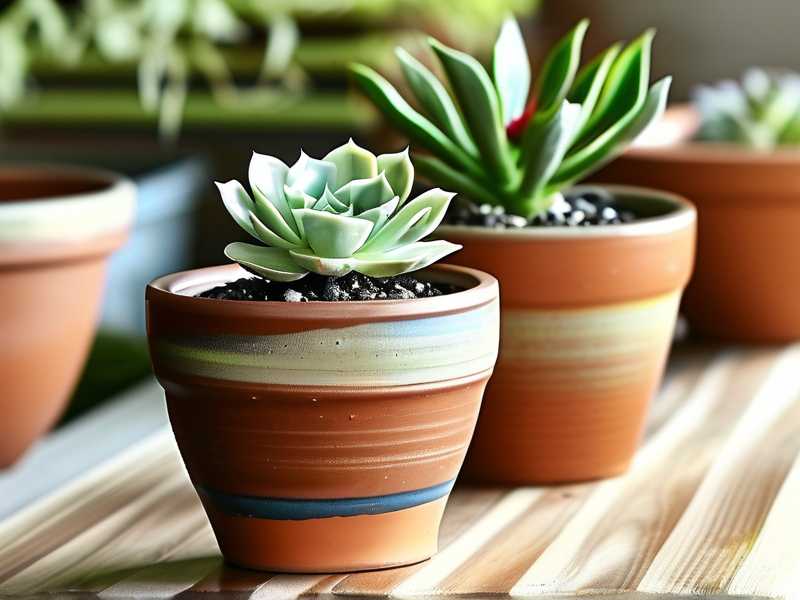
Soil and Containers: Ensuring Drainage Always use a pot with a drainage hole. Terracotta pots are excellent as they wick away excess moisture. Your soil must be gritty and fast-draining. As noted by horticulturist Jane Smith in The Succulent Journal, "A propagation medium in winter should be even more porous than your standard mix to counteract reduced evaporation rates." A commercial cactus mix amended with extra perlite or coarse sand is perfect.
Troubleshooting Common Winter Issues
- Rot: If a leaf or stem turns mushy and black, remove it immediately to prevent spread. This is caused by excess moisture before callusing or during rooting. Ensure better air circulation and drier conditions.
- No Roots/Growth: If nothing happens for a long time, check light levels. Insufficient light halts the process. Increase light duration or intensity. Also, ensure temperatures aren't too cold.
- Etiolation (Stretching): If the baby plant is growing tall and pale, it is desperately seeking light. Move it closer to the light source or extend the daily light period.
FAQ
Can I propagate succulents from leaves in winter without a grow light? It is possible if you have an exceptionally bright, south-facing window that receives direct sun for most of the day. However, success rates will be significantly lower, and growth will be much slower. For consistent results, a grow light is highly recommended during the short days of winter.
How often should I water succulent cuttings in winter? There is no set schedule. Water only in response to root growth and soil dryness. For leaf propagations, wait for roots before introducing any moisture. For stem cuttings, a light watering every 3-4 weeks may be sufficient. Always let the soil dry out completely between waterings.
Why are my succulent cuttings taking so long to grow? Winter propagation is a test of patience. Slower growth is completely normal due to the plant's dormant period and lower light energy. The focus is on establishing a strong root system first. The visible growth above the soil will accelerate as daylight hours increase in spring. This slow start often produces sturdier, more compact plants.
Embracing winter propagation allows you to expand your succulent collection year-round. By mastering the art of providing ample light, practicing extreme restraint with water, and exercising patience, you can turn the quiet season into a period of fruitful creation. Remember, the slow and steady pace of winter growth often builds the hardiest plants, ready to explode with growth when spring finally arrives. Start with a single leaf, adjust your environment, and enjoy the quiet magic of watching new life take root against the winter sky.