bluename
 succulent care for Beginners: A Photo Journal
You’ve brought home a beautiful, plump little succulent, full of promise. It looked perfect on the shelf. But now, weeks later, its leaves are turning yellow, getting mushy, or stretching out weirdly thin. You’re left wondering, “What did I do wrong?” If this sounds familiar, you’re not alone. The journey from succulent admirer to confident plant parent is filled with trial and error. This guide is here to change that. Through a simple, visual photo journal, we’ll demystify the essentials of succulent care for beginners, turning common pitfalls into a path for thriving plants.
Your Visual Guide to the Basics

Think of succulents as the camels of the plant world. They store water in their leaves, stems, and roots, which is their superpower but also the source of most beginner mistakes. The golden rule is simple: more light, less water. Let’s break that down with pictures.
Decoding Light: What “Bright, Indirect Light” Really Looks Like
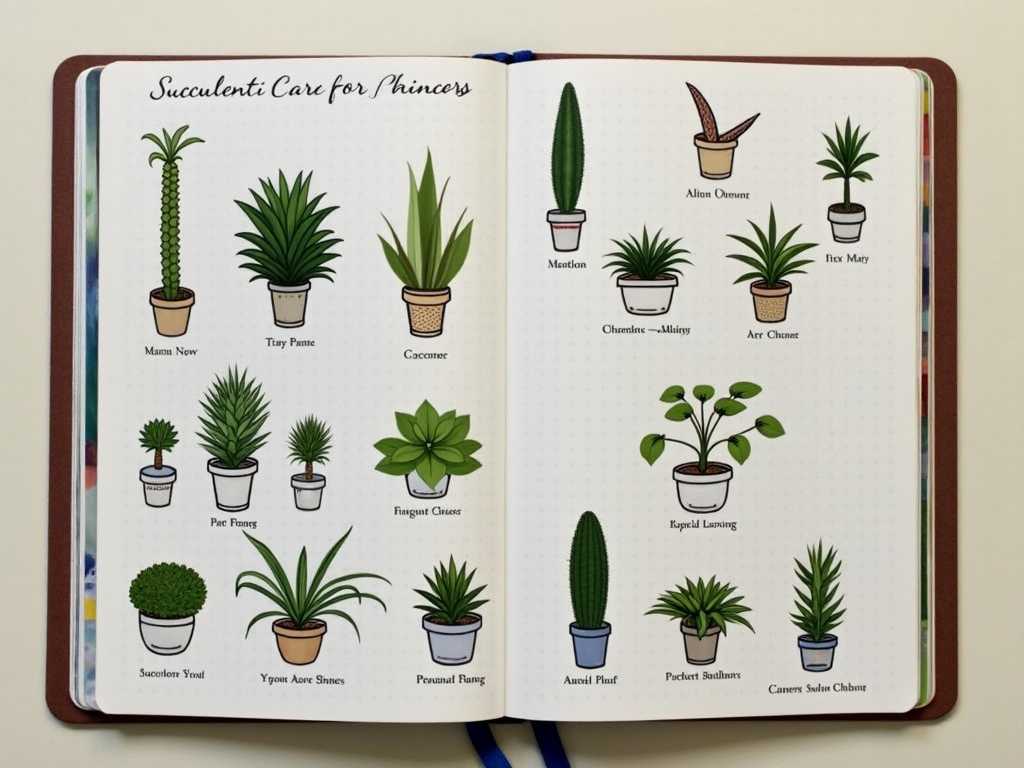
Light is food for your succulent. Without enough, they become weak and distorted.
- The Stretching Problem (Etiolation): Look at this photo. The succulent on the left is compact, with leaves tightly spaced. The one on the right is the same species, but its stem is elongated, and the leaves are sparse. This stretching, called etiolation, is a desperate reach for more light.
- The Ideal Spot: Most succulents crave bright, indirect light for 4-6 hours daily. A south or east-facing windowsill is often perfect. See how the light in this image brightly illuminates the plant without casting a harsh, direct shadow? That’s the sweet spot. A sheer curtain can soften intense afternoon sun.
- Sunburn Alert: Yes, succulents can sunburn! If you move a plant suddenly into direct, hot sun, you might see bleached, brown, or crispy patches on the leaves, as shown here. Always acclimate them gradually to brighter conditions.
Mastering Watering: The Soak and Dry Method
Overwatering is the #1 killer of succulents. Their roots need to breathe and will rot in constantly damp soil.
- Forget the Schedule: Don’t water every Tuesday. Water when the soil is completely dry.
- The Finger Test: Stick your finger about two inches into the soil, as pictured. Is it dry? Good. Is it even slightly damp? Wait.
- How to Water Properly: When it’s time, give your plant a thorough drink. Take it to the sink and pour water evenly over the soil until it runs freely out of the drainage hole. This mimics a desert downpour, encouraging deep root growth. Let it drain completely before returning it to its decorative pot. The photo sequence here shows the process from dry soil to full drainage.
- Signs of Trouble: Yellow, translucent, mushy leaves (like these) signal overwatering. Wrinkled, shriveled leaves indicate underwatering. It’s easier to fix a thirsty succulent than a drowned one.
Choosing the Right Home: Pot and Soil
Your succulent’s pot and soil are its foundation. Getting this right prevents countless issues.
- The Non-Negotiable: Drainage: Every pot must have a drainage hole. This photo compares a healthy root system in a well-draining pot to a rotted one sitting in water. There is no workaround for this.
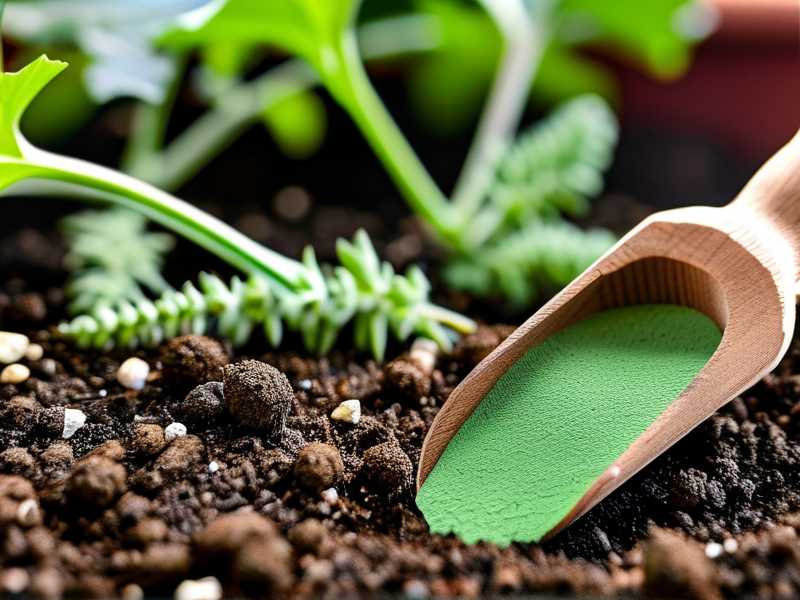
- Soil Matters: Regular potting soil holds too much moisture. You need a gritty, fast-draining mix. A specialist cactus & succulent mix, or a DIY blend of potting soil, coarse sand, and perlite (like the one shown), is ideal. It should look and feel loose and gritty.
- Pot Size: Choose a pot only slightly larger than the root ball. A pot that’s too big holds excess soil that stays wet for too long, risking root rot.
A Month in the Life: My Succulent Photo Journal
Let’s follow “Spike,” a common Echeveria, through his first month of proper care.
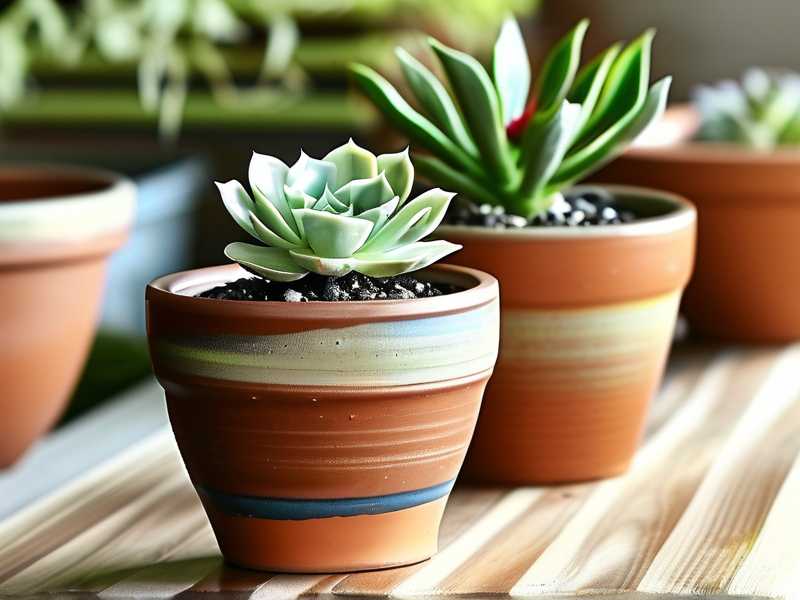
Week 1: The Rescue & Repot Spike was bought from a big-box store. His soil was soggy and dense. Here, I’ve gently removed him, brushed off the old soil, and checked for root rot (squishy, black roots). After trimming any bad roots, I repotted him into a terracotta pot with a drainage hole, using a commercial cactus mix. Terracotta is porous and helps soil dry faster.
Week 2: Finding the Light Spike spent his first week acclimating on my bright east-facing windowsill (photo). You can see the morning light bathing him. His color is already looking more vibrant, and the center is showing new, tight growth.
Week 3: The First Watering The soil is bone dry. I performed the finger test (photo) and then gave him a thorough soak at the sink. You can see the water flowing out of the drainage hole. He’s now back on his shelf, fully drained.
Week 4: Thriving & New Growth Look at the comparison! The side-by-side photo shows Spike from Day 1 to Day 28. The new growth in the center is compact and rosy. The lower, older leaves are firm and healthy. He is clearly thriving on the “soak and dry” method and ample light.
Troubleshooting Through Pictures
Even with great care, issues can pop up. Here’s how to identify and fix them.
- Squishy, Yellowing Leaves? This is overwatering. Stop watering immediately. Check the roots for rot. If present, cut away all rot, let the plant callous over for a few days, and repot in dry, fresh mix. Don’t water for a week.
- Brown, Crispy Leaves? Likely sunburn. Move the plant to a location with gentler, indirect light. The damaged leaves won’t recover, but the plant will grow new ones.
- Little White Fluffy Specks? You might have mealybugs. Isolate the plant. Dab the pests with a cotton swab dipped in rubbing alcohol, as shown in the close-up photo. Check weekly for recurrence.
- Leggy, Stretched Growth? Your plant needs more light. Gradually move it to a brighter location. You can also “behead” it: cut the top rosette off, let it callous, and replant it to start a new, compact plant.
Bringing It All Together
Start with one or two easy succulents like a Jade Plant or a Haworthia. Observe them closely. Let the soil tell you when to water, and let the plant’s shape tell you if it’s getting enough light. Gardening is a practice, not perfection. Every wilted leaf is a lesson learned.
Your Questions, Answered
How often should I really water my succulent? There’s no universal schedule. It depends on your home’s humidity, light, and season. Always use the “finger test” and water only when the soil is completely dry through. In winter, this might mean watering only once a month or less.
Can I use a pot without a drainage hole if I’m careful? It’s highly not recommended. Even with careful watering, water pools at the bottom, creating a perfect environment for root rot. Your best bet is to use a nursery pot with drainage holes and place it inside a decorative cache pot, removing it to water.
Why are the bottom leaves of my succulent dying? A few lower leaves drying up and falling off is often normal, as the plant grows and reabsorbs nutrients from its oldest leaves. However, if many leaves are turning yellow and mushy or falling off rapidly from the top down, it’s a sign of stress, usually from overwatering or poor light.
Remember, these resilient plants are adapted to survive. By providing bright light, infrequent but deep watering, and a well-draining home, you’re simply giving them an environment where they can do more than just survive—they can truly flourish. Grab your phone, start your own photo journal, and watch your green thumb grow.