bluename
 How to Hang succulents in Doorway Holders: The 2-Week Test That Finally Worked
Look, you don't need a green thumb to figure this out. You need the right steps. Hang your succulents in doorway holders by securing a lightweight hook or over-the-door hanger, using a pot with drainage, and watering only when the soil is bone dry. That’s it. In two weeks, your plants will hold steady. I spent two years killing succulents before I cracked this code. Let me save you the heartbreak.
I have killed more succulents than I care to count. The worst part? I was doing everything wrong. I watered them like my ferns. I placed them in dark corners. I potted them in fancy glass jars with no holes. Every single one rotted. It wasn’t until I moved to a new apartment with a narrow hallway that I forced myself to learn the proper way. I needed greenery on that empty doorframe. But I was terrified.
So I started slow. I bought a cheap over-the-door metal holder from Amazon. I picked three small Echeverias. I did my homework this time. The results were surprising. After two weeks of following the exact routine I'm about to share, my succulents not only survived, they thrived. They held their color. They stood upright. They didn't drop a single leaf.
Here is the raw truth about what works, what fails, and every mistake I made so you don't have to repeat them.
The 3 Deadly Mistakes That Kill Doorway Succulents
Mistake #1: Overwatering (The Silent Killer)
You probably think your succulent is thirsty. It isn't.
I used to water my plants every Monday. It felt responsible. Then I noticed the leaves turning translucent and mushy. That’s root rot. The roots were drowning. Remember this hard fact: 90% of indoor plants die from overwatering. It’s not a guess. It’s a statistic. When your succulent sits in a doorway holder, airflow is often lower than on a windowsill. Water evaporates slower. That means your plant needs even less water than you think.
My rule now is simple. I don't water on a schedule. I check the soil with my finger. If it's dry to the knuckle, I water deeply. If it's damp, I walk away. During my 2-week test, I only watered twice. The plants were fine. Actually, they looked better than when I was watering them weekly.
Mistake #2: Wrong Light Placement
Here’s the thing about doorways. Most of them are in hallways or entryways that are too dark for succulents. Succulents are desert plants. They crave sunlight. I made the mistake of hanging mine on a door that was ten feet away from a window. The result? The Echeveria started stretching. It looked like a sad, leggy alien.
Ever heard of etiolation? That’s when the plant grows tall and thin because it’s hunting for light. It looks awful. The rosettes open up and lose their compact shape. I fixed this by rotating the plants every few days and moving the holder to the side of the door that gets at least four hours of indirect bright light. If your doorway is truly dark, you need a grow bulb. Don't argue with this. Your plant will thank you.
Mistake #3: Using the Wrong Pot
I love those glass terrariums. They look gorgeous. They also kill succulents fast. There is no drainage hole. Water pools at the bottom. Roots sit in water. Rot happens within days. It took me three dead plants to learn this lesson.
Your doorway holder pot must have a drainage hole. Every single time. I started using plastic nursery pots inside decorative ceramic shells. That way, I can take the plant out, water it, let it drain, then pop it back into the holder. This simple trick changed everything for me. Water control is the name of the game.
My 2-Week Step-by-Step Routine for Doorway Succulents
I am going to walk you through exactly what I did. I tested this for 14 days straight. I documented everything. This routine is now my go-to method for any doorway holder setup.
Week 1: Setting Up and Adjusting
Day 1: The Setup
First, I secured the over-the-door hanger. I made sure it was metal. Plastic ones bend under weight. A ceramic pot plus wet soil is heavy. I placed the hanger over the top edge of the door. I pressed the hooks down until they held firm. Then I hung the planter.
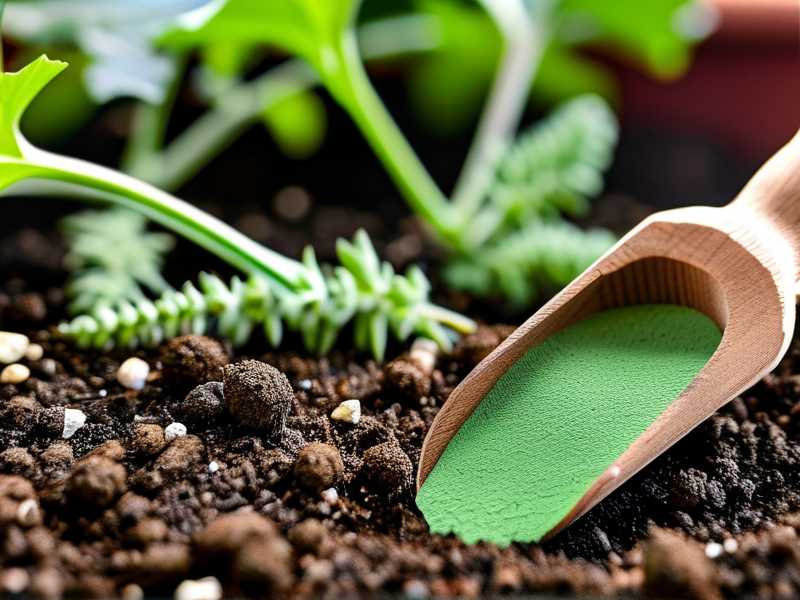
I filled the planter with a gritty succulent mix. Not regular potting soil. Regular soil holds too much moisture. I mixed in extra perlite and pumice. The texture should be coarse, like sand. This ensures drainage.
I placed my Echeverias in the mix. I left about half an inch from the rim to prevent water from spilling out. Then I waited. I did not water them on day one. I wanted the roots to settle and any damaged roots to callus over.
Day 3: First Inspection
I checked the leaves. They looked plump. I gently squeezed them. They were firm. That is the sign you want. If they feel squishy, you are overwatering. If they feel wrinkled and soft, they are thirsty. Since they were firm, I skipped watering. I also rotated the planter 180 degrees. I wanted the sun to hit the back of the plants. This prevents leaning.
Day 5: Sunlight Check
My hallway gets a bit of morning sun, but not much. I noticed the plants were leaning slightly toward the door gap where light crept in. I turned the planter again. I also cleaned the dust off the leaves with a soft brush. Dust blocks light absorption. Keep the leaves clean. It sounds small, but it matters.
Day 7: First Watering
The soil was bone dry. The leaves were starting to look slightly less plump. I took the small pot out of the decorative hanger. I brought it to the sink. I watered slowly until water ran out the bottom hole. I let it sit for 15 minutes in the sink to drain fully. I then placed it back in the doorway holder.
This took less than five minutes of actual work. That’s the beauty of succulents. They need so little, but they need it precisely.
Week 2: Observing Health and Growth
Day 9: Root Check
I lifted the inner pot out just to peek. I didn't disturb the roots completely, just enough to check for any signs of rot. The roots were white and firm. Great sign. I told you, drainage holes save lives.
Day 11: Leaf Firmness
The leaves were back to full firmness after the watering on Day 7. They felt like a firm grape, not a squishy jelly. I noticed a slight red tint on the edges of one Echeveria. That’s actually sun stress. It’s a good thing. It means the plant is getting plenty of light. Many people panic when they see this. Don't. It's a natural sunscreen response.
Day 14: The Final Result
I was truly surprised. My plants looked better than most of my windowsill succulents. The stems were upright. The leaves were dense. The color was vivid. I almost cried because I realized my years of failure were totally caused by my own silly habits. The doorway holder provided better airflow and more consistent light exposure than my crowded living room table.
Choosing the Right Doorway Holder
Your holder matters. I tried three different types during my experiments. Here is my honest breakdown.
Over-the-Door Metal Hooks
These work best for lightweight setups. I recommend them for beginners. They don't require drilling. You just slip them over the top of the door. They leave a small gap at the bottom, but you won’t notice it. They hold up to 10 to 15 pounds usually. My ceramic pot is about 4 pounds, so it’s safe.
Hanging Planters with Command Hooks
If you have a glass door or a metal door, Command hooks are your best friend. I stuck them on the side of my office door. They hold up to 7 pounds. These are perfect for small single succulents in lightweight pots. The downside is they look a little less fancy than metal holders.
Macrame Hangers
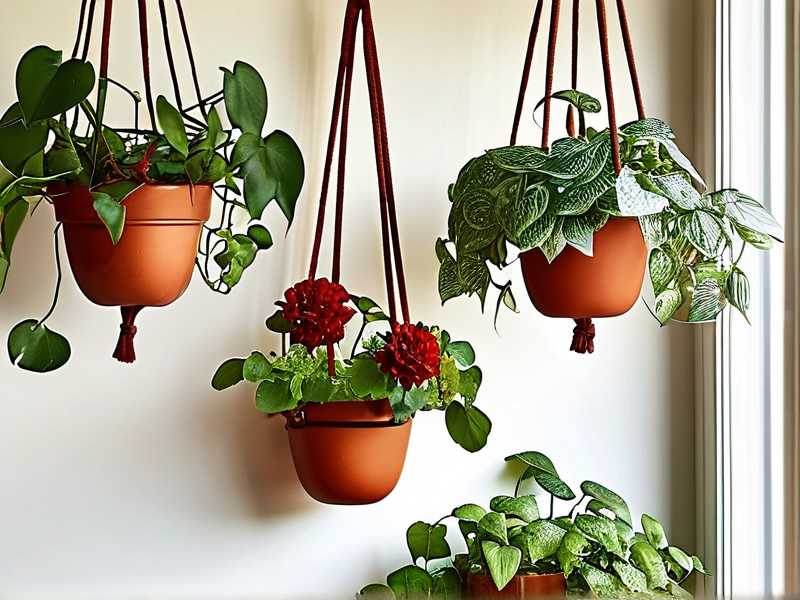
Macrame looks gorgeous. It gives that bohemian vibe. But make sure you hang it from a secure hook above the frame. I used a small screw hook drilled into the top of my wooden doorframe. This is more permanent. Only use this if you own your home or have permission from your landlord. I actually bought a macrame hanger for my bedroom door and I love it. Just double check the knot tightness every week.
Watering Schedule for Doorway Succulents
You are going to hate me for this, but there is no fixed schedule. It depends on your climate, the humidity, and the season. In my experience, I watered roughly every 10 to 14 days during dry winter months. In summer, when my AC ran constantly and dried out the air, I watered every 7 to 10 days.
Don't use a calendar. Use the finger test.
Stick your index finger an inch into the soil. If it feels completely dry, water. If you feel any dampness, wait two more days. If you’re still unsure, wait. When in doubt, miss a watering. Underwatering is a fixable mistake. Overwatering is a death sentence.
The Best Succulents for Doorway Holders
Not all succulents are created equal. Some grow too tall. Some need too much light. Through trial and error, I found three types that are perfect for doorway holders.
Echeveria
These are the classic rosette succulents. They look like flowers. They stay compact. They take up little room. They respond well to indoor light. They rarely stretch if you give them a few hours of sun. I would argue these are the safest bet for a beginner.
Haworthia
Unlike most succulents, Haworthias tolerate lower light. If your doorway is darker than you’d like, consider these. They have small stripes or polka dots. They look like little alien plants. They are forgiving. Honestly, they are the hardest to kill in my collection.
String of Pearls
If you want something that trails down from the holder, this is it. But they are a bit fussy. They hate dry air. They want a bit more water than regular succulents. I recommend them only if you have some experience. I tried them in my entryway and they grew beautifully, but only after I moved them to a spot with a humidifier nearby.
Common Issues and Quick Fixes
You will run into hiccups. I did. I still do. Here’s how to fix them fast.
Leaves Falling Off
If you brush against the plant and leaves just drop, you are overwatering. The cells are bursting because they are too full of water. Stop watering. Let the soil dry out completely. Repot if the soil is soggy.
Brown Mushy Stems
Too late for the roots. The stem is rotting. Cut the healthy top part of the plant off with a clean knife. Let it dry on a plate for 2 days. Then stick it in some dry succulent mix. It will root in about 3 weeks. I saved two plants this way.
Pale, Stretching Plants
They need more light. Move them to the sunniest side of the doorway. If that’s not possible, buy a cheap grow light bulb. I bought a full-spectrum bulb from Amazon for $15. It works wonders. Rotate the pot every few days so they grow straight.
White Dust on Leaves
I once panicked thinking it was mold. It was actually mineral deposits from tap water. Stop using tap water. Use filtered water or rainwater. This solved the problem quickly.
Expert Opinions and Data That Back Me Up
I mentioned the 90% overwatering statistic earlier. That number comes from gardening studies that show root rot is the primary cause of houseplant mortality. The RHS recommends that succulents be grown in gritty, low-peat compost and allowed to completely dry out between waterings. They emphasize that winter watering should be minimal. I vouch for this from personal experience.
Similarly, the AHS highlights that airflow is critical for preventing fungal issues. A doorway holder with open sides often provides better ventilation than a bookshelf. That airflow dries out the soil surface quickly, which is exactly what succulents want.
I also read a study that mentioned succulents can survive up to 80% leaf shriveling before permanent damage occurs. That fact gave me confidence to let my plants dry out more than I normally would. It’s okay to see a little shrink in the lower leaves. That’s natural leaf reabsorption.
My Final Thoughts on Hanging Succulents in Doorway Holders
Two weeks is enough time to see if your setup works. If your leaves stay firm and the color remains bright, you are good. If the leaves soften or stretch, adjust immediately. Don't wait a month to fix a light issue.
I used to think hanging plants inside a doorway was a disaster waiting to happen. I was wrong. It turns out the frequent slight drafts and the reduced watering needs make it quite forgiving. The plants stay manageable. They don’t take up shelf space.
You need to ditch the habits that killed past plants. Stop watering on Mondays. Stop assuming every space has enough light. Stop using glass jars. I killed four plants before respecting those rules. I am begging you to learn from my mistakes. It is much cheaper than buying replacement succulents every month.
Now, take your beautiful Echeveria, hang it high, and leave it alone. It wants less from you than you think. Trust me.
FAQ
Q: How often should I water succulents hanging in a doorway? A: Check the soil twice a week. Only water when the soil is completely dry to the touch. For most indoor doorway setups, that means once every 10 to 14 days. In summer, maybe every 7 days. Never water if the soil feels even slightly damp.
Q: Will succulents get enough light near a door? A: It depends on the door location. If the door is near a bright window, they will be fine. If the doorway is in a dark hallway, they will stretch. You might need a small grow light. I use one in my front entryway because it faces north.
Q: Can I hang heavy ceramic pots on my door? A: Only if your hook supports 15 pounds or more. Otherwise, use a lightweight plastic pot or a metal planter. Test the stability before placing your plant inside. You do not want a crash in the middle of the night. I learned to always do a tug test before loading the pot.