bluename
How to Protect succulents From Bird Pecking
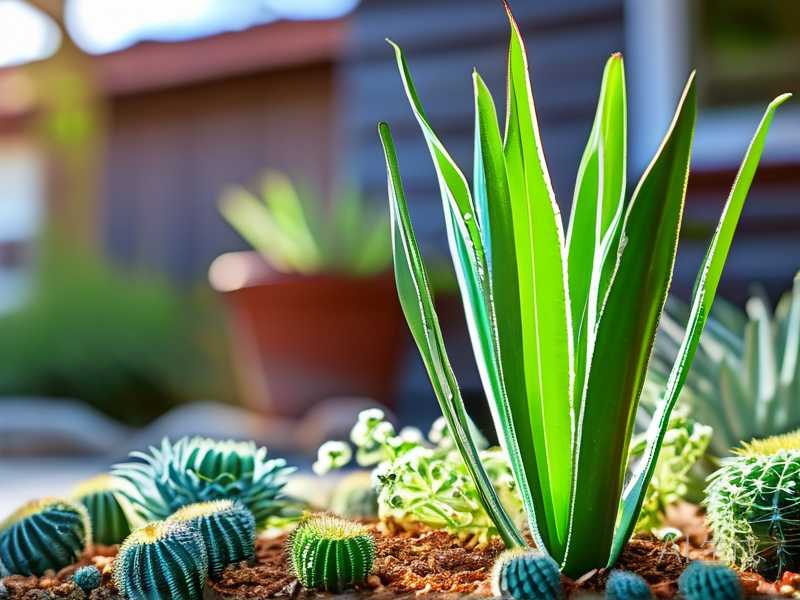
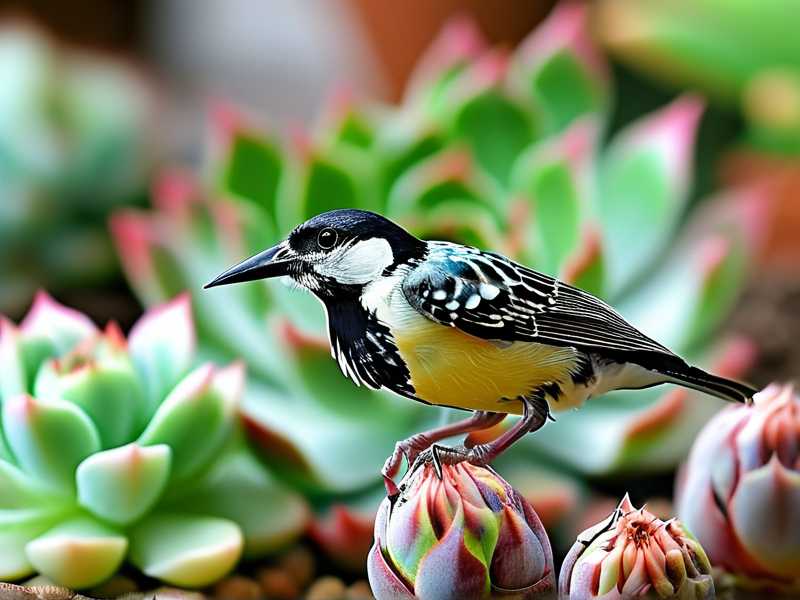
I still remember the morning I walked out to my balcony and found my favorite Echeveria 'Perle von Nürnberg' looking like it had been attacked by a tiny, feathery serial killer. Chunks of leaves were missing. Scratches everywhere. Soil scattered across the pot like a crime scene. I blamed squirrels at first. Then I caught a mockingbird red-handed, pecking at the leaves like it was digging for buried treasure. If you're reading this, you've probably had the same rude awakening. Here's the short answer: birds peck succulents for moisture, insects, or nesting material—and you can stop them with physical barriers, visual deterrents, and a few habit changes. But let's go deeper, because protecting succulents from bird pecking isn't just about throwing netting over everything.
I've been growing succulents on balconies and windowsills for about eight years now. I've killed my fair share—more than I'd like to admit. But bird damage? That one took me three spring seasons to figure out. This guide is everything I wish someone had told me earlier.
Why Birds Peck Succulents in the First Place
You need to understand the "why" before you try to fix the "what." From my experience, birds go after succulents for three main reasons. First, thirst. Succulent leaves hold water, and during dry spells, birds will peck them open just to get a drink. I noticed this most in late summer when my neighborhood had a two-week stretch with zero rain. Second, insects. If your succulents have mealybugs or aphids hiding in the crevices, birds will peck at those bugs and damage the plant in the process. Third, nesting material. Some birds pull off pieces of succulent leaves or stems to line their nests. I've watched sparrows tug at my Sedum 'Burrito' like it was a tiny hardware store.
The Royal Horticultural Society actually notes that birds can cause significant damage to container plants, especially those with fleshy leaves. So it's not just you. It's a real, documented problem.
The First Thing I Tried (And Why It Failed)
My first instinct was to buy one of those plastic owl decoys. I placed it right next to my succulent shelf. For two days, nothing. On the third day, I watched a blue jay land directly on the owl's head and then hop over to my Graptopetalum. So yeah, that was a waste of eighteen dollars. Birds in urban and suburban areas are smart. They figure out stationary decoys fast.
What Actually Worked: My Two-Week Experiment
After the owl disaster, I committed to a two-week test. I set up three different protection methods on three separate groups of succulents. Group one got bird netting draped loosely over a wire frame. Group two got reflective tape tied to bamboo stakes. Group three got a shallow dish of water placed nearby as a decoy water source. I checked every morning and evening for peck marks.
Week one: The netting group had zero damage. The reflective tape group had minor damage on day two and three, then nothing after the birds seemed to get used to it—or maybe they just moved on. The water dish group still had two pecked leaves.
Week two: Netting still perfect. Reflective tape group had one new peck on a jade plant. Water dish group had no new damage, but I think that's because the birds found the dish and stopped pecking the plants for moisture.
Bottom line? Physical barriers beat everything. But you can combine methods for better results.
Physical Barriers: The Most Reliable Method
If you want to know how to protect succulents from bird pecking without losing your mind, start here.
Bird netting is cheap and effective. You can find it at most garden centers or online. Drape it over a simple frame—I use bent wire hangers or bamboo stakes—so it doesn't rest directly on the leaves. You want about two to three inches of clearance. Otherwise, birds can still peck through the netting. I learned that the hard way with my first netting attempt.
Floating row covers work too, especially for ground-level succulent beds. They're lightweight and let in light and air. Just anchor the edges with rocks or landscape staples.
For individual pots, I've had good luck with mesh cloches. They look a bit like small tents. You can DIY them with window screen material and a few wooden skewers. Not the prettiest solution, but it works.
Visual Deterrents: Hit or Miss, But Worth Trying
Reflective tape, old CDs hanging from string, pinwheels—these can help. But here's the thing. Birds get used to them. I've found that moving them every few days makes a big difference. If the reflective tape stays in the same spot, birds learn it's not a threat.
I also tried a motion-activated sprinkler once. It worked great for about a week. Then the birds figured out they could just fly around it. Plus, my neighbors thought I was losing it. Not worth the drama.
Scare tape is another option. It's shiny, crinkly, and makes noise in the wind. I've used it on balcony railings with moderate success. Pair it with netting for the best results.
Habitat Modification: Make Your Space Less Attractive
This is the part most people skip. Birds peck succulents because your space offers something they want. Remove that something, and they'll go elsewhere.
First, get rid of standing water. I know it sounds counterintuitive, but if you have a birdbath right next to your succulents, you're basically running a bird café. Move water sources at least ten feet away. Or better yet, put a birdbath on the opposite side of your yard. Give them what they want, just not where you don't want them.
Second, control insects. If birds are pecking your succulents to get at bugs, deal with the bugs. I use a simple mix of rubbing alcohol and water in a spray bottle for mealybugs. For aphids, a strong blast of water usually does the trick. Neem oil works too, but don't apply it in direct sun. I made that mistake once and fried a whole tray of cuttings.
Third, clean up fallen leaves and debris. Birds rummage through leaf litter looking for insects. If your succulent area is tidy, they're less likely to hang around.
The Three Biggest Mistakes New Growers Make
I've made all of these. Every single one. So learn from my pain.
Mistake one: overwatering. I can't say this enough. 90% of indoor plants die from overwatering. And overwatered succulents attract fungus gnats, which attract birds. It's a whole chain reaction. Let your soil dry out completely between waterings. I mean completely. Stick your finger in the soil up to the second knuckle. If it's even slightly damp, wait.
Mistake two: wrong light. Succulents need bright, indirect light. If they're stretched out and pale, they're not getting enough. If they're scorched and crispy, too much direct sun. I killed a beautiful Haworthia by putting it on a south-facing windowsill in July. It turned into soup. The American Horticultural Society recommends at least six hours of bright light for most succulents, but filtered light is often better than blazing sun.
Mistake three: wrong pot. Terracotta is your friend. Plastic is not. Terracotta wicks moisture away from the soil. Plastic traps it. I used to think cute ceramic pots were worth the risk. They're not. Not unless they have a drainage hole the size of a quarter. And even then, be careful.
Soil, Watering, and Fertilizing: The Basics That Prevent Problems
Healthy succulents resist bird damage better than stressed ones. It's that simple.
For soil, I use a mix of three parts potting soil, two parts perlite, and one part coarse sand. That gives you fast drainage. If you buy commercial cactus mix, add extra perlite. Most commercial mixes are too heavy.
Water deeply but infrequently. In summer, I water every ten to fourteen days. In winter, every three to four weeks. Always water the soil, not the leaves. Wet leaves can rot, and wet soil attracts pests.
Fertilize sparingly. I use a diluted liquid succulent fertilizer once in spring and once in early summer. That's it. Over-fertilizing causes weak, sappy growth that birds love to peck. Trust me on this one.
Seasonal Care: What Changes and When
Spring is for growth. Repot if needed. Trim dead leaves. Start watering a bit more. This is also when birds start nesting, so get your netting up early.
Summer is for vigilance. Watch for heat stress. Provide shade cloth if temps go above 85°F. Keep the water dish far away. Check for pests weekly.
Fall is for preparation. Reduce watering. Stop fertilizing. Clean up fallen leaves. Bring tender succulents indoors before the first frost.
Winter is for rest. Most succulents go dormant. Water very sparingly. Keep them in a cool, bright spot. Don't fertilize. And if birds are still around, keep your barriers in place. I've had birds peck at indoor succulents through window screens. Determined little things.
Frequently Asked Questions
Do coffee grounds keep birds away from succulents? Not really. I tried it. The birds didn't care. Coffee grounds can also mold, which isn't great for succulents.
Will fake snakes work as a bird deterrent? Only if you move them regularly. Otherwise, birds figure it out. I've had better luck with reflective tape and netting.
Can I use bird repellent spray on succulents? You can, but test it on one leaf first. Some sprays can burn succulent leaves, especially in direct sun. I prefer physical barriers over sprays.
At the end of the day, protecting succulents from bird pecking is about consistency. You can't set up netting once and forget it. You have to check it, adjust it, and combine methods. But once you find what works for your space, it becomes second nature. And your succulents will thank you with plump, unpecked leaves.