bluename
How to Water succulents in Mediterranean Climates
If you live in a Mediterranean climate and you’re struggling with mushy, yellowing succulents, the answer is simple: water deeply, but only when the soil is completely bone dry, and adjust your schedule with the seasons. I learned this the hard way after killing more plants than I care to admit. Honestly, 90% of indoor plants die from overwatering, and succulents are the absolute worst victims of our good intentions. My name is not attached to any horticulture degree, but I’ve spent years growing these fleshy beauties on sun-baked patios and drafty windowsills, and I’ve got the scarred thumbs to prove it. Let me save you the heartbreak.
I’ve lived in a coastal area with hot, dry summers and wet, mild winters—a classic Mediterranean setup. It sounds dreamy, but it’s actually a tricky zone for succulents. The heat bakes the soil fast, but the winter dampness can rot roots overnight. Over the years, I’ve developed a foolproof rhythm that keeps my Echeverias plump and my Lithops alive. In this guide, I’m sharing my exact process, the mistakes I made, and the two-week observation window that changed everything for me.
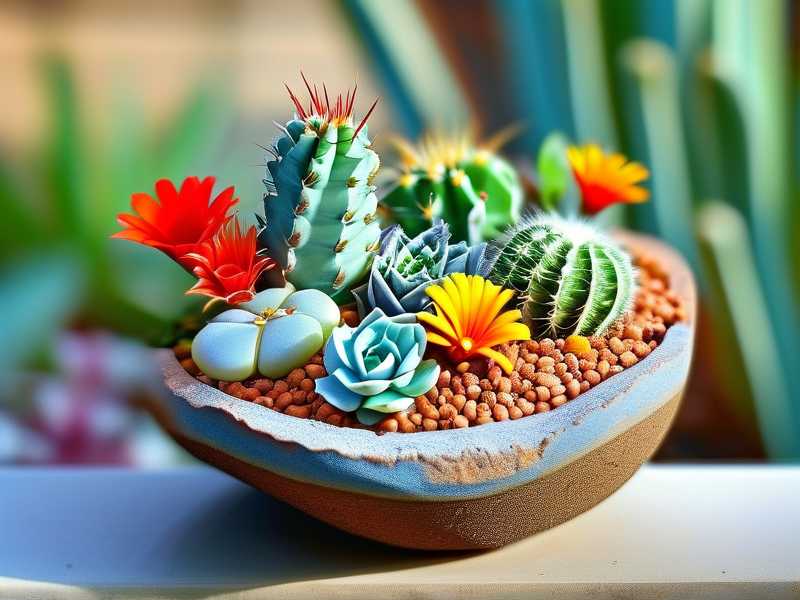
The biggest myth is that succulents need a sip of water every few days. That’s nonsense. In a Mediterranean climate, the key is to mimic the natural downpour followed by a drought. I water heavily, let the excess drain completely, then refuse to touch the pot again until the soil feels like a dry cracker. It took me two weeks of disciplined tracking to see the real difference, and now my plants practically thrive on neglect.
The Three Deadly Mistakes Newbies Always Make
Before I give you my watering schedule, let’s address the elephants in the room. I’ve made every single one of these mistakes, and I’ve seen countless forum posts from others doing the same. Avoid these three pitfalls, and you’re already 80% ahead of the game.
Mistake #1: Watering on a Fixed Calendar Schedule I used to water my succulents every Monday morning, like clockwork. I thought I was being responsible. In reality, I was drowning them. Mediterranean temperatures swing wildly. A Monday in March might be rainy and cold, while the next Monday could be 85°F and windy. Your succulent doesn’t care what day it is. It cares about the moisture content of the soil. If you water on a schedule, you’ll hit a week where the soil is still wet from rain, and that’s a one-way ticket to root rot.
I killed three beautiful Aeoniums before I realized this. They looked fine on top, but the roots were black and slimy. The fix was simple: I threw away my calendar and started sticking my finger into the soil. Put your finger two inches deep. If you feel any moisture, walk away. Come back in three days. Seriously, walk away.
Mistake #2: Getting the Light Angle Wrong People think succulents love scorching sun all day. They do, but not the way you think. In a Mediterranean summer, the afternoon sun is brutal—it can actually cook your plant’s roots inside a terracotta pot. I had a gorgeous String of Pearls that turned into crispy bacon because I left it on a south-facing wall in July. The leaves literally shriveled from sunburn while the soil was still damp on the inside. That’s the tricky part about hot climates: the top dries fast, but the bottom stays wet.
The solution is to give them bright morning sun and shade during the hottest four hours of the afternoon. I moved all my pots to an east-facing balcony, and the difference was incredible. They grew compact and colorful instead of stretching out and looking pale. If you don't have a shady spot, use a sheer curtain or a shade cloth. Your plants will thank you.
Mistake #3: Using the Wrong Pot Without Drainage This one seems basic, but I can’t tell you how many cute pots I bought with no holes. I was a sucker for those little glass terrariums and ceramic animals. My first succulent lived in a glass bowl because it looked cool. It died within three weeks. The water pooled at the bottom with no escape, and the roots literally stewed.
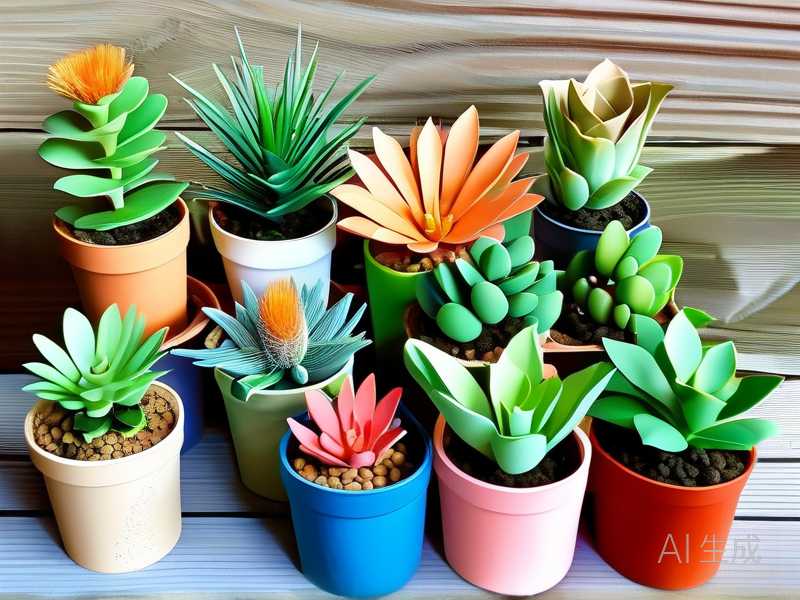
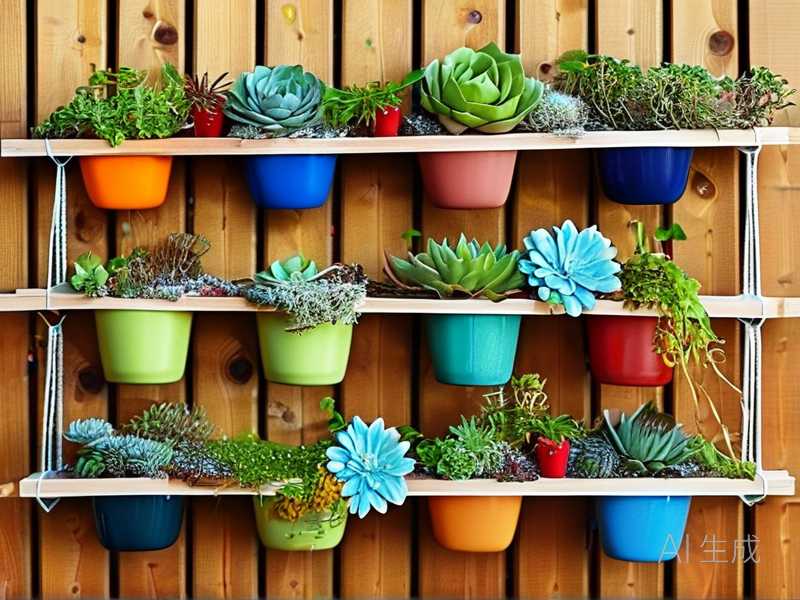
You need a pot with at least one drainage hole, period. Terracotta is my favorite because it’s porous and wicks moisture away from the roots, which is perfect for our humid winters. Plastic pots retain moisture, which is dangerous in coastal areas like San Francisco or Athens. If you fall in love with a pot without holes, use it as a decorative outer sleeve. Plant your succulent in a cheap plastic nursery pot, then slip it inside the cute one for looks. Just remember to empty the outer pot of any standing water after you water.
My Step-by-Step Watering Routine (With a 2-Week Observation Log)
After killing my fair share of plants, I developed a strict routine. I stuck to it for two solid weeks and tracked the results daily. The change was dramatic. My plants stopped dropping leaves, the colors deepened, and the roots grew stronger. Here’s exactly what I do, step by step.
Step 1: Check the Soil, Not the Leaves I used to rely on wrinkled leaves to tell me when to water. That’s too late. By the time the leaves wrinkle, the plant is already stressed and will take weeks to recover. Instead, I probe the soil. I use a wooden chopstick—a sushi takeout tool works perfectly. I stick it all the way to the bottom of the pot. If it comes out clean and dry, it’s time to water. If it has any damp dirt stuck to it, I wait.
One time, I checked a pot and the top two inches were bone dry, but the chopstick came out muddy. That was a wake-up call. The bottom was still soaked from a rainstorm three weeks prior. If I had watered then, I would have lost another plant. Don’t trust the topsoil. Check the bottom.
Step 2: Water Deeply and Thoroughly When it’s time, I don’t just drizzle a little water around the base. That encourages shallow, weak roots. I water until water comes pouring out of the drainage hole. I use a watering can with a narrow spout and soak the entire soil surface evenly. For larger pots, I put them in the sink and let the water run through for a good minute. This flushes out accumulated salts and ensures the entire root ball gets hydrated.
For my indoor succulents, I do this in the kitchen sink. I let them sit for about 10 minutes to ensure all the excess water has drained. Then I move them back to their sunny spots. Never, ever let a succulent sit in a saucer of water. That is an instant death sentence.
Step 3: The Drying Period Here’s where the magic happens. After that deep watering, I put the plant back and completely ignore it. I don’t mist it. I don’t move it. I don’t even look at it like I miss it. In the summer, I wait at least 10 to 14 days before I even think about checking the soil again. In the winter, I might wait three to four weeks.
The soil needs to go through a full wet-to-dry cycle. This is called "deep watering and infrequent", and it mimics the natural desert rain. The roots get a big drink, then they have to search for moisture as the soil dries, which makes them stronger. In a Mediterranean climate, the summer sun does half my job for me. The pot heats up, the moisture evaporates, and the roots stay dry and happy.
My 2-Week Observation Log I want to share exactly what I saw when I tested this routine on my Echeveria 'Lola' and a Jade plant (Crassula ovata) during a hot, dry August. This will give you a realistic timeline.
- Day 1: I watered both plants deeply in the morning. The exhausted water drained out within 30 seconds. I placed them back on my east-facing windowsill. The soil felt like a wet sponge.
- Day 3: I checked the soil with my chopstick. It came out slightly damp on the bottom half. The leaves were firm and plump. I did nothing.
- Day 7: The topsoil was completely dry and cracked slightly. The chopstick test showed only a speck of moisture at the very bottom. The leaves looked slightly less puffy but still upright. I resisted the urge to water.
- Day 10: The chopstick was 100% dry. The Echeveria leaves had lost some of their firmness but were still solid, not wrinkly. I noticed the Jade plant’s leaves had developed a faint red blush on the edges—a sign of mild stress that is actually desirable for color.
- Day 14: I finally decided to water. The Echeveria leaves were just beginning to soften at the base, which told me I had reached the edge. The Jade plant looked absolutely perfect. I gave them a deep soak again.
The results after those two weeks were clear: the roots had filled the bottom of the pot because they were searching for water. The plants were compact and colorful. Better yet, I hadn’t lost a single leaf to rot. This cycle—dry, soak, dry, soak—is the golden rule for our climate.
Seasonal Adjustments for Our Unique Climate
A Mediterranean climate is defined by hot, dry summers and cool, wet winters. But no two months are the same. Here is how I tweak my watering based on the season.
Summer (June–August): This is when succulents are most active. The heat evaporates water quickly, so you might need to water more frequently—maybe every 7 to 10 days. But check the soil first. If it’s still moist in the middle on day 7, wait. I also make sure to water in the early morning or late evening to avoid shocking the roots with cold water on hot soil. It sounds weird, but cold water on hot terracotta can cause the pot to crack, and cold water can literally freeze the root hairs in a heated pot. Just use room-temperature water.
Autumn (September–November): The weather cools down, and the days get shorter. This is the transition period. I start stretching my watering intervals by a few days. The soil just doesn’t dry as fast. I usually cut my watering frequency down to once every two to three weeks, depending on rain. If we get a heavy fog event, I skip watering altogether. The humidity in the air is often enough.
Winter (December–February): This is the danger zone. It’s wet, cold, and gloomy. Most succulents are dormant, meaning they aren't growing. They require almost no water. I stop watering my outdoor succulents completely if we get regular rain. For my indoor ones, I might water once every four to six weeks. Just a tiny splash to keep the roots from completely desiccating. If the soil stays wet for over a week, that’s a huge red flag. I actually bring a few of my delicate pots under the eaves of my roof to keep them dry. Wet feet during a cold snap is a recipe for mush.
Spring (March–May): This is the growing season again. As the sun gains strength, I slowly increase watering frequency. I do a big soak in early March to wake everything up. Then I resume the drying cycle. Spring is also the best time to repot, so I often water a bit less after repotting to let any damaged roots heal.
How I Deal with the Humidity Issue
One thing people don’t talk about enough is the damp, coastal fog. In places like San Francisco or Lisbon, you get morning fog that feels like a drizzle. This keeps the soil moist even when you haven't watered. I learned that I have to factor in environmental humidity, not just my watering can.
If my pots are outside and I see morning condensation on the leaves, I know the air is moist. I’ll add an extra three days to my drying period. Sometimes, I’ll scrape off the top inch of the potting mix to let the lower layers dry out faster. If you choose to use topdressing like pebbles or gravel, remove them in winter. They trap moisture in the soil like a lid.
The RHS Perspective on Growing Succulents
To back up my hands-on experience, I always check what the experts say. The Royal Horticultural Society (RHS) notes that the most common cause of houseplant death is, without a doubt, overwatering. They emphasize that succulents have specific needs that often contradict our instincts. They advise that the leaves should be the last indicator, not the first, and that the potting medium is just as important as the water itself.
They recommend using a gritty, free-draining mix. I remember reading their advice and realizing my mistake: I was using regular potting soil. It held onto moisture like a sponge. I switched to a mix with one part coarse sand, one part perlite, and two parts potting soil. The roots finally got the oxygen they needed. The RHS also stresses that you should never let the pot sit in a saucer of water, which aligns perfectly with my own fatal failures. Their guidance supports the fact that "thirsty" succulents are much better than "happy" ones.
For our friends across the pond, the American Horticultural Society (AHS) also champions the "right plant, right place" philosophy. They often highlight how the microclimate around your house—whether it’s near a brick wall that retains heat or a shady porch—affects how fast the soil dries. I found this to be true. The pots under my large olive tree dry out two days slower than the ones on the open patio. I have to treat them differently, even if they are the same species. Keep an eye on your specific spots.
Fixing Common Problems After the Drying Cycle
Even with the perfect watering schedule, things can go wrong. Here are the exact problems I’ve encountered and how I fixed them.
Problem: Leaves Turning Yellow and Translucent This is the classic overwatering symptom. The leaves feel mushy and look like they’re full of water. I saw this on my Haworthia last winter. If this happens, the damage is sometimes already done. Immediately take the succulent out of the pot. Shake off all the soil and inspect the roots. Black, mushy roots are dead. Use sterilized scissors to cut them off. Leave the plant out on a paper towel for two days to callus over. Then, repot in fresh, dry soil. Do not water for at least a week. I saved my Haworthias this way, but barely.
Problem: Leaves Shriveling Up Like Raisins This seems counterintuitive, but underwatering looks like shriveled, dried leaves. Usually, this happens if you are too scared of watering. I did this with a Portulacaria afra once, thinking I was being tough. The leaves got thin and brittle. The fix is a deep soak. If the pot is bone dry and the soil has pulled away from the edges of the pot, the water will just run down the sides and drain out without wetting the bad soil. I fix this by submerging the entire pot in a sink full of water for 20 minutes. This bottom-watering technique rehydrates the soil evenly.
Problem: Edema or Scars on the Leaves If you see little brown scabs or corky patches, that’s a sign of inconsistent watering. I used to flood my plants after long droughts, and the sudden water intake would burst the cells. It’s like a plant stretch mark. It’s not deadly, but it’s ugly. To avoid this, I try to water a little more regularly during the active growing season rather than going through extreme wet-dry cycles. Just a bit more consistency.
Tools That Made My Life Easier
I don't use fancy gadgets, but a few simple tools made a world of difference.
- The Moisture Meter: I bought a cheap one from Amazon for $10. It’s a metal probe that sticks into the soil. It gives me a numeric reading of moisture. It’s not foolproof, but it takes the guesswork out of the chopstick method. I still use my finger for small pots, but the meter is great for 8-inch pots and larger.
- Terra Cotta Pots: I mentioned these before. They are my absolute heroes. They allow the soil to breathe. I stay away from glazed ceramic pots in the winter because they trap the water.
- The "Plumpness" Test: I gently squeeze the sides of the leaves between my thumb and index finger. If they feel springy and firm, they have enough water. If they feel flat and give a little, that’s my signal to start checking the soil. This takes a bit of practice, but it’s reliable.
Can I Use Tap Water?
Yes, but with a caveat. In hard water areas, the salts and minerals build up in the soil over time. I noticed white crusty deposits on my pots. This can burn the roots eventually. My house has hard water, so I switched to collected rainwater for my succulents. If you can’t collect rain, leaving tap water in an open container for 24 hours helps dissipate some of the chlorine. Honestly, unless your water is excessively alkaline, occasional tap water won't kill them instantly. But for the long haul, rain or filtered water is better.
Wrapping Up My Advice
Watering succulents in a Mediterranean climate is not about a fixed schedule. It’s a game of observation. For me, the biggest shift happened when I started to think about watering as a feast-or-famine event. I stopped being a helicopter plant parent and became a dispassionate water supplier. I check my plants once a week. I check the soil. I check the leaf firmness. And then I leave them alone.
The moment you make peace with the fact that succulents prefer to be dry—really dry—is the moment they start thriving. You don't need to be an expert. You just need to have a little patience and a good drainage hole.
Frequently Asked Questions
Q1: How do I know if I’m overwatering my succulent? The first sign is translucent, yellow leaves. The soil will also stay damp for a long time. If the stem feels soft and wobbly, the rot is already in the roots. Cut the rotted parts off, let the plant dry out, and repot it in fresh, dry soil. Avoid watering for two weeks.
Q2: What temperature water should I use for my succulents? Use room temperature water. Cold water shocks the roots, especially in a warm climate. Hot water can cook them. I fill my watering can and let it sit for an hour to adjust to the ambient temperature before pouring.
Q3: Is it okay to water succulents at night? If you can manage it, water in the morning. This gives the leaves time to dry out during the day. If water sits on the leaves overnight in a Mediterranean climate, it can cause fungal rot due to the high humidity and cooler nighttime temps. Morning watering is your safest bet.
My Final Thought: If you’re feeling confused, just remember this phrase: “Wait until dry, soak until wet.” It has never failed me. Track your plants for two weeks. You’ll learn their rhythm, and you’ll finally see them plump up and glow with good health. You’ve got this.