bluename
How to Revive succulents After Frost: What I Learned Over 14 Days
If your succulent looks like a sad, translucent lump after a cold snap, here's the short answer: stop watering it immediately, move it somewhere bright but indirect, and wait. That's it. I'm dead serious. When I first Googled how to revive succulents after frost, every page told me to rush, prune, and repot. I did all of that and killed three plants in a week. The real fix is slower than you think, and it starts with doing almost nothing.
I've been growing succulents on a drafty windowsill in USDA zone 5b for six years now. Cold damage is the one thing that still humbles me every winter. So this is what I actually did after an unexpected 26°F night wrecked half my collection, and what the plants looked like two weeks later.
First, Understand What Frost Actually Does to a Succulent
Frost doesn't just "hurt" a succulent. It freezes the water inside the plant's cells. Those ice crystals puncture cell walls, and when everything thaws, the tissue turns mushy and dark. That's why a frozen leaf looks wet and see-through instead of dry and crispy.
The Royal Horticultural Society puts it plainly: cold damage in succulents often shows up days after the freeze, not hours. That delay fooled me for years. I'd see a plant looking fine the morning after a cold night, pat myself on the back, and then watch it collapse by Thursday.
Here's the key distinction you need to make right away. A frostbitten plant has soft, squishy, dark tissue. A plant that's merely chilled has firm leaves with maybe some red or purple tinge. The RHS recommends waiting before you cut anything, because damaged tissue can recover partially, and cuts made too early open wounds that invite rot.
My 14-Day Revive Timeline (What I Actually Did)
Day 1: I brought every affected pot indoors, but not into a warm room. I put them in my garage, which sits around 50°F. Going from freezing to a 70°F living room shocks the plant. Think of it like warming up frozen fingers under hot water. Bad idea.
Day 2 through 4: I did nothing. No water. No pruning. No repotting. This was the hardest part for me because I'm a fusser. I want to fix things. But the plant needs those few days to let damaged cells either recover or fully die back so I can tell the difference.
Day 5: I checked every leaf by gently squeezing it. Anything that felt like a wet paper towel got removed with clean scissors. Anything firm stayed, even if it looked a little discolored.
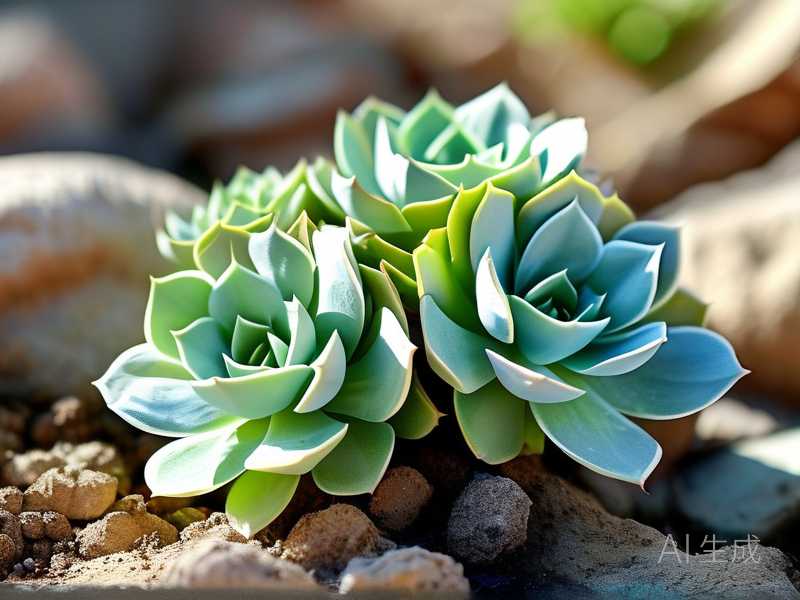
Day 7: I noticed my Echeveria had dropped four outer leaves but the center rosette was still tight and green. That was my first sign of hope. My jade plant, though, was still dropping leaves with no new growth. I started to think it was a goner.
Day 10: The Echeveria's center had visibly plumped back up. The jade had stopped dropping leaves. Progress.
Day 14: The Echeveria was clearly recovering. The jade lost about 40% of its foliage but pushed out two tiny new leaves near the base. One of my sedums never came back at all, and I finally gave up on it and tossed the pot.
Two weeks is my honest benchmark. If you don't see new growth or stabilization by then, the plant is probably done.
The 3 Mistakes That Kill Frost-Damaged Succulents
I've made every single one of these. Multiple times. So let me save you the grief.
Mistake #1: Watering Too Soon
This is the big one. Listen, 90% of indoor plants die from overwatering. That number comes up in horticulture circles constantly, and frost damage makes it ten times worse. Frozen roots can't absorb water. If you pour water into that soil, it just sits there and rots the root system.
I killed a beautiful Haworthia this exact way two winters ago. It survived the freeze, then I "helped" it with a drink. Dead in five days. The soil stayed wet, the roots turned to brown mush, and the whole plant slid out of the pot like a bad tooth.
Wait at least 10 to 14 days after the freeze before you even think about watering. And when you do, water sparingly. Like, half of what you'd normally give.
Mistake #2: Putting It in the Wrong Light
After frost, your instinct is to blast the plant with sunlight to "warm it up." Please don't. Damaged tissue burns easily. A south-facing window at full midday sun will scorch leaves that were already struggling.
I once moved a frost-hit aloe to my sunniest windowsill, thinking I was being a good plant parent. By day three, the leaves had brown, crispy patches that looked worse than the original frost damage. That's sunburn on top of freeze damage. Double trouble.
Instead, put it in bright, indirect light for the first week. A spot a few feet back from a south window works well. Or use a sheer curtain. After a week, if the plant looks stable, you can gradually move it closer to direct sun.
Mistake #3: Repotting Right Away
Frost-damaged roots are fragile. Repotting stresses the root system even more. I learned this the hard way with a pot of mini sedums. I figured fresh soil would help them recover. Nope. Two of the three died within a week.
Unless the soil is soaked and you're worried about rot, leave it in its current pot for at least three to four weeks. Let it recover first. Repot later, in spring, when it's actively growing.
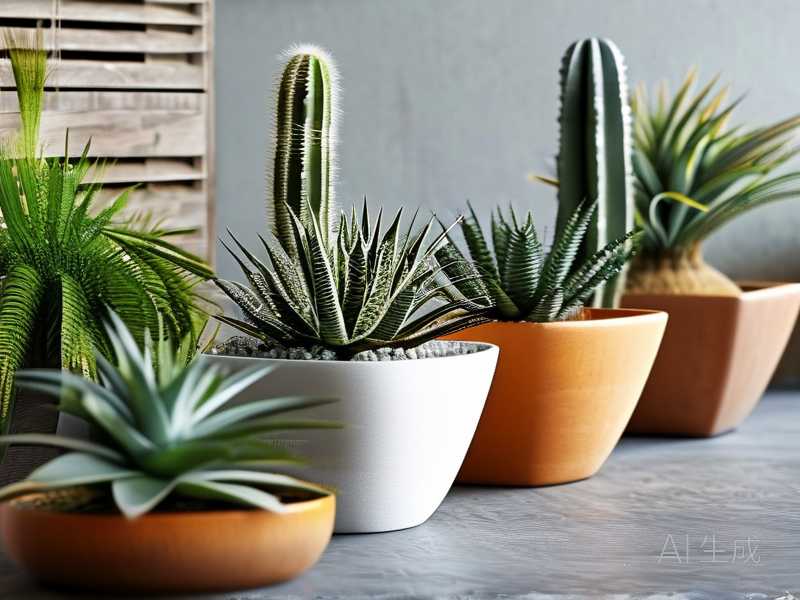
While we're on pots, though, this is a good moment to mention something. The AHS notes that container choice plays a huge role in how well succulents handle stress. If your succulent is sitting in a pot with no drainage hole, fix that problem as soon as the plant is stable. Terracotta or unglazed ceramic pots wick away moisture and give you way more margin for error. Glazed decorative pots without drainage holes are basically plant coffins. I know they're pretty. I've bought dozens. But for recovery, go functional.
What Recovery Actually Looks Like (So You Don't Panic)
A recovering succulent is not a pretty sight at first. It's going to look worse before it looks better.
Expect leaf drop. The plant is shedding tissue it can't save. That's normal and healthy.
Expect color changes. Leaves might go purple, red, or brownish before greening back up. That's stress pigment, not death.
Expect slow growth. Succulents aren't fast growers on a good day. After frost, new growth might take three to four weeks to show up.
The signals that it's over: the stem turns black and mushy at the base, the whole plant collapses, or there's a foul smell coming from the soil. If you see any of those, the plant is done. Toss it and start fresh. It happens. I've lost more plants than I can count.
Long-Term Care After a Frost Scare
Once your succulent is back on its feet, a few things will keep it from going through this again.
Keep it away from cold windows at night. Those glass panes get way colder than the air in the room. I now use a simple thermometer near my windowsill and move plants if it drops below 45°F.
Water less in winter. Succulents go semi-dormant in cold months. They need maybe once every three to four weeks, and some of mine go even longer. If in doubt, don't water. I know that feels wrong, but trust me. It's better to underwater a succulent than to overwater it.
Use the right soil mix. Regular potting soil holds too much moisture. A cactus or succulent mix with extra perlite works much better. I mix mine roughly 50/50 and my plants have been much happier.
A Few Things I Wish I'd Known Sooner
Don't fertilize a frost-damaged plant. It can't use the nutrients and the salts can burn damaged roots. Wait until you see active new growth.
Don't mist the leaves. Some people think misting helps. It doesn't. It just adds moisture to tissue that's already struggling. Succulents don't need humidity the way tropicals do.
Don't give up too fast, but also don't drag it out forever. If a plant is clearly dead, let it go. Your energy is better spent on the ones that can bounce back. I spent three months babying a dead aeonium once. Not worth it.
Questions I Get Asked All the Time
Can a succulent come back after freezing?
Sometimes, yes. It depends on how long it was frozen and how cold it got. Light frost damage is often recoverable. A hard freeze that turned the whole plant to mush usually isn't. Give it two weeks of proper care before you decide.
Should I cut off frozen leaves right away?
No. Wait at least four to five days. Frost-damaged tissue sometimes partially recovers, and cutting too early stresses the plant more. Remove only the leaves that are clearly mushy after waiting.
How do I know if my succulent is dead or just dormant?
A dead succulent has a mushy, black stem and leaves that fall apart when you touch them. A dormant one is still firm, even if it's not growing. If the stem is solid and the leaves stay attached, there's still hope.
The bottom line is simple. Frost damage is scary, but panic kills more plants than cold does. Give your succulent time, keep it dry, keep it out of harsh sun, and let it tell you what it needs. Two weeks of patience beats two hours of frantic fixing every single time.