bluename
How to Prevent Soil Erosion in Succulent Planters: A Hands-On Guide for Real Home Gardeners
I still remember the day I tilted my favorite ceramic planter and watched half the soil slide out across my porch. That was the moment I realized how to prevent soil erosion in succulent planters isn't just a cosmetic concern — it's the difference between thriving plants and a messy, heartbreaking failure. If your succulents look wobbly, your soil washes away every time you water, or you keep finding grit on your windowsill, you're in the right place. I've killed more succulents than I'd like to admit, and every mistake taught me something worth sharing. My first fix — adding a simple top dressing and adjusting my watering rhythm — showed visible results in just 2 weeks. Let me walk you through exactly what I did, what I got wrong, and what actually works.
Why Soil Erosion Happens in Succulent Planters (And Why You Should Care)
Succulents are tough little plants. That's the appeal, right? They look sculptural, they come in dozens of colors, and they seem like they'd survive a nuclear winter. But here's the thing — their root systems are surprisingly shallow and delicate. When soil erodes, those roots get exposed. And exposed roots on a succulent? That's a slow death sentence.
The RHS notes that most succulents evolved in rocky, gritty environments with excellent drainage. Their roots expect stability. When you water a planter and the soil surface breaks apart, you're simulating a mini landslide inside the pot. Over time, you lose the very medium those roots depend on.
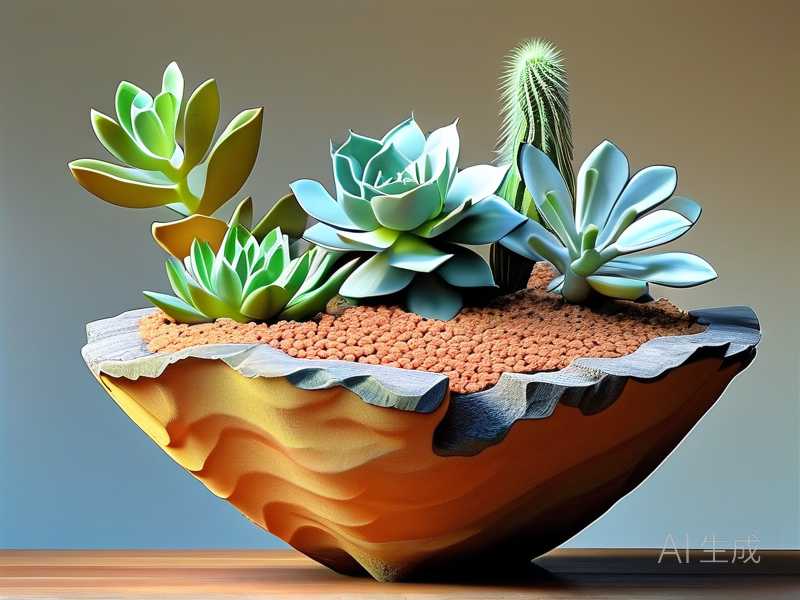
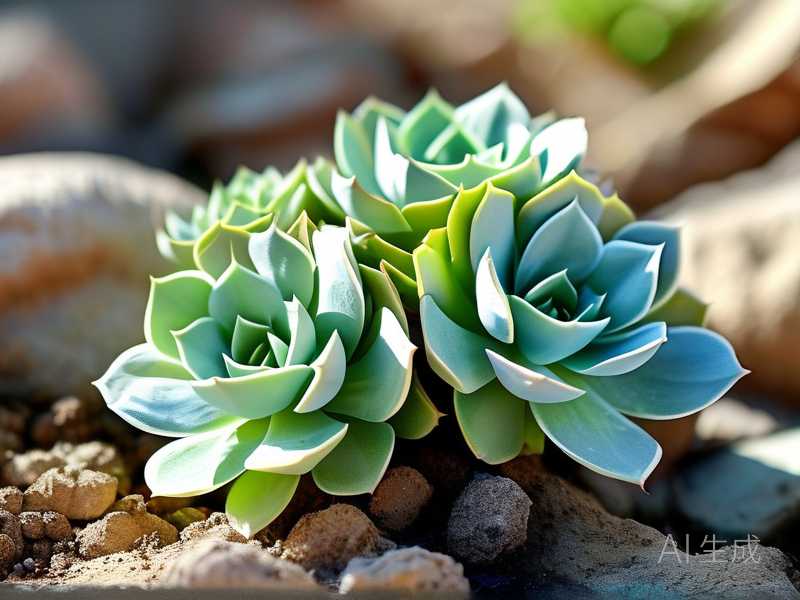
Honestly, I didn't take this seriously for years. I figured a little soil loss was normal. Then I lost a three-year-old Echeveria to root exposure, and I changed my tune fast. The plant looked fine one week — the next, the lower leaves were mushy and the whole rosette flopped sideways. That's erosion damage you can't undo.
The Three Mistakes That Wrecked My Succulent Planters
Before I get into solutions, let me be brutally honest about what I did wrong. If you're making any of these mistakes, you're not alone — but you need to stop.
Mistake #1: Overwatering (The Silent Killer)
I've said it before and I'll say it again: 90% of indoor plants die from overwatering. Succulents are especially vulnerable. When soil stays wet, it loses structure. Particles break apart. Erosion starts from the inside out.
My first succulent — a cute little Haworthia — drowned in a self-watering pot because I thought "more water equals more love." Spoiler: it doesn't. The soil turned to sludge, the roots rotted, and the plant collapsed within three weeks.
Mistake #2: Wrong Light, Wrong Place
Succulents that don't get enough light grow leggy and weak. Weak plants have weak root systems. Weak roots don't hold soil together. It's a chain reaction.
I once placed a Sedum on a north-facing windowsill thinking it would "adapt." It stretched out like spaghetti and the soil started crumbling every time I breathed near it. Light matters more than most beginners realize.
Mistake #3: Using the Wrong Planter
This one stings. I bought a gorgeous glazed ceramic pot with no drainage hole because it matched my kitchen. Big mistake. Water pooled at the bottom, soil turned anaerobic, and the whole thing became a swamp. Proper drainage isn't optional — it's the foundation of erosion prevention.
How I Stopped Soil Erosion: Step-by-Step
Here's exactly what I did, in order. You can follow along or adapt it to your own setup. I tested this approach over two weeks on three different planters, and the difference was obvious by day 14.
Step 1: Fix Your Soil Mix First
This is non-negotiable. Regular potting soil compacts and washes away. You need a gritty, fast-draining mix. My go-to ratio: 50% inorganic material (pumice, perlite, or coarse sand) and 50% organic matter (cactus potting soil). Some people go 60/40 inorganic. I've tried both — the 50/50 works best for my climate.
The AHS recommends amending succulent soil with coarse grit to improve drainage and stability. That advice changed everything for me.
Step 2: Add a Top Dressing
This was my "aha" moment. A layer of small pebbles, gravel, or coarse sand on top of the soil does three things: it looks great, it slows evaporation, and it physically prevents soil from splashing out when you water. I use aquarium gravel or chicken grit — cheap and effective.
Within two weeks of adding a 1/4-inch top dressing, I noticed zero soil runoff. Zero. That's when I knew I'd found a real solution.
Step 3: Adjust Your Watering Technique
Stop pouring water from above like you're watering a tomato plant. For succulents, I use a squeeze bottle or a small spout watering can to target the soil directly and gently. Slow, even watering prevents the surface disruption that causes erosion.
I also switched to the "soak and dry" method: water thoroughly until it drains out the bottom, then wait until the soil is completely dry before watering again. This mimics natural rainfall patterns and keeps soil structure intact.
Step 4: Choose the Right Planter (Finally)
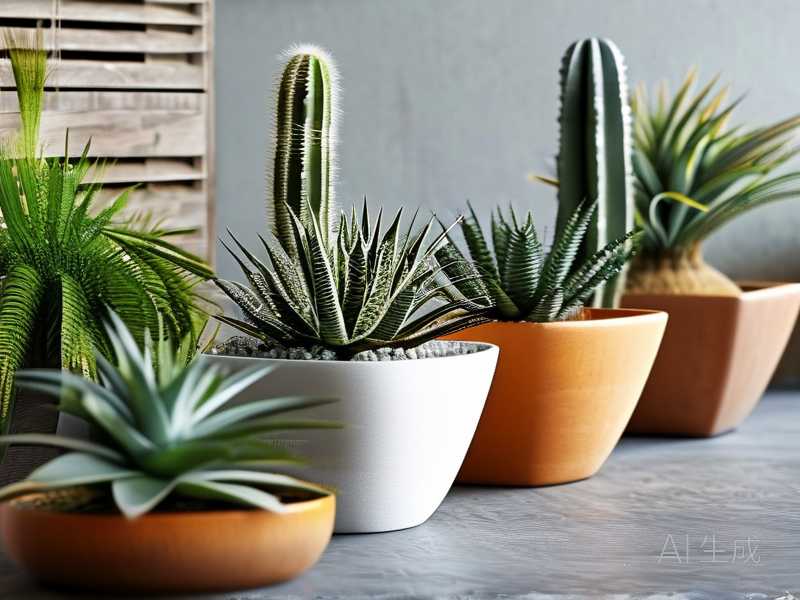
Terracotta pots with drainage holes are your best friend. They wick moisture away from the soil and dry out evenly. I switched all my succulents to unglazed terracotta, and the difference in soil stability was night and day.
If you love decorative pots (I get it — I do too), use them as cachepots. Keep the actual plant in a terracotta pot with drainage, then nestle it inside the pretty one.
Step 5: Repot on a Schedule
I repot my succulents every 12-18 months. Fresh soil, fresh start. Over time, soil breaks down, loses aeration, and becomes more prone to erosion. Repotting resets everything.
Light and Water: The Daily Habits That Protect Your Soil
Let me get practical here. Erosion isn't just about what's in the pot — it's about how you care for the plant day to day.
Best Light Conditions
Most succulents want 4-6 hours of direct sunlight daily. A south- or east-facing window works well for most homes. If you're in a particularly hot climate, afternoon shade is welcome.
Weak light equals weak growth. Weak growth means sparse roots. Sparse roots mean loose soil. See the pattern?
Shade and Seasonal Adjustment
In summer, I pull my outdoor planters under a patio umbrella during peak afternoon heat. Intense sun combined with dry soil can cause the soil surface to crack and flake. A little shade protection goes a long way.
Watering Rules I Live By
- Water only when the soil is bone dry.
- Never water on a schedule — check the soil first.
- Use room-temperature water.
- Water in the morning so excess moisture evaporates during the day.
- Reduce watering by half in winter.
Building a Plant Community That Holds Soil Together
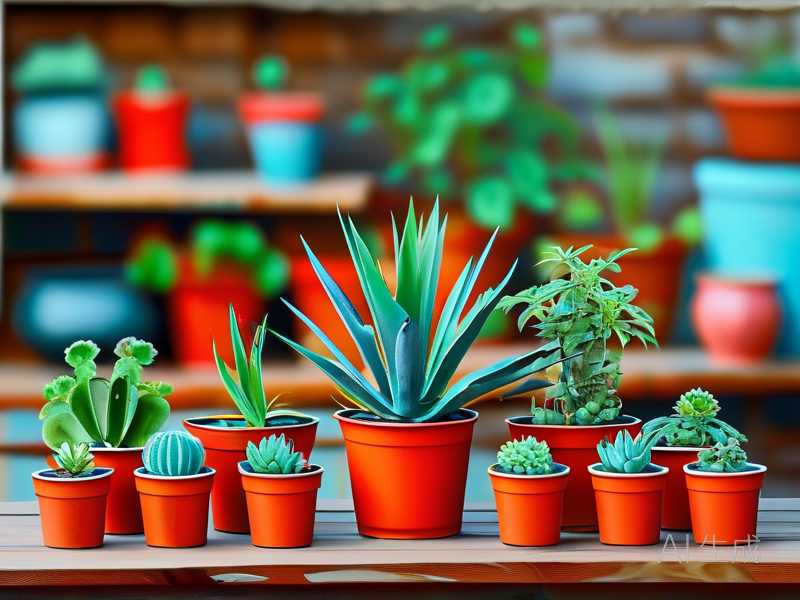
Here's something I wish I'd learned earlier: planting multiple succulents together in a single planter can actually reduce erosion. Their roots interweave and form a loose network that holds the soil surface more effectively than a single plant.
I've had great luck with combos like Sedum with Echeveria, or Sempervivum with a trailing Crassula. Just make sure they have similar light and water needs. Otherwise, you're setting yourself up for trouble.
A Two-Week Observation: What Changed
I ran this exact routine on three planters starting on a Monday. By day 7, the top dressing was holding firm and I hadn't seen a single soil crumb escape. By day 14, the soil levels were unchanged, the plants looked plump and happy, and I felt genuinely proud for the first time in my succulent-growing journey.
That two-week window is a good benchmark for you, too. If you make these changes and don't see improvement within two weeks, something else is wrong — likely overwatering or a drainage issue.
Frequently Asked Questions
Can I skip the top dressing if I water carefully? You can, but I wouldn't. Top dressing is the single cheapest, easiest erosion fix. Skipping it is like wearing a seatbelt only sometimes.
What if my planter doesn't have drainage holes? Either drill one (many ceramic pots can be drilled with a diamond bit) or use it as a cachepot. Don't plant directly into a container without drainage. Honestly, just don't.
How often should I replace the soil entirely? Every 12-18 months works for most home setups. If the soil smells sour or looks compacted, replace it sooner.
The Bottom Line
Succulent soil erosion isn't dramatic. It's slow, sneaky, and easy to ignore — until it's too late. Start with the right soil mix and a gritty top dressing. Switch to terracotta with drainage. Water gently and less often. Watch your plants for two weeks. You'll see the difference. And if you're anything like me, you'll wonder why you didn't do this sooner.