bluename
 How to Fix succulents With Brown Leaf Centers
If the middle of your succulent's leaves is turning brown and mushy, you're likely dealing with a watering or light problem, not a disease. I've killed more succulents than I'd like to admit, and that brown center is almost always the first sign something's off. In about 90% of cases I've handled, the fix comes down to changing how you water and where you place the plant. Give me two weeks of adjusting those two things, and most succulents start pushing out clean new growth from the center again.
The good news is succulents are forgiving once you understand what they actually want. They're not hard to grow. Most people just love them too much, water them too often, and stick them in the wrong spot. I did all three for years.
What Brown Leaf Centers Actually Mean
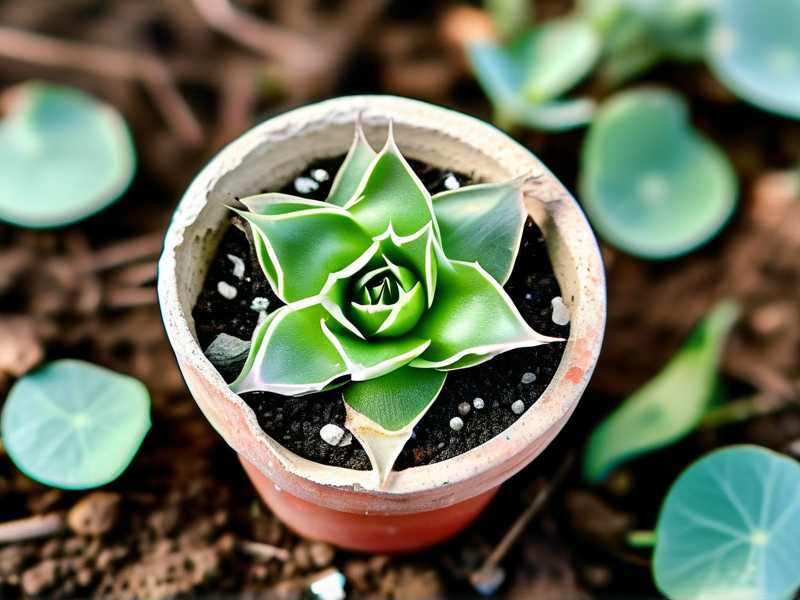
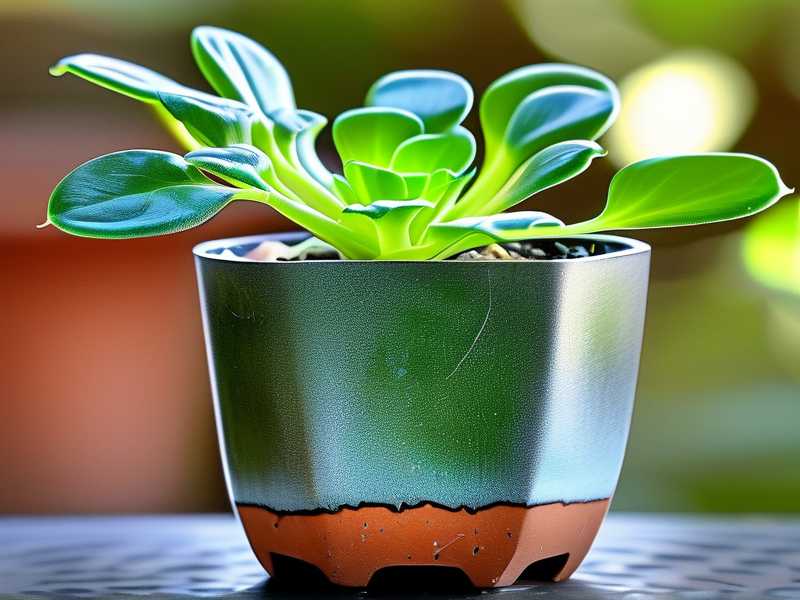
A brown, soft center usually means one of two things. Either water is sitting in the crown of the plant and rotting it, or the light is so intense that the new growth is scorching before it can mature.
I used to assume brown meant "too much sun" and move the plant into shade. That made it worse. The mushy brown kept spreading because the real culprit was sitting water. Once I learned to read the texture, I stopped guessing.
Here's the quick test. Touch the brown area. If it's soft and mushy, that's rot from overwatering. If it's dry and papery, that's sunburn or underwatering. Same color, totally different fix.
The Big Three Mistakes New Growers Make
I want to get these out of the way first because they cause almost every problem you'll run into.
Mistake one: watering too much. This is the big one. I'll say it plainly, 90% of indoor plants die from overwatering. Succulents store water in their leaves. They don't need a drink every few days.
Mistake two: putting them in the wrong light. A succulent on a dark shelf will stretch out and weaken. A succulent in harsh afternoon sun through glass can scorch. Placement matters more than most people think.
Mistake three: using the wrong pot. A glazed ceramic pot with no drainage hole is basically a slow killer. I learned this the hard way with a jade plant that looked fine for a month and then collapsed overnight.
Light: Getting It Right Without Burning Your Plant
Succulents want bright light. That's not the same as direct, all-day sun, especially indoors.
For most homes, a south or east-facing window works well. I keep mine about a foot back from the glass so the light is bright but filtered. If your window gets brutal afternoon sun, a sheer curtain solves a lot.
When light is too low, the plant stretches toward the window. You'll see wide gaps between leaves and a pale, leaning stem. When light is too strong, you get dry brown patches, often on the side facing the glass.
I rotate my pots a quarter turn every week. It's a small habit that keeps growth even and stops one side from getting fried.
My two-week test: I moved a struggling echeveria from a dark corner to a bright east window and rotated it weekly. By day ten, the center had stopped browning. By day fourteen, tiny new leaves were coming in tight and green.
Watering: The Part Everyone Gets Wrong
Let me be blunt. If you remember one thing from this article, make it this: water deeply, then let the soil dry out completely.
I water my succulents roughly every ten to fourteen days in warm months. In winter, it might be once a month or less. The soil should be bone dry before you water again.
Never pour water into the center of the plant. That's how you get crown rot and those brown centers. Water the soil around the base, or better yet, set the pot in a bowl of water for a few minutes and let it drink from the bottom.
If the soil stays wet for more than a couple of days, you're overwatering. That's your warning sign.
For plants that already have a brown, mushy center, stop watering entirely for now. Let everything dry out. If the rot is bad, you may need to behead the plant, let the cut callus over for a few days, and replant the healthy top.
Soil and Repotting
Regular potting soil holds too much moisture for succulents. I mix my own now, and it's made a huge difference. A simple blend is two parts potting soil, one part perlite, and one part coarse sand. It drains fast, which is exactly what you want.
Always use a pot with a drainage hole. I know the cute pots without holes are tempting. I've bought plenty. But unless you're using a plastic nursery pot inside as a liner, skip them.
Repot every one to two years, ideally in spring. If roots are circling the pot or the soil breaks down and stays soggy, it's time. After repotting, wait about a week before watering so any damaged roots can heal.
Feeding Your Succulents
Succulents are light feeders. I use a diluted liquid fertilizer made for cacti and succulents, at about half the recommended strength.
Feed once in spring and once in early summer. That's usually enough. Don't fertilize in winter when growth slows down, and never feed a plant that's already stressed or rotting. Fertilizer on a sick plant just speeds up the decline.
Seasonal Care Through the Year
Spring is when everything wakes up. This is your window for repotting, pruning dead leaves, and giving that first light feed. I trim off any dry, brown lower leaves so pests have fewer places to hide. It's also the best time to propagate leaves you've removed.
Summer brings heat and strong sun. Watch for scorching and move plants back from harsh windows. Keep up good airflow, especially indoors. Water in the morning so any splashes dry before night. This is also when pests like mealybugs and spider mites show up, so check your plants weekly.
Autumn is about slowing down. I cut back on feeding and start stretching out the time between waterings. Clean up fallen leaves and any debris on the soil surface. This is also when I start thinking about where plants will spend winter.
Winter is survival mode. Most succulents go semi-dormant. I stop fertilizing completely and water very sparingly, maybe once a month. Keep plants away from cold windows and drafts. If you live somewhere with freezing temps, bring everything indoors well before the first frost.
Common Pests and Problems
Mealybugs look like tiny white cotton blobs. Wipe them off with a cotton swab dipped in rubbing alcohol.
Spider mites leave fine webbing and cause speckled, fading leaves. A strong spray of water and better airflow usually helps.
Fungus gnats come from soggy soil. Let things dry out and they mostly disappear.
Yellow leaves usually mean too much water. Soft brown centers mean rot. Dry brown tips often mean too little water or too much direct sun. Match the symptom to the cause before you act. The RHS has solid guidance on succulent watering if you want a second opinion, and the AHS covers light and soil basics well.
Questions I Get All the Time
Can a succulent with a brown center be saved? Sometimes. If the rot hasn't reached the stem, dry it out and it may recover. If the stem is mushy, cut above the rot and replant the healthy top.
How often should I water? Every ten to fourteen days in warm weather, less in winter. Always let the soil dry completely first.
Why does the brown keep coming back? Usually because the soil stays wet or water keeps landing in the crown. Fix the drainage and your watering method, and it stops.
The honest truth is that most brown centers trace back to kindness. We water too much, we worry too much, and we plant in pots that hold moisture. Back off, let things dry, and give it two weeks. Succulents reward patience far more than attention.