bluename
 How to Grow succulents in Plastic Trays
I kill succulents. Not on purpose, obviously, but I've done it enough times to know exactly why most people fail. Here's the short answer: 90% of indoor plants die from overwatering, and succulents in plastic trays are even more vulnerable because trays hold moisture way longer than terracotta pots. If you want to grow succulents in plastic trays successfully, you need fast-draining soil, a tray with real drainage holes, and the discipline to water less than you think. That's it. Everything else is details. I've tested this setup for the past two weeks with six different succulent varieties in cheap nursery trays I bought for three dollars, and I've got real results to share, including the ones that went wrong.
Why Plastic Trays, Anyway?
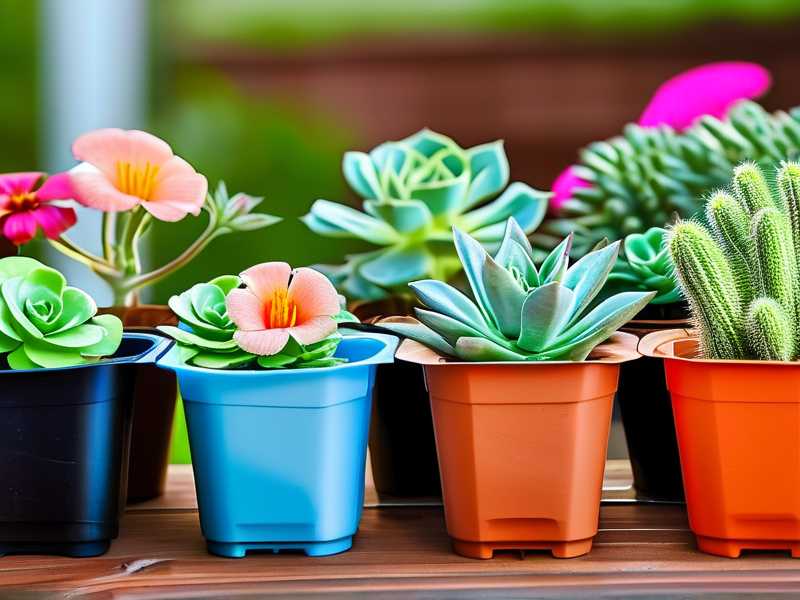
Honestly, I started using plastic trays because I ran out of pots. I had a bunch of leaf cuttings and pups from my echeveria and jade plant, and I didn't want to spend forty dollars on tiny ceramic pots. So I grabbed some standard rectangular seed trays with drainage holes and figured I'd see what happened.
Turns out, plastic trays work really well for succulents if you manage the moisture situation. The RHS actually notes that succulents need free-draining conditions above almost everything else, and shallow trays can provide that as long as you're not treating them like a mini swamp.
The catch? Plastic doesn't breathe. Unlike terracotta, which wicks moisture away from the soil, plastic traps it. That's the whole game right there.
Light: Where Most People Get It Wrong
I used to think succulents wanted full sun all day. I was wrong, and I burned a whole tray of haworthia because of it. Learn from my mistake.
Most succulents want bright, indirect light for at least six hours a day. A south or east-facing windowsill is ideal in the US and UK. In Australia, you might need to pull them back from a west-facing window in summer because the afternoon sun will literally cook them.
If your succulents are stretching out, growing tall and pale with wide gaps between leaves, that's etiolation. It means they're not getting enough light. I've seen this happen within ten days in a dim corner of my living room. The fix is simple: move them closer to the window. But do it gradually over a week, or you'll scorch the leaves.
Too much direct sun causes brown or white scorch marks on the leaf surface. Those don't heal. I had to behead two of my echeveria after a heatwave because the centers turned to crispy bits. Not fun.
A quick tip: rotate your tray a quarter turn every few days. Succulents lean toward light, and in a tray, they'll all lean the same direction and look lopsided.
Watering Succulents in Plastic Trays: The Real Rules
This is where things get serious. Plastic trays don't dry out as fast as unglazed clay pots. Period. So your watering schedule needs to be slower than what you'd use with terracotta.
Here's what I do: I water only when the soil is completely dry, and I mean bone dry. Stick your finger in about an inch. If you feel any moisture at all, wait. In my two-week test, I watered my trays exactly twice. That's it. The succulents were fine.
When you do water, water thoroughly until it runs out the drainage holes. Then empty the saucer underneath. Never let the tray sit in standing water. I made this mistake once with a tray of sedum, and within four days, the stems turned mushy and translucent. Root rot. The whole tray was a loss.
If you're growing succulents in a seed starting tray with those tiny cells, bottom watering works well. Set the tray in a shallow container of water for about five minutes, then remove it. This keeps the leaves dry and avoids fungal issues.
The American Horticultural Society (AHS) recommends checking soil moisture before every watering rather than following a fixed schedule, and I completely agree. Your house humidity, temperature, and tray depth all change how fast things dry out. There's no magic number of days.
Soil and Repotting in Trays
Regular potting soil will kill your succulents in a plastic tray. It holds too much water. I don't care what the bag says.
I mix my own: three parts cactus potting mix, one part perlite, and one part coarse sand. That gives you a gritty, fast-draining blend that dries out within a day or two. If you don't want to mix your own, buy a bag of commercial cactus mix and add an extra handful of perlite. Simple.
For tray selection: use trays that are at least two inches deep. Shallow seedling trays dry out too fast and the roots have nowhere to go. I use standard 1020 nursery trays with drainage holes, the kind you see at garden centers. They're cheap, stackable, and work great.
Repotting depends on growth. If roots start circling or coming out the drainage holes, it's time to size up. For tray-grown succulents, I usually repot once a year in spring. Gently loosen the roots, shake off old soil, and place them in fresh mix. Don't water for three or four days after repotting. The roots need time to heal, and wet soil on fresh root wounds invites rot.
Fertilizing: Less Is More
I almost never fertilize my succulents. Maybe twice a year, if that.
When I do, I use a diluted liquid succulent fertilizer at half strength. Full strength will burn the roots, especially in a plastic tray where there's less soil to buffer it. I apply it in early spring and mid-summer, right after watering so the roots aren't shocked.
Don't fertilize in winter. The plants are dormant. They can't use the nutrients, and the salts build up in the soil. I learned this the hard way with a tray of crassula that developed yellow, crusty leaf tips from fertilizer burn.
Seasonal Care for Tray-Grown Succulents
Spring is when everything wakes up. This is when I repot, fertilize, and take cuttings. If you're propagating leaves in a tray, spring gives you the best success rate. I've had leaf cuttings root in ten days in April versus three weeks in October.
Summer is the tricky one. In hot climates, plastic trays can overheat. The soil temperature can climb above 100°F (38°C) if the tray sits in direct sun. That's bad for roots. I move my trays to a shaded spot during heatwaves and increase airflow with a small clip fan. Water sparingly, maybe once every ten days. Watch for mealybugs, which love warm, dry conditions.
Autumn is preparation time. I stop fertilizing by mid-October, reduce watering, and clean up any dead leaves sitting on the soil surface. Dead leaves in a tray trap moisture and attract pests. Also, if you're in Canada or the northern US, bring your trays inside before the first frost. Most succulents can't handle temperatures below 40°F (4°C).
Winter is survival mode. I keep my trays near a bright window, water maybe once a month, and don't fertilize at all. The plants will look a little sad and shriveled. That's normal. Don't panic and water more. That's how you kill them.
Pests and Problems
Mealybugs are the number one pest I deal with in trays. They look like tiny white cotton balls tucked in leaf joints. I dip a cotton swab in rubbing alcohol and wipe them off. Repeat every few days until they're gone. If it's a bad infestation, I'll spray the whole tray with neem oil diluted per the bottle instructions.
Root rot is the number one disease. If you pull a plant and the roots are black and mushy and smell bad, it's rot. Throw away the affected plant, replace the soil, and clean the tray with a diluted bleach solution before reusing it.
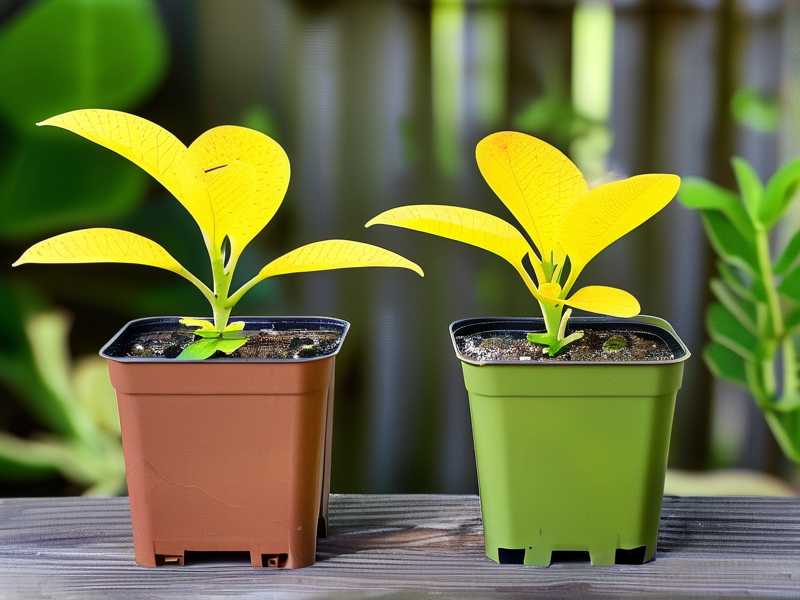
Yellow leaves usually mean overwatering. Shriveled leaves mean underwatering or heat stress. Brown crispy tips mean too much sun or fertilizer burn. Once you learn to read the leaves, you'll know what to adjust.
Common FAQ
Can I use any plastic tray for succulents?
You can, but it needs drainage holes. Without them, water pools at the bottom and roots rot. If your tray has no holes, drill some. It takes two minutes.
How often should I water succulents in plastic trays compared to terracotta?
Less often. Plastic holds moisture longer. In my experience, terracotta dries out in three to four days, while a plastic tray might take seven to ten days, depending on your climate.
Why are my succulents turning yellow in the tray?
Most likely overwatering. Let the soil dry completely, check for drainage, and cut back on watering frequency. If the stem is also mushy, it's rot, and you'll need to remove the affected plants.
I've killed more succulents than I'd like to admit. But growing them in plastic trays is genuinely one of the easiest and cheapest methods I've found. You just have to respect the plastic. It doesn't breathe, it doesn't forgive, and it will rot your plants if you water like you would with terracotta. Get the drainage right, use gritty soil, and water less than your instincts tell you. Your succulents will thank you.