bluename
 How to Choose succulents for Scandi Decor: A Real-Life Guide That Actually Works
I killed my first three succulents in six weeks. Two turned to mush, one went crispy brown. The problem wasn't the plants. It was me pairing them with the wrong pots in a bright Scandi-style living room and treating them like regular houseplants. If you want to know how to choose succulents for Scandi decor, here's the short answer: pick compact rosette types like Echeveria, Haworthia, and Sedum, match them with matte ceramic or concrete pots in white, grey, or warm terracotta, and keep them in a spot that gets four to six hours of bright, indirect light. That's it. Everything else is just fine-tuning.
I've now kept a Scandi plant shelf alive for over two years. Fourteen succulents, zero casualties since that first disaster. What changed? I stopped guessing and started paying attention to what these plants actually want.
Why Succulents Fit Scandi Style So Well
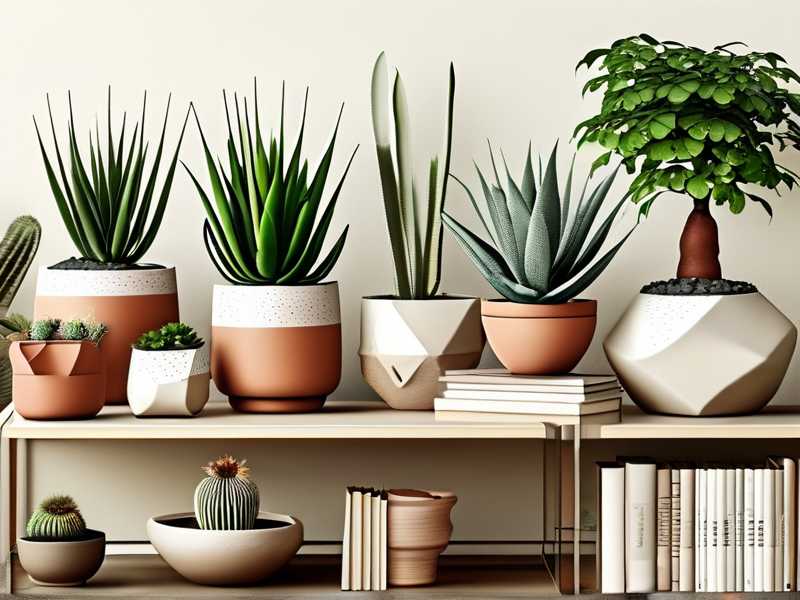
Scandi design is about clean lines, soft neutrals, and natural textures. Succulents are basically living sculptures. Their geometry, muted greens, dusty pinks, and grey-blues slot right into that aesthetic without trying too hard.
Compare that to a trailing pothos or a big fiddle leaf fig. Those work too, but they bring a wilder energy. Succulents bring calm. That's the whole point of Scandinavian interiors.
The trade-off? Succulents are less forgiving than people think. The RHS notes that most succulent problems in homes come down to two things: too much water and not enough light. I learned that the hard way.
My First Two Weeks Testing Succulents in a Scandi Setup
When I started over after killing those first three plants, I gave myself a two-week trial. I bought six small succulents from a local nursery. Three Echeveria, two Haworthia, one Sedum.
I placed them on a west-facing windowsill with a sheer linen curtain. I watered only when the soil was bone dry. I checked moisture with a wooden skewer every three days.
By day seven, two Echeveria had started stretching. Their leaves were spreading out and the rosettes were opening up. That's etiolation, and it means the light isn't strong enough. I moved them closer to the glass.
By day fourteen, the stretching had stopped. New growth was tight and compact. The Haworthia didn't change much, which is normal. They're slow growers. The Sedum actually perked up and developed a reddish tint on the leaf edges.
That two-week window taught me more than any article ever did.
The Three Mistakes That Kill Most Succulents
Before I get into the details, let me save you some pain. Here are the three things I see beginners do over and over.
Mistake one: overwatering. I know you've heard it. But here's the thing. 90% of indoor plants die from overwatering. Not underwatering. Not pests. Overwatering. Succulents store water in their leaves. When you water them like a fern, the roots sit in wet soil and rot within days.
Mistake two: wrong light. Succulents need bright light. Not "a spot near a window." Not "a shaded corner that gets a bit of sun." They need direct or very bright indirect light for at least four hours a day. Full stop.
Mistake three: the wrong pot. I used a glazed ceramic pot with no drainage hole for my first Echeveria. Water pooled at the bottom. The roots drowned. The plant collapsed in ten days. Always use a pot with a drainage hole. Always.
How to Choose the Right Succulent Varieties for Scandi Decor
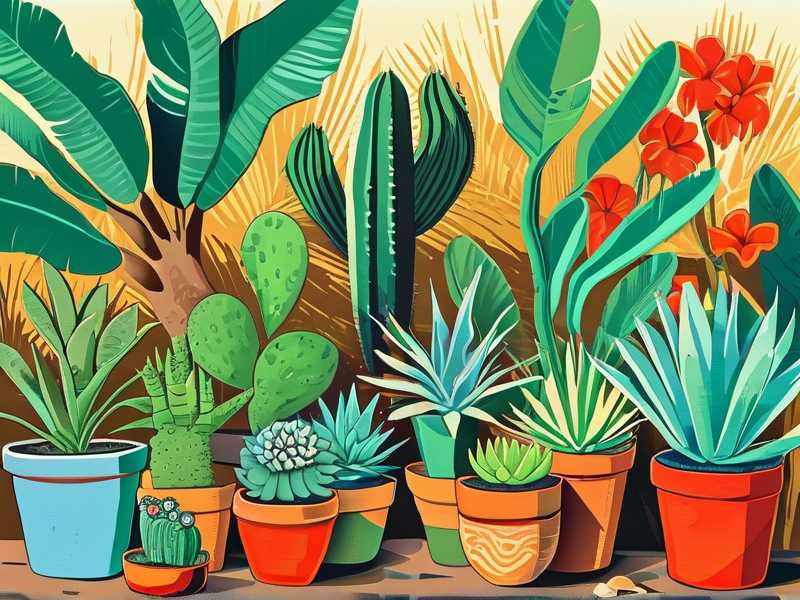
Not all succulents look good in a Scandinavian setting. Some get too big or too wild. Here are the ones that work best.
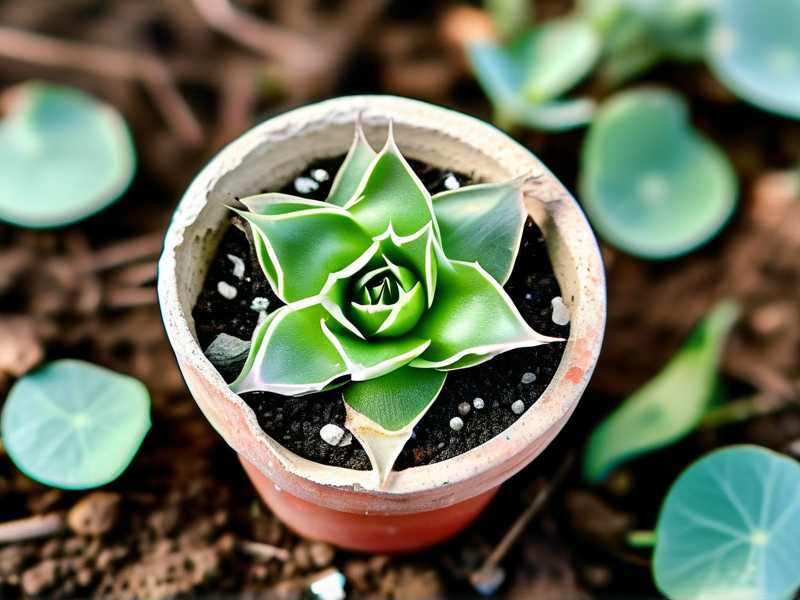
Echeveria: The classic rosette shape. Comes in grey-green, dusty purple, and pale pink. Looks incredible in a white matte pot. Needs strong light or it stretches.
Haworthia: Zebra plant. Small, striped, slow-growing. Tolerates lower light than most succulents, which makes it great for UK and Canadian homes with weaker winter sun.
Sedum: Low-growing, trailing types work well in shallow bowls. The tiny leaves add texture without bulk.
Aloe: Clean vertical lines. Works in a tall, narrow pot. Just don't overwater it. I learned that one after watching my first aloe turn to jelly.
Pachyphytum: These have plump, moonstone-like leaves in soft purple-grey. Perfect for the Scandi colour palette.
The AHS recommends choosing succulents that match your home's natural light levels before worrying about aesthetics. That's good advice. A beautiful Echeveria in a dark corner is just a dying Echeveria.
Pot and Planter Choice for Scandi Decor
This is where most people get it wrong. And I include myself in that.
Scandi style calls for matte finishes, neutral tones, and simple shapes. Think white ceramic, raw concrete, pale grey stoneware, warm terracotta. Avoid glossy glazes, bright colours, and anything with patterns.
But here's the practical side. The pot must have a drainage hole. No exceptions.
I've tried decorative pots without holes and used a plastic nursery pot inside. That works, but you have to empty the outer pot after watering. I forgot once. The water sat there for three days. The roots rotted.
My current setup: unglazed terracotta pots inside a concrete cachepot. Terracotta breathes and wicks away excess moisture. The concrete outer pot hides the drainage and looks clean.
Size matters too. The pot should be only slightly wider than the root ball. A tiny succulent in a huge pot will sit in wet soil for weeks.
Soil Mix That Works for Succulents in Any Climate
Regular houseplant compost holds too much water. I mix my own now.
Two parts cactus compost, one part perlite, one part coarse sand. That gives you fast drainage and enough air around the roots.
If you can't mix your own, buy a bag of cactus and succulent soil and add extra perlite. I add about a handful of perlite per small pot.
I've tested this mix in a humid Toronto summer and a dry Melbourne heatwave. It works in both. The key is that water runs through it quickly.
Watering Succulents: The Full Guide I Wish I'd Had
Watering is where most people fail. Let me break it down simply.
Water only when the soil is completely dry. Not slightly dry. Completely dry. Stick a wooden skewer into the soil. If it comes out clean, water. If it comes out with damp soil clinging to it, wait.
When you water, soak the soil until water runs out of the drainage hole. Then stop. Don't water again until the soil is bone dry.
In summer, that might mean watering every ten to fourteen days. In winter, every three to four weeks. Sometimes less.
I water my succulents in the morning so any excess moisture evaporates during the day. I never water at night.
If you're in a humid climate like the UK or coastal Australia, you'll water less often. If you're in a dry climate like Arizona or inland Canada, you'll water more.
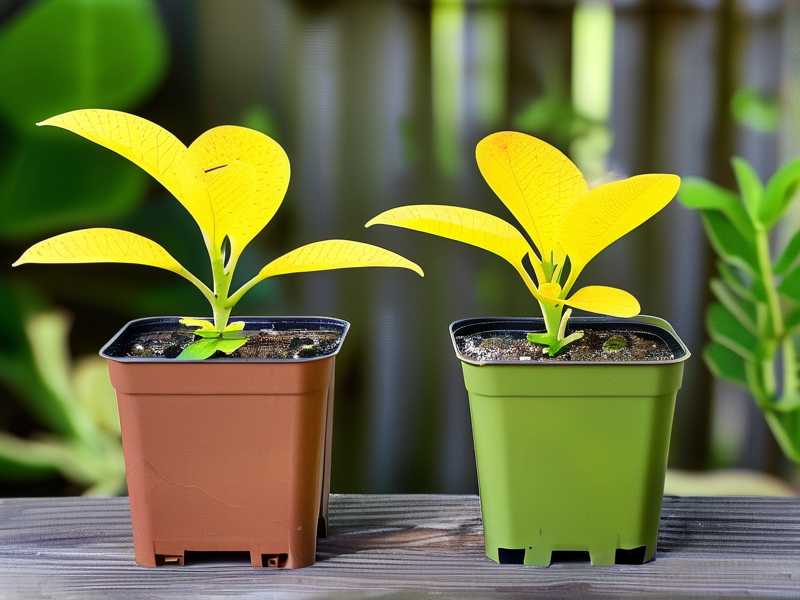
Signs of overwatering: soft, translucent leaves. Yellowing. Mushy stems. If you see these, stop watering immediately. Remove the plant from the pot, cut away rotten roots, and repot in fresh dry soil.
Signs of underwatering: wrinkled, shrivelled leaves. Brown tips. The plant looks deflated. Give it a good soak and it'll plump up within a day or two.
Light Requirements: Getting This Right Changes Everything
Succulents need bright light. I can't say it enough.
A south-facing window is ideal in most Northern Hemisphere homes. East or west is fine if the plant gets direct sun for part of the day. North-facing windows are usually too dim, especially in winter.
In the UK, Canada, and northern US states, winter light is weak. I use a small LED grow light from October to March. It sits about six inches above the plants and runs for twelve hours a day.
If your succulent starts stretching, leaning toward the window, or losing its colour, it needs more light.
But be careful with intense afternoon sun in hot climates. In Australia and southern US states, a west-facing window in summer can scorch the leaves. I use a sheer curtain to filter the worst of it.
Seasonal Care: What I Actually Do Each Season
Spring
Spring is when succulents wake up. I start watering more frequently. I check for new growth and repot if the roots are crowded.
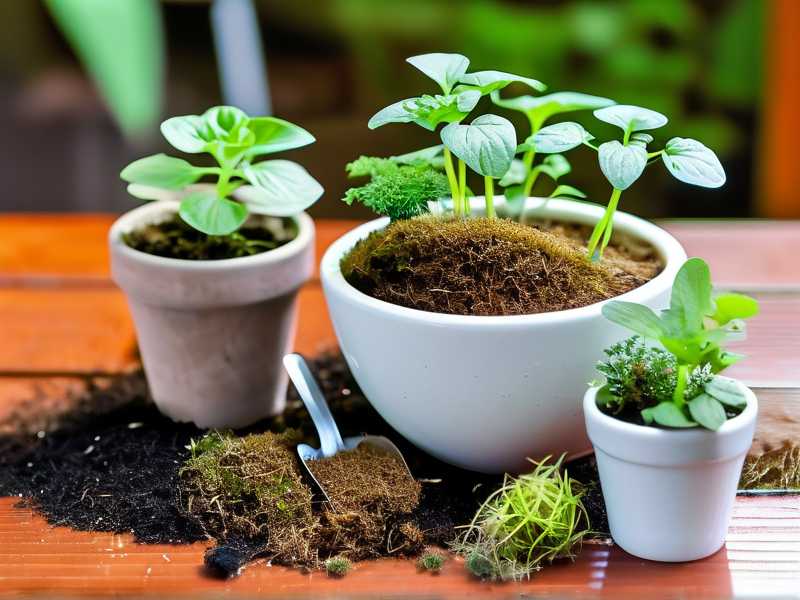
This is also when I propagate. I twist off a healthy leaf, let it callus for two days, then lay it on dry soil. In two to three weeks, tiny roots appear. I've grown twelve new plants this way.
I fertilise once in early spring with a diluted succulent fertiliser. Half strength. That's it.
Summer
Summer is the danger season. Not because of heat, but because of sun and water.
I move my succulents away from the hottest window if temperatures go above 30°C. I water in the early morning only. I check for pests every week. Mealybugs love warm, dry conditions.
I also make sure there's airflow. A small clip-on fan near my shelf keeps the air moving and prevents fungal issues.
Autumn
Autumn is preparation time. I reduce watering gradually. I stop fertilising by mid-autumn. I clean up any dead leaves.
If I'm bringing plants inside after summering them outdoors, I check for pests first. I once brought in a plant covered in aphids and didn't notice for a week. They spread to three other pots. Lesson learned.
Winter
Winter is survival mode. I water maybe once every three to four weeks. Sometimes less. I don't fertilise at all.
I keep my succulents near the brightest window and supplement with a grow light. I keep them away from cold draughts and radiators. Both extremes cause damage.
If your home gets below 5°C at night, move succulents away from windows. Frost will kill them.
Fertilising: Less Is More
I fertilise my succulents twice a year. Once in early spring, once in early summer. That's it.
I use a cactus and succulent fertiliser diluted to half the recommended strength. I never fertilise in winter or when the plant is dormant.
If you fertilise too much, you'll get weak, stretched growth. The plant looks leggy and pale. I did this once with a liquid fertiliser. The Echeveria grew fast but ugly. I had to behead it and start over.
Never fertilise a dry plant. Water first, then feed the next day. And never fertilise a sick plant. Fix the problem first.
Pests and Problems: What to Look For and How to Fix It
Mealybugs: White, cotton-like clusters on leaves and stems. I dab them with a cotton swab dipped in rubbing alcohol. Then I spray with neem oil every seven days for three weeks.
Spider mites: Fine webbing and speckled leaves. They thrive in dry conditions. I increase humidity slightly and spray with insecticidal soap.
Root rot: Mushy, black roots and a soft stem. Remove the plant, cut away all rotten roots, and repot in fresh dry soil. Don't water for a week.
Yellow leaves: Usually overwatering. Sometimes it's just old leaves dying naturally. If the yellow leaves are at the bottom and the rest of the plant looks healthy, it's normal.
Brown, crispy leaves: Too much sun or not enough water. Move the plant out of direct afternoon sun and give it a good soak.
Frequently Asked Questions
How often should I water succulents in a Scandi-style home?
It depends on light, temperature, and humidity. In a bright, warm room, every ten to fourteen days in summer. In winter, every three to four weeks. Always check the soil first.
Can I use any pot for succulents?
No. The pot must have a drainage hole. I use terracotta or concrete pots with drainage, placed inside a decorative cachepot if needed. Without drainage, water sits at the bottom and roots rot.
What's the best succulent for a low-light Scandi apartment?
Haworthia is your best bet. It tolerates lower light than most succulents. Aloe also manages in medium light. But no succulent thrives in a dark corner. If your space gets less than four hours of bright light, consider a snake plant instead.
Final Thoughts
Choosing succulents for Scandi decor isn't complicated. Pick compact, rosette-shaped varieties. Use neutral matte pots with drainage. Give them bright light and water only when the soil is bone dry.
I wish I'd known all this before I killed those first three plants. But honestly, the mistakes taught me more than the successes. If you're just starting out, take it slow. One or two plants. Watch how they respond. Adjust.
And whatever you do, don't water them every week. That's the one mistake almost every beginner makes. I know I did.