bluename
 How to Prevent Overcrowding in Succulent Pots
Let me guess what happened. You bought three cute little succulents at the farmers market. You popped them into one nice pot because it looked fuller and prettier that way. Then you hear a quiet voice in your head asking if you just made a huge mistake.
Short answer: yes, you might have. But you can fix it, and I'll show you how.
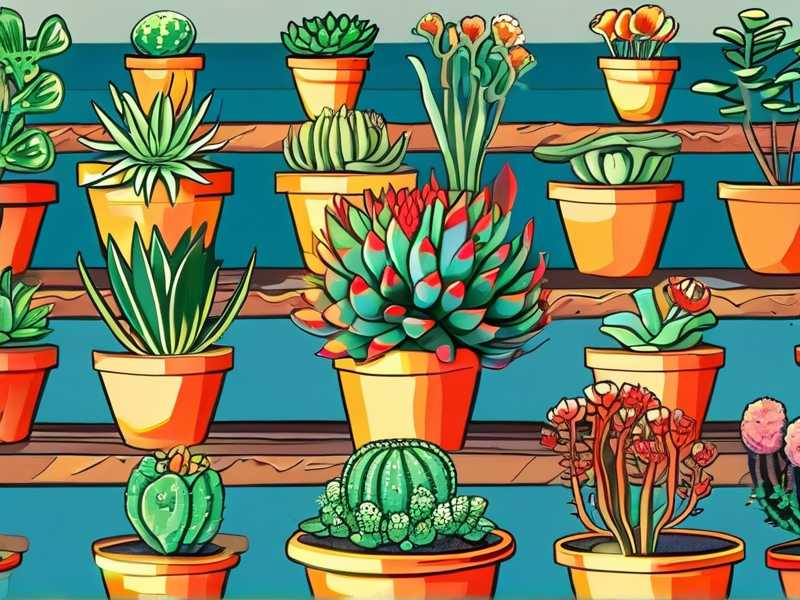
Learning how to prevent overcrowding in succulent pots saved my entire collection last spring. I'm not exaggerating. I lost four plants in one season before I figured this out. My string of pearls rotted from the middle out. My echeveria stretched into some sad, leggy alien. It was rough.
Here's the thing. Succulents look amazing when they're jammed together. That's exactly why we do it. But that cozy look comes with a price, usually one you don't notice until it's too late.
Why Overcrowding Kills Succulents (And Why It Happens So Fast)
Succulents are tough little plants. They survive droughts, neglect, and bad windowsills. But crowd them together and everything changes.
Air stops moving between the leaves. Moisture sits on the soil surface for days. Roots start competing for the same water and nutrients.
One sick plant spreads problems to its neighbors fast. Root rot doesn't stay politely in its own corner.
Aphids and mealybugs love tight spaces. They hide in the gaps and multiply before you even spot them.
The Royal Horticultural Society (RHS) backs this up. Their guidance on succulent care stresses good air circulation and proper spacing as basics, not extras. The American Horticultural Society (AHS) says the same thing in its container gardening resources. Spacing isn't a style choice. It's survival.
I ignored all of this for two years. I paid for it, plant by plant.
The 3 Beginner Mistakes I Made (So You Don't Have To)
Mistake #1: Overwatering a Crowded Pot
This is the big one. Let me say it plainly: 90% of indoor plants die from overwatering. Not underwatering. Not bad luck. Overwatering.
When succulents are packed tightly, the soil stays wet way longer. There's less surface area for evaporation. Roots suffocate. Then rot sets in.
I killed my first echeveria this way. I watered it every Sunday like clockwork. Twelve days later, the stem was mush. The soil never dried out because six plants were drinking from the same tiny pot.
Mistake #2: Putting Them in the Wrong Light
Crowded succulents can't get even light. The outer ones block the inner ones. The tall ones shade the short ones.
You end up with stretched, pale growth on some plants and sunburned leaves on others. All in the same pot.
I once put a burro's tail next to a haworthia under a grow light. The haworthia wanted shade. The burro's tail wanted full sun. One of them was always unhappy. Usually both.
Mistake #3: Using the Wrong Pot
I used to grab whatever pot was on sale. Glazed ceramic with no drainage hole? Sure, why not. A pot that was way too big? Even better, more room for more plants!
Big mistake. Succulents need pots with drainage holes. Period. And they need a pot sized for the root ball, not the fantasy arrangement in your head.
Overcrowding starts with the pot. If it's too shallow or too wide, you'll cram plants in just to fill it.
How to Actually Prevent Overcrowding: My Step-by-Step Method
Step 1: Space Them Like You Mean It
Here's my rule now. Leave at least one inch between succulent rosettes. For faster growers, go with two inches.
Yes, it looks sparse at first. I hated it. But within two weeks, I noticed something. The plants stopped stretching. They stayed compact and colorful. Their leaves firmed up.
Two weeks. That's all it took to see the difference.
Step 2: Match Plants by Growth Habit
Not all succulents grow the same way. Some spread wide. Others stay tight and upright.
I group slow growers together and fast spreaders in their own pots. Now nothing bullies its neighbor.
Echeverias, for example, stay fairly compact. Sedums? They'll take over everything. Keep them separate unless you enjoy plant warfare.
Step 3: Choose the Right Pot Size
The pot should be about one inch wider than the plant's root ball. That's it. Not two inches. Not "big enough for future growth."
Succulents actually prefer being slightly root-bound. A too-large pot holds too much wet soil. That's a fast track to root rot.
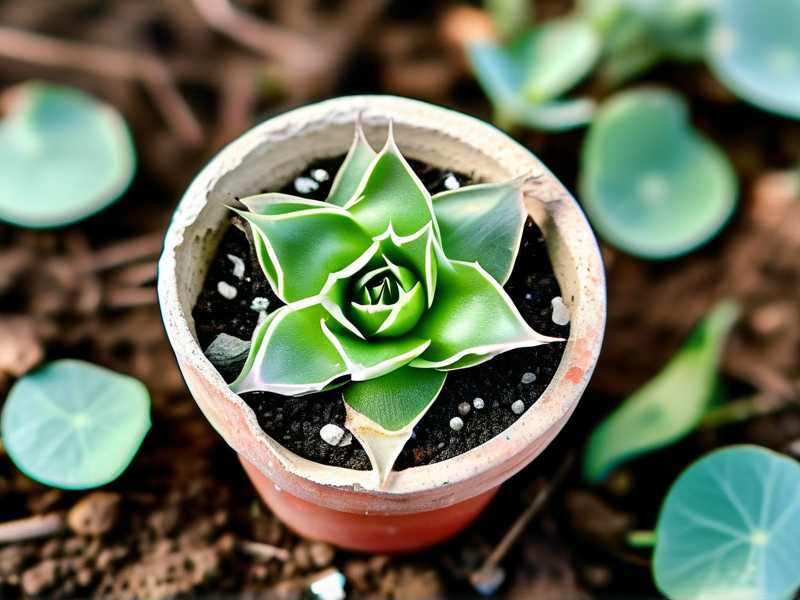
I now use unglazed terracotta pots almost exclusively. They wick away moisture and breathe. It made a huge difference for my plants and honestly for my sanity.
Step 4: Use Gritty, Fast-Draining Soil
Regular potting soil holds too much water. Mix your own instead.
My go-to blend:
- 2 parts cactus potting mix
- 1 part perlite
- 1 part coarse sand or pumice
This mix dries out fast. Roots get air. Everyone stays happy.
Step 5: Repot Before It's an Emergency
Check your succulents every three to six months. Signs it's time to repot:
- Roots poking out of drainage holes
- Plants tipping over because they're top-heavy
- Soil drying out suspiciously fast
- Leaves pressing against each other
I repot in early spring before the growth spurt. That gives plants time to settle in before summer heat hits.
Season-by-Season Overcrowding Prevention
Spring: The Reset Button
Spring is when I do my major repotting and dividing. I pull everything out, check the roots, and give each plant its own space.
I also trim any dead leaves or leggy stems. Clean plants breathe better.
Fertilizing starts now too. I use a diluted succulent fertilizer, half strength, once a month. That's it. More isn't better.
Summer: Watch the Heat
Heat plus tight spacing equals disaster. I move crowded pots to shaded spots during heat waves. I water less, not more.
Airflow matters most in summer. I keep a small fan running near my indoor succulents. Sounds fussy, but it prevents fungal issues.
Pests peak in summer too. I check leaf joints weekly for mealybugs and aphids.
Fall: Slow Down
Growth slows in fall. I stop fertilizing by mid-fall. I water less often.
This is also when I plan next spring's repotting. I note which plants got too big and which pots need dividing.
Winter: Protect and Wait
Winter is survival mode. I bring outdoor succulents inside before the first frost. I keep them cool and dry.
No fertilizer in winter. Minimal watering, maybe once every three to four weeks for indoor plants. Less for dormant ones.
I lost a whole tray of succulents my first winter because I kept watering them like it was summer. Lesson learned.
What to Do When They're Already Crowded
So you already have a jam-packed pot. Now what?
First, don't panic. Succulents are resilient.
Take the whole arrangement out of the pot. Gently separate the roots. It's okay if some break. Let the plants dry for a day or two.
Then repot into proper-sized containers with fresh gritty soil. Wait a week before watering. This lets broken roots heal.
I did this with a crowded bowl of hens and chicks last year. Two weeks later, every single plant was pushing out new growth. They just needed room to breathe.
Common Questions I Get Asked
Can I keep succulents crowded if I water less?
No. Less water helps, but it doesn't solve airflow problems or root competition. The plants will still suffer over time.
How often should I check for overcrowding?
Every three months, minimum. I do a quick visual check monthly and a full root check seasonally.
What if I like the crowded look?
I get it. Make a temporary arrangement for a photo or a short display. Then separate them. Think of it like a bouquet. Pretty for a week, not forever.
Final Thoughts
Preventing overcrowding isn't about being fussy. It's about giving your succulents what they actually need. Space. Air. Room to grow.
I wish someone had told me this before I killed my first five plants. But now you know. Start with proper spacing, the right pot, and gritty soil. Your succulents will thank you with compact growth, rich color, and years of life.