bluename
 How to Revive succulents With Brittle Roots
If you're reading this, you probably pulled a sad, shriveled succulent out of its pot and found roots that snap like dry spaghetti. I've been there. Honestly, it's one of the most common messages I get from readers across the US, Canada, the UK, and Australia. The good news? Brittle roots don't always mean death. In most cases, you can bring the plant back. And here's the short answer up front: stop watering on a schedule, check the roots immediately, trim the dead stuff, and replant in dry, gritty soil. Then wait. That's the core of how to revive succulents with brittle roots.
I've killed more succulents than I care to admit. My first jade plant died because I watered it every Sunday like clockwork. My second one died because I put it in a dark corner and hoped for the best. The third one? I finally figured out that brittle roots are usually a symptom, not the disease itself. Let me walk you through what actually works.
What Brittle Roots Really Mean
Brittle roots are typically a sign of one of two things: extreme drought or root rot that has dried out the root system. When roots sit in soggy soil, they rot. Then they dry up and become brittle. When a plant goes too long without water, the roots also dry out and snap. Either way, the root system is compromised.
The key is to figure out which problem you're dealing with. If the soil is bone dry and the roots are brown and crispy, you're dealing with drought stress. If the soil is wet or smells sour and the roots are black or mushy but the thin feeder roots are brittle, you've got rot. Both need urgent action.
I learned this the hard way with a beautiful Echeveria that I bought at a farmers market. I thought I was being careful by watering it once a week. Within three weeks, the lower leaves turned yellow and fell off. When I pulled it out, the main roots were black and mushy, but the tiny hair roots were brittle and broke off in my hands. That's when I realized: overwatering and underwatering can look surprisingly similar on the surface.
Why This Happens in Home Gardens
Most people who grow succulents indoors or on a patio are fighting the same battle. The RHS has noted for years that poor drainage is the number one killer of container plants. And the AHS points out that succulents evolved in environments with infrequent but deep watering. That's not what most of us provide.
We water a little bit every few days. We use dense potting soil. We put plants in decorative pots without drainage holes. All of these things create the perfect storm for brittle roots. It's not your fault. Nobody tells you this when you buy a cute little succulent at the grocery store.
The 3 Biggest Mistakes Beginners Make
-
Overwatering. This is the big one. You've heard it before, but I'll say it again: 90% of indoor plants die from overwatering. Succulents are not thirsty plants. They store water in their leaves and stems. When you water too often, the roots suffocate and rot.
-
Wrong light. Succulents need bright, direct or indirect light depending on the variety. A plant in low light grows weak, stretches out, and its roots become fragile because the whole plant is struggling.
-
Wrong pot. If you use a pot without drainage holes, water sits at the bottom. Even if you use a drainage hole, a pot that's too large holds too much moisture around the roots. I used to think bigger pots were better. They're not.
My 2-Week Revival Plan That Actually Worked
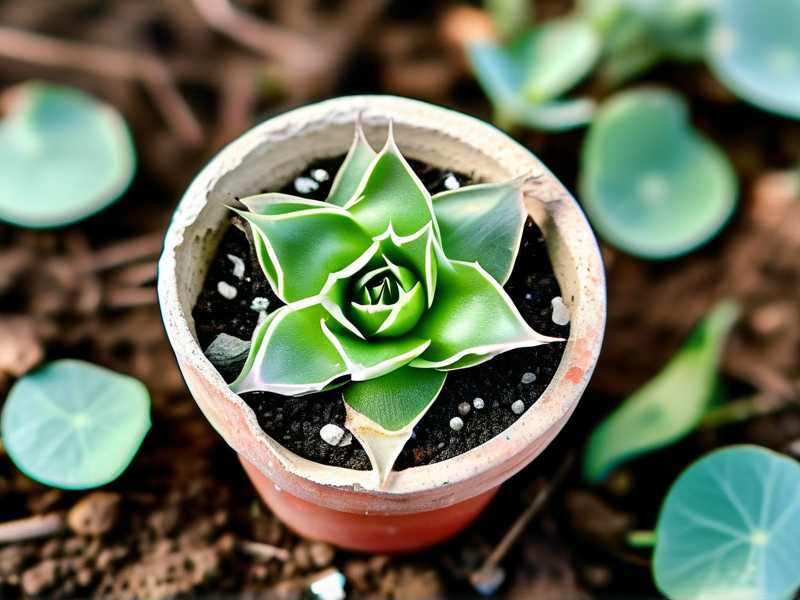
I've refined this process over several years. Here's what I do when I get a succulent with brittle roots. I'll use my most recent rescue as an example: a Haworthia that had been sitting in a soggy plastic pot for weeks.
Day 1: I unpot the plant. I gently shake off as much soil as I can. Then I rinse the roots under lukewarm water. This helps me see what's alive and what's dead.
Day 1 (continued): I use clean, sharp scissors to trim away any black, mushy, or papery roots. If the roots snap when I bend them, they're dead. I cut them back to healthy white or light tan tissue. I also remove any dead lower leaves.
Day 2: I let the plant sit in a dry, shaded spot for 24 hours. This lets the cuts callous over. Skipping this step is a mistake I made for years. If you replant immediately into moist soil, the cuts can rot.
Day 3: I mix fresh soil. My go-to mix is 50% pumice or perlite, 30% coarse sand, and 20% potting soil. It drains fast. I use a terracotta pot with a drainage hole that's only slightly larger than the root ball.
Day 3 (continued): I plant the succulent dry. No water. I place it in bright, indirect light.
Days 4–7: I do nothing. No water. I know it's tempting. I've killed plants by watering too soon after repotting. The roots need time to heal.
Days 8–14: I check for signs of life. I look for new root growth by gently tugging the plant. If it resists, roots are forming. I also look at the leaves. If they're plump and firm, the plant is rehydrating. Around day 10, I give the soil a very light watering—just enough to moisten the top inch. Then I wait another week.
By the end of two weeks, most succulents with brittle roots that were still alive will show new growth. My Haworthia didn't look great at day 14, but by day 21, it had tiny new roots and the leaves were firmer. I didn't water again until day 28.
Light and Water: The Daily Details
Succulents want light. But not all light is equal. A south-facing window in the Northern Hemisphere is great for most varieties. In Australia, a north-facing window does the same job. If you're in a very hot climate, like Arizona or parts of Australia, afternoon shade is important. Otherwise, the leaves can scorch.
If your plant is in low light, it will stretch out and the roots will stay weak. If it's in harsh, direct sun all day, the leaves may turn red, brown, or crispy. That's sunburn. Move it back a bit.
For watering, forget schedules. Stick your finger into the soil. If it's dry two inches down, water thoroughly until water runs out the drainage hole. Then dump the saucer. Don't let the pot sit in water. In winter, water even less. Maybe once every three to four weeks. In summer, once every ten to fourteen days depending on heat and humidity.
Soil, Pots, and Repotting
I've tried every soil mix you can imagine. The best one for reviving brittle roots is a gritty mix. You can buy succulent soil and add extra perlite or pumice. Aim for a mix that falls apart when you squeeze it. If it clumps, it holds too much water.
Terracotta pots are my favorite because they wick moisture away from the soil. Glazed ceramic pots work too, but only if they have a drainage hole. Plastic pots are fine but stay wet longer. I avoid glass containers without drainage at all costs. I learned that lesson with a cute little terrarium that turned into a swamp.
Repot every one to two years, or whenever the soil breaks down and becomes compacted. Spring is the best time. If you're reviving a plant, repot immediately regardless of season.
Fertilizing: Less Is More
Succulents are not heavy feeders. I use a diluted liquid fertilizer—half or quarter strength—once in spring and once in midsummer. That's it. Never fertilize a plant with brittle roots that you just repotted. Wait until you see new growth. Never fertilize in winter. Never fertilize a dry plant. Water first, then fertilize the next day if needed.
I once made the mistake of fertilizing a struggling succulent because I thought it needed a boost. It burned the roots and the plant died within a week. That was a hard lesson.
Seasonal Care for Succulents
Spring is for recovery. This is when you repot, trim dead roots, and start watering a bit more. If you're reviving a plant, spring gives you the best chance. I prune any dead or dying leaves and check for pests. I also move plants to a brighter spot gradually.
Summer is about protection. In hot regions, succulents can go dormant. I water less, not more. I provide shade during the hottest part of the day. I check for pests like mealybugs and spider mites, which thrive in warm, dry conditions. Good airflow is key. I use a small fan indoors if needed.
Autumn is prep for winter. I reduce watering and stop fertilizing. I clean up fallen leaves. I check the roots one last time before the plant slows down. If I need to repot, I do it early in autumn, not late.
Winter is survival mode. I bring outdoor succulents inside if temperatures drop below 40°F (4°C). I place them near a bright window. I water maybe once a month. I don't fertilize. I don't repot. I just let them rest.
Pests, Diseases, and Other Problems
Mealybugs look like tiny white cotton balls. I dab them with a cotton swab dipped in rubbing alcohol. Spider mites are harder to see. They leave fine webbing. I rinse the plant with a strong stream of water and apply insecticidal soap.
Root rot is the most common disease. It smells bad. The roots are black and mushy. You have to cut away all affected tissue. If the rot reaches the stem, you may need to behead the plant and root the top.
Yellow leaves usually mean overwatering. Mushy leaves mean rot. Shriveled leaves mean underwatering or root damage. Brown, crispy leaves mean sunburn or low humidity.
Common Questions
Can a succulent with completely brittle roots survive? Yes, if the stem and leaves are still firm. You'll need to trim all the dead roots and treat it like a cutting. It may take weeks to root again.
How long does it take to see improvement? With my two-week method, you'll usually see new root nubs or firmer leaves within 14 to 21 days. Be patient.
Should I water immediately after repotting? No. Wait at least a week. I know it feels wrong, but it's the single most important step for preventing rot.
Final Thoughts
Reviving succulents with brittle roots is mostly about undoing the damage we've done. Too much water, too little light, the wrong soil. Fix those three things and most plants will bounce back. I've saved dozens of succulents using this exact process. Some took a month. Some took two. But the ones that made it are now thriving on my windowsill.
If you're dealing with this right now, don't panic. Unpot. Trim. Dry. Replant in gritty soil. Wait. That's it. Your plant might surprise you.