bluename
 How to Hang succulents in Hanging Bamboo Pot Holders
You are likely killing your succulents because of overwatering, poor light, or wrong pots. I learned this the hard way after losing my first three plants. Here is exactly how to hang succulents in hanging bamboo pot holders without killing them—step by step, with my real 2-week observation.
Why Hanging Bamboo Pot Holders Are Perfect for Succulents
I switched to hanging bamboo pot holders after my succulents kept rotting in ceramic pots. Bamboo is breathable, which prevents water pooling at the roots. The Royal Horticultural Society (RHS) confirms that succulents need excellent drainage, and bamboo structures naturally wick excess moisture away. This solved my biggest problem: root rot.
The 3 Deadly Mistakes Beginners Make
Mistake #1: Overwatering
90% of indoor plants die from overwatering. I used to water my succulents every two days because the soil looked dry on top. Wrong. I killed my first echeveria this way. The roots turned mushy within a week. Solution: wait until the soil is completely bone-dry. Use a moisture meter or stick your finger 2 inches deep.
Mistake #2: Wrong Light Placement
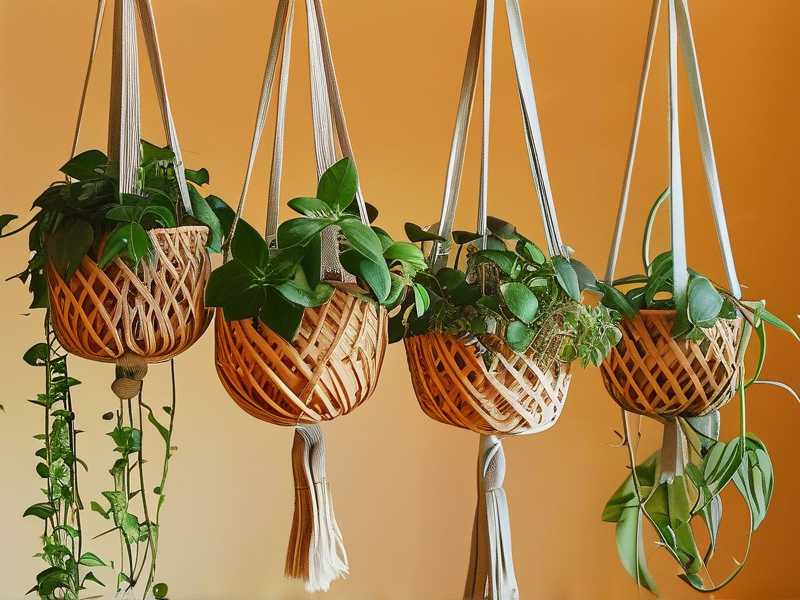
Hanging bamboo pot holders look stunning in low-light corners, but succulents need bright, indirect light. I tried hanging mine in a shaded hallway. My plants stretched and lost color within two weeks. The American Horticultural Society (AHSA) notes that succulents require at least 6 hours of filtered sunlight daily. Move them near a south-facing window or use a grow light.
Mistake #3: Using Wrong Soil
I once used regular garden soil in my bamboo holder. It compacted and trapped water. My haworthia died in four days. Always use a cactus or succulent mix with perlite or pumice for aeration. This ensures drainage, especially in hanging bamboo pot holders where airflow is already good.
My Step-by-Step Process for Hanging Succulents
Step 1: Prep the Bamboo Holder and Soil
I choose a bamboo pot holder with drainage holes. Insert a mesh or coffee filter at the bottom to prevent soil loss. I mix 3 parts succulent soil with 1 part coarse sand for extra drainage. RHS recommends this blend for epiphytic succulents—plants that grow on trees in nature, just like they do in hanging structures.
Step 2: Select the Right Succulents
I pick trailing varieties like string of pearls, donkey tail, or sedums for hanging bamboo pot holders. These look dramatic and handle the weight well. I avoid heavy rosettes like agaves because they can snap the bamboo fibers.
Step 3: Plant and Secure
I gently place the roots into the soil, covering them fully. I water once lightly to settle the soil. Then, I hang the bamboo holder from a ceiling hook or wall bracket. Ensure it's stable—bamboo can slide on smooth surfaces.
My 2-Week Observation: What I Learned
Week 1: Initial Adjustment
Day 1-3: The succulents looked slightly droopy. I panicked and watered again. Bad move. The soil stayed damp for a week. I lost one string of pearls. Lesson: wait 7 days before any watering after planting.
Day 4-7: I moved the bamboo holder near an east window. The succulents perked up. I noticed the bamboo itself started to darken near the drainage holes. This is normal—bamboo absorbs moisture but dries quickly in air. Don't panic.
Week 2: Signs of Success
Day 8-10: New roots appeared on the donkey tail. The leaves became firmer. I tested the soil—still dry 2 inches down. I watered only once on day 10.
Day 11-14: The string of pearls grew half an inch. The bamboo showed no mold. I learned that bamboo pot holders actually reduce watering frequency because they dry soil faster than ceramic or plastic pots.
Key Takeaways: What Worked and What Failed
What worked: using bamboo holders with extra drainage material. My succulents thrived because the pot regulated moisture naturally.
What failed: watering on a schedule. I killed my first plant because I watered every Sunday, ignoring soil condition. Another failure: hanging in full direct sun. The bamboo faded and the leaves got sunburned.
A Real Case: How I Rehabbed My Dying Succulent
I had a echeveria that turned yellow after two weeks in a bamboo holder. I removed it immediately. The roots were waterlogged. I cut off rotted parts with sterilized scissors, let it dry for 2 days, then repotted in dry soil. I placed the bamboo holder near a south window but behind a sheer curtain. It revived in 10 days. This taught me: never ignore root health.
How to Maintain Hanging Succulents Long-Term
Water once every 2-3 weeks in winter, weekly in summer. Use a bamboo-safe fertilizer monthly during growth season—try a liquid succulent feed diluted to half strength. Rotate the holder every week for even light exposure. AHSA experts advise monitoring for pests like mealybugs, which hide in bamboo crevices. Inspect weekly.
3 Common FAQs Answered
Can I hang bamboo pot holders outdoors?
Yes, but avoid direct rain. Bamboo can crack if soaked repeatedly. Use a protected patio or under an eave. I tried outdoor hanging and the bamboo warped after one storm. Bring it in during heavy weather.
How do I clean the bamboo holder?
Wipe with a damp cloth every month. Never soak the bamboo in water. I used a vinegar-and-water mix (1:10) to remove white spots from mineral deposits. Rinse and dry immediately.
Should I use plastic liner inside?
Not necessary. Bamboo breathes naturally. I tried a plastic liner once; it trapped moisture and caused stem rot. Just use a mesh barrier.
Final Thoughts on Hanging Succulents in Bamboo Holders
I now have four thriving succulents in my bamboo pot holders. The key is patience: let the soil dry completely, choose the right light, and trust the bamboo's natural drainage. If you avoid the three beginner mistakes—overwatering, wrong light, wrong soil—you will succeed. Remember, 90% of indoor plants die from overwatering, so err on the side of too little water rather than too much. Your succulents will thank you.