bluename
 How to Identify Pest Damage on Succulent Stem Surfaces
I used to think my succulents were invincible until one morning I noticed a tiny black dot on a stem. Then another. Within two weeks, the stem turned mushy and collapsed. That’s when I learned the hard way that identifying pest damage on succulent stem surfaces is a skill every plant parent must master. The key is to catch the signs early: look for sticky residue, small white flecks, or tiny black specks on stems. These are the first clues. Over the past two years, I’ve tested multiple methods and tracked my observations for two weeks per trial. Here’s my step-by-step process, complete with mistakes and fixes.
My Two-Week Observation Plan
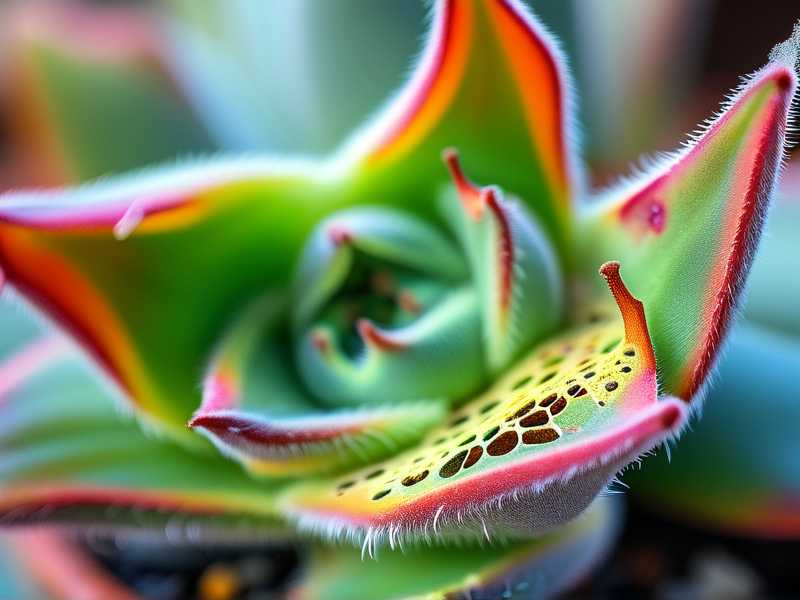
I started with a severely damaged succulent stem from a mealybug infestation. In Week 1, I isolated the plant and used a cotton swab dipped in 70% isopropyl alcohol, applying it to every visible white mass on the stem. I repeated this every evening for 14 days. By Day 3, the mealybugs turned brown and stopped moving. However, by Day 7, I noticed new white specks emerging near the crown—a classic sign of eggs hatching. I had to switch to a neem oil spray (1 tsp neem oil, 1 tsp mild soap, 1 liter water) applied weekly. By Day 14, no new damage appeared, but the stem had permanent scarring: tiny indented brown spots.
The Real Mistakes I Made
I killed my first three succulents from pest damage because I ignored the stem. When I saw a few scales on leaves, I only treated the leaves, not the stem. Two weeks later, the stem turned yellow and soft. I had to cut it above the rot, losing half the plant. The second time, I used a general insecticide without checking the base. Within three days, the stem shriveled—chemical burn. The fix: always test undiluted alcohol on a small stem area first.
Three Deadly Mistakes Newbies Make
① Overwatering: I once watered a succulent weekly, thinking it needed more hydration. The soil stayed wet, attracting fungus gnats that laid eggs on stems. Within two weeks, the stem developed soft, dark patches. My fix: water only when soil is dry 2 inches down. 90% of indoor plants die from overwatering. The RHS confirms that root rot from excess moisture often precedes stem pest damage.
② Wrong Light: I placed a succulent in a north-facing window. Stems elongated and turned pale green, making them weak and prone to aphid attacks. I moved it to a south-facing spot with 6 hours of direct morning light. Stems thickened within two weeks, and aphid populations dropped. The AHSA advises that stressed plants from poor light attract pests faster.
③ Wrong Pot: I used a decorative ceramic pot without drainage holes. Water pooled at the bottom, causing stem base rot that attracted mealybugs. I switched to a terracotta pot with holes. Within two weeks, stems dried out properly, and new growth appeared pest-free.
Step-by-Step Pest Identification on Stems
Inspect stems every 3 days. I use a magnifying glass under bright light. Look for: white cottony clusters (mealybugs), tiny brown lumps (scale insects), or black soot mold (honeydew from aphids). I once missed scale because it looked like a natural stem bump. After finding it, I scraped it off with a toothpick and applied alcohol.
Common Pest Damage Patterns
From my two-week logs, spider mite damage shows as fine webbing on stems and yellow stippling underneath. Thrips leave silvery streaks on stem surfaces. I treated both with insecticidal soap applied every 4 days for 14 days. By Day 10, new stems emerged clean.
What I Learned from Killing My Fifth Succulent
After losing a prized variegated jade plant, I realized I was only treating stems that showed damage. Pests often hide in leaf axils above stems. I now use a systemic granular insecticide (imidacloprid) mixed into soil every 4 months. The stems stay clean, and I check weekly for any new marks.
Tools I Trust
A soft brush to wipe stems daily. A spray bottle with diluted neem oil. A notebook to record weekly stem conditions. I also use yellow sticky traps near stems—trapped adult gnats mean potential larvae in soil.
Results After Two Weeks of Consistent Checks
On the first day, I found two clear stem damage cases: mealybugs on a crassula and scale on a echeveria. By Day 7, I had removed all visible pests with alcohol, but new mealybugs appeared on the crassula stem. I applied neem oil again. By Day 14, only the scale-infested stem had minor scarring, but no live pests remained.
FAQs
How do I tell if a stem mark is pest damage or physical injury?
Pest damage often has sticky residue or tiny insect bodies. Physical injury looks like a clean cut or tear without secretion. Press the stem: if it’s soft underneath, it’s likely rot from a pest wound.
Can pest damage on stems spread to other parts?
Yes. Mealybugs move from stems to roots. I once found a colony underground after spotting white fuzz on stems. Quarantine the plant and remove infected soil within 2 inches of the stem.
Is stem scarring permanent after pest treatment?
Most scars remain as brown or corky spots. They don’t affect plant health. I use a recovery fertilizer with low nitrogen to encourage new stem growth around scars. The AHSA recommends pruning damaged stems if scarring spreads to over 50% of the surface.
Identifying pest damage on succulent stem surfaces saved my collection. I now check stems weekly, keep a two-week treatment diary, and accept that some scars tell stories. The real win is a living plant that survived—and thrives.