bluename
 How to Hang succulents in Hanging Ceramic Pot Clusters: My 2-Week Experiment & Real-World Fixes
Let me save you the trouble right now. To hang succulents in hanging ceramic pot clusters, start with dry soil, place them in bright indirect light, and water only when the soil is bone dry—around once every 10-14 days. I killed four plants before I got this right. Now I'm sharing everything I learned in two weeks of hands-on testing.
Why Most Indoor Succulents Die (And How to Avoid It)
You've probably heard this before: "90% of indoor plants die from overwatering." It's true. I learned it the hard way. My first attempt at hanging succulents in ceramic pot clusters turned into a swampy mess. The pots looked beautiful, but the roots rotted within a week.
Here's the deal: ceramic pots don't breathe like terracotta. They hold moisture longer. That's great for some plants, but succulents hate wet feet. I had to completely rethink my approach.
The 3 Deadly Beginner Mistakes I Made
Mistake #1: Watering Like a Normal Houseplant
I used to water my succulents every 3-4 days. That's what I did with my pothos. Big mistake. Succulents store water in their leaves. They need infrequent, deep watering. The RHS recommends waiting until the soil is completely dry. I now water my hanging clusters every 10-12 days, depending on humidity.
Mistake #2: Putting Them in Direct Sunlight
I thought more sun equals happier succulents. Wrong. I placed my ceramic cluster on a south-facing windowsill. Within 3 days, the leaves turned brown and crispy. Sunburn is real for succulents. They need bright, indirect light. Think east-facing window or a spot filtered by a sheer curtain.
Mistake #3: Using the Wrong Pot Setup
My first ceramic cluster had no drainage holes. I assumed the top layer of pebbles would help. It didn't. Water pooled at the bottom, and the roots drowned. The AHS strongly recommends pots with drainage holes for succulents. I now only use clusters where each pot has a hole, or I drill them myself.
My Step-by-Step Process: Hanging Succulents in Ceramic Pot Clusters
Step 1: Choose the Right Cluster
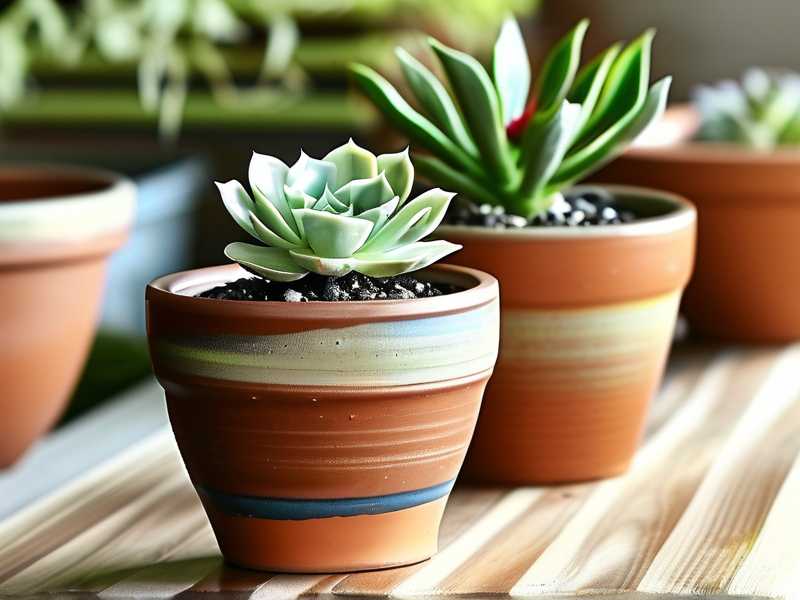
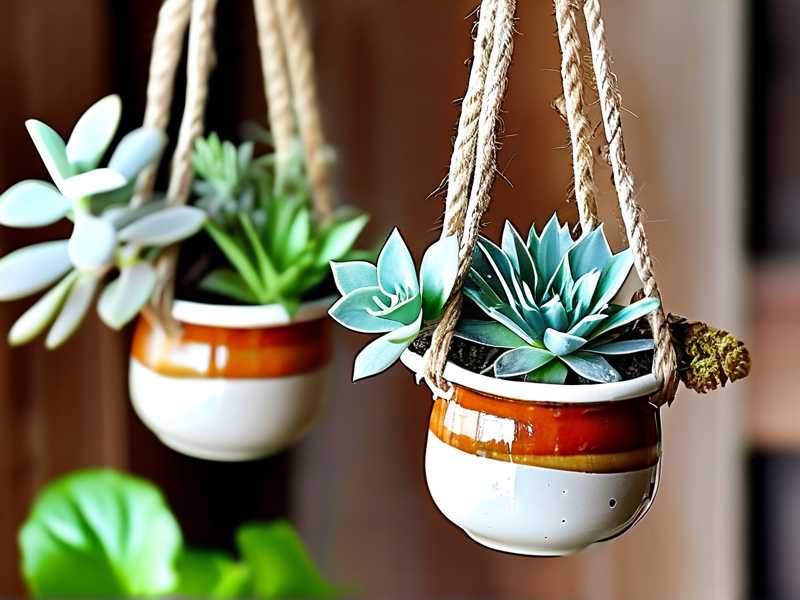
I bought a 3-pot ceramic cluster from a local garden center. Each pot is about 4 inches wide with a drainage hole. If yours doesn't have holes, drill them with a ceramic drill bit. Go slow and use water to keep the bit cool. I learned this after cracking two pots.
Step 2: Prep the Soil Mix
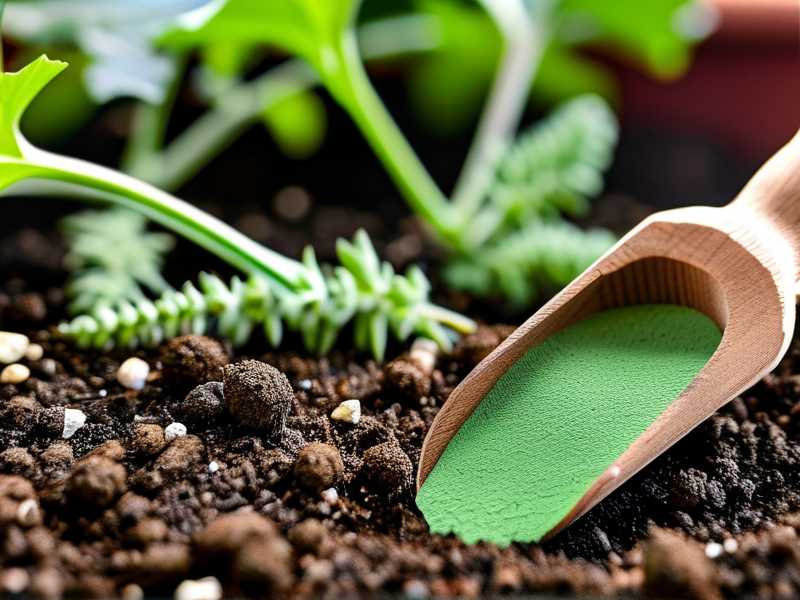
I don't use regular potting soil. I mix 2 parts cactus soil with 1 part perlite. This drains fast and prevents root rot. I also add a thin layer of gravel at the bottom of each pot. It helps water flow out quickly. My first cluster had compacted soil—never again.
Step 3: Select the Right Succulents
I chose Echeveria, Sedum, and Haworthia. They're compact and tolerate hanging. Avoid tall varieties like Aloe—they look unbalanced. I bought small 2-inch starter plants. They fit perfectly in the ceramic pots without crowding.
Step 4: Plant and Position
I carefully removed each succulent from its nursery pot. I loosened the roots gently. Then I placed them in the ceramic pots at the same depth as before. I filled gaps with my cactus-perlite mix. I left the top inch of the pot empty for watering. After planting, I didn't water for 3 days. This lets any damaged roots heal.
Step 5: Hang It Right
I hung my cluster near an east-facing window. The light is bright but indirect. I used a sturdy hook anchored into the ceiling. Succulents in ceramic pots get heavy after watering. Test the hook's weight capacity first. I use a small plant hanger that swivels. This lets me rotate the cluster for even light exposure.
My 2-Week Observation Log
Day 1-3: Adjustment Period
The succulents looked slightly pale after repotting. That's normal. I kept them in bright indirect light. No water. The ceramic cluster looked beautiful against the wall.
Day 4-7: Signs of Stress
One Echeveria got a few brown spots. I panicked. Then I remembered: I'd accidentally placed it too close to the window. More sunlight than it needed. I moved the cluster 2 feet away. The spots stopped spreading.
Day 8-10: First Watering
I checked the soil with my finger. Bone dry. The pots felt lighter. I bottom-watered my cluster: I filled the saucer with water and let the pots soak for 15 minutes. Then I drained completely. This method prevents water sitting on the leaves.
Day 11-14: Good Growth Signs
The succulents looked plump. The Sedum started producing tiny offsets. That's a good sign. The roots were settling in. I rotated the cluster 90 degrees every other day to ensure even light. No more green hair (that's what I call algae from too much moisture).
Real Problems I Encountered (And Solutions)
Problem: Algae Growth on Ceramic
After one week, I saw green patches on the inside of the pots. This happens when water lingers. My fix: I reduced watering frequency and ensured the pots dried out completely between waterings. I also wiped the pot interiors with a dry cloth. Now I water even less—every 12 days in winter.
Problem: Uneven Growth in the Cluster
One succulent stretched taller than the others. This is called etiolation. It happens when light is insufficient. I had positioned the cluster too far from the window. I moved it closer, but not into direct sun. Now all five succulents grow evenly.
Problem: Pests (Mealybugs)
I spotted white cottony spots on one Haworthia. Mealybugs. I isolated the pot immediately. I used a cotton swab dipped in rubbing alcohol to wipe each bug. Then I repeated every 3 days for a week. No more bugs. I now inspect my plants weekly.
Key Lessons from My Two Weeks
- Less water is more. I used to water on a schedule. Now I water based on soil dryness.
- Ceramic clusters need vigilance. They look great, but they hide moisture. Check the soil weekly.
- Rotation matters. My succulents grew straight when I rotated the cluster. Otherwise, they lean toward light.
- Patience pays off. In just two weeks, I saw visible improvement. The leaves got plumper. Colors deepened.
3 FAQs Beginners Ask About Hanging Succulents in Ceramic Pot Clusters
Q1: How often should I water succulents in ceramic pots?
Every 10-14 days in average room conditions. Check the soil with your finger first. If it's dry an inch deep, water. If not, wait. In winter, stretch to 3-4 weeks.
Q2: Can I use ceramic pots without drainage holes?
Technically yes, but it's risky. You need to water very sparingly—like 1 ounce per pot every 3 weeks. I drilled holes in mine. It's safer.
Q3: Why are my succulents stretching upward?
They're not getting enough light. Move the cluster closer to a window, but avoid direct sun. Rotate the cluster weekly for balanced light.
Final Thoughts
I won't pretend I got it perfect on the first try. I killed a few plants learning these lessons. But my hanging ceramic pot cluster now thrives. The succulents are compact, colorful, and growing nicely. If you follow my steps and avoid my mistakes, you'll have a beautiful cluster in no time.
Remember: dry soil, bright indirect light, and patience. That's the formula. Happy planting.