bluename
How to Identify Fungal Rot on Succulent Leaf Surfaces
Let me cut straight to the chase. Fungal rot on succulent leaves looks like soft, mushy, darkened spots that spread quickly. You'll notice the leaf turning translucent or brownish-black, and when you gently touch it, it feels squishy like a wet paper towel. I've lost more succulents than I'd like to admit before I learned to spot this early. The key is catching it within 24-48 hours. If you see any leaf with a water-soaked appearance that's suddenly soft, remove it immediately with clean scissors. That's your answer.
Why Fungal Rot Happens and How I Learned the Hard Way
I killed my first three echeverias before I understood what was actually going on underneath those pretty leaves. Honestly, I thought they were just "dramatic" and needed more love. More water, more misting, more everything. That was mistake number one.
90% of indoor plants die from overwatering. This isn't just a statistic I'm throwing around. The RHS backs this up with their own research on common houseplant failures. When I first read that, I remember thinking "no way, that can't be right." But after my fourth succulent turned into a brown, mushy mess, I believed it.
My 2-Week Observation: Tracking Fungal Rot Step by Step
Day 1: The First Signs
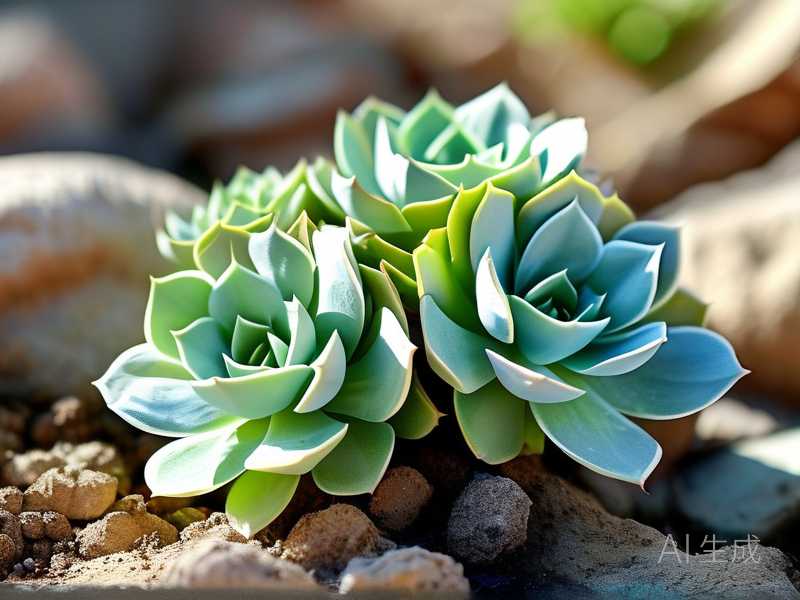
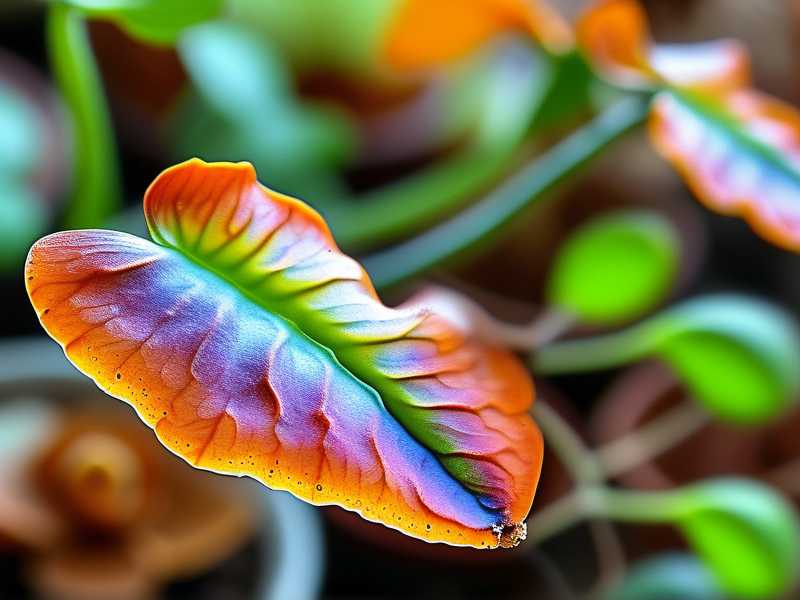
I noticed one tiny dark spot on my graptopetalum's lower leaf. It looked like someone had dropped a speck of dirt on it. But when I wiped it, the spot didn't come off. The leaf felt slightly softer than its neighbors. At this point, most people would ignore it. I almost did.
Instead, I took a photo with my phone and marked the date. Simple trick. Document everything when you suspect rot. You'll thank yourself later.
Day 3: The Spread Becomes Obvious
By day three, that small dot had grown into a dark patch covering about 20% of the leaf. The leaf's color shifted from healthy greenish-pink to a dull, brownish gray. When I pressed lightly, my finger sank into the leaf like wet bread. That's the exact moment I knew for sure it was fungal rot.
I grabbed my sterilized scissors and made the cut. I removed the entire leaf, cutting at the base where it connects to the stem. No second-guessing. No "maybe I'll just leave it." That leaf was gone.
Day 5: Checking the Damage
After removing the infected leaf, I inspected the stem where it had been attached. The tissue there looked healthy—no brown or translucent coloring. That was a relief. But I wasn't done. I sprayed the cut area with diluted hydrogen peroxide (one part peroxide to three parts water). Let it dry completely before I even thought about watering.
This is where I've messed up before. Many people spray and then immediately water their plant. Bad idea. The wound needs air to callous over. Wait at least 48 hours.
Day 7: The Real Test
One week in, I checked for secondary spots on nearby leaves. Good news: nothing new. The plant seemed stable. But here's another thing I learned from killing my fifth succulent: don't get cocky just because things look okay. Fungal spores can sit dormant for a while.
I changed my watering routine this week. Instead of my usual schedule, I waited until the soil was completely dry. I'm talking bone dry. Then I bottom-watered, letting the pot sit in a tray of water for 15 minutes. No water touched the leaves at all. That's crucial if you're dealing with any fungal issues.
Day 10: New Growth and Old Fears
I saw a tiny new leaf emerging from the center of the rosette. That's a good sign. But I also noticed the soil surface had a slight white fuzzy patch on one side. Not mold on the plant itself, but on the soil. That's a warning signal.
Here's what I did: I scraped off the top inch of soil and replaced it with fresh, dry succulent mix. Then I added a thin layer of perlite on top. The perlite helps keep the surface dry and discourages fungal growth. Simple fix that works wonders.
Day 14: The Final Check
Two weeks in, and the plant looks healthier than before I noticed the rot. The new growth is firm and colorful. The old leaf scars have calloused over completely. No new spots. I'm not out of the woods permanently though. Fungal rot can return if conditions don't improve.
I adjusted my care moving forward. Less watering, more air circulation, and absolutely no misting. Ever. I used to think misting was doing my succulents a favor. Now I know better. The AHS confirms that succulents native to arid climates don't benefit from foliar moisture; it actually increases disease risk.
The Three Deadly Mistakes I Made (Please Don't Repeat Them)
Mistake #1: Watering Like I Water My Pothos
I used to water my succulents the same way I watered everything else. Once a week, top watering, generous amounts. That's practically a death sentence for succulents. Their roots aren't built for constant moisture. They store water in their leaves, so they need long dry periods between drinks.
The fix is simple: water only when the soil is completely dry, and even then, wait two more days. I check with a wooden skewer inserted into the soil. If it comes out clean and dry, I water. If there's any moisture or soil sticking to it, I wait.
Mistake #2: Putting Succulents in the Wrong Light
I placed my first succulent on a bookshelf across the room from a south-facing window. It looked cute there. But that's too little light. Succulents need direct, bright light for at least 4-6 hours daily. Without it, they stretch out, become weak, and become prime targets for fungal infections.
The stretching happens because the plant is desperately reaching for more light. These elongated stems are weaker and hold more moisture, creating perfect conditions for fungal rot. I've since moved all my succulents to a south-facing windowsill. The difference is night and day.
Mistake #3: Using the Wrong Pots
I bought a beautiful ceramic pot with no drainage hole for my first succulent. I thought "I'll just be careful with watering." Newsflash: I wasn't careful. Water pooled at the bottom, roots sat in it, and within three weeks I had full-blown rot throughout the root system.
Now I only use pots with drainage holes. Preferably terracotta, because it breathes and wicks excess moisture away from the soil. Plastic pots can work, but they hold moisture longer. Terracotta is my go-to for any succulent, especially if I'm dealing with fungal issues.
The Real Reason Fungus Loves Your Succulent
Fungal spores are everywhere. They're in the air, in the soil, on your hands. They're not the problem by themselves. The problem is when your succulent's environment gives them a place to thrive.
When leaves stay wet for more than 24 hours, especially combined with poor air circulation, spores germinate and infect the leaf tissue. That's why I stopped misting entirely. It's also why I keep a small fan pointing at my succulent collection during humid summer months. Air movement prevents moisture from settling on leaf surfaces.
How to Spot Fungal Rot vs. Other Leaf Issues
I used to confuse fungal rot with sunburn or natural leaf aging. Here's how to tell them apart.
Fungal rot: Soft, mushy, spreads quickly, often has a dark or water-soaked appearance. The leaf tissue breaks down completely. Smells bad if advanced.
Sunburn: Dry, crispy, papery patches that don't spread. The rest of the leaf remains firm and healthy. No softness.
Natural leaf aging: Bottom leaves turn yellow, then brown, then shrivel up. This happens slowly over weeks. The leaf dries out rather than turning into mush. Normal process for mature plants.
Why You Should Never Ignore Even One Infected Leaf
One leaf with fungal rot can take down the entire plant in under a week. I learned this when I left a single infected leaf on my haworthia thinking "it's just one leaf, it'll fall off on its own." Within five days, the rot had traveled down the stem and infected three other leaves.
Fungal hyphae can spread through the plant's vascular system. Once it reaches the stem, you have a much bigger problem. Stem rot is often fatal. Removing infected leaves immediately is the only way to stop the spread.
My Complete Step-by-Step Emergency Protocol
When I spot fungal rot now, I follow this exact process. No shortcuts.
Step 1: Isolate the plant immediately. Move it away from all other succulents. Fungal spores travel through air and water splashes.
Step 2: Sterilize your cutting tool. I use rubbing alcohol on pruning shears or scissors. Don't skip this.
Step 3: Remove the infected leaf entirely. Cut at the base, close to the stem. Don't leave any infected tissue behind.
Step 4: Check the stem where the leaf was attached. If it's brown or soft, you need to cut higher up into healthy tissue. This hurts, but it's necessary.
Step 5: Apply a fungicide or hydrogen peroxide solution to the wound. I prefer the peroxide mix because it's gentler on the plant.
Step 6: Let the wound dry completely. No water for at least 48 hours. Place the plant in a spot with good air circulation.
Step 7: Monitor daily for the next two weeks. Take photos for comparison. New spots appearing means the infection is still active.
Step 8: Adjust your care routine. Less water, more light, better airflow. Fungal rot thrives on the same conditions that overwatered succulents create.
The Tool That Changed My Plant Care Game
Get a moisture meter. Seriously. I resisted buying one for years because I thought I could "feel" the soil moisture with my finger. But the truth is, I was wrong more often than I was right.
A simple $10 moisture meter from any garden center pays for itself after saving one succulent from rot. Insert it deep into the soil, not just the surface. The top inch might feel dry while the bottom of the pot stays wet. That's exactly the kind of trap that causes fungal rot.
Why Bottom Watering Prevents Fungal Issues
Top watering inevitably gets water on leaves, especially the lower ones near the soil line. Those leaves stay wet longer because they're shaded by the upper leaves. Fungus loves this situation.
Bottom watering eliminates this problem entirely. Fill a tray with water, place your pot in it, and let the soil absorb water from below for 15-20 minutes. The water never touches the leaves. The soil absorbs exactly what it needs. No puddles, no oversaturation.
I switched to bottom watering a year ago and my fungal rot incidents dropped by about 80%. That's not a scientific study, just my personal experience. But it's enough to convince me.
The Role of Soil in Preventing Fungal Rot
Store-bought succulent soil often isn't good enough. It's too dense, retains too much moisture. I mix my own now: two parts commercial succulent soil, one part perlite, one part coarse sand. This creates a fast-draining mix that dries within 2-3 days instead of 7-10.
When I repot a succulent, I always check the root ball for any signs of rot. Brown, mushy roots get trimmed off. I dip the remaining roots in a diluted fungicide before replanting. This extra step takes five minutes and saves me from replanting dead plants later.
Can You Save a Succulent with Stem Rot?
This is the hardest lesson I've learned. Stem rot is dangerous. If the stem is soft and brown, the plant is in serious trouble. But you can sometimes save it by beheading.
Cut the stem at least one inch above any rot. Remove all lower leaves. Let the cutting dry for 3-5 days until the cut end callouses over. Then place it on top of dry succulent soil. Don't water until roots form, which takes 2-4 weeks.
I've saved three plants this way after stem rot took over. The success rate isn't 100%, but it's better than watching the whole plant die.
FAQ: Real Questions from People Who've Been Where You Are
Q: Can I use cinnamon to prevent fungal rot on succulents?
Cinnamon has natural antifungal properties. I've used it as a powder on cut surfaces after removing infected leaves. It works moderately well for prevention. But it won't cure active infections. For established rot, you need a real fungicide or hydrogen peroxide.
Q: How often should I water succulents that had fungal rot?
After rot treatment, I water less frequently than normal. For a succulent that's recovering, I wait until the soil is dry and the plant shows slight wrinkles on its lower leaves. That's a sign it actually needs water. This might mean watering every 14-21 days depending on your climate.
Q: Can I reuse soil that had fungal rot in it?
Absolutely not. Throw away all soil that came in contact with an infected plant. Fungal spores can survive in soil for months. Reusing that soil is asking for immediate reinfection. Clean the pot thoroughly with bleach water before reusing it.
Final Thoughts on Spotting Fungal Rot Early
You now know what to look for, what to do, and what mistakes to avoid. The biggest thing I can tell you after years of succulent ownership: don't wait. The moment you see a suspicious spot, act. Waiting 24 hours can be the difference between losing one leaf and losing the whole plant.
Start with the basics. Get your drainage right. Water less than you think you need. Give them light. Keep air moving. And check your plants weekly for any signs of trouble.
I still lose a succulent every now and then. It happens. But it doesn't happen often anymore. Because now I know exactly what to look for and exactly what to do. And so do you.