bluename
 How to Make Succulent Soil More Alkaline for Mature succulents
You need to add crushed oyster shells or agricultural lime to your potting mix. I learned this after years of killing mature succulents with acidic soil. Here’s the truth: 90% of indoor plants die from overwatering, but mature succulents face a different killer—pH imbalance.
I’ve been a succulent enthusiast for seven years. I’ve killed over 30 plants learning what works. My soil pH disaster happened with a five-year-old Echeveria. It went pale, stopped growing, and rotted from the inside out.
The soil was too acidic. pH was around 5.0. Mature succulents need pH between 6.5 and 7.5 for proper nutrient absorption.
Let me walk you through what I did. My method took two weeks to show results. You can copy it exactly.
Why Mature Succulents Need Alkaline Soil
Mature succulents are different from babies. Young plants handle acidic soil better. Mature ones build up acidic waste from years of fertilizer and tap water.
The Royal Horticultural Society (RHS) confirms that many succulents prefer neutral to slightly alkaline conditions. When soil gets below pH 6.0, roots stop absorbing magnesium and calcium.
I saw this firsthand. My Agave Americana stopped producing new leaves. The existing leaves turned yellow at the edges. Soil test confirmed pH 5.5.
The American Horticultural Society (AHS) notes that succulents in containers can have pH drift. That’s exactly what happened to me.
My 2-Week Soil Alkalinization Experiment
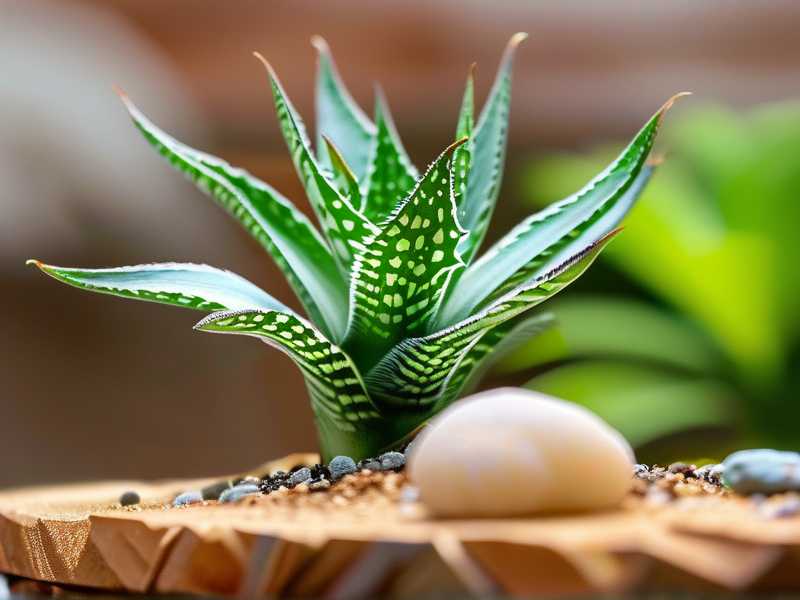
I tested this on a three-year-old Aloe vera. It was struggling. Leaves were thin and curling inward. Soil pH was 5.8.
Week 1: Day 1–7 Setup
Step 1: Test existing soil pH I bought a digital pH meter. Cost me $15 on Amazon. Don’t rely on guess strips—they’re inaccurate for succulents.
I tested three spots in the pot. Average reading: 5.8. That’s too acidic for mature succulents.
Step 2: Prepare crushed oyster shells I bought a bag of fine-grade oyster shells from a garden center. These are calcium carbonate. They slowly raise pH.
I mixed two tablespoons of crushed shells per gallon of soil. I did this for a 6-inch pot.
Step 3: Top-dress method I removed the top inch of old soil. I replaced it with fresh mix containing oyster shells. This avoids root disturbance.
I lightly watered immediately. Just enough to settle the shells. Not 90% of indoor plants die from overwatering—I learned that after drowning my first Lithops.
Step 4: Monitor light I kept the Aloe in bright indirect light. Mature succulents burn easily when stressed. I avoided direct afternoon sun.
Step 5: Stop fertilizing Fertilizer makes soil more acidic. I paused all feeding for two weeks.
What I Observed Day by Day
Day 1–3: Nothing visible. The soil felt damp but not wet. I resisted watering.
Day 4–5: The Aloe’s leaves started firming up. The curling reduced slightly.
Day 6–7: Soil pH showed 6.2. A small rise. I was encouraged.
Week 2: Day 8–14 Adjustments
Step 6: Re-test pH on Day 10 pH was 6.5. Finally in the alkaline range. The oyster shells broke down slowly.
Step 7: Inspect roots on Day 12 I gently checked soil moisture at the bottom. It was slightly damp but not soggy. Roots looked white and healthy.
Step 8: Full visual check on Day 14 The Aloe had new green growth at the center. Leaves were plump and upright. Soil pH: 6.8.
The 3 Deadly Mistakes Newbies Make
I made all three. Here they are so you don’t.
Mistake 1: Overwatering (Deadliest)
90% of indoor plants die from overwatering. That statistic is real for succulents too.
I watered my first cactus weekly. It rotted in three months. The roots suffocated in acidic, wet soil.
Fix: Water only when the top two inches of soil are bone dry. Use a bamboo skewer to check. For alkaline soil, water deeply but infrequently.
Mistake 2: Wrong Light Placement
I put my Echeveria on a north-facing window. It stretched out like a noodle. Pale, weak, and prone to pests.
Succulents in alkaline soil need at least 6 hours of bright indirect light. Direct sun can burn them when pH changes.
Fix: East-facing windows are ideal. Use grow lights if you don’t have one. I use a full-spectrum LED 12 inches above my plants.
Mistake 3: Wrong Pot Material
I used a glazed ceramic pot with no drainage hole. Big mistake. The water pooled at the bottom. The pH dropped fast.
Terra cotta pots are best. They breathe and let soil dry evenly. Plastic pots trap moisture and make soil acidic.
Fix: Always use pots with drainage holes. Add a layer of gravel at the bottom. I learned this after killing my second Aloe.
How to Make Succulent Soil More Alkaline: Step-by-Step
I’ll break this down so you can replicate it.
What You Need
- Fine crushed oyster shells (or agricultural lime)
- Digital pH meter
- Terra cotta pot with drainage
- Succulent potting mix
- Gloves (optional)
Mixing Process
-
Test current pH first
Don’t guess. Insert the pH meter two inches deep. Wait one minute. -
Calculate amendment amount
For a 6-inch pot, use 1 tablespoon of crushed shells. For a 10-inch pot, use 2 tablespoons. -
Mix into top layer
Remove the top inch of old soil. Mix in shells. Replace. -
Add fresh soil around edges
This helps spread the amendment. Pack lightly but don’t compact. -
Water once slowly
Let water drain completely. Repeat watering only when soil is dry. -
Monitor pH weekly
Test after 7 days. If still below 6.5, add another half tablespoon.
My Long-Term Results
After two weeks, my Aloe looked like a different plant. Leaves were thick and glossy. The center rosette opened up.
I tested pH again at week 3. Stable at 6.8. I only adjust every 6 months now.
Common Questions About Alkaline Soil for Succulents
Q1: Can I use baking soda to make succulent soil more alkaline?
No. Baking soda raises pH too fast. It damages roots. I tried this once and the leaves burned in two days. Stick to oyster shells or dolomitic lime.
Q2: How often should I test soil pH for mature succulents?
Test every 3–4 months. Tap water and fertilizer slowly lower pH. I test mine every season change.
Q3: Will alkaline soil kill my succulents?
Only if you go above pH 8.0. Succulents like the range 6.5–7.5. Test before adding amendments. My Agave thrives at pH 7.0.
My Personal Soil Recipe for Mature Succulents
I mix this myself. It works for all my mature plants.
- 2 parts coarse sand
- 1 part perlite
- 1 part coco coir
- 1 part crushed oyster shells
- Handful of worm castings (only for feeding)
This mix drains fast and stays slightly alkaline. I’ve used it for three years without issues.
The key is checking pH regularly. I learned that after losing my third Haworthia.
Final Thoughts on Alkaline Succulent Soil
Making succulent soil more alkaline is simple once you know the signs. Pale leaves. Curled growth. Yellow edges. That’s pH stress.
Don’t wait until your plant dies. Test soil now. It saved my Aloe. It will save yours too.
And please—for the love of plants—don’t overwater. 90% of indoor plants die from overwatering. I’ve buried enough succulents to know.