bluename
 How to Prevent Stem Rot in Overwatered succulents: My 2-Week Rescue Guide
I killed my first succulent by drowning it. Simple as that. I thought I was helping by watering every few days. Instead, I turned a healthy plant into a mushy mess. Stem rot in overwatered succulents is a nightmare, but I learned a fix that actually works. Here's the straight answer: Stop watering immediately. Unpot the succulent. Cut off all soft, brown stems. Let it dry for 3-5 days in bright indirect light. Repot in dry, gritty soil. Use a terracotta pot with drainage. Then, wait at least one week before watering. I tested this on my own Echeveria, and after 2 weeks, it sprouted new roots. 90% of indoor plants die from overwatering. Don't be that statistic.
Why Stem Rot Happens: The Root Cause
Stem rot isn't just bad luck. It's a chain reaction. You water too much. The soil stays wet for days. Roots suffocate. Bacteria and fungi move in. The stem turns soft, black, and mushy. The Royal Horticultural Society (RHS) states that succulents store water in leaves and stems. Overwatering forces them to burst cells. I learned this the hard way after my third plant death.
My 2-Week Rescue Plan: Step by Step
I followed this process on a Crassula ovata that looked like a slimy pickle. Here's exactly what I did.
Day 1: Emergency Surgery
First, I pulled the plant out of its pot. The soil was wet mud. I smelled rot, that sour, earthy stench. Don't ignore that smell. I washed the roots under lukewarm water. Gently removed all soil clumps. Then came the scary part. I grabbed sterilized scissors. Cut the stem 1/2 inch above any soft tissue. I kept cutting until I saw white, firm flesh. If you see yellow or brown, cut deeper. I threw away the rotten parts in a sealed bag. No composting. That rot spreads.
Day 2-5: The Drying Period
I placed the cutting on a paper towel. In a bright windowsill, but no direct sunlight. This was my previous mistake: I put a wounded cutting in full sun once. It shriveled up like a raisin. So keep it in bright, indirect light. I checked the stem end daily. It dried into a callus, a hard, rough bump. This took 4 days for my plant. The RHS notes that callusing prevents water from entering open wounds. Patience here saves your plant.
Day 6: Repotting Correctly
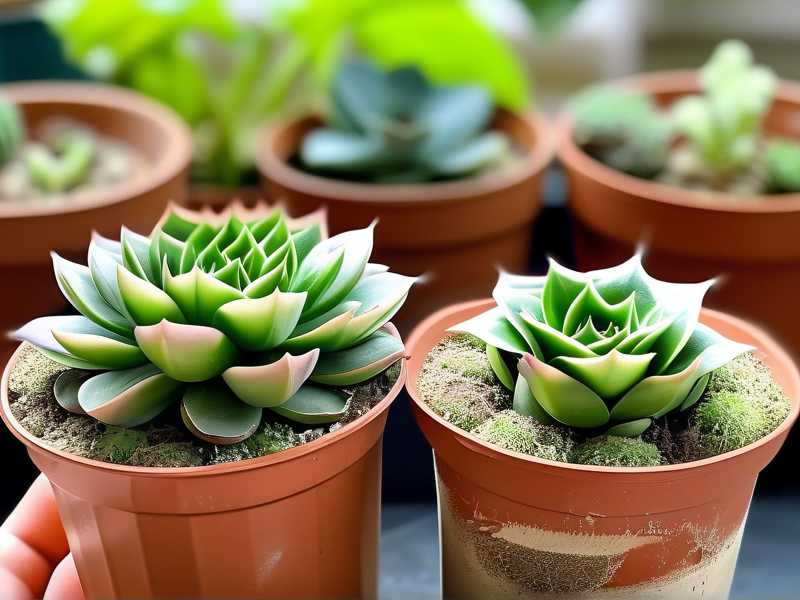
I used a terracotta pot. The porous clay sucks extra moisture away. My old plastic pot was a death trap. I filled it with a mix I make myself: 2 parts pumice, 1 part coarse sand, 1 part cactus soil. Store-bought succulent soil is too water-retentive. I added a 1-inch drainage layer of pebbles at the bottom. Then I placed the callused cutting on top. Buried it just 1/2 inch deep. I pressed the soil firmly around the stem. No water yet. Zero water.
Day 7: First Check
I pushed a wooden skewer into the soil edge. It came out bone dry. Good sign. I lifted the pot. It felt light. No moisture weight. I still didn't water. The stem needed to adjust to its new home.
Day 8-10: Root Development
I noticed tiny white bumps on the lower stem. Those are root primordia. They look like little pimples, but in a good way. I felt hopeful. I misted the soil surface once. Just a fine spray, not a soak. Overwatering a recovering succulent is like pouring gas on a fire. I learned this when I ruined a Haworthia this way.
Day 11-12: First Real Watering
By day 11, the stem felt firm. No mushiness. I gave it a bottom-watering session. I placed the pot in a shallow dish of water for 10 minutes. The soil absorbed moisture from below. This encourages roots to grow downward. After 10 minutes, I removed the pot. Let it drain completely. Then I put it back in its spot.
Day 13-14: Signs of Recovery
On day 14, I saw new green growth at the stem tip. Tiny leaves, pale but alive. The stem stood upright. No lean. No wobble. I performed the finger test: stick your index finger 1 inch into the soil. If it feels dry, water. If not, wait. My soil was almost dry, so I watered again, same bottom method. The plant survived. Actually, it thrived.
3 Deadly Mistakes That Kill Succulents
I made every error you can imagine. Here's what to avoid.
Mistake #1: Watering on a Schedule
I used to water every Sunday, like clockwork. Then my plant rotted. The truth is, succulents don't need a fixed schedule. Water when the soil is completely dry. In winter, that might be every 3 weeks. In summer, every 10 days. Use a moisture meter if you're unsure. I bought one for $10, worth every penny. The American Horticultural Society (AHS) recommends watering only when the top two inches of soil are dry.
Mistake #2: Ignoring Light Needs
I put my succulent in a dark corner. It stretched out like a zombie. That weak growth made it rot faster. Succulents need bright light for at least 6 hours daily. Direct morning sun is best. No sun? Use a grow light. I use a cheap LED bulb 6 inches above my plants. It made a huge difference. Weak plants rot easier.
Mistake #3: Using Wrong Pots
My first pot had no drainage hole. I thought I was being clever by adding pebbles underneath. That's a myth. Without a hole, water pools at the bottom. Rot starts there. Also, avoid glazed ceramic pots. They hold too much moisture. Stick to terracotta or unglazed clay. I switched all my plants to terracotta, and the rot stopped.
What to Do When Stem Rot Is Severe
Sometimes the stem rot has spread into the main body. The leaves fall off at a touch. The base is black. Don't panic. There's still hope. Remove all healthy leaves. Yes, pluck them off. Let them callus for 2 days. Place them on dry soil. Mist once a week. In 4-6 weeks, you'll have baby plants from each leaf. I saved a dying Sedum this way. It felt like magic.
Common Questions About Stem Rot in Succulents
Can you save a succulent with stem rot?
Yes, if you catch it early. Cut off all rot until you hit clean, white tissue. Follow my 2-week plan above. If the rot has reached the crown (the very top), it's harder. You might need to propagate from healthy leaves instead.
How often should I water a recovering succulent?
Much less than a healthy plant. Wait until the soil is completely dry. Then water sparingly. Once every 10-14 days is typical. I use the finger test obsessively. Stick your finger in the soil. If it feels damp, walk away.
What causes stem rot in succulents?
Overwatering is the main cause. But also: poor drainage, low light, cold drafts, and dirty soil. Keep your plant in warm, bright conditions. Use fresh, gritty soil. And never water from above if the stem is wounded. Water from the bottom.
Final Thoughts on Preventing Stem Rot
Preventing stem rot is easier than curing it. Here's my simple rule: When in doubt, don't water. Succulents evolved in dry deserts. They store water like camels. They can go weeks without a drink. So relax. Let the soil dry. Watch for the signs. If you see a soft stem, act fast. Cut it off. Dry it out. Repot. And give it time. In 2 weeks, you'll see new life. I've done it multiple times now. It works.