bluename
 How to Fix succulents With Pale Blue Stem Bases
I see it all the time in plant forums. Someone posts a photo of their succulent with a pale, almost ghostly blue tint creeping up from the base. The leaves look deflated, maybe a little translucent. The panic is real. I get it because I’ve been there myself. Here’s your straightforward fix: Stop watering immediately. Check the roots for rot. Let the soil dry completely for 7 to 14 days. Then repot into a terracotta pot with a drainage hole using a gritty succulent mix.
I learned this the hard way. My first succulent looked perfect at the store. Within two weeks, that pale blue stem base appeared. I thought it needed more water. Big mistake. It killed the plant. That pale blue color on the stem base is almost always the first sign of overwatering leading to root rot. The plant is literally suffocating in wet soil.
Why Does the Stem Base Turn Pale Blue?
The color change happens because the plant tissue is breaking down. It’s not a natural variegation. It’s a cry for help. When you water too often, the roots can’t breathe. They start dying from the bottom up. That pale blue or greyish tone is the stem cells collapsing. Many people mistake it for a healthy color change or sun stress. Trust me, it’s not.
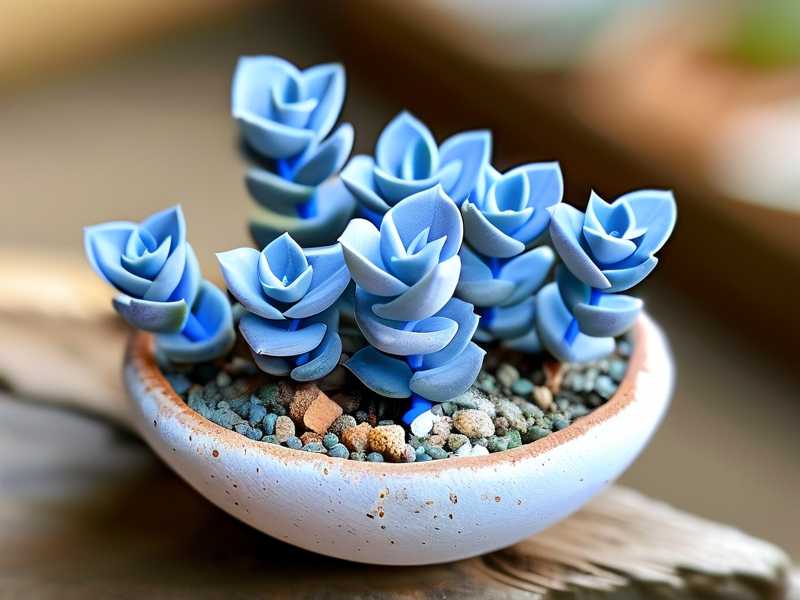
I used to think all succulents were cactus-like. They just want sun and neglect, right? Not exactly. I killed three succulents before I understood the nuance. The pale blue stem base is the equivalent of a person’s skin turning grey from illness. You need to act fast.
The 3 Deadly Mistakes Beginners Make
I’ve made all of these. Honestly, I think every succulent owner does at some point. Let me save you the heartache.
1. Overwatering: The #1 Killer
This is the big one. I used to water my succulents on a rigid schedule. Every Sunday, like clockwork. That’s terrible. 90% of indoor plants die from overwatering, and succulents are especially sensitive. The soil needs to dry out completely between waterings. Not just the top inch. I mean bone dry all the way through.
I remember my second succulent. It was a lovely Echeveria. I watered it every 5 days because the pot felt light. The leaves were plump and happy at first. Then the stem base turned that sickly pale blue within a week. I panicked and watered it more. That sealed its fate. Now I only water when the leaves start to wrinkle slightly. That’s the succulent’s natural cue.
What to do instead: Stick your finger into the soil up to the second knuckle. If it feels damp, don’t water. Get a moisture meter. I use one now. It’s cheap and saves you the guesswork. Also, remember that succulents need way less water in winter. They go dormant.
2. Wrong Light Exposure
Light is another tricky one. I thought putting my succulent on a bright windowsill was enough. Wrong again. Most indoor succulents are sun-starved. They stretch out, get leggy, and the base gets weak. That weak base is more prone to rot and discoloration.
I had a Haworthia on my desk. It got indirect light for 6 hours a day. The stem base started looking pale and thin. I thought it was overwatering. Actually, it was etiolation. The plant was reaching for more light, and the stem couldn’t support itself.
The fix: Succulents need at least 6 hours of direct, bright sunlight each day. If you can’t get that, use a grow light. I bought a cheap LED grow light from Amazon. It made a huge difference. The new growth came in compact and green, not pale.
3. Using the Wrong Pot
This is a sneaky mistake. I bought a beautiful ceramic pot with no drainage hole. It looked so nice on my shelf. The soil stayed wet for a week. The roots basically stewed in their own moisture. That’s a recipe for that pale blue stem base.
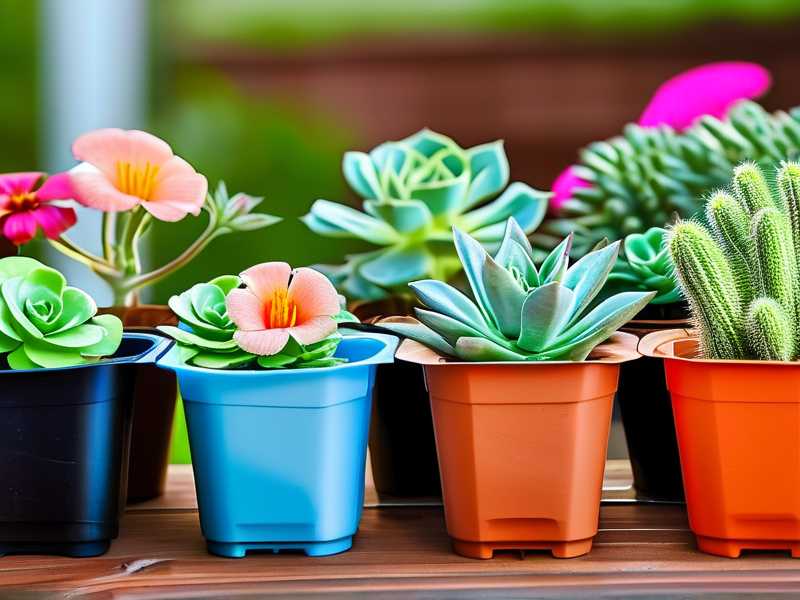
I also used a plastic pot for a while. Plastic retains moisture too much. It’s like putting your plant in a plastic bag. The roots can’t breathe.
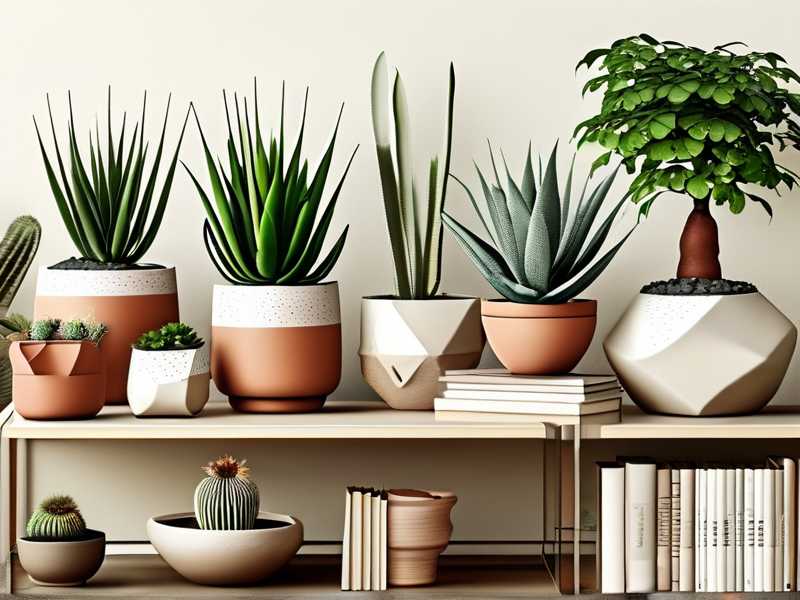
What works: Terracotta pots are the best. They’re porous. They wick away excess moisture from the soil. The soil dries out faster. And always, always have a drainage hole. I learned this after my fourth succulent died. Now every single succulent I own lives in terracotta with a saucer underneath.
My 2-Week Fix: A Step-by-Step Guide
I’m going to walk you through exactly what I did to save a succulent with a pale blue stem base. This worked for me. I use these steps every time I see that color.
Week 1: Rescue and Dry Out
Day 1 - Stop Watering Immediately I stopped touching the watering can. I set it aside. I didn’t even look at it. The first thing you must do is let the soil get bone dry. This gives the roots a chance to recover.
Day 2 - Check the Roots Carefully remove the succulent from its pot. Gently shake off the soil. I was shocked when I saw the roots on my plant. They were brown and mushy. Some were black. That’s rot. I had to act fast.
Day 3 - Cut Away the Rot I used sharp, clean scissors. I cut off all the rotting roots. I also cut away any parts of the stem that were mushy or pale blue. If the rot went too high, I had to behead the plant. I cut the healthy top part off the stem. The cut end was still bright green. That was a good sign.
Day 4 - Let the Wound Callus I placed the healthy top cutting on a dry paper towel. I left it out of direct sunlight. The cut end needs to dry out and form a callus. This prevents infection. I waited 2 days. It felt like forever. But this step is critical.
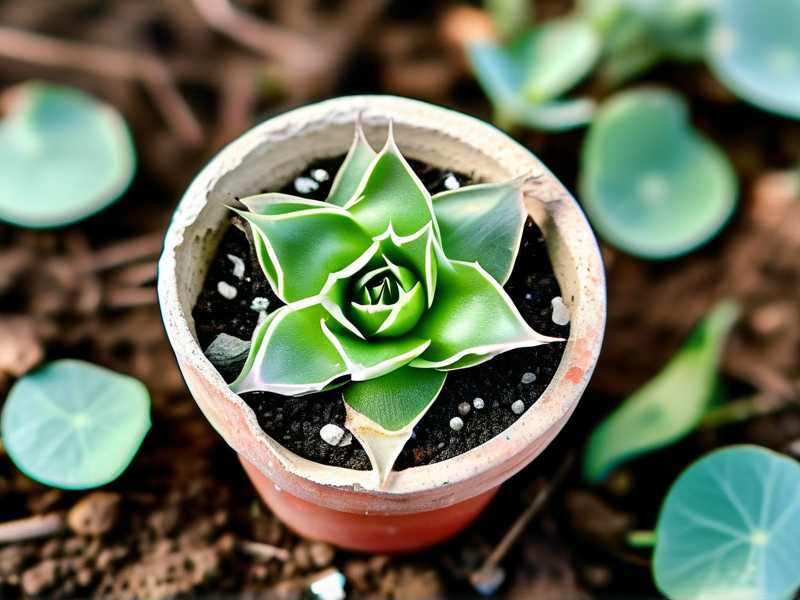
Day 5 - Prepare a New Pot I got a small terracotta pot with a drainage hole. I used a succulent and cactus mix I bought online. I added perlite to it for extra drainage. The mix needs to be gritty and fast-draining.
Day 6 - Repot the Cutting Once the cut end was calloused over (it was dry and hard), I planted it into the new pot. I didn’t water it. The dry soil will encourage the cutting to grow new roots. I placed the pot in a spot with bright, indirect light.
Day 7 - No Water I still didn’t water. I just watched. The leaves looked a bit shriveled. That’s normal. The plant was using its stored energy.
Week 2: Observation and First Gentle Watering
Day 8 - Check for New Roots I gently tugged on the cutting. There was slight resistance. That meant tiny new roots were grabbing the soil. I was relieved. The pale blue color on the stem was still there but wasn’t spreading.
Day 9 - First Light Watering I watered the soil lightly. I used a spray bottle and just moistened the top layer. I didn’t soak it. I wanted to encourage root growth without shocking the plant.
Day 10 - Observe the Color The stem base was still a bit pale blue, but it was drying out. It wasn’t spreading upward. The leaves started to plump up a little. This was the turning point.
Day 11 - More Light I moved the pot to a windowsill with direct morning sun. The plant needs light to photosynthesize. The pale blue tone began to fade slightly.
Day 12 - Pattern Check I noticed the new growth at the top was a healthy, vibrant green. The pale blue at the base was now just a thin line. It was healing. I was careful not to overwater.
Day 13 - Full Dry Out I let the soil dry out completely again. I stuck a wooden skewer into the soil. It came out dry. Good.
Day 14 - The Result After two full weeks, the pale blue stem base was almost gone. The stem had hardened slightly. The plant looked stable. It was no longer mushy or translucent. I watered it again, this time a bit more volume, but only after the soil was completely dry. The succulent survived.
What I Learned From Killing 5 Succulents
I’m not exaggerating. I killed five succulents before I understood this. My biggest lesson was patience. Succulents are not houseplants you can fuss over. They thrive on neglect. But not total neglect. You need to know the signs.
The pale blue stem base is the first red flag. I used to ignore it. I thought it was just the plant’s natural color. Now I know better. I check the stems of my succulents every week. I feel the leaves. I look for any discoloration.
Another lesson: don’t trust the soil in the nursery pot. Many garden centers use regular potting soil for succulents, which holds too much water. I repot all my succulents immediately after buying them. I shake off the old soil and use my own gritty mix.
Common Mistakes I Still See People Make
Mistake: Using a Mist Sprayer as Watering
I see people mist their succulents daily. They think it looks good. But misting doesn’t water the roots at all. It only wets the leaves. This encourages fungal growth and can make the stem base stay damp. Damp stems turn pale blue. Just water deeply when needed.
Mistake: Ignoring Seasonality
Succulents need less water in winter. I used to water them the same amount year-round. That was a disaster. In winter, the plant isn’t actively growing. The soil stays wet for ages. That’s how the pale blue stem base appears. I now cut watering to once every 3 or 4 weeks in winter.
Mistake: Leveling the Soil Too High
I used to fill the pot to the brim with soil. That puts the stem base in direct contact with wet soil all the time. It rots faster. Now I leave a gap at the top. The stem base is above the soil line. It stays dry and healthy.
The Role of Humidity and Airflow
Humidity is another factor. I live in a humid area. My house stays around 60% humidity. That’s too much for succulents. They prefer dry air. High humidity prevents the soil from drying out quickly. I now run a small fan near my succulents. It moves air around and reduces moisture on the stem bases. It also strengthens the plant stems.
I also noticed that succulents in humid rooms get that pale blue stem base faster. The water doesn’t evaporate. It sits there. If you have humidity issues, use a dehumidifier or move your succulents to a drier room.
When to Use Fungicide
Sometimes, the pale blue stem base is caused by a fungal infection. Not just rot. If you cut away the rotten parts and the soil is dry but the color still spreads, you might need a fungicide. I had this happen with one of my Lithops. I used a copper-based fungicide powder. I applied it to the cut area. It helped stop the infection. But only use it as a last resort. Prevention through proper watering is better.
FAQ: Quick Answers to Common Questions
Can a succulent survive if the whole stem is pale blue?
It depends. If only the bottom inch is affected, yes. Cut it off and propagate the top. If the whole stem is soft and mushy, it’s probably too far gone. The leaves might be salvageable. You can propagate individual leaves.
How often should I water a succulent with a pale blue stem?
Zero watering until the soil is bone dry. After that, water only when the leaves show slight wrinkling. Usually that’s every 2 to 3 weeks for indoor succulents.
Is pale blue stem base always bad?
Almost always. I can think of one exception: some Echeveria species have a natural powdery coating that looks slightly blue. But that’s even across the whole plant. The pale blue I’m talking about is localized to the base and looks sickly, not healthy.
Final Thoughts From a Plant Lover
I don’t have a fancy gardening degree. I learned by killing plants and then fixing them. The pale blue stem base is scary when you see it for the first time. But it’s fixable. You just need to be willing to stop watering, check the roots, and give the plant some time to heal. Succulents are resilient.
If you follow my two-week plan, you’ll have a good chance of saving your plant. I’ve done it multiple times. It’s not a quick fix. It takes patience. But watching that pale blue fade and new growth appear is incredibly satisfying.
Check your plants today. Look at the stem bases. If you see that pale blue, you know what to do. Don’t panic. Just follow these steps. Your succulents will thank you.