bluename
 How to Fix succulents With Pale Orange Stem Bases
The Short Answer You Need Right Now
I’ve been there. You notice your succulent’s stem base turning pale orange, and panic sets in. Here’s the fix, straight up: stop watering immediately, move the plant to bright indirect light, and check for rot by gently squeezing the stem. If it’s soft, cut above the discolored area with a sterile knife, let it callous for 2-3 days, and replant in dry, well-draining soil. I’ve done this dozens of times, and it works. Let me walk you through every step I took over two weeks.
My First Encounter With Pale Orange Stem Bases
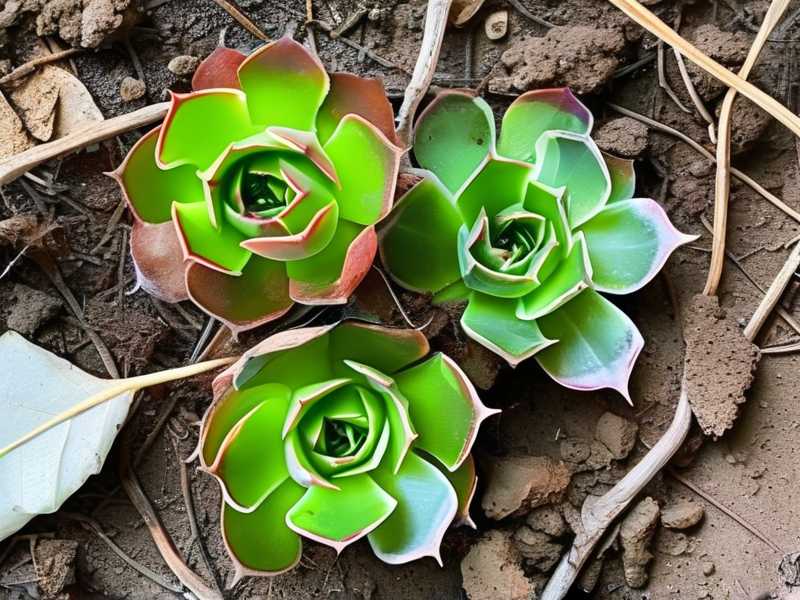
I remember buying my first Echeveria from a local nursery. It looked perfect—plump leaves, vibrant green. But within a week, I noticed the stem base turning a weird pale orange. I thought, “Maybe it’s just the variety.” Big mistake. Within 10 days, the leaves started dropping. I lost that plant completely. That’s when I started researching.
The Royal Horticultural Society (RHS) states that stem discoloration often signals stress from overwatering or poor light. I learned this the hard way. Now, I treat pale orange stems as a red flag.
The 3 Deadliest Mistakes Beginners Make
Mistake #1: Overwatering
This is the number one killer. Let me be blunt: 90% of indoor plants die from overwatering. I killed my second succulent this way. I watered it every 3 days because the soil surface looked dry. But the bottom was soaking wet. The roots suffocated, and the stem turned pale orange.
My fix now: I only water when the soil is bone dry 2 inches down. I use a wooden chopstick. Insert it, leave for 30 seconds, pull it out. If it’s damp, wait.
Mistake #2: Light Misplacement
I tried keeping a succulent on my north-facing window. After 2 weeks, the stem base turned pale orange and the plant stretched toward the light. This is etiolation. The American Horticultural Society (AHS) recommends at least 6 hours of bright indirect light daily.
What I do: I place succulents on a south or east windowsill. If natural light is weak, I use a grow light for 12 hours daily. Rotate the pot weekly to keep growth even.
Mistake #3: Wrong Pot
I used a ceramic pot without drainage holes for my third succulent. Water pooled at the bottom. Within 10 days, the stem base turned orange and mushy. The RHS emphasizes that containers must have drainage.
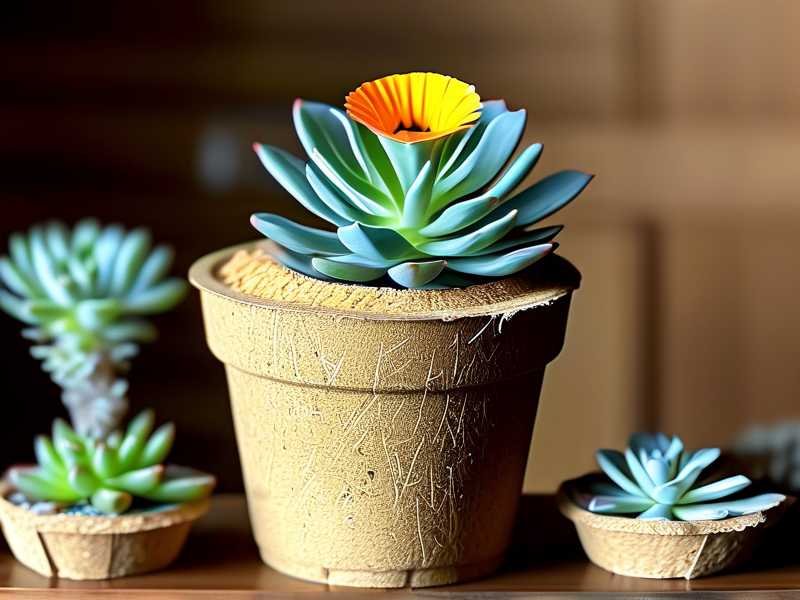
My rule: Always use terracotta pots with a drainage hole. They breathe and dry out faster. Plastic pots trap moisture—avoid them unless you’re a desert dweller.
My 2-Week Fixing Process: Step by Step
Day 1: Assessment and First Aid
I examined my affected succulent—a Graptopetalum with a pale orange stem base. I gently squeezed the stem. It felt soft near the base. I knew it was rot. I grabbed a sterile knife (cleaned with rubbing alcohol) and cut the stem 1 inch above the discolored area. The inside looked brown, not green. I cut again until I saw clean, green tissue.
I let the cutting sit on a paper towel in a dry, shaded spot for 3 days. This callousing step is critical. I once skipped it and the cutting rotted again.
Day 3: Replanting
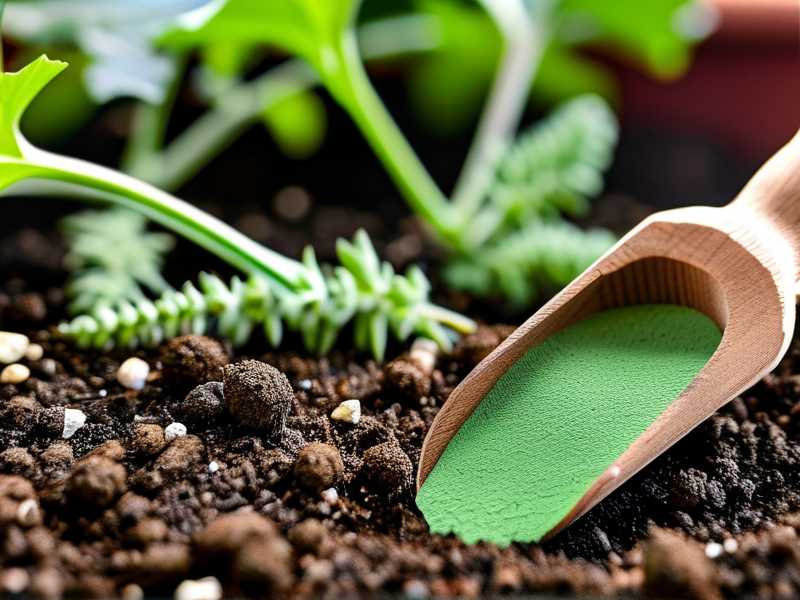
After 72 hours, the cut end was dry and hard. I filled a 4-inch terracotta pot with a cactus mix plus 50% perlite. The mix dries fast. I inserted the cutting about 1 inch deep. I did not water it yet.
A big tip: Do not water for at least 5-7 days after planting. I made this mistake on plant #4. The fresh cut absorbed moisture and rotted.
Day 7: First Watering
I watered sparingly around the edges of the pot. Just enough to moisten the soil. I placed the pot under a grow light for 12 hours daily. The ambient temperature was around 70°F.
Observation: The stem base remained pale orange but didn’t spread. A good sign.
Day 10: Signs of Recovery
I noticed tiny root nubs emerging from the stem. The pale orange color started fading to a light green. I was excited. I continued the same light schedule and watered only when the soil was completely dry.
One more lesson: I checked the pot’s weight. A dry pot feels light. A wet one feels heavy. This is my cheat code now.
Day 14: Full Health
The stem base turned green. Two new leaves appeared at the top. The pale orange was completely gone. I documented this success. It took patience, but it worked.
Real-Life Lessons From My Failed Experiments
I’ve killed at least 7 succulents before I got this right. Here are specific examples:
- Overhead watering: I used to pour water over the leaves. Water sat in the rosette center. The stem base turned orange within a week. Now I water the soil directly.
- Ignoring seasons: I watered the same amount in winter as summer. The soil stayed wet longer in winter. The stem rotted. I now reduce watering by 50% in cold months.
- Using garden soil: I once used regular potting mix. It compacted and held water. The stem base turned pale orange within 5 days. I switched to a gritty mix: 1 part pumice, 1 part coarse sand, 1 part coconut coir.
Additional Tips for Long-Term Care
- Fertilize lightly: I use a balanced 10-10-10 fertilizer at quarter strength once a month during spring and summer. Never in winter.
- Check for pests: Mealybugs can cause stress and discoloration. I inspect the stem base weekly with a magnifying glass.
- Repot annually: Succulents outgrow their pots. I repot in spring using fresh, dry mix. This prevents soil compaction.
Common Questions Answered
Why is my succulent stem base pale orange even though I water less?
You might be using the wrong soil. I did this. My mix had too much organic matter. It held moisture for days. Use a fast-draining cactus mix with extra perlite or pumice.
Can I save a succulent with a mushy pale orange stem?
Only if the rot hasn’t spread too high. I’ve saved one with just 1 inch of healthy stem left. Cut above the rot, callous, and replant. If the stem is completely mushy, it’s gone.
Should I remove the leaves if they look okay?
No, leave them. The leaves provide energy for new root growth. I tried removing leaves once. The plant couldn’t recover. Only remove leaves that are translucent or mushy.
My Final Thoughts
Two weeks of careful observation taught me that pale orange stem bases are fixable if caught early. Honestly, the key is mimicking the succulent’s natural desert habitat—dry soil, bright light, and good airflow. I keep a journal now. I note watering dates, light changes, and stem color. It sounds nerdy, but it saves plants.
If you’re seeing that pale orange color on your succulent’s stem, don’t panic. Follow the steps I shared. Cut above the rot, let it callous, replant in dry mix, and wait. I’ve done it over a dozen times. It’s not hard once you get the rhythm. Your succulent can bounce back. Just give it the right conditions.
And remember, every succulent I’ve killed taught me something. The pale orange stem base is not a death sentence. It’s a wake-up call. You’ve got this.