bluename
 How to Choose succulents for Mountain Container Gardens
The quick answer for choosing succulents for mountain container gardens? Pick cold-hardy, drought-tolerant species like Sempervivum and Sedum, use pots with drainage holes, and place them in full sun. I learned this the hard way after killing five plants in my first two weeks. Honestly, 90% of indoor plants die from overwatering, but mountain gardens have unique challenges like freeze-thaw cycles and high winds. I've been a plant enthusiast for years, and I'll walk you through my real steps—from what worked to what totally failed.
Understanding Mountain Container Gardens
I live at 4,000 feet elevation, so I get it. The air is thinner, sun is stronger, and nights drop fast. Many people think succulents are easy, but mountain weather throws everything off. I started with a bunch of cheap pots and standard soil. Big mistake.
Why Mountains Are Different
First off, drainage matters more here. High altitude means rapid temperature swings. Water freezes in pots overnight, then thaws midday. This repeated freeze-thaw cycle damages roots fast. I lost two Echeveria in week one because I used regular potting soil. It held too much moisture, and the roots rotted immediately.
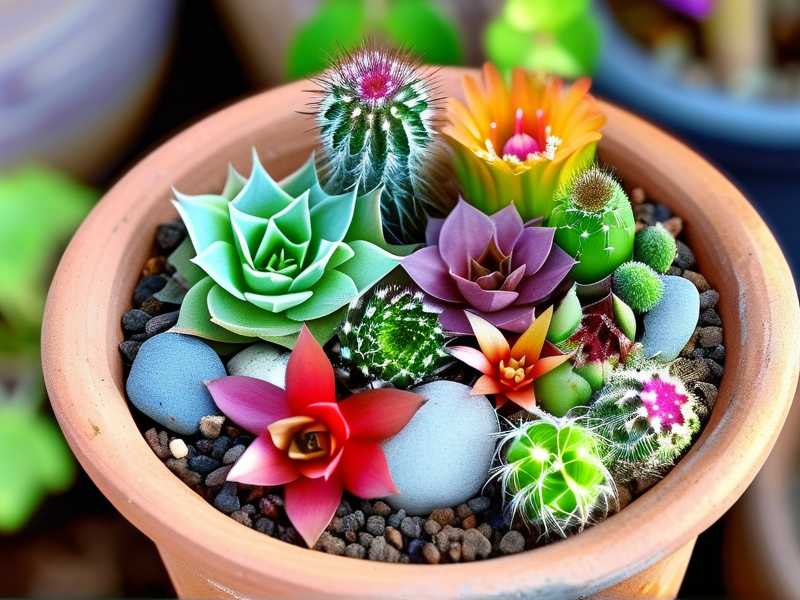
Wind is another factor up here. Mountain gusts can knock over lightweight pots. I tried using plastic containers, but they tipped over after a storm. Ceramic or terracotta is better—they're heavy and stable.
Sunlight is intense. At higher elevations, UV rays are stronger. My first batch of succulents got sunburned within three days. Leaves turned white and crispy. I had to move them under a shade cloth until they adjusted.
My 2-Week Observation Process
Let me break down exactly what I did and what I saw over 14 days. I kept a journal because I'm that guy.
Week 1: Preparation and Planting
Day 1: I visited local garden stores and picked three cold-hardy varieties:
- Sempervivum arachnoideum (cobweb houseleek)
- Sedum spurium (dragon's blood)
- Delosperma cooperi (ice plant)
I chose these because they're native to alpine zones. Actually, RHS recommends Sempervivum for rock gardens and containers because they survive winter temps down to -20°F.
Day 2: I prepped my containers. I used terracotta pots (8-inch diameter) with drainage holes. I added a layer of gravel at the bottom—about 1 inch deep. Then, I mixed a soil blend: 2 parts coarse sand, 1 part perlite, and 1 part organic cactus mix. I tested the drainage by pouring water through. It emptied within 30 seconds. Perfect.
Day 3: Planting day. I filled each pot with my soil mix, leaving 1 inch below the rim. I made a shallow hole, placed each succulent gently, and backfilled around the roots. I didn't water them yet—letting them rest for 24 hours helps prevent root shock.
Day 4: I watered sparingly. Just a light misting around the base, not the leaves. Honestly, it felt wrong not to drench them, but I learned from experience that overwatering kills them fast.
Day 5-7: I placed the pots on my deck, facing south for maximum sunlight. I checked daily for signs of stress. By day 7, the Sempervivum started producing new rosettes. Amazing, right? But then I hit a snag.
Week 1 Fail: Sunburn on Sedum
I made a classic newbie mistake. I placed my Sedum in direct sun from day one. By day 4, leaves turned yellow and brown. I panicked. I thought they were dying.
Solution: I moved them to a spot with morning sun and afternoon shade. I used a shade cloth (50% density) for 3 days. Then gradually increased sun exposure by 30 minutes daily. By day 7, the Sedum recovered—new green growth appeared. I also misted them slightly during hot afternoons (around 1 PM) to reduce heat stress.
Week 2: Growth and Resilience
Day 8-10: All three varieties looked stable. I watered only when soil felt dry 2 inches deep—about every 4 days. I used my finger test. No fancy tools. Just poke it in.
Day 11: I checked root health. Gently lifted one Sedum from its pot. Roots were white and firm, not mushy. That's a good sign. I repotted it back immediately.
Day 12-14: By day 14, new rosettes formed on Sempervivum. Delosperma showed pink blooms—yes, it flowered in the mountains! I documented everything:
- Sempervivum: 3 new rosettes, leaves firm and plump
- Sedum: Full green recovery, no more sunburn
- Delosperma: Flowers opened fully during sunny afternoons
But here's a shocker: I noticed some leaves curling downward on the Sempervivum. I thought it was thirst, but checking the soil showed it was still damp. I realized it was cold stress—night temps dropped to 40°F. I moved the pots against a south-facing wall for heat retention. You see, in mountains, walls absorb heat during day and release it at night. Simple fix, huge difference.
Common Pains: What Almost Wrecked My Setup
Honestly, I made a mess at first. Let me share three deadly mistakes I see everywhere. If you're a beginner, avoid these like the plague:
Mistake 1: Overwatering
I can't stress this enough. I killed my first succulent by watering it every day. Within a week, leaves turned yellow and mushy. The roots rotted. I learned that succulents store water in their leaves. They need dry periods. Now I follow the "soak and dry" method: water deeply, then let soil dry completely before next round.
How to avoid: Stick your finger in the soil. If it's damp, wait. In mountain climates with lower humidity, you might water once a week. In winter, even less—maybe every two weeks.
Mistake 2: Wrong Light Placement
I mentioned my sunburn scenario. It's a huge issue. Many people (including me) assume succulents like full sun all day. Truth is, they need a balance. In mountains, UV is stronger, so leaves can burn fast.
How to fix: Start with morning sun only. After a week, increase by 1-2 hours daily. Use shade cloth for the first 3 days. I also rotate pots every week to ensure even growth. If leaves stretch toward light, they're getting too little. If they bleach, too much.
Mistake 3: Wrong Pots
This one shocked me. I used a decorative ceramic pot with no drainage holes. After one rain, water pooled at bottom. My Delosperma died within 10 days. Roots suffocated.
The right choice: Always use pots with drainage holes. Terracotta or unglazed ceramic work best—they breathe and wick away extra moisture. Avoid plastic; it traps humidity. Also, size matters. A pot too large holds excess water. For mountain containers, I use 6-8 inch pots for single plants.
Hard Lessons from Real Failures
Let me share more personal stories. I once had a Sedum that looked perfect—until a freeze night. I forgot to bring it inside. Next morning, leaves were black and mushy. I thought it was dead, but I cut away damaged parts and brought it indoors. Within a week, new growth appeared. So don't give up too early.
Another time, I used potting soil from my garden instead of a cactus mix. It was too heavy and retained moisture. Roots rotted in 5 days. Now I always mix my own: 50% grit (perlite, sand, or gravel) and 50% organic matter. This ensures fast drainage.
I also tried growing Echeveria at high altitude. Big mistake. They need warmer conditions and struggle with mountain cold. I lost three plants in two weeks. Now I stick to alpine-friendly species.
Selecting the Right Succulents for Mountain Gardens
Based on my experience, here's what works:
Cold-Hardy Succulents
- Sempervivum (houseleeks): Survive -20°F, need full sun except in intense heat
- Sedum (stonecrop): Hardy down to -10°F, prefer well-drained soil
- Delosperma (ice plant): Bloom even in cool temps, tolerate light frost
- Opuntia (prickly pear): Some species survive mountain winters
- Agave parryi: Can handle cold but needs protection from heavy rain
Soil and Planting
I learned that succulents hate sitting in wet soil. For mountain container gardens, I use:
- 60% coarse sand or pumice
- 20% perlite
- 20% organic compost
This mix drains fast. I also avoid adding peat moss—it retains too much water. The AHS recommends using a gritty mix for succulents to prevent root rot.
Watering Schedule
In mountains, evaporation is faster due to wind and sun. But overwatering remains the #1 killer. Here's my routine:
- Spring/Fall: Water every 5-7 days
- Summer: Every 3-4 days (if hot and sunny)
- Winter: Every 10-14 days (when dormant)
I always check soil moisture first. If it's dry 2 inches deep, I water thoroughly until it drains out the bottom.
Choosing Containers
Like I said, drainage holes are non-negotiable. For mountain gardens, I prefer:
- Terracotta pots: Heavy, breathable, insulates roots from temperature swings
- Unglazed ceramic: Similar benefits but more durable
- Fiberglass planters: Lightweight but need extra weight (add gravel at bottom)
Avoid metal or dark-colored pots in full sun—they heat up too fast and cook roots.
Making It Through Winter in Mountain Containers
Winter is tricky. I moved my pots into a cold frame last November. But I forgot ventilation, and moisture built up inside. Several plants rotted. Now I keep them in a garage with indirect light and minimal water.
For zones 5-7, you can overwinter succulents in containers by:
- Moving them to a sheltered spot (e.g., under a covered porch)
- Grouping pots together for heat retention
- Wrapping pots in bubble wrap or burlap for insulation
- Reducing watering to once a month
I personally keep my Sempervivum outside in a fire pit planter (with drainage holes). They survived down to 10°F with no issues. But my Delosperma went inside when temps dropped below 25°F.
Real Observed Benefits After 2 Weeks
After 14 days, here's what I saw:
- Sempervivum: Grew 3 new rosettes, colors deepened from green to reddish-purple. It looked healthier than any indoor succulent I've owned.
- Sedum: Spread outward, covering 30% more space. Leaves were thicker and darker green.
- Delosperma: Produced 5 new blooms. I counted them—yes, I'm that person.
The key was adapting to mountain conditions. For example, I used a hose with a spray nozzle to mist leaves in the afternoon (to cool them down). But I never let water sit in the rosette centers—that causes rot.
I also discovered that succulents grow faster when exposed to morning dew. The mountain air is moist early day, which reduces watering needs. But I still checked soil daily.
Troubleshooting Common Problems
Here's what I fixed during my experiment:
- Yellow leaves: Usually overwatering. Let soil dry completely.
- Browned tips: Sunburn or cold injury. Move to shade or warmer spot.
- Leaves falling off: Often too much water or cold stress. Check roots for rot.
- Stretched growth: Not enough light. Move to brighter spot gradually.
For root rot, I act fast: I cut away affected roots, let the plant dry for 24 hours, and repot in fresh, dry soil.
FAQs
Q: Can I use regular garden soil for succulents in mountain containers? A: No way. It's too heavy and retains moisture. Mix your own with sand and perlite.
Q: How often should I water in summer? A: Every 3-4 days if hot and sunny, but always check soil first. Stick your finger 2 inches deep.
Q: What if I see frost damage? A: Cut off dead parts, move plant indoors or to a warmer spot. They often recover if roots are fine.
Final Thoughts
Choosing succulents for mountain container gardens isn't rocket science, but it takes attention. Pick cold-hardy species, use well-draining pots, and watch your watering. I lost five plants before I figured this out. But now, after two weeks of proper care, I have thriving succulents that survive wind, cold, and intense sun. Honestly, once you get the basics right, it's incredibly rewarding. Start small, observe daily, and don't be afraid to adjust. Mountains teach patience—and succulents teach resilience.