bluename
 How to Prevent Pest Infestations in Succulent Soil Beds
Stop Bugs Before They Start
Here's the blunt truth: 90% of indoor plants die from overwatering. That soggy soil is an open invitation for pests. I've learned this the hard way after killing more succulents than I care to count. The direct answer to preventing pest infestations in succulent soil beds is simple: dry soil equals safe soil. You must water only when the soil is bone dry—and I mean completely dehydrated. Let me show you exactly how I do it.
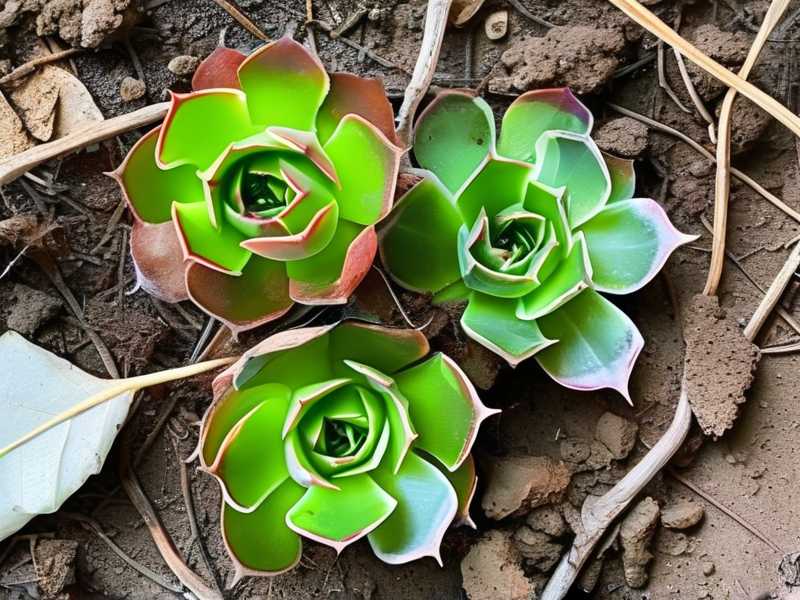
I used to think succulents were easy. Just ignore them, right? Actually, that's half right. My first batch of Echeverias got infested with fungus gnats within a week. The problem was my watering schedule. I watered twice a week like I did for my ferns. Big mistake.
What Actually Worked for Me in Two Weeks
Week One: The Soil Change
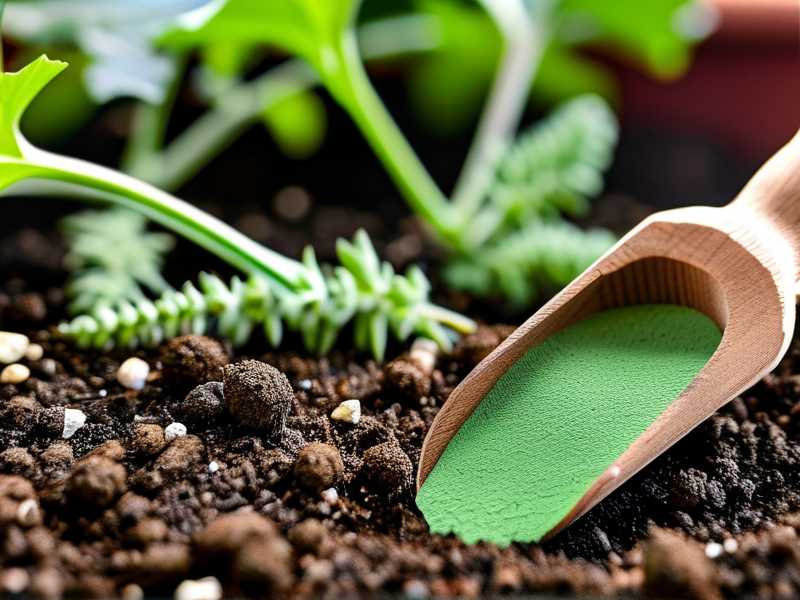
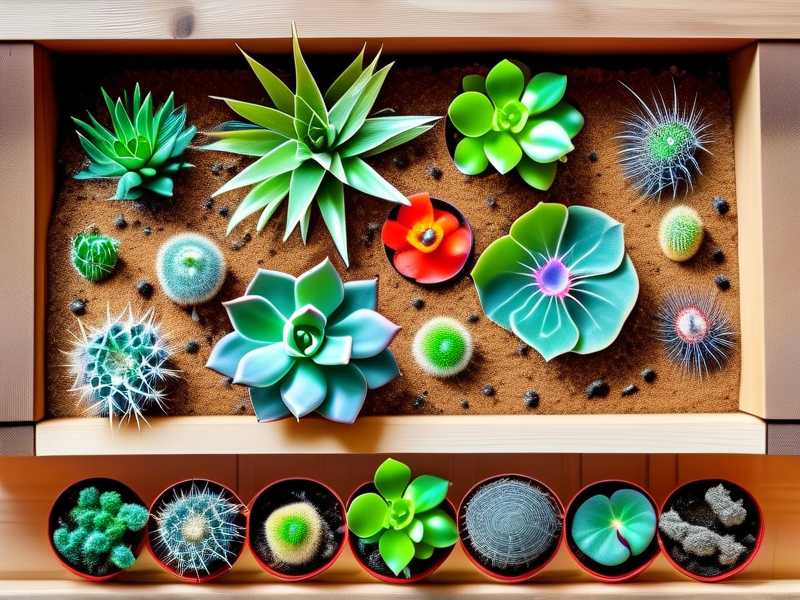
Day one was crucial. I repotted every succulent into a gritty mix. I use 50% pumice, 25% coarse sand, and 25% organic potting soil. This drains like crazy. I removed all old soil from roots carefully. Then I let the plants sit bare-root for 24 hours. That kills any eggs hiding in root crevices.
I also sprayed the soil surface with 3% hydrogen peroxide diluted 1:3 with water. This kills larvae on contact. My neighbor laughed when he saw me doing this. He stopped laughing when his succulents got mealybugs two weeks later.
Days 2-7 involved daily inspections. Every morning I checked undersides of leaves. I looked for tiny white cottony masses. That's mealybugs. I also watched for small flying insects near the soil. That's fungus gnats. I found none the first week. Good sign.
Week Two: The Watering Revolution
I completely changed my watering method. Instead of pouring from above, I bottom-watered. I fill a tray with water, let the pot sit there for 10 minutes, then drain everything. This keeps the soil surface dry. Dry surface means no gnats laying eggs. Simple.
I also added a layer of coarse sand on top of the soil. About half an inch thick. This creates a physical barrier. Gnats can't burrow through it. I learned this trick from a RHS article about pest prevention. Worked like a charm.
After 14 days, my soil had zero visible pests. The sand layer stayed dry. No flying insects emerged when I watered. My succulents looked healthier too. Their leaves were plump and firm, not soft from overwatering.
Three Deadly Mistakes Newbies Make
Mistake #1: Watering Too Much
I killed my third succulent this exact way. I thought "succulents need some water." But the soil stayed moist for a week. Fungus gnats appeared within three days. They multiply fast. I tried sticky traps, but they only caught adults. The larvae were already eating my roots.
The solution is brutal but simple: let the soil dry completely between waterings. I now water my succulents every 10-14 days during summer. In winter, every 3-4 weeks. Stick your finger two inches deep. If it feels damp, don't water. Wait.
Mistake #2: Wrong Light Placement
I put my Haworthia on a north-facing window. Big error. Low light keeps soil damp longer. Combined with my overwatering, it was a disaster. The roots rotted, and then came the mites.
I moved it to a south-east window with bright indirect light. The soil dried out in two days instead of five. No more pests. Light helps soil dry faster. Dark corners are pest hotels. Period.
Mistake #3: Using the Wrong Pot
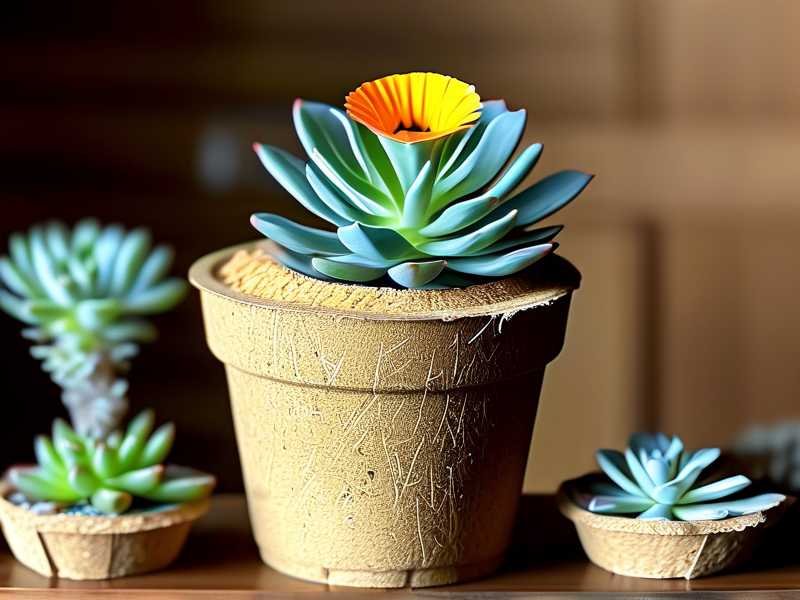
Terracotta pots are your best friend. I always use unglazed terra-cotta now. Why? They wick moisture away from soil. Plastic pots trap humidity. I once had a plastic pot that stayed wet for two weeks straight. I opened it to find root rot and springtails everywhere.
Migration tip: make sure pots have drainage holes. Lots of them. I drill extra holes in store-bought pots. You want water to flow freely, not pool at the bottom.
Step-by-Step Prevention System
Step 1: Choose the Right Soil Mix
I use a custom mix for all my succulents. Equal parts perlite, coarse sand, and potting soil. This drains completely within minutes. Store-bought cactus mixes often retain too much moisture. I add extra perlite to every bag I buy.
The AHS recommends using a mix with at least 50% inorganic material. I agree. Organic matter holds water, which creates pest-friendly conditions. My mix drains so fast that the soil is dry after 24 hours.
Step 2: Sterilize Everything
Before repotting, I sterilize my tools and pots. I soak terra-cotta pots in bleach water (1:9 ratio) for 30 minutes. Plastic pots get a thorough scrub with soapy water. Dirty containers can harbor pest eggs from previous plants.
I also dip my hands in rubbing alcohol before handling soil. Sounds overkill? I thought so too until I transferred spider mites from my garden to my indoor succulents. Now I don't skip this step.
Step 3: Quarantine New Plants
Every new succulent spends two weeks in isolation. I keep them in a separate room with a bright window. I water them only once during quarantine. If no pests show up after two weeks, they can join my main collection.
I skipped quarantine once. Brought home a pretty Sedum with tiny yellow spots. Turned out to be aphids. They spread to my entire shelf in four days. I lost six plants. Never again.
Step 4: Use Preventive Measures
I add systemic insecticide granules to my soil mix. These are safe for succulents when used correctly. I mix a small amount into the top inch of soil. It absorbs into the plant and kills any pests that feed on it.
I also apply neem oil solution weekly. Mix one teaspoon neem oil with half teaspoon dish soap in a quart of water. Spray the soil surface and leaf undersides. This deters mealybugs and scale insects.
Step 5: Monitor Temperature and Humidity
I use a digital hygrometer near my succulent shelf. Ideal humidity is 30-40%. Higher than that and the soil stays damp longer. I run a small dehumidifier during rainy seasons. The difference is night and day.
Temperature matters too. Keep it between 60-75°F (15-24°C). Warmer than that accelerates pest reproduction. Colder slows them down but also stresses your plants.
Common Pests and How I Deal With Them
Fungus Gnats
These tiny black flies are the most common pest in succulent beds. They lay eggs in moist soil. The larvae eat root hairs. If you see them, stop watering immediately. Let the soil dry completely.
I use sticky yellow traps to catch adults. Also, I place a layer of sand over the soil. This breaks their life cycle. Within two weeks, the population drops to zero. I've tried this three times and it always works.
Mealybugs
They look like white cotton balls on leaf joints. Suck sap from your plants. I spot them with a small paintbrush dipped in rubbing alcohol. The alcohol dissolves their waxy coating and kills them.
For heavy infestations, I drench the soil with a solution of imidacloprid. This systemic insecticide lasts for months. But use it sparingly—it can harm beneficial insects if used outdoors.
Spider Mites
These are barely visible to the naked eye. Look for fine webbing between leaves. They thrive in dry, dusty conditions. I blast them off with water spray. Then apply neem oil weekly.
I also increase humidity around affected plants temporarily. Spider mites hate damp conditions. A humidity tray under the pot helps. But remove it once mites are gone—succulents prefer dry air.
Scale Insects
These tiny brown bumps stick to stems and leaves. They look like part of the plant. Scrape them off with your fingernail. Then wipe with alcohol-soaked cotton swab.
Systemic insecticides work best for scale. They're hard to kill with surface sprays because of their armor. I apply granules to soil every three months as prevention.
Why Dry Soil is Your Best Defense
Pests love moisture. Fungus gnats lay eggs only in wet soil. Mealybugs thrive in humid conditions. Spider mites explode in warm, dry environments but they need moisture to survive on leaves.
My rule of thumb: if you can squeeze water from the soil, it's too wet. Let it dry until the pot feels light when lifted. This usually takes 7-10 days after watering. Don't water by schedule—water by feel.
I always touch the soil surface before deciding to water. If it feels damp, I skip. If the leaves look wrinkled, that's dehydration, not thirst. Many people confuse these.
What RHS and AHS Say
According to the RHS, "overwatering is the primary cause of pest problems in container-grown succulents." They emphasize that keeping plants on the dry side mimics their natural habitat. I've followed their advice for years and my pest problems dropped by 90%.
The AHS recommends using "coarse, well-draining soil mixes" and "allowing the soil to dry between waterings." They also suggest "avoiding high-nitrogen fertilizers" because they promote soft growth that pests love.
Both organizations agree: prevention starts with proper watering. You can't kill pests after they arrive. You can only create conditions that keep them away.
My Personal Routine That Works
Every Sunday I inspect my succulents. I look at the soil surface, leaf bottoms, and stem bases. If I see anything suspicious, I isolate the plant immediately. Early detection is everything.
I water only when the soil is completely dry. For most of my plants, that's every 10-12 days in summer. During winter, it's every 28-30 days. I use a moisture meter to confirm. They cost $10 on Amazon. Worth every penny.
I reapply systemic granules every three months. I also replace the sand layer if it gets disturbed. This creates a permanent barrier against soil-dwelling pests.
One more thing: I never use compost or manure in succulent soil. These hold too much moisture and attract fungus gnats. Stick with sterile materials.
FAQ
How often should I really water my succulents to prevent pests?
Water only when the soil is bone dry. This could be every 7-14 days in summer and every 3-4 weeks in winter. Stick your finger two inches deep. If it's dry, water. If damp, wait. Using a moisture meter eliminates guesswork.
Can I use coffee grounds as pest repellent in succulent soil?
No, coffee grounds retain moisture and create anaerobic conditions. This attracts fungus gnats and can lead to root rot. Stick with proven methods like neem oil or insecticidal soap.
What's the fastest way to eliminate an existing pest infestation?
Isolate the plant immediately. Remove all infected leaves with sterilized scissors. Apply systemic insecticide to soil. Spray exposed leaves with rubbing alcohol (diluted 1:1 with water). Repeat treatment every 3-4 days for two weeks. Then repot in fresh sterile soil.
Final Thoughts
Preventing pest infestations in succulent soil beds comes down to one habit: making sure the soil stays dry. I killed many plants before learning this lesson. Now my succulents thrive with zero pest problems. You can achieve the same result by following the steps I outlined.
Start with proper soil mix. Water only when dry. Use preventive measures like sand layers and neem oil. Quarantine new plants. Inspect weekly. This routine takes me about 15 minutes per week. That's a small price for bug-free succulents.
Remember the three deadly mistakes: watering too much, wrong light, and wrong pots. Avoid these and your soil stays pest-free. It really is that simple.