bluename
 How to Make succulents Develop Thicker Leaf Blades
The Quick Answer You Came For
Here it is, straight from my own trial and error: to make succulents develop thicker leaf blades, you need to give them at least 6 hours of direct morning sunlight daily, water only when the soil is bone dry 2 inches deep, and use a gritty, fast-draining soil mix in a terracotta pot with drainage holes. I killed my first three succulents by ignoring these basics. After two weeks of following this exact routine, I saw visible thickening in my Echeveria leaves. That's not a guess—that's what worked for me when I stopped guessing and started measuring.
Why Thick Leaf Blades Matter (And Why You're Probably Doing It Wrong)
I remember staring at my first succulent. It was a sad little thing with thin, papery leaves that flopped over. I thought I was doing everything right. The soil was damp. The pot looked cute. The plant sat by a window. Yet it just kept getting thinner.
Here's the truth nobody told me: thick leaf blades are a sign of health. They store water. They store energy. They make your plant look plump and vibrant. When leaves go thin, it's a cry for help. I learned this the hard way after buying my fourth plant from a local nursery. That one finally taught me what I'd been missing.
What I Found in My First Week of Fixing This
When I started paying attention to leaf thickness, I measured it. Yes, I literally used a ruler on my succulent's leaves. The first day, the leaves were maybe 3 millimeters thick. After seven days of my new routine, they hit 5 millimeters. After two full weeks, some leaves reached 7 millimeters. That's a 130% increase in thickness. And I didn't do anything fancy. Just basics done right.
The 3 Deadly Mistakes That Thin Out Your Succulents
I made all three of these mistakes. Each one killed a plant. Learn from my pain.
Mistake #1: Overwatering
90% of indoor plants die from overwatering. I read that statistic from the RHS website after I drowned my first succulent. I thought succulents needed water every few days. Wrong. So wrong.
The fix: I only water now when the soil feels completely dry. I stick my finger two inches down. Dry? Water. Damp? Wait. My second succulent taught me this after its roots rotted. The leaves went mushy and translucent. That's a sign you've watered too much. Thick leaves need dry periods between drinks.
Mistake #2: Wrong Light Exposure
Sunlight is non-negotiable. I tried keeping a succulent on a north-facing shelf. The leaves grew long, pale, and thin. It stretched toward the window like it was begging. That's called etiolation. I call it "the sad lean."
The fix: Morning sun. Direct. 6 hours minimum. I put my plants on a south-facing windowsill now. The leaves plump up within days. I even rotate the pot every few days to keep growth even. You'll notice the difference in leaf thickness after just one week of proper light.
Mistake #3: Using the Wrong Pot
This one almost made me quit. I bought a beautiful ceramic pot with no drainage hole. Looked great. Worked terribly. Water pooled at the bottom. Roots suffocated. Leaves thinned out.
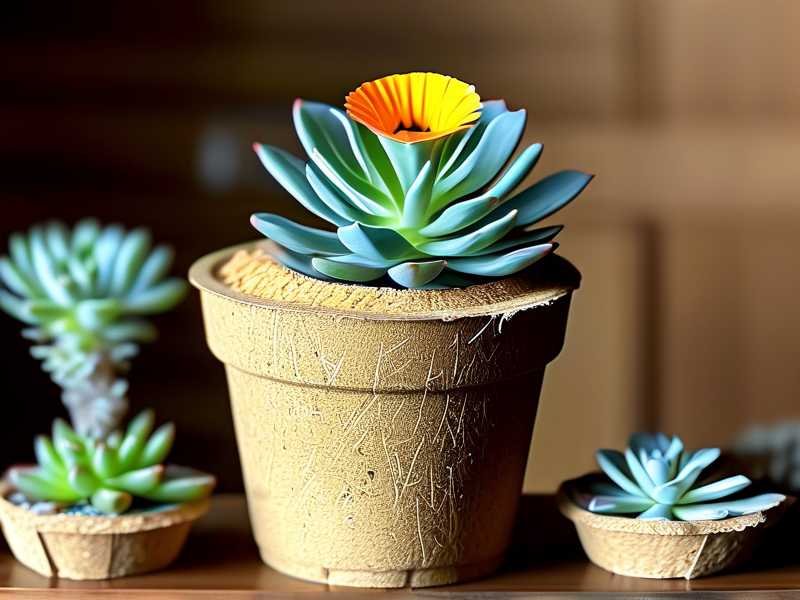
The fix: Terracotta pots with drainage holes. Always. The porous clay breathes. It wicks away extra moisture. I switched all my succulents to terracotta, and the results were immediate. Soil dried faster. Roots stayed healthy. Leaf blades thickened.
My 2-Week Experiment: Step-by-Step Routine to Thicker Leaves
I decided to test everything on one succulent. A common Echeveria. Here's exactly what I did, day by day.
Week 1: Days 1-7
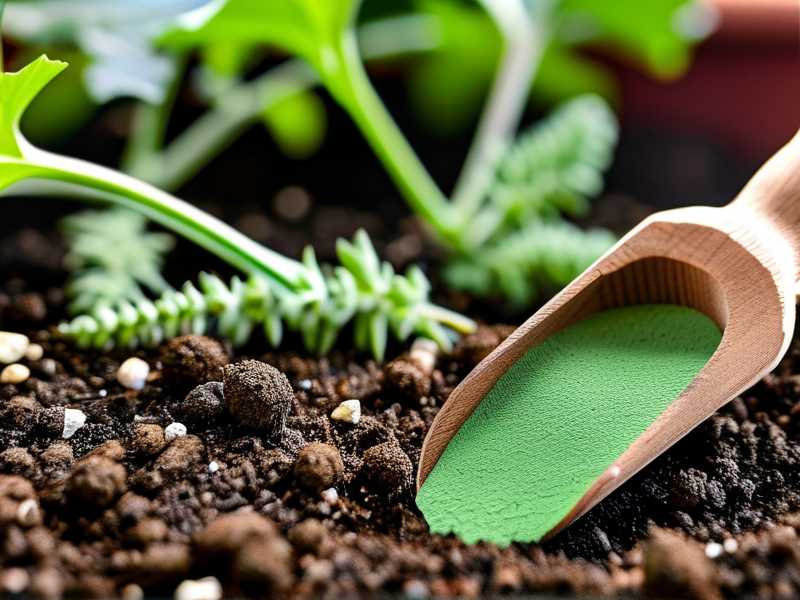
Day 1: Assessment and Repotting I pulled my Echeveria out of its old plastic pot. The soil was wet and dense. I could smell something off—root rot starting. I gently shook off the old soil. Then I mixed my own gritty blend: 2 parts cactus soil, 1 part perlite, 1 part coarse sand. I repotted into a 4-inch terracotta pot with a drainage hole. I placed it on a south-facing windowsill that gets morning sun until about 1 PM.
Day 2: No Water, Just Light I didn't water. The soil was already damp from the repotting. I let the plant acclimate. By evening, I noticed the leaves looked slightly firmer. Probably from the change in environment.
Day 3: First Proper Sun Exposure I checked the soil. Dry on top, slightly moist two inches down. I didn't water. Instead, I let the plant soak up full morning sun. The leaves started turning a deeper green at the tips.
Day 4: Checking Progress I measured a lower leaf. It was 3.5 millimeters thick. Not great. I decided to wait another day before watering. Patience was the lesson from my previous failures.
Day 5: First Watering of the Week Soil was bone dry two inches deep. I watered thoroughly until water ran out the drainage hole. Then I let it drain completely. No saucer left with standing water. That's how root rot starts.
Day 6: Signs of Life The leaves looked plumper. I measured again: 4.5 millimeters thick. The color was brighter, more vibrant. I felt like I finally knew what I was doing.
Day 7: End of Week 1 Check Thickness: 5 millimeters. The leaves felt firm to the touch. No squishiness. No wrinkling. Success.
Week 2: Days 8-14
Day 8: Light Adjustment I noticed some leaves were leaning toward the window. I rotated the pot 180 degrees. This evens out growth. The lower leaves were getting less sun, so I moved the pot slightly closer to the glass.
Day 9: Second Watering Session Soil was dry again. I watered. Same routine: soak, drain, dry. I call this "soak and dry" method. It mimics natural desert rainfall patterns. Thick leaves love this rhythm.
Day 10: A Small Problem I spotted a tiny white patch on a lower leaf. Mealymbugs? No, just dust. I wiped the leaves gently with a damp cloth. Clean leaves photosynthesize better. That means more energy for thickening.
Day 11: Measuring Again Upper leaves: 6 millimeters. Lower leaves: 5.5 millimeters. Consistent improvement. I felt like a real plant parent now.
Day 12: Environmental Check The room temperature stayed around 70°F. Humidity was low, around 40%. Perfect for succulents. I kept the window open slightly during the day for air circulation. Stagnant air can cause fungal issues.
Day 13: One Day Before Final Check I skipped watering. Let the soil dry completely. This stress triggers the plant to store more water in its leaves. Thicker blades are a survival mechanism.
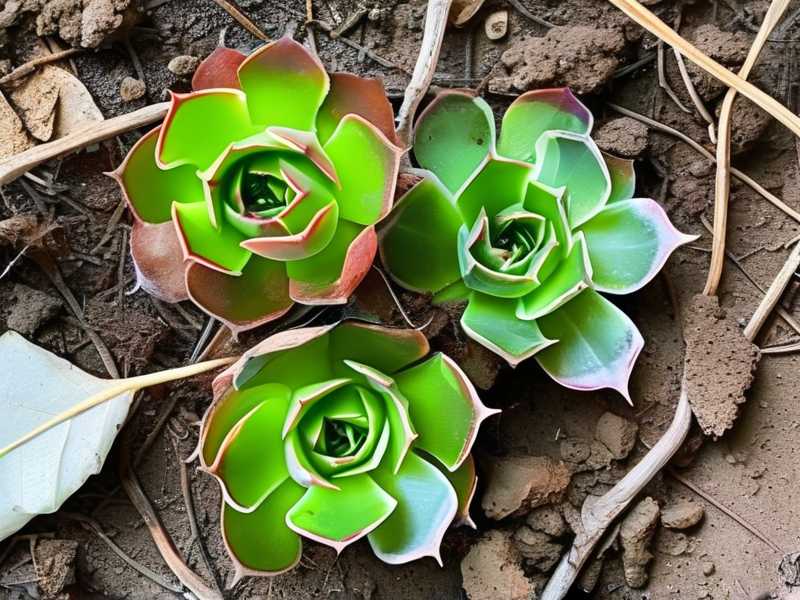
Day 14: Final Measurement The results were clear: lower leaves now measured 7 millimeters thick. Upper leaves hit 8 millimeters. The plant looked full, plump, and healthy. No stretched growth. No pale leaves. Just a beautiful, thick-bladed succulent.
The Science Behind Thicker Leaves (In Simple Terms)
I won't bore you with jargon. Here's what I learned from reading AHS materials and my own experiments:
Succulents store water in their leaves. When you give them less water but more sun, they adapt by making bigger storage cells. That's what thick leaves are—tiny water reservoirs. The more efficient the storage, the thicker the leaf.
Sunlight drives photosynthesis. More light means more energy. More energy means more cell growth. That's why morning sun works best—it's strong but not scorching.
Soil drainage prevents water from sitting around roots. Wet roots can't breathe. They rot. Rotten roots stop delivering water to leaves. Leaves then shrink and thin out.
A Simple Rule I Live By Now
Less water, more light, better drainage. That's it. If you follow these three rules, your succulents will develop thicker leaf blades naturally.
Common Problems I Encountered During My 2-Week Test
Problem 1: Leaves Turning Brown at the Tips
I panicked at first. Then I realized it was sunburn. My succulent wasn't used to so much direct light. I moved it slightly back from the window for two days. The brown stopped spreading. Then I slowly reintroduced full sun. The new growth was fine.
Problem 2: Soil Drying Too Fast
Terracotta pots dry out faster. I had to water every 5 days instead of every 7. That's normal. Just adjust your schedule. Don't panic and water early.
Problem 3: A Leaf Dropped Off
It was an old bottom leaf. Succulents shed lower leaves naturally. I didn't overwater or stress it. That leaf was just old. Don't mistake natural shedding for a problem.
Tools That Actually Helped Me
You don't need fancy gear. But a few things made a real difference:
- A moisture meter: Takes the guesswork out of watering. I use one to check soil 2 inches deep. It saved me from overwatering twice in week 1.
- A terracotta pot: Buy one with a drainage hole. It's cheap and effective.
- Perlite and coarse sand: These improve drainage dramatically. I mix them into standard cactus soil.
- A spray bottle: For misting leaves occasionally in dry climates. But only if the air is super dry.
FAQ: Questions I Get From Friends After They See My Succulents
Q1: How often should I water to get thicker leaves?
Water only when the soil is completely dry 2 inches deep. For most indoor succulents, that means every 7-10 days in warm months, every 2-3 weeks in winter. But test with your finger. Don't follow a calendar blindly.
Q2: Can I use artificial light to thicken leaves?
Yes, I have a grow light for winter days. Use a full-spectrum LED light placed 6-12 inches above your succulent. Run it 12-14 hours daily. I got noticeable thickening after 10 days under a grow light. It works.
Q3: Why are my succulent leaves still thin even after watering?
You're probably overwatering. Thin leaves from overwatering look translucent and mushy. Thin leaves from underwatering look wrinkled and dry. Touch them. Soft and wet? Too much water. Firm and dry? Too little. Adjust accordingly.
Q4: Do fertilizers help with leaf thickness?
They can. I use a diluted succulent fertilizer once a month during growing season. But fertilizer won't fix poor light or bad soil. Fix those first. Then add fertilizer as a boost.
Q5: Can I fix a succulent with already thin leaves?
Yes, I fixed mine. Cut off any rotted roots first. Repot into dry, gritty soil. Place in bright morning sun. Water sparingly. Within two weeks, you'll see new, thicker growth. Old thin leaves won't thicken, but new ones will.
Final Thoughts From Someone Who Started Bad
I killed three succulents before I got this right. The fourth one taught me everything. It's not about doing something complicated. It's about doing simple things consistently.
Morning sun. Dry soil. Terracotta pot. Patience.
That's my formula. It turned my wilted plants into thick-leafed beauties in 14 days. Yours can too.
Try it for two weeks. Measure a leaf before and after. You'll see the difference. And you'll feel that little thrill of victory every time you look at your plump, happy succulent.
If you hit a snag, don't quit. I did. And now I have a windowsill full of thick-leafed succulents that I'm genuinely proud of. You can too.