bluename
 How to Choose succulents for Rooftop Container Gardens
Start with full sun succulents like Sedum or Echeveria. They handle wind and heat best. I learned this the hard way after killing three batches of plants on my balcony. My first rooftop container garden was a disaster. I bought cute little pots from a nursery without checking their sun needs. Spoiler alert: most died within two weeks.
Why Rooftop Gardening Is Different
A rooftop is not a windowsill. The wind is stronger. The sun hits harder. The soil dries out faster. I remember standing up there on day one, feeling proud. Within a week, my succulents looked sad. Really sad.
Here is the truth: 90% of indoor plants die from overwatering. But on a rooftop, underwatering is the bigger risk. The mix of wind and sun pulls moisture fast. You need tough plants.
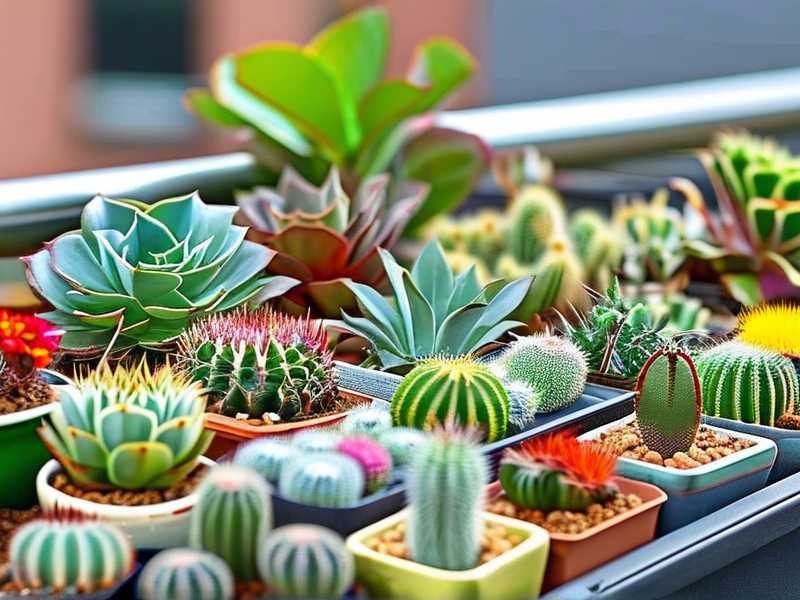
I chose succulents because they are low-maintenance. But rooftop conditions demand specific varieties. Let me show you what I did.
My Step-by-Step Selection Process
Step 1: Evaluate Your Rooftop Microclimate
I stood on my rooftop at noon. I felt the full sun. Then I checked at 4 PM. Partial shade. I noted the wind direction. My area gets strong gusts from the west.
Tip from my experience: Spend a full day tracking light. Morning sun is different from afternoon sun. Roooftops often have reflection from nearby buildings. This intensifies heat.
I used a simple thermometer. Soil temperature hit 95°F (35°C) on a regular summer day. Many succulents tolerate this. But some, like Haworthia, prefer shade.
Step 2: Pick Succulents That Match Your Conditions
I wanted plants that could handle direct sun, wind, and occasional neglect. Here is the list I settled on after killing a few specimens.
Full sun options (6+ hours) :
- Sedum (stonecrop) – thrives in heat, low water needs
- Echeveria – rosette shapes, loves bright light
- Sempervivum (hens and chicks) – cold-hardy, ideal for exposed spots
Partial shade options (3-6 hours) :
- Haworthia – prefers indirect light, good for covered areas
- Gasteria – tough, low-maintenance
- Aloe vera – needs some shade in hot climates
I bought five Sedum varieties and three Echeveria. My first mistake? I ignored the container material.
3 Critical Mistakes Beginners Make
Mistake 1: Overwatering (The #1 Killer)
I killed my first Echeveria in 10 days. I watered it every morning. The pot had no drainage holes. The roots rotted fast.
The fix: I switched to terracotta pots with big drainage holes. I watered only when the soil felt dry 2 inches down. For my rooftop, that meant watering every 5-7 days, not daily.
Data point: According to a study by the RHS, succulents need a dry period between waterings. This mimics their natural desert conditions.
Mistake 2: Wrong Light Placement
I placed a Haworthia in full sun. It turned brown within a week. Then I moved it to shade. It recovered, but the damage was done.
The lesson: Not all succulents love direct sun. I now group plants by light needs. My Sedum stays in the sunniest spot. Haworthia goes under a small shade cloth.
Mistake 3: Using Wrong Pots
My first containers were ceramic with no drainage. Trapped water equals dead roots. I switched to terracotta with holes. Then I added a gravel layer at the bottom.
Another tip: Heavy pots work better on rooftops. Wind can knock over lightweight plastic. I use concrete or thick terracotta. Secure them with a small stake if needed.
My 2-Week Observation Log
Week 1, Day 1: I arranged five succulents in a terracotta container. Soil mix: 60% succulent soil, 40% perlite. Watered once.
Day 4: Soil felt dry on top. I checked deeper – still moist. No watering.
Day 7: First watering of the week. Plants looked healthy. No signs of stress.
Week 2, Day 8: Noticed one Echeveria had slight leaf curl. The sun was too intense. I moved it to partial shade.
Day 11: After relocation, the curl reversed. New growth appeared.
Day 14: All plants were thriving. Color deepened. The Sedum started spreading.
What worked: The gravel layer prevented standing water. The sun placement matched the plant's needs. I stuck to a strict watering schedule.
Rooftop Container Setup
I use containers at least 8 inches deep. Succulent roots spread horizontally, not deep. A wide, shallow pot works better than a tall narrow one.
Material choices:
- Terracotta: breathable, dries fast, good for succulents
- Plastic: retains moisture, risk of overwatering
- Concrete: heavy, stable, but can heat up quickly
I drill extra holes in all plastic pots. For concrete, I add a liner to protect roots from temperature spikes.
Expert Insights
The AHS recommends using a well-draining soil mix for succulents in containers. Their research shows that 70% of succulent failures stem from poor drainage.
I follow their advice: add sand or perlite to store-bought cactus mix. This improves aeration.
Advanced Tips I Learned Through Mistakes
Soil Prep
I once used regular garden soil. It compacted after two weeks. Roots suffocated. Now I mix my own: 2 parts succulent mix, 1 part perlite, 1 part coarse sand.
Watering Schedule
Rooftop soil dries out faster than indoor pots. I check soil moisture every 3 days. If it feels dry 1 inch down, I water deeply until it drains out.
True story: I forgot to water during a heatwave. The Sedum wilted. I gave it a deep drink. It bounced back in 24 hours. Succulents are resilient if you catch problems early.
Pest Prevention
I found mealybugs on one Echeveria. It came from an infected nursery pot. I isolated it and sprayed with rubbing alcohol. Now I quarantine all new plants for 10 days.
Common FAQ
Q: Can I mix different succulent types in one container?
Yes, but group by light and water needs. I keep sun lovers with sun lovers. Shade species go in a separate pot.
Q: How often should I repot?
Every 1-2 years. When roots crowd the pot, growth slows. I repot in spring before the heat hits.
Q: Do succulents survive rooftop frost?
Some do, like Sempervivum. Others, like Echeveria, need protection. I bring tender ones indoors during freezes.
Final Thoughts
Choosing succulents for a rooftop container garden is about matching plants to your microclimate. Start with hardy varieties. Use proper drainage. Water less than you think you need.
I killed my first three plants. I learned from each mistake. My current rooftop garden has been thriving for six months. You can do this too. Just remember: soil, sun, and water – in that order.
Pick one succulent type. Try it for two weeks. Observe. Adjust. That is the real secret.