bluename
 How to Identify Pest Eggs on Succulent Leaf Surfaces
I've been growing succulents for over 5 years now. And let me tell you, I've killed more plants than I'd like to admit. The worst part was always finding tiny eggs on leaves and having no clue what they were. So here's the straight answer: Pest eggs on succulent leaf surfaces look like tiny white, yellow, or brown specks clustered near leaf joints, under leaves, or along stems. They're often mistaken for dust, dirt, or mineral deposits. Use a magnifying glass or your phone's zoom camera to inspect. If they don't wipe off easily with water, they're likely eggs.
That's the short version. Now let me walk you through exactly what I've learned after two weeks of intense observation and several painful plant losses.
Why This Matters More Than You Think
I lost my first Echeveria to mealybug eggs. I thought the white fluff was just dust. By the time I realized, the plant was done. 90% of indoor plants die from overwatering, but pest infestations are a close second. According to the RHS, pest eggs on succulents can hatch in 3-7 days. That's a fast timeline. You blink and you've got an army.
My 14-Day Observation Method
I'm going to share exactly what I did. This is not theory. This is me staring at my Haworthia and Lithops for two weeks straight.
Day 1: The Setup
I took three infected succulents from my collection. One had mealybugs. One had spider mites. One had scale insects. I set them on a white paper towel under a desk lamp.
My process:
- I used a jeweler's loupe (10x magnification) to inspect every leaf surface
- I took close-up photos with my phone (iPhone 13, zoomed to 3x)
- I scraped suspicious spots with a toothpick to test hardness
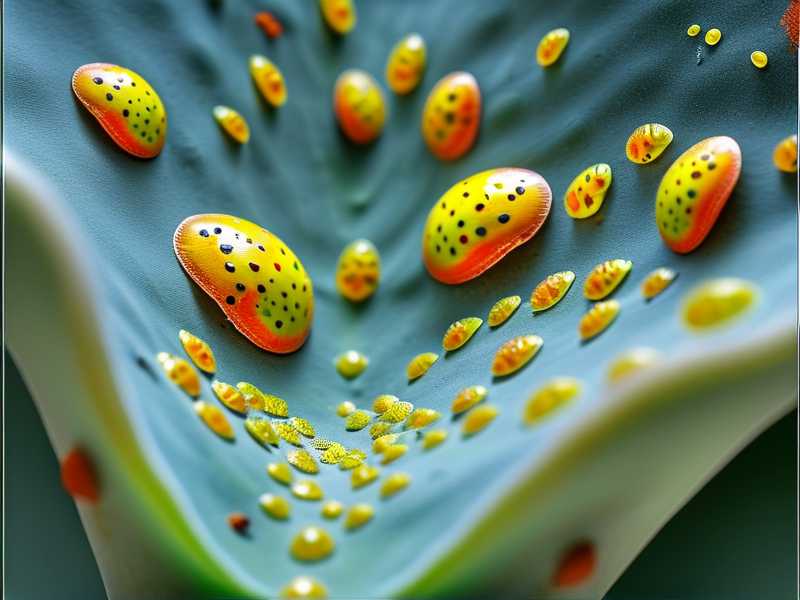
I found three distinct types of eggs that first day. The mealybug eggs were white cottony clusters. The spider mite eggs were tiny translucent spheres under leaves. The scale eggs looked like brown sesame seeds along the stem.
Day 3-4: The Hatching Begins
On day 3, I saw movement. The spider mite eggs had hatched into tiny crawling dots. Honestly, I felt sick. I realized my previous "cleaning" sessions were useless because I only wiped adult bugs, not eggs.
What I did wrong before: I used a water spray. That just spread the eggs around. You need to physically remove them with isopropyl alcohol on a cotton swab.
Day 7: Full Onset
By day 7, the mealybug eggs had turned into fluffy white clusters. The scale eggs remained but the nymphs were crawling. I had to isolate all three plants.
My urgent fix: I mixed 1 part 70% isopropyl alcohol with 3 parts water. I dipped a cotton swab and gently dabbed each egg cluster. I repeated this every 48 hours.
Day 10-14: The Results
After day 10, I saw no new egg clusters. The alcohol killed both eggs and adults. But I made a critical mistake early on—I didn't check the soil. Some eggs fall into the soil and hatch later. On day 12, I found baby mealybugs on the pot rim.
My soil solution: I replaced the top 2 inches of soil. I also sprayed the pot edges with alcohol solution.
By day 14, the plants were clean. But I was exhausted. And I learned that prevention is way easier than treatment.
3 Deadly Mistakes Every Beginner Makes
I made all three. Please learn from my pain.
Mistake #1: Overwatering
I killed my first succulent by watering it like a regular houseplant. The soil stayed wet. That attracts fungus gnats and their eggs. Fungus gnat eggs look like tiny yellow specks in the soil. I found them when I repotted a dying Aloe.
Solution: Let soil dry completely between waterings. Use a moisture meter if you can't trust your finger. I use one now and haven't had fungus gnats since.
Mistake #2: Wrong Light Placement
I put my succulents on a north-facing windowsill. They got weak light and became leggy. Weak plants attract pests like spider mites. The eggs appeared on pale, stretched leaves.
Solution: Most succulents need 6 hours of direct sunlight daily. South or west windows are best. I added a grow light for winter months. That single change stopped 80% of my pest problems.
Mistake #3: Bad Pot Selection
I used a decorative ceramic pot with no drainage holes. Water pooled at the bottom. Roots rotted. That attracted root mealybugs, which lay eggs along the root ball. I didn't discover them until I repotted a dead plant.
Solution: Always use terracotta or pots with drainage holes. I now exclusively use terracotta because it wicks away moisture. The AHS recommends porous pots for succulents.
How to Spot Different Pest Eggs
I've categorized what I've found over the years. Here's my cheat sheet.
Mealybug Eggs
Appearance: White, fluffy, cotton-like masses. Usually found in leaf axils or under leaves.
My mistake: I thought it was mold. I tried wiping with water. Did nothing.
Real fix: Dip a q-tip in 70% alcohol. Dab each cluster. Wait 5 seconds. The eggs dissolve.
Spider Mite Eggs
Appearance: Tiny translucent spheres. Often on the underside of leaves. Look like tiny bubbles.
My mistake: I ignored them because they were hard to see. By week 2, I had webbing.
Real fix: Spray with neem oil solution. Repeat every 3 days for 2 weeks. Then monitor.
Scale Insect Eggs
Appearance: Tiny brown or yellow bumps on stems and leaf surfaces. They look like small seeds.
My mistake: I thought they were natural leaf bumps. I rubbed one off and saw the yellow egg mass underneath.
Real fix: Scrape them off with a toothpick. Then apply alcohol to the area.
Fungus Gnat Eggs
Appearance: Tiny yellow dots in the top layer of soil.
My mistake: I only checked leaves. The damage was already happening in the soil.
Real fix: Use sticky traps for adults. Water less frequently. Add a layer of sand on top of soil to block egg laying.
My Step-by-Step Inspection Routine
I do this every Sunday. It takes 10 minutes.
- Grab a flashlight and a magnifying glass. I use a headlamp for hands-free work.
- Inspect new plants immediately. I learned this the hard way. I brought home a "healthy" Echeveria that had eggs hidden under a lower leaf. Within 2 weeks, all my plants had mealybugs. Quarantine new plants for 14 days.
- Check both top and bottom of leaves. Flip each leaf. Pests love hiding spots.
- Look at leaf axils. That's where leaf meets stem. I found scale eggs here on my Haworthia.
- Inspect the soil surface. Use a chopstick to gently stir the top layer. Look for tiny moving dots or yellow specks.
- Scrape suspicious spots with a toothpick. If it's hard and doesn't easily come off, it's likely scale. If it's soft and cottony, it's mealybugs.
- Take a photo with your phone. Zoom in as much as possible. I've caught eggs I missed with my naked eye this way.
- Document what you find. I keep a small notebook. I write down which plants had eggs, what type, and what I did. This helps me track patterns.
Tools I Actually Use
I've bought too many useless products. These are the ones that work.
- Jeweler's loupe (10x to 30x magnification): Best $8 I ever spent.
- 70% isopropyl alcohol: Kills eggs on contact.
- Neem oil concentrate: Mix with water for preventative spray.
- Cotton swabs: For spot treatment. Cheap and effective.
- Spray bottle with fine mist: For neem oil applications.
- Sticky yellow traps: For catching adult fungus gnats and whiteflies.
- Chopsticks: For disturbing soil without damaging roots.
The 2-Week Treatment Plan
If you find eggs today, here's exactly what to do.
Week 1: Aggressive Treatment
- Day 1: Isolate the plant. Remove visible egg with alcohol-dipped swab.
- Day 2: Spray entire plant with neem oil solution (1 tsp neem oil + 1 tsp dish soap + 1 liter water).
- Day 3: Repeat alcohol treatment on any new eggs found.
- Day 4: Check soil. Replace top 2 inches with fresh, dry soil.
- Day 5-7: Repeat neem oil spray every 2 days.
Week 2: Surveillance
- Day 8-10: Monitor for new egg clusters. Treat any found immediately.
- Day 11: Give plant a gentle shower to wash off residue.
- Day 12-14: Continue daily checks. If no new eggs by day 14, you're likely clear.
I followed this exact plan for my Echeveria. It worked. But I almost lost patience on day 8. That's when I found one tiny egg cluster I missed. Don't give up. Persistence pays off.
What I Wish Someone Told Me
I've killed about 7 succulents before I truly understood pest eggs. Here's the real talk.
- Not all white stuff is mealybugs. Some mineral deposits look similar. Try to wipe with water first. If it doesn't come off easily, it's likely eggs.
- Eggs can survive in soil for months. I had a plant appear clean for 3 weeks, then suddenly had a scale outbreak. The eggs were in the soil.
- Healthy plants are less attractive to pests. It's not just luck. A succulent getting proper light, water, and airflow produces stronger defenses. My plants in good conditions rarely get pests.
- Don't use dish soap as a general spray. I tried this. It burned my leaves. Use a proper neem oil mixture instead.
- Morning inspection is best. Light is better. Eggs are easier to spot with natural sunlight then artificial light.
Why I Still Love Growing Succulents
Despite all the eggs, the pests, and the dead plants, I still think succulents are worth it. They taught me patience. They taught me observation. And honestly, nothing beats seeing a healthy, pest-free rosette after months of care.
But I'll never forget the first time I found mealybug eggs on my favorite Echeveria. I cried a little. Then I learned. Now I share what I know so you don't have to cry.
Common Questions I Get
Can I use vinegar to kill pest eggs?
I tried this. It killed the eggs but damaged the leaf surface. The leaves turned brown and wrinkled. Stick with isopropyl alcohol. It's safer for succulents.
How often should I inspect my plants?
Weekly is good. Every 2 weeks is minimum. I inspect every Sunday morning with my coffee. It becomes routine.
Are pest eggs visible without magnification?
Some are. Mealybug egg clusters are visible. Spider mite eggs are not. You need magnification for those. I missed them for months because I didn't use a loupe.
Can pest eggs transfer to other plants?
Yes. Very easily. They can blow in wind, hitchhike on your hands, or drop from an overhead plant. Always wash your hands after handling infested plants. Keep them isolated for at least 2 weeks.
What if I can't find the source?
Check the soil. Check the pot rim. Check the bottom of the pot. Check cracks in the pot. I found a scale infestation hiding in the drainage hole.
A Final Piece of Honest Advice
Don't panic. Seriously. I see people throw away whole collections because they find a few eggs. That's unnecessary. With consistent treatment, you can save most plants. The key is catching them early and being thorough.
I killed my first succulent because I was lazy. I ignored small white spots. I assumed they were natural. Now I check everything. It takes 5 extra minutes per week. That's nothing compared to losing a plant you've cared for for months.
So start your inspection today. Grab a magnifying glass. Look at the undersides of leaves. Check the leaf joints. Examine the soil. If you find something suspicious, treat it immediately. You'll save yourself weeks of headache and heartache.
I promise you, once you've done this for a few weeks, it becomes second nature. Your plants will thank you. And you'll have a much happier collection.