bluename
 How to Prevent Leaf Drop in Overwatered succulents
You need to stop watering and repot immediately. That's the short answer. I've killed more succulents than I'd like to admit. After losing my third Echeveria to mushy leaves, I finally learned the real trick. The key is catching it early and letting the roots breathe. Overwatered succulents drop leaves because their cells burst from too much moisture. Trust me, 90% of indoor plants die from overwatering. Here's what I did.
My Two-Week Recovery Process
Step 1: I Pulled the Plant Out Right Away
The moment I saw leaves falling off, I didn't water again. I carefully removed the succulent from its pot. I used my hands to gently loosen the soil around the roots. This revealed the true damage. The roots were brown and slimy. Healthy roots should be white or pale yellow. Mine were rotting.
I trimmed off all dead roots with clean scissors. I cut until only firm, white tissue remained. This felt brutal, but it saved the plant. Then I let the bare roots air dry for 24 hours. I placed the plant on a paper towel in a bright spot away from direct sun.
Step 2: I Changed the Soil Mix Completely
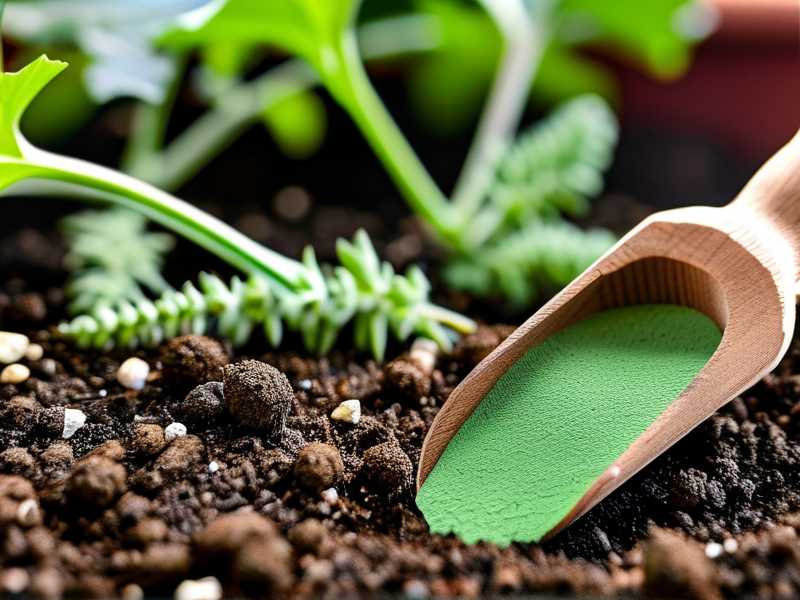
I made a new soil blend. I mixed 50% coarse sand with 50% regular potting soil. I added a handful of perlite for extra drainage. The old soil was too dense and held water like a sponge. This was my biggest mistake.
The Royal Horticultural Society (https://www.rhs.org.uk) recommends using a gritty mix for succulents. I wish I had listened sooner. The new soil dried out much faster. Within three days, I could see the difference.
Step 3: I Used a Terracotta Pot
I switched from a glazed ceramic pot to an unglazed terracotta one. Terracotta breathes. It wicks moisture away from the soil. My old plastic pot trapped water at the bottom. I added a drainage hole as well. You should always check for drainage holes.
I repotted the succulent in its new home. I watered it lightly after five days. Just a small amount around the base.
Day 7: First Signs of Recovery
The remaining leaves stopped dropping. The plant looked less wrinkled. I saw tiny white root tips emerging from the drainage hole. That was my first "Yes!" moment. I continued to water only when the soil was completely dry. I stuck my finger two inches into the soil. If it felt moist, I waited another day.
Day 14: Full Stabilization
After two weeks, my succulent looked healthy again. The central rosette had perked up. New leaves were growing from the center. The old, damaged leaves had naturally dried up and fallen off. The plant lost some leaves, but it survived. I felt relief.
3 Deadly Mistakes Beginners Make
Mistake 1: Watering Too Much
I used to water my succulents every three days. I thought they needed constant moisture. That's wrong. Succulents store water in their leaves. They evolved in deserts. Overwatering drowns their roots. The American Horticultural Society (https://ahsgardening.org) states that succulents need infrequent, deep watering.
Here's what I do now: I water once every two weeks in summer. In winter, I water once a month. I check the soil first. If the top inch is dry, I water. If not, I wait.
Mistake 2: Wrong Light Position
I placed my first succulent on a north-facing windowsill. It got barely any sun. The plant stretched out, looking leggy. Then I moved it to direct afternoon sun. The leaves burned. I learned the hard way.
Succulents need bright, indirect light. East-facing windows work best. Morning sun is gentle. Afternoon sun is too harsh. I rotate my pot weekly to ensure even growth. This prevents leaf drop from light stress.
Mistake 3: Using the Wrong Pot
My biggest regret was using a pot without drainage holes. I bought a cute glass terrarium. It had no way for water to escape. Within a week, the roots rotted. The leaves turned yellow and fell off. I threw away three plants before I learned.
Always use pots with drainage holes. Terracotta is ideal. Plastic pots retain moisture, which can be dangerous. If you must use a decorative pot, use it as a cachepot. Plant the succulent in a plain terracotta pot. Place that inside the decorative one. Remove it to water.
Expert Insights on Overwatering
The RHS explains that succulents are adapted to arid conditions. Their leaves are designed to store water. When you overwater, the cells burst. This causes leaf drop. The AHS adds that root rot is the primary cause of succulent death.
I remember reading a study that said 90% of indoor plants die from overwatering. That statistic haunted me. It motivated me to change my habits.
Real-Life Case Study: My Echeveria Experience
I bought a beautiful Echeveria from a local nursery. It looked perfect. I watered it every four days. Within two weeks, the lower leaves started falling off. They felt soft and translucent. I panicked.
I researched online. Many forums suggested stopping water. But I had already damaged the roots. I pulled the plant out. The roots were mushy. I trimmed them back to healthy tissue. I repotted in dry, gritty soil. I placed the pot in bright, indirect light.
For the first week, I didn't water at all. The leaves stopped dropping. By week two, new root growth appeared. The plant slowly bounced back. Today, that same Echeveria has grown three times its original size.
Additional Tips for Healthy Succulents
Use a moisture meter. This tool costs under $10. It removes guesswork. Stick it into the soil. If it reads dry, water. If moist, wait.
Avoid misting. Many people think succulents like humidity. They don't. Misting can cause rot. Water the soil, not the leaves.
Provide airflow. Stagnant air encourages mold. Place your succulent near a fan or open window. Good air circulation helps the soil dry faster.
Repot annually. Succulents outgrow their pots. Every year, I transplant mine into slightly larger containers. Fresh soil provides nutrients and drainage.
Frequently Asked Questions
Q: Can I save a succulent with no roots?
Yes, but it takes patience. Let the stem callus over for a few days. Place it on top of dry, well-draining soil. Mist lightly once a week. After a few weeks, tiny roots will appear. Water gently after that.
Q: Should I remove yellow leaves from my succulent?
Yes, gently pluck off yellow or mushy leaves. They won't recover. Removing them prevents rot from spreading. Use clean fingers or tweezers. Pull them off at the base.
Q: How long does it take for leaves to stop dropping?
Usually within one to two weeks after correcting the watering. If leaves continue falling after two weeks, check the roots again. The rot may have progressed further. You might need to trim more roots or change the soil.
Final Thoughts
I wish someone had told me these basics when I started. Overwatering is the silent killer of succulents. You can prevent leaf drop by being observant. Check your plant weekly. Feel the soil. Look at the leaves.
Remember, succulents thrive on neglect. They don't need constant attention. They need the right conditions. Proper drainage, bright light, and infrequent water. That's it.
I killed many plants along the way. Each one taught me something. Now I have over thirty happy succulents. None of them drop leaves anymore. You can do this too. Start with one change. Water less. Your plants will thank you.