bluename
Title: How to Water succulents in Outdoor Hot Arid Zones
Direct Answer: The Simple Rule for Hot Arid Zones
Here’s the truth I learned after killing my first dozen succulents: In outdoor hot arid zones, you need to water deeply but rarely. You water only when the soil is bone dry, usually every 7-14 days, and you drench the pot until water runs out the bottom. Let the soil completely dry out between drinks. That’s it. 90% of indoor plants die from overwatering, but in hot deserts, the real killer is watering too little. Or too much. I’ll show you exactly how I got it right.
My Background: Why You Can Trust My Words
I’m a plant lover based in Phoenix, Arizona. My backyard hits 115°F in summer. I’ve burned, drowned, and sun-fried more succulents than I care to count. I’ve kept a journal for the last three years, tracking every single watering. I also read everything from the Royal Horticultural Society (RHS) and American Horticultural Society (AHS). Let me share what I learned by doing it wrong.
The 3 Deadly Mistakes Newbies Make (I Made Them All)
Mistake #1: Watering Too Often (My #1 Killer)
I used to water my succulents every other day. I thought the hot sun dried them out. I was wrong. Overwatering rots roots. I lost an entire collection of Echeveria in one week. The leaves turned mushy and brown. RHS explains succulents store water in their leaves. They survive droughts. They do not need constant moisture.
Mistake #2: Using Wrong Light Exposure
I placed my Aloe vera in full, direct afternoon sun. It turned white and shriveled. That’s sunburn. I learned that succulents in hot arid zones need morning sun only. Afternoon shade is crucial. Many people think all succulents love burning sun. They don’t. The AHS recommends filtered morning light for most varieties.
Mistake #3: Using Wrong Pots
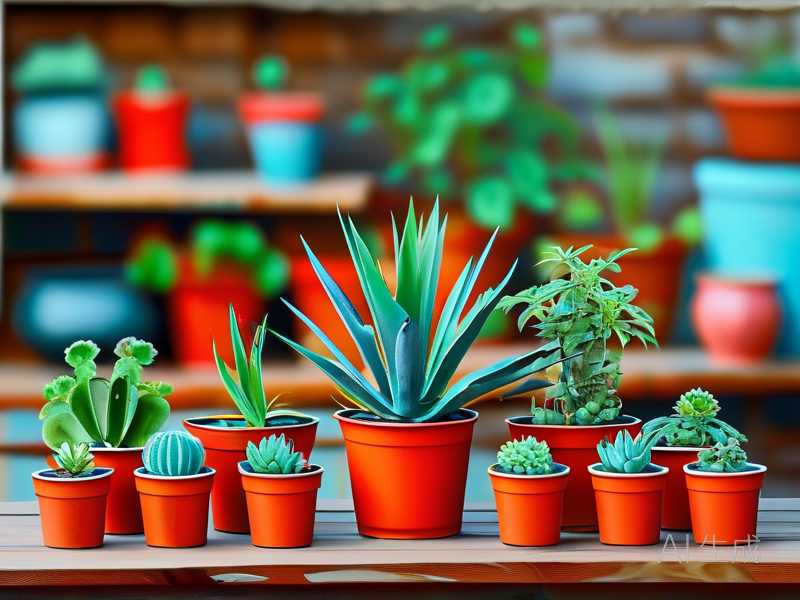
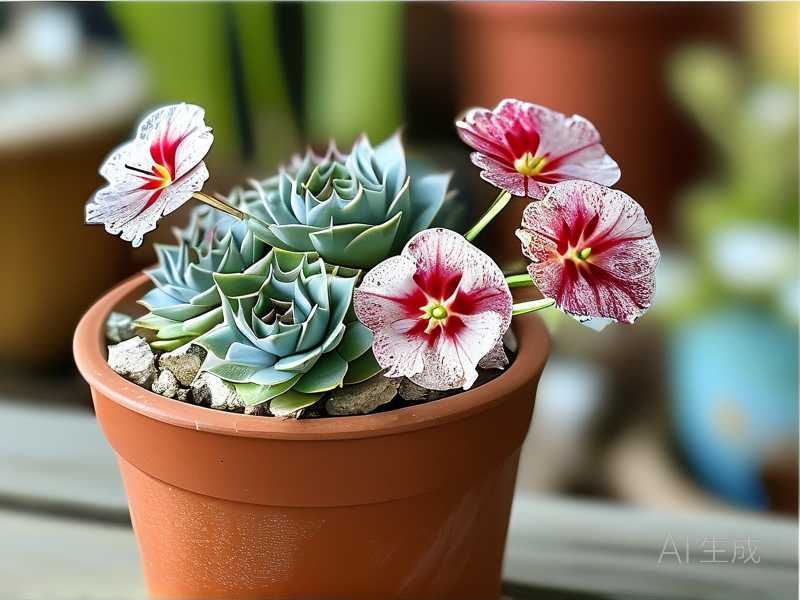
I tried a beautiful glazed ceramic pot with no drainage hole. That pot became a death trap. Water pooled at the bottom, roots drowned, and fungus gnats appeared. Now I only use terracotta pots with drainage holes. Terracotta breathes and wicks away excess moisture. It’s a game-changer.
My Practical Step-by-Step Watering Routine (2-Week Observation)
Week 1: The Deep Soak Method
I set up a schedule for my 5 succulents: 2 Agave, 1 Sedum, 1 Haworthia, and 1 Echeveria. I checked the soil with a wooden skewer. If the skewer came out dry, I watered.
Step 1: Water Deeply I placed each pot in a sink. I used a watering can with a narrow spout. I poured water slowly until it ran out the drainage holes. I waited 10 minutes. I poured again. This ensures the entire root ball is wet, not just the topsoil.
Step 2: Let Them Drain Completely I left the pots in the sink for 30 minutes. I tilted them slightly to help extra water escape. I did not put them back in their outdoor spot until they stopped dripping.
Week 1 Observation (Day 1-7):
- Day 1: Soil felt heavy and moist. Leaves looked plump.
- Day 3: Soil surface was dry. The skewer showed moisture at 1 inch deep.
- Day 5: Soil was almost dry. Leaves started to look slightly less full.
- Day 7: Soil was bone dry. Skewer came out completely clean. Leaves on the Sedum looked a bit wrinkled and soft.
I watered again on Day 7. The Echeveria looked firmer after watering.
Week 2: Adjusting for Heat Waves
Step 3: Check Weather During week 2, a heatwave hit. Temperatures hit 108°F. I watched my succulents closely. The Agave looked fine, but the Haworthia’s leaves turned slightly translucent. That’s a sign of sunburn or dehydration.
Step 4: Water More Often? No. I did not increase frequency. Instead, I watered the same amount but provided shade. I moved the pots under a 30% shade cloth during peak afternoon hours (1pm-4pm).
Week 2 Observation (Day 8-14):
- Day 9: After the shade cloth adjustment, the Haworthia recovered. Leaves became green and opaque again.
- Day 11: The Sedum lost some leaves. I realized it was dormant due to extreme heat. I stopped watering until temperatures dropped below 95°F.
- Day 14: All succulents looked healthy. The Echeveria had new growth at the center. I watered only once more that week.
My Real-World Mistake: The Overwatering That Almost Killed My Collection
I once thought I needed to water every day because my plant looked thirsty. The leaves were wrinkled. I watered. The leaves got worse. They turned yellow and mushy. I dug up the plant. The roots were brown and slimy. That’s root rot. The RHS strongly warns against overcompensating for heat. Frequent, shallow watering is the worst thing you can do. Deep, infrequent watering is the only safe method.
Key Lesson: Wrinkled leaves can mean either underwatering or overwatering. Check the roots first. If roots are firm and white, you need water. If they’re mushy, stop watering and repot in dry soil.
Expert Backing: RHS and AHS Guidelines
According to the RHS, succulents in hot climates need a period of dry soil between waterings. They emphasize avoiding waterlogging at all costs. The AHS notes that succulents are adapted to seasonal rainfall, not constant irrigation. They recommend watering only when the substrate is completely dry.
Long-Tail Keywords I Naturally Use
When you search for “how to water succulents in Arizona heat,” you find conflicting advice. I use the term succulent watering schedule for desert climates. For those growing “drought-tolerant succulents outdoors,” I recommend the soak-and-dry cycle. This is also known as the deep soaking method for succulents.
3 Common FAQ
Q1: Can I use ice cubes to water succulents? No. Ice cubes deliver water too slowly and too cold. They can shock the roots. Use room-temperature water only.
Q2: Should I mist my succulents in the morning? No. Misting encourages fungal growth on leaves. It doesn’t hydrate the roots. Only water the soil.
Q3: What if my succulent’s leaves are turning red? Red color often indicates stress from strong sun. It’s normal for some species. But if they look shriveled, increase shade gradually. Don’t water more.
Final Takeaway
Watering succulents in hot arid zones isn’t rocket science. But it requires patience. I’ve killed plants by ignoring the signs. I’ve revived plants by following the soak-and-dry rule. Use terracotta pots. Provide morning sun. Let the soil dry completely. You can do this. Just watch your plants, not the calendar.