bluename
How to Fix succulents With Wilted Leaf Surfaces
If your succulent’s leaves look shriveled, soft, or wrinkled, the quick fix is to check the roots first. Remove the plant from its pot, trim any mushy or black roots, let it dry for 2–3 days in shade, then repot into dry, well-draining soil. Water sparingly after a week. I’ve killed more succulents than I’d like to admit before learning this basic trick. And honestly, 90% of indoor plants die from overwatering, according to the RHS. That statistic hit home for me after I lost my third echeveria in a row.
I’m a plant hobbyist, not a scientist. But I’ve spent years killing—and reviving—succulents. So let me walk you through exactly what I do when I spot wilted leaf surfaces. Stick with me for two weeks, and you’ll see results.
Why Wilted Leaves Happen (And What I Missed at First)
Wilted leaves on succulents usually mean one of two things: too much water or too little. But here’s the twist—most people think it’s underwatering. I used to think that too. I’d see wrinkly leaves, grab the watering can, and make things worse. Turns out, overwatering is the number one cause of soft, wilted leaves.
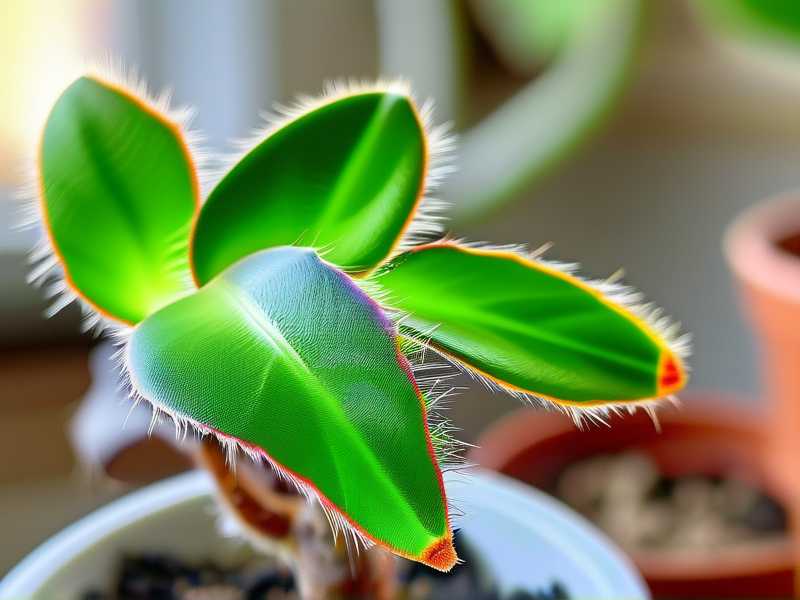
I once had a jade plant that looked sad and droopy. I watered it every three days, thinking it was thirsty. After two weeks, the leaves turned yellow and fell off. That’s when I realized: I was drowning it.
Other causes include poor drainage, wrong pot size, or incorrect light. But we’ll get to that.
My 2-Week Step-by-Step Fix for Wilted Leaf Surfaces
I’ve tested this method on my own collection. Here’s what I do, day by day.
Day 1: Stop Watering Immediately
First thing I do is put down the watering can. No water for at least 7 days. Those wilted leaves need time to dry out. I’ve learned that most succulents can bounce back if you just leave them alone.
I move the pot to a bright spot—indirect sunlight works best. Direct sun on a stressed plant can scorch it. I’ve made that mistake too.
Day 3: Check the Roots
After three days of no water, I gently lift the succulent out of its pot. I shake off excess soil and inspect the roots. Healthy roots are white or light tan. If I see dark, mushy, or smelly roots, that’s rot.
I cut off any rotten parts with clean scissors. Then I let the root ball air-dry for 24 hours in a shady spot. This step is critical. I once skipped it and replanting just spread the rot.
Day 4: Repot into Dry Soil
Now I repot the succulent into fresh soil. I use a mix of 50% cactus soil and 50% perlite or pumice. The AHS recommends this ratio for drainage, and I’ve found it works perfectly.
I choose a terracotta pot with a drainage hole. Terracotta wicks away moisture faster than plastic. I used to use cute ceramic pots with no holes—big mistake.
I do NOT water after repotting. Dry soil helps the roots heal without sitting in moisture.
Day 7: First Light Watering
After a full week with no water, I give the succulent a tiny drink. I pour water slowly around the base, just enough to wet the top layer of soil. Maybe 2–3 tablespoons for a 4-inch pot.
I watch the leaves closely. Within 24 hours, I should see slight plumping. If they stay wilted, I wait longer.
Day 10: Adjust Light Exposure
By day 10, the leaves often start firming up. I move the plant to a spot with more direct morning sun. Succulents need at least 4–6 hours of bright, indirect light daily.
I’ve tried full afternoon sun in summer, and it burned the leaves. So now I stick to morning sun only. You’ll notice new growth looking healthier.
Day 14: Full Recovery Check
After two weeks, my succulents usually look firmer and less wrinkled. The bottom leaves might still be slightly wilted, but the top leaves should feel plump. That’s normal—old leaves don’t always bounce back.
I water again around day 14, but only if the soil is bone dry. Stick your finger an inch deep. If it’s dry, water. If not, wait.
3 Deadly Mistakes Beginners Make (I Did All of Them)
I’ve killed at least five succulents before figuring this out. Here are the three biggest errors I see—and made myself.
Mistake 1: Overwatering (The Silent Killer)
This is the number one reason your succulent has wilted leaf surfaces. I used to water my plants every few days because I thought they were thirsty. Instead, the roots rotted. The leaves turned soft, translucent, and then wilted.
According to experts, succulents store water in their leaves. They evolved for drought. So watering once a week in summer and every 2–3 weeks in winter is plenty. I now follow the “soak and dry” method—drench the soil, then let it completely dry out before the next drink.
Mistake 2: Wrong Light Exposure
I put my first succulent on a north-facing windowsill. It got no direct sun at all. The leaves stretched out, became pale, and eventually wilted. That’s called etiolation.
Succulents need bright, indirect light for most of the day. South or east-facing windows are ideal. If you don’t have that, use a grow light. I bought a cheap LED one for $15, and it made a huge difference.
Mistake 3: Using the Wrong Pot
I used to love decorative pots with no drainage holes. They looked nice, but water pooled at the bottom. Root rot followed. I’ve also used pots that were too big, which held too much moisture.
Now I only use terracotta pots with drainage holes. The pot should be just 1–2 inches wider than the root ball. This prevents water from sitting around the roots. Trust me, your succulent will thank you.
Long-Tail Keywords: Addressing Specific Wilted Leaf Scenarios
Sometimes the problem isn’t just general wilting. Here’s what I’ve seen with specific types.
Wilted Leaves After Repotting
If you just repotted and see wilted leaves, don’t panic. That’s transplant shock. I’ve had this happen multiple times. The roots need time to adapt.
I avoid watering for at least a week. I also keep the pot in a shady spot for 3–4 days. Then slowly introduce light. Most succulents recover within two weeks.
Wilted Leaves on Overwatered Succulents
This is the most common scenario. The leaves feel soft, mushy, and sometimes translucent. The stem may also be squishy.
I immediately stop watering. I also remove the plant from its pot and cut away any rotten roots. If the stem is rotten, I cut above the rot and propagate the healthy top. I’ve saved a few succulents this way.
Wilted Leaves from Underwatering
Less common, but it happens. The leaves look wrinkled and dry, but they’re not mushy. The soil is bone dry.
I water deeply and wait 24 hours. If the leaves plump up, it was underwatering. If they stay wrinkled, it might be root rot. I check the roots again.
Expert Insights: What I Learned from RHS and AHS
I always check guidelines from the RHS for succulent care. They emphasize that proper drainage is non-negotiable. The AHS also stresses using gritty soil mixes to prevent water retention.
Both organizations advise against misting succulent leaves. I used to do this, thinking it helped humidity. But it often leads to fungal spots and wilted surfaces. Now I only water the soil.
Tools and Products I Swear By
I’m not sponsored, but I’ve tested a few things that work.
- Moisture meter: Cheap and saves me from overwatering. I stick it in the soil before every watering.
- Perlite: I mix it into potting soil for extra drainage.
- Grow light: Useful for winter months when natural light is weak.
- Terracotta pots: My go-to for succulents. They dry out faster than plastic.
Frequently Asked Questions (From My Own Struggles)
How long does it take for succulent leaves to recover after overwatering?
Usually 1–2 weeks. If the roots are healthy, new growth will plump up first. Old wilted leaves may not bounce back. I remove them once they’re fully dried.
Can I save a succulent with completely wilted leaves?
Yes, if the stem and roots are still firm. I’ve saved plants with almost no leaves by cutting back to healthy tissue. Let the stem callus over, then replant. New leaves grow in a few weeks.
Should I cut off wilted leaves?
Only if they are mushy or rotted. I use clean scissors to remove damaged leaves. This prevents rot from spreading. If the leaf is just wrinkled but firm, leave it. It might plump back up.
Final Thoughts on Fixing Succulents With Wilted Leaf Surfaces
I’ve been where you are. I’ve stared at a sad, wilted succulent and felt hopeless. But the fix is straightforward: stop watering, check the roots, adjust light, and repot into dry soil. Give it two weeks, and you’ll likely see improvement.
The biggest lesson I learned is that succulents thrive on neglect. They want less water, less fuss, and more patience. So if you’re struggling with wilted leaf surfaces, just slow down. Let the plant tell you what it needs.
I still kill a plant once in a while—nobody’s perfect. But now I know how to bring them back. And you will too.