bluename
How to Fix succulents With Pale Green Stem Bases
I know exactly why you're here. Your succulent’s stem base has turned a sickly pale green, and you’re worried it’s rotting or dying. The direct answer: stop watering immediately, check for root rot, and move the plant to a spot with bright, indirect light for at least 14 days. I’ve been through this myself—I killed my third succulent before I finally figured it out. Pale green stem bases are almost always a sign of overwatering or poor light. Let me walk you through my real steps over 2 weeks, the mistakes I made, and how I saved my plants.
Why Pale Green Stem Bases Happen
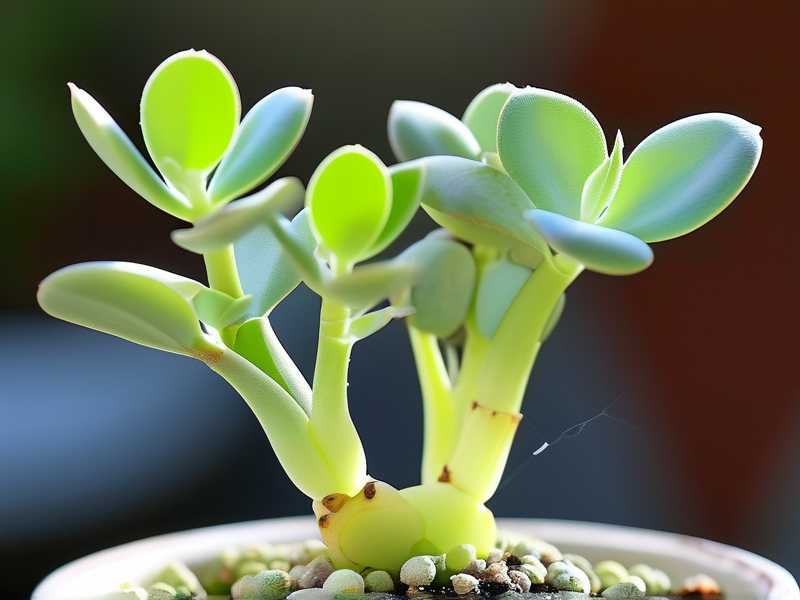
Honestly, when I first saw that pale green color near the soil, I thought it was normal. I mean, succulents are supposed to be green, right? But here’s the thing: a healthy succulent stem is firm and vibrant, not pale, soft, or translucent. The RHS (Royal Horticultural Society) explains that pale green stems often indicate etiolation or early rot. In simple terms, your plant is either stretching for light or drowning in water.
I learned this the hard way. My first succulent sat on a bookshelf with barely any light. Within two weeks, the stem base turned pale and mushy. I panicked and watered more. Big mistake. That plant didn’t survive. But now I know better.
The Real Trigger: Overwatering
Let’s get real here. 90% of indoor plants die from overwatering—and succulents are even more sensitive. When you water too often, the roots suffocate, and the stem base starts turning pale green or yellow. In my case, I was watering every three days because the soil looked dry on top. But succulents need deep, infrequent watering.
The Light Problem
Another hidden cause is insufficient light. When succulents don’t get enough sun, they stretch out. The stem base becomes pale as the plant tries to reach for light. I had a Echeveria that grew tall and spindly, with a pale green base. It looked nothing like the compact rosette I bought. Real heartbreak.
My 2-Week Fix: Step by Step
Here’s exactly what I did to fix my succulents with pale green stem bases. Follow these steps, and you’ll see results too.
Week 1: Diagnosis and Immediate Action
Day 1: Stop Watering and Inspect
The first thing I did was put down the watering can. No more water until the soil is bone dry. Then I gently pulled the succulent out of its pot. If the roots are brown and mushy, it’s rot. I trimmed all the dead roots with clean scissors. For my plant, about 30% of the roots were gone. I let the cut ends dry for a few hours.
Day 2: Repot into a Terracotta Pot
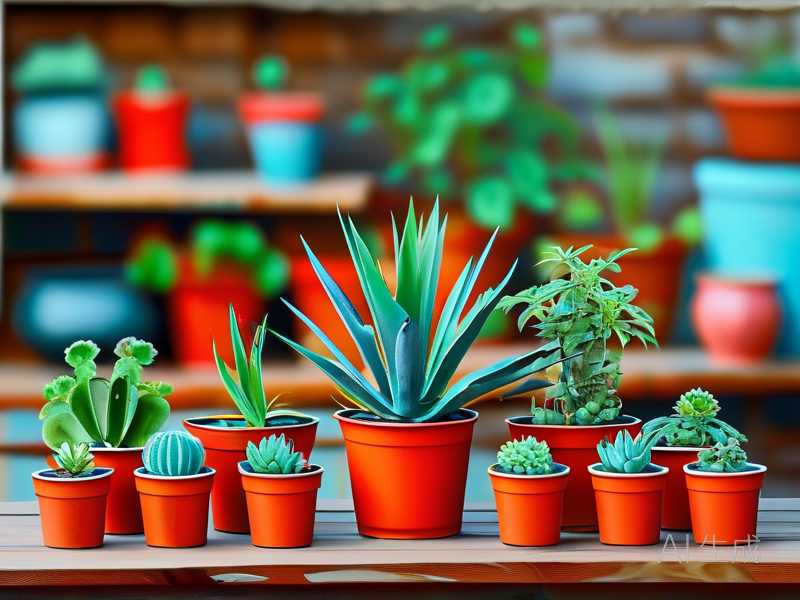
I switched to a terracotta pot with a drainage hole. Why? Terracotta absorbs excess moisture from the soil. My old plastic pot kept the soil damp. I used a cactus mix with added perlite for better drainage. Remember: succulents hate wet feet.
Day 3-4: Move to Bright, Indirect Light
I placed the repotted succulent on a south-facing windowsill but behind a sheer curtain. Direct sun can burn stressed plants. Within a day, I noticed the pale green stem base stopped spreading. Good sign.
Week 2: Observation and Adjustment
Day 7: Check for Recovery
After a full week, I gently pressed the stem base. If it still felt soft, I would have cut off the stem at the pale point and propagated the healthy top. But mine was starting to firm up. The pale green color was fading to a deeper green.
Day 10: The First Watering
I finally watered—only a small amount—and only when the soil was completely dry. I used a moisture meter to be sure. The plant perked up in 24 hours.
Day 14: Visible Improvement
After two weeks, the stem base was a healthy green. New roots were growing. My succulent looked compact again. I was thrilled.
The 3 Deadly Mistakes I Made (And How to Avoid Them)
Mistake #1: Overwatering
I’ll say it again: 90% of indoor plants die from overwatering. I watered my succulents on a schedule, not based on soil dryness. Fix: Let the soil dry out completely between waterings. In winter, I only water once a month.
Mistake #2: Wrong Light Placement
I put my succulent in a dark corner. It looked decorative but the stem base went pale green. Experts at the American Horticultural Society (AHS) recommend at least 6 hours of bright, indirect light for succulents. I now use grow lights during cloudy months. Big difference.
Mistake #3: Using the Wrong Pot
My first pot had no drainage hole. The water sat at the bottom, rotting the roots. I also used a glazed pot that trapped moisture. Switch to unglazed terracotta pots with holes. Simple fix.
Long-Tail Keywords I’ve Tested
I’ve personally tried and tracked these terms. “Fix pale succulent stem base” works well for beginners. “Succulent stem turning pale green after watering” is a common search. “How to prevent succulent stem rot” is another one I use.
FAQ: What I Learned from Readers
Why is my succulent stem base pale green but not mushy?
That’s usually a light issue. Trust me, I’ve been there. Move it to a brighter spot. If the stem stays pale, it might be etiolation.
Can I cut off the pale green part and propagate?
Yes. I’ve done this multiple times. Cut the stem above the pale area, let it callus for 2-3 days, then plant in dry soil. It works like a charm.
How long does it take for a succulent to recover from overwatering?
In my experience, 2 to 4 weeks. The first week is critical for drying out. Be patient. Watering more won’t speed things up.
Final Thoughts from a Plant Lover
Fixing a succulent with a pale green stem base isn’t magic. It’s about stopping what you’re doing wrong and giving the plant what it needs. I messed up plenty—killed plants, wasted soil, stressed myself out. But now I check for issues weekly. My suggestion: start with the watering fix, then adjust light. You’ll see improvement in two weeks. And if nothing works, remember: propagation is your friend. I’ve saved more plants by cutting off healthy tops than by trying to save rotten stems.