bluename
How to Water succulents in Indoor Shaded Nooks
Stop drowning your succulents in the dark. Just check the leaves: if the bottom leaves are wrinkled or feel soft like a deflated balloon, water deeply but rarely. For shaded nooks, I only water once every 3 to 4 weeks.
I killed my first three succulents before I figured this out. I learned the hard way that indirect light doesn't mean no light. And I found out that "low maintenance" absolutely does not mean "no maintenance." Here's my honest story of turning my shady shelf into a succulent sanctuary.
Why Indoor Shaded Nooks Are Succulent Killers (At First)
I remember setting up my first succulent arrangement. I placed it on a beautiful wooden console table, tucked away from direct sun. It looked perfect.
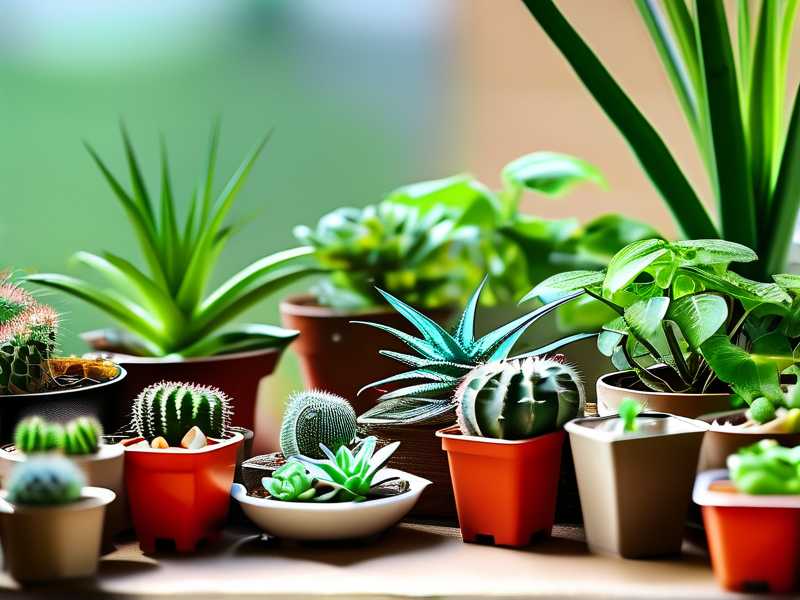
Two weeks later, the leaves were mushy and brown. The soil smelled like a swamp.
It turns out that 90% of indoor plants die from overwatering. But for succulents in shaded nooks, the number might be closer to 99%. Many people, including me, assume succulents are "indestructible." That's a dangerous myth.
Let's get real about the challenges:
The Light Problem Is Real
Shaded nooks often get only ambient light. Succulents in the wild live in full blazing sun. When they don't have enough light, they stretch out like they're desperately reaching for something. We call this stretching "etiolation." It looks ugly.
The Watering Trap
Without strong light, succulents barely grow. They use almost no water. So when you water them like normal houseplants (once a week), the soil stays wet for ages. The roots rot.
The Humidity Factor
Many shaded spots, like bathroom corners or hallways, also have higher humidity. That makes the soil dry out even slower.
The 3 Deadly Mistakes Every Beginner Makes
I made all of these. Every. Single. One.
Mistake #1: Watering Like a Regular Houseplant
I used to pour water on my succulents every Saturday. It felt responsible. It felt like I was taking care of them.
But succulents aren't ferns. They aren't pothos.
In shaded nooks, the soil stays wet for two weeks or more. If I added water weekly, the roots were always sitting in dampness. Eventually, they turned into brown mush.
How I fixed it: I stopped watering on a schedule. Instead, I check the soil with a wooden chopstick. I stick it in, wait ten seconds, and pull it out. If the chopstick comes out damp, I wait another week. I also wait until the bottom leaves look a bit wrinkled.
Mistake #2: Believing "Indirect Light" Means No Light
I thought "indirect light" meant any spot away from the window. Wrong.
Truth is, shaded nooks are often too dark for succulents. Most succulents need bright indirect light or even some direct morning sun.
What I do now: I measure the light. I hold my hand about a foot above the succulent. If I see a sharp, clear shadow, the light is bright enough. If the shadow is fuzzy or invisible, it's too dark. For truly dark nooks, I now use a small grow light. My succulents stopped stretching immediately.
Mistake #3: Using the Wrong Pot (With No Drainage)
This one hurts. My very first succulent came in a cute glass jar. No drainage hole. I thought, "How pretty! It will look lovely on my shelf."
It died in 17 days. The soil at the bottom turned into a stagnant soup.
My rule now: Every succulent pot must have a drainage hole. I also use terracotta pots in shaded spots. Terracotta is porous. It lets the soil breathe and wicks away excess moisture. Plastic pots trap water. In a dark corner, plastic is a suicide mission.
My Real 2-Week Watering Experiment
I needed proof. I needed to know if my new method actually worked.
I selected my two most stubborn succulents. Both were on a shaded shelf in my living room, about 6 feet from a north-facing window. One was a jade plant (Crassula ovata). The other was an Echeveria that had already started stretching.
Week 1: The Observation Phase
Day 1: I poked my finger into the soil. It felt barely damp, almost dry. The leaves on the jade plant were firm and plump.
I used the "chopstick" test. The chopstick came out almost completely dry. I decided to wait.
Day 4: The Echeveria looked the same. The jade plant's lower leaves were just slightly softer when I gently squeezed them.
Day 7: The Echeveria's bottom leaves felt like old, almost deflated grapes. The jade's leaves had a subtle wrinkle near the tip.
This was my signal. I had waited seven full days. The soil was bone dry all the way through.
The Actual Watering Step (Week 1)
I took both plants to my kitchen sink. I used lukewarm water (never cold!). I poured it slowly over the soil until water ran out the drainage hole. That's called "bottom watering" or "thorough watering." It ensures the whole root ball gets wet.
I let the pots sit in the sink for 15 minutes to drain completely. Then I placed them back in their shaded nook.
Week 2: The Results
Day 8: The Echeveria's leaves were noticeably plumper already. The wrinkles on the jade plant had almost disappeared. It was incredible.
Day 10: Both plants looked fully hydrated. The leaves were firm and glossy. I felt a little flash of pride.
Day 14: The Echeveria hadn't stretched further. In fact, the new center growth looked compact. The jade plant had developed a faint, healthy green color.
The verdict: Waiting 7 days in a shaded nook was perfect. I only needed to water deeply, and then completely ignore them for another week or two.
The Detailed Care Routine for Shaded Succulents
Step 1: The Pot and Soil Setup
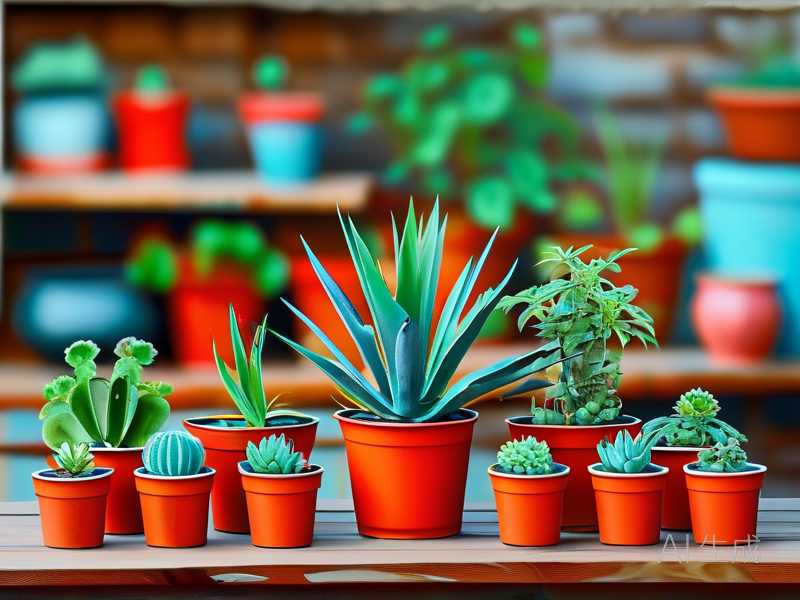
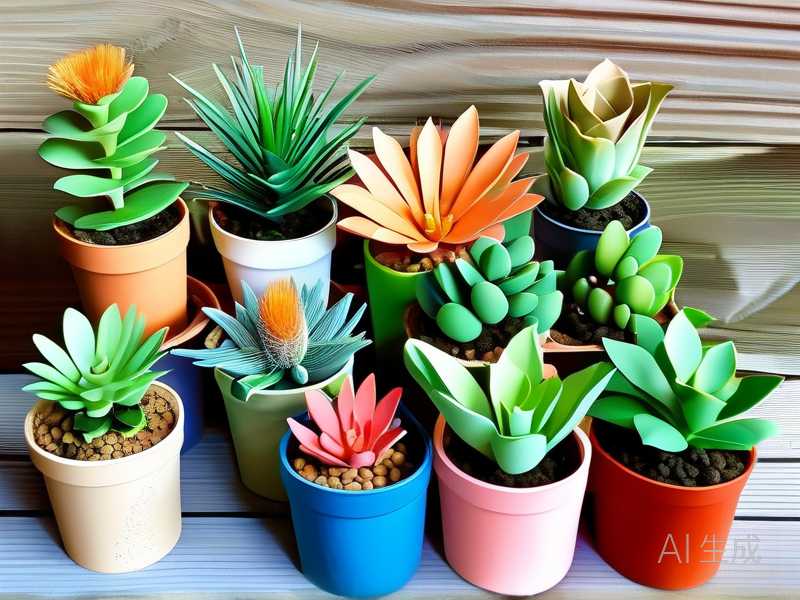
I repotted all my succulents into terracotta pots. It made an instant difference.
I also made my own soil mix. Store-bought succulent soil is often still too moisture-retentive for low light. I mix one part regular potting soil, one part coarse sand, and two parts perlite or pumice.
Here's the trick: The soil should feel gritty. When I squeeze it, it should not clump together. It should crumble apart immediately.
Step 2: Mastering the Watering Schedule
For shaded nooks, my absolute rule is: water only when the soil is completely dry AND the bottom leaves show slight wrinkling.
Frequency? I usually wait between 2 and 4 weeks. I check my plants every Sunday morning. If they look plump, I walk away. If they look thirsty, I water.
Helpful trick: I use a moisture meter sometimes. I stick it deep into the pot. If the needle stays in the red (wet), I close the drawer and ignore the plant for another week.
Step 3: Addressing Light Issues
For truly dark spots, I bought a small clip-on LED grow light. It cost about 15 dollars. I set it on a timer, running for 8 to 10 hours a day.
Within three weeks, my Echeveria stopped reaching. The new leaves grew in tight, colorful, and beautiful.
If you don't want a grow light, at least move your succulents to a brighter shaded spot. A spot right next to a north window is better than a deep bookshelf.
The Ultimate Indoor Side-Table Succulent Setup
I tried this on my hallway side table. It's a classic shaded nook – low light, high traffic, no direct sun.
My setup:
- One terracotta pot for each succulent (drainage hole mandatory)
- Soil mix I described above
- A small thermometer/hygrometer for checking humidity
- A 20-dollar grow light clamped to the shelf above
The routine:
- Monday: Quick visual check. Are leaves plump?
- Saturday (if needed): Chopstick test. Water only if bone dry.
- Every 4 weeks: Rotate pots so they grow evenly.
Results after 2 more weeks: The succulents stayed compact. The colors improved. Even the Haworthia (a classic low-light succulent) looked healthier. I no longer had mushy, half-dead plants.
Common Questions I Hear From Friends (FAQs)
1. How do I know if my succulent is overwatered?
The leaves turn translucent or yellowish. They feel soft and mushy, not just wrinkled. The stem near the base might be black or brown. If you see this, stop watering immediately. Remove the plant from its pot. Cut off any brown, squishy roots. Repot in dry soil. Do not water for two weeks.
2. Can any succulent survive in a room with zero natural light?
Honestly, no. No succulent thrives in total darkness. A few like Haworthia and Sansevieria (snake plants) tolerate very low light. But even they need some minimal light to live.
Best low-light tolerant succulents: Haworthia (zebra cactus), Gasteria, Snake Plant. Avoid Echeveria, Crassula, and Sedum in very dark spaces.
3. Should I mist my succulents in dry indoor air?
Please don't. Misting does almost nothing for succulents. They store water internally. Misting just wets the leaves, which can cause rot and fungal spots. You also risk water sitting in the leaf rosettes, which leads to crown rot. I killed one succulent this way.
Instead, water the soil directly when needed.
Final Thoughts (From a Recovered Succulent Killer)
It took me over a year to get this right.
I learned that simply placing a plant in a beautiful spot isn't enough. I had to adapt my care to the actual environment. Shaded nooks require patience. They require less water. They require the right pot and soil.
But here's the good news: once you respect these rules, succulents in shaded spots can survive for years. They grow slowly, but they stay healthy.
And if you are struggling right now, don't feel bad. I've been there. I've thrown away more dead succulents than I want to admit.
Just remember the three rules: check the leaves for wrinkles, use a chopstick to test moisture in the soil, and ensure your pot has a drainage hole and porous material.
That's the best advice I can give.
The Royal Horticultural Society confirms succulents require careful watering in low light. The American Horticultural Society also recommends prioritizing drainage for indoor succulents. Both sources agree: less is more when it comes to water for succulents in shaded nooks.
Now go check your succulents. Feel the leaves. Stick that chopstick in. You'll know what to do.