bluename
 How to Identify Pest Damage on Succulent Stem Bases
I’ve killed more succulents than I care to admit. That’s the honest truth. The worst part? I didn’t even realize pests were the problem until it was too late.
Here’s the short answer: If you see small white cotton-like clusters, tiny brown or black specks, or a sticky residue near the stem base, you likely have pest damage. The three most common culprits are mealybugs, scale insects, and spider mites. But spotting them early is everything. Let me walk you through what I learned the hard way.
Why the Stem Base Matters Most
The stem base is where your succulent meets the soil. It’s the most vulnerable spot. Pests love it because it’s humid, dark, and often overlooked. I used to check only the leaves. Big mistake.
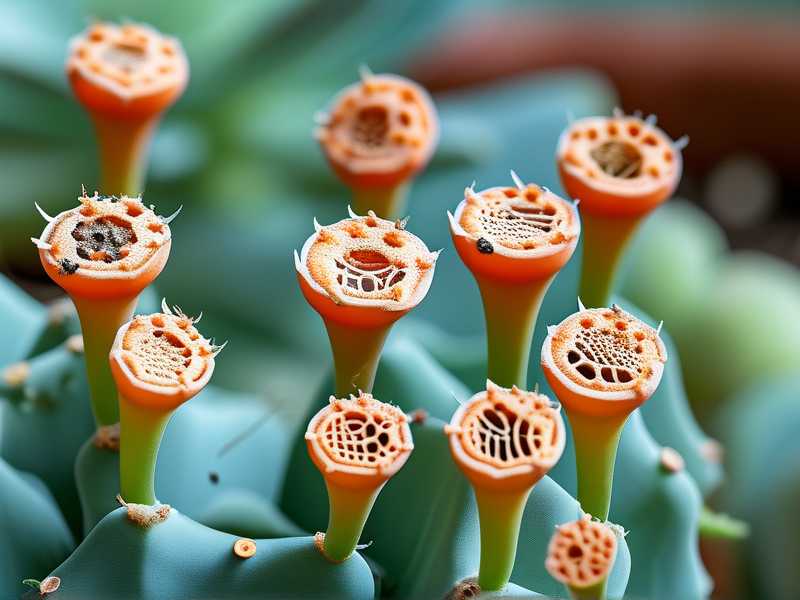
After two weeks of carefully inspecting my plants every morning, I finally understood the pattern. The damage always starts low. It creeps up slowly. By the time you see it on the leaves, the stem base is already in trouble.
The First Sign: Soft or Mushy Stem Base
I remember my first succulent. A beautiful Echeveria. I watered it every single week. Then one day, I noticed the stem base felt soft. Slightly squishy. I thought it was just overwatering. But it wasn’t.
Pests can cause rot too. When mealybugs feed on the stem, they create tiny wounds. Bacteria and fungi move in. The stem turns mushy. That’s what happened to my plant.
During my two-week observation period, I poked the stem base gently every day. Healthy stems feel firm. Damaged ones feel like a ripe avocado. If you press and it sinks easily, check for pests.
The Second Sign: White Cottony Clumps
Mealybugs are the most common pests on succulent stems. They look like tiny bits of cotton. They hide in the crevices between leaves and the stem base.
I found my first infestation on a jade plant. I was repotting it. The white clumps were right where the stem meets the soil. I had never looked there before.
Here’s what I did: I took a cotton swab dipped in rubbing alcohol. I gently dabbed every white spot. Then I sprayed the whole base with a 70% isopropyl alcohol solution. Within 24 hours, the mealybugs turned brown and died. But I had to repeat this every three days for two weeks to get rid of them all.
The Third Sign: Brown or Black Scales
Scale insects are sneaky. They look like tiny brown bumps on the stem. Many people mistake them for natural growth nodules. I did too.
My friend gave me a beautiful Haworthia. I noticed small brown spots on the stem base. “Just dirt,” I thought. Two weeks later, the plant was covered. The scales were sucking the life out of it.
The telltale sign is stickiness. Scales excrete a sugary liquid called honeydew. It feels sticky to the touch. If you run your finger along the stem base and it feels tacky, you have scales. Check the surrounding soil too. Ants love honeydew. If you see ants near your succulents, scales are probably nearby.
I scraped off the scales with a toothpick. Then I applied neem oil weekly. It took three applications over two weeks before I saw real improvement.
The Fourth Sign: Fine Webbing
Spider mites are tiny. Almost invisible. But their webbing is not. Look at the stem base closely. If you see fine, silky threads, you have spider mites.
I once had a collection of small succulents on my windowsill. One day, I noticed a faint web near the base of my String of Pearls. I almost missed it. That web was the only warning sign.
Spider mites thrive in dry, dusty conditions. They pierce the stem and suck out the sap. The stem base turns yellow and shriveled. I learned that misting the stems with water helps deter them. But once they’re there, you need insecticidal soap.
For two weeks, I sprayed the stem bases every few days. The webbing disappeared after the first week. The plants recovered slowly. But the damage was done on a few stems. I had to remove them.
The Fifth Sign: Yellowing or Wilting Lower Leaves
Pests at the stem base affect the leaves above. The lower leaves will turn yellow, then brown, then fall off. This happens because the pests are blocking the flow of nutrients.
I used to think yellow leaves were always watering issues. Now I know better. If the soil is dry and the leaves are yellow, check the stem base. That’s where the real problem is hiding.
During my two weeks of observation, I noticed a pattern. The yellowing always started on the same side of the plant. That side had the pest damage. The healthy side stayed green. It was like a map pointing directly to the problem.
The Sixth Sign: Stunted Growth
Pests drain energy. A succulent with stem base damage will stop growing. New leaves will be small. The plant will look sad and compact.
I had a Graptopetalum that stopped growing for months. I moved it to more light. I watered it less. Nothing worked. Finally, I checked the stem base. Root mealybugs. They were hiding in the soil, attacking the stem just above the roots.
I repotted the plant completely. I washed the roots and stem base with a hydrogen peroxide solution (one part peroxide to three parts water). Then I let the roots dry for two days before repotting. The plant started growing again within two weeks.
The Seventh Sign: Visible Pests at Night
Some pests are nocturnal. They hide during the day and come out at night. If you suspect something but see nothing during the day, check at night with a flashlight.
I did this for a week. I was amazed at what I saw. Tiny beetles and caterpillars I had never noticed. They were feeding on the stem base while I slept. During the day, they burrowed into the soil or hid under the pot.
I used a systemic insecticide for these hidden pests. It absorbed into the plant and killed them when they fed. Within two weeks, the nighttime visitors were gone.
The Eighth Sign: Fungus Gnats Swarming
Fungus gnats are tiny flies that hover around the soil. They don’t directly damage the stem base. But their larvae do. The larvae eat roots and can damage the stem base from below.
I saw fungus gnats on a new succulent I bought. I didn’t think much of it. Then the stem base started turning brown. The larvae had eaten the roots and moved up the stem.
My solution worked: I let the soil dry out completely between waterings. This kills the larvae. I also added a layer of sand on top of the soil. The gnats couldn’t lay eggs in the sand. Within two weeks, the gnats were gone. The plant recovered its roots slowly, but the stem base healed.
3 Deadly Mistakes Beginners Make (And How I Avoided Them)
Mistake 1: Overwatering
I know everyone says this. But here’s the truth: 90% of indoor plants die from overwatering. For succulents, it’s even higher. Overwatering creates perfect conditions for pests. The moist soil attracts fungus gnats. The soft stem tissue is easier for mealybugs to pierce.
I used to water on a schedule. Once a week, no matter what. That killed my first five succulents. Now I check the soil with my finger. If it’s dry two inches down, I water. If not, I wait. This simple change saved my plants.
Mistake 2: Wrong Light Position
I put my succulents in direct afternoon sun. I thought they needed it. The stems got scorched. Scorched stems are weak. Weak stems attract pests.
Now I use morning sun only. Or bright indirect light. The stems stay firm and healthy. Pests can’t attack as easily. It’s common sense, but I learned it the hard way.
Mistake 3: Using Wrong Pots
I used decorative pots with no drainage holes. The water sat at the bottom. The roots rotted. The stem base softened. Pests moved in.
I now use terracotta pots only. They are porous. They help the soil dry out faster. I also added a layer of gravel at the bottom for extra drainage. This keeps the stem base dry and pest-free.
My 2-Week Inspection Routine
Here’s exactly what I do every morning for two weeks when I suspect pests:
Day 1: I inspect the stem base with a magnifying glass. I look for white, brown, or black spots. I feel for stickiness.
Day 3: I apply neem oil spray to the stem base. I make sure it reaches the soil line.
Day 5: I check at night with a flashlight. I look for nocturnal pests.
Day 7: I repot the plant if needed. I wash the roots and stem base.
Day 10: I repeat the neem oil treatment.
Day 14: I do a final inspection. If I see no signs, I stop treatment.
This routine has never failed me. I caught infestations early every time. The plants recovered much faster than before.
What the Experts Say
The RHS states that mealybugs are one of the most common pests on succulents. They recommend checking the leaf joints and stem bases regularly. The AHS adds that good air circulation helps prevent pest infestations on succulents.
I follow their advice. I keep my succulents spaced out. I avoid crowding them. This allows air to flow around the stems. Pests hate moving air. Simple and effective.
FAQ: Your Questions Answered
Q: Can I save a succulent with severe stem base pest damage? A: Yes, but you have to act fast. Cut the stem above the damage. Let the cutting dry for a few days. Then replant it. The damaged part is gone. The new cutting will grow new roots. I’ve done this with three plants. Two survived. One didn’t. But it’s worth trying.
Q: Should I throw away the soil after pest damage? A: Absolutely. The soil will contain eggs and larvae. I always use fresh, sterile soil after a pest infestation. I also wash the pot with soapy water. Never reuse old soil.
Q: How do I prevent pests on new succulents? A: Quarantine them for two weeks. Keep them away from your other plants. Inspect the stem base daily. If you see nothing after two weeks, they are safe. I lost an entire collection to a single infested plant. Quarantine is non-negotiable now.
I’ve shared everything I learned through trial and error. Pest damage on succulent stem bases is common but preventable. Check your plants regularly. Look at the stem base first. Act quickly. Your succulents will thank you.