bluename
 How to Protect succulents from Hail & Strong Winds: A Complete Survival Guide
You’ve spent months, maybe years, nurturing your succulent collection. Their plump leaves and vibrant colors are a testament to your care. Then, a sudden summer storm rolls in, bringing with it hail and strong winds. In just a few chaotic minutes, your serene garden can turn into a scene of devastation—shattered leaves, uprooted plants, and broken stems. This is the core fear for every succulent enthusiast living in areas prone to volatile weather. The good news is that with proactive planning and the right techniques, you can effectively protect your succulents from hail and strong winds. This guide provides a comprehensive, step-by-step approach to shield your precious plants from nature’s fury.
Understanding Why Succulents Are Vulnerable
To defend them, you must first understand their weaknesses. Succulents are engineered for drought, not for mechanical impact. Their water-filled leaves and stems, while excellent for storing moisture, are brittle and prone to cracking, bruising, and snapping under the force of hail or being whipped by wind. Shallow root systems, common in many succulents, offer little anchorage against powerful gusts, leading to toppling. Furthermore, physical damage creates open wounds, making plants highly susceptible to fungal and bacterial infections, which can be more deadly than the initial injury.
Pre-Storm Preparation: Your Best Defense
The key to protecting succulents from severe weather is preparation. Don’t wait for the storm warning; integrate these practices into your regular gardening routine.
Strategic Placement and Planting
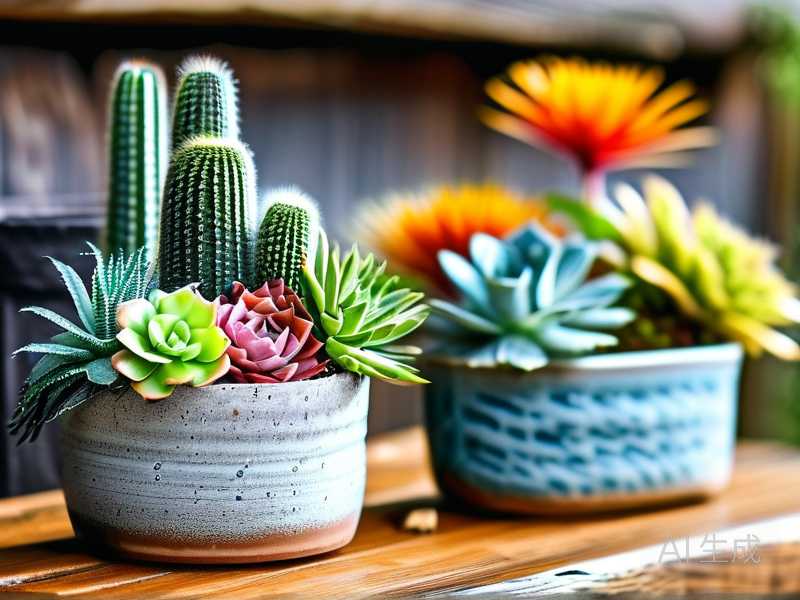
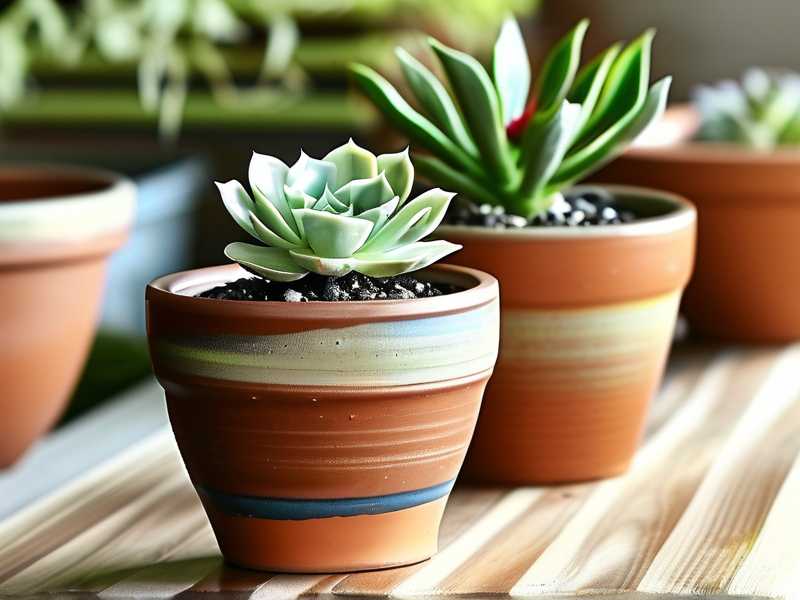
Location is your first line of defense. If possible, plant succulents in areas that receive natural shelter. Position them on the leeward side of your house, a fence, or a wall, where the structure blocks prevailing winds. Consider planting under the dappled shade of a sturdy tree or a pergola, which can break the fall of hail. For potted succulents, this principle is even more critical. Choose heavy, wide-based pots like concrete or thick terracotta over lightweight plastic. The added weight and stability make them much harder to knock over. As noted by horticulturist Dr. Emily Carter, "The right container acts as a foundational anchor, significantly reducing wind-related casualties in container gardens."
Creating Physical Barriers and Shelters
For permanent or semi-permanent protection, invest in simple structures. A sturdy shade cloth (with a 30-50% density) stretched over a frame can dissipate the energy of hailstones and reduce wind speed. A cold frame or a mini greenhouse offers excellent protection for smaller collections. For a quick, DIY solution, keep a supply of cloches—clear plastic domes or even cut-off plastic bottles—to place over individual prized plants when a storm threatens.
Emergency Measures When a Storm is Forecast
When the weather forecast turns ominous, it’s time for swift action to shield succulents from hail damage and gales.
Securing and Relocating Potted Plants
This is your top priority. Move all portable containers to a safe haven immediately. Ideal locations include:
- A covered patio, porch, or balcony.
- Inside a garage, shed, or greenhouse.
- Against the sheltered side of your home. If you cannot move them indoors, group pots tightly together in a sheltered corner. Huddle them against a wall and surround the group with heavier objects. This creates a microclimate with reduced wind exposure.
Deploying Temporary Covers and Supports
For in-ground plants or large containers that can’t be moved, use temporary covers. Drape frost cloth, burlap, or even old bedsheets over hoops or stakes. Ensure the material is secured at the bottom with bricks or stakes, but avoid letting it rest directly on the plants, as hail can drive the fabric into them, causing damage. For tall, top-heavy succulents like some aeoniums or echeverias, use stakes and soft ties to provide extra support against rocking in the wind.
Post-Storm Recovery and Damage Assessment
After the storm passes, careful assessment and action are crucial to save what you can and prevent secondary issues.
Immediate First Aid for Damaged Plants
- Do Not Water: Resist the urge to water. Open wounds need to dry and callus.
- Remove Debris: Gently clear away any shattered leaves or debris.
- Assess the Damage: For leaves with minor bruises or punctures, you can leave them. They may scar but the plant will often recover. For severely crushed or broken stems, use a sterile, sharp knife or pruners to make a clean cut well below the damaged area.
- Let Plants Dry: Place damaged plants in a dry, shaded area with good air circulation for several days to allow cuts to callus over.
Long-Term Rehabilitation
Once callused, you can resume very careful watering. Monitor closely for signs of rot—black, mushy stems or leaves. If rot appears, cut further back until you see clean, healthy tissue. Many broken stems and leaves can be propagated. As the Royal Horticultural Society’s advisory on storm-damaged plants states, "Propagation from salvageable material is not only a recovery tactic but can help rebuild your collection." This process embodies the resilience of succulents themselves.
Building a Storm-Resilient Succulent Garden
Learn from each weather event to build a hardier garden for the future.
Choosing Resilient Varieties
Some succulents are naturally tougher. Opt for low-growing, rosette-forming types (like many Sempervivums) that hug the ground, or species with flexible stems. Avoid varieties with exceptionally large, fragile leaves. Incorporating hardy ground cover sedums and agaves with tough, fibrous leaves can create a more wind-resistant landscape.
Integrating Permanent Protective Structures
Consider long-term investments like a lath house, a sturdy pergola with a removable polycarbonate roof, or windbreak fencing made of mesh or lattice. These structures filter sunlight and wind year-round, creating a more stable growing environment.
Can succulents recover from hail damage? Yes, most succulents are remarkably resilient. While damaged leaves may scar or die, the plant will often produce new growth from its center or undamaged stems. The key is to remove completely destroyed parts to prevent rot and give the plant time to recover in a dry, stable environment.
What should I use to cover my succulents quickly? For a rapid, inexpensive cover, use breathable fabrics like frost cloth, row cover, or even bedsheets. Avoid using solid plastic directly on plants, as it can trap humidity and cause overheating. Always support the cover with stakes or hoops to keep it off the foliage.
Is it better to water succulents before or after a storm? Definitely avoid watering before a storm. Wet soil is heavier and can make pots more stable, but the primary risk is that saturated soil and waterlogged roots, combined with physical damage, create a perfect environment for devastating root and stem rot. It’s safer to keep the soil dry.
Watching a storm threaten your succulent garden is stressful, but it doesn’t have to end in loss. By embracing strategic placement, preparing with physical barriers, acting swiftly when warnings sound, and caring for plants after the fact, you can dramatically increase their chances of survival. The goal isn’t just to react, but to cultivate a garden designed with resilience in mind. With these practices, you can enjoy the unique beauty of succulents with greater peace, knowing you’re prepared to weather any storm.