bluename
 succulent care for Shady Gardens: A Complete Guide to Thriving Low-Light Plants
You love the sculptural beauty of succulents, but your garden doesn't get the blazing, all-day sun every care guide insists they need. Does this mean you have to give up on your dream of textured, drought-tolerant foliage? Absolutely not. The common belief that all succulents require desert-like conditions is a myth that leaves many gardeners with shady spaces feeling left out. The truth is, with the right knowledge and plant selection, you can cultivate a stunning, low-maintenance succulent display even in partial to full shade. This comprehensive guide to succulent care for shady gardens will transform your dim corners into vibrant, leafy oases.
Understanding Light: What Does "Shade" Really Mean for Succulents?
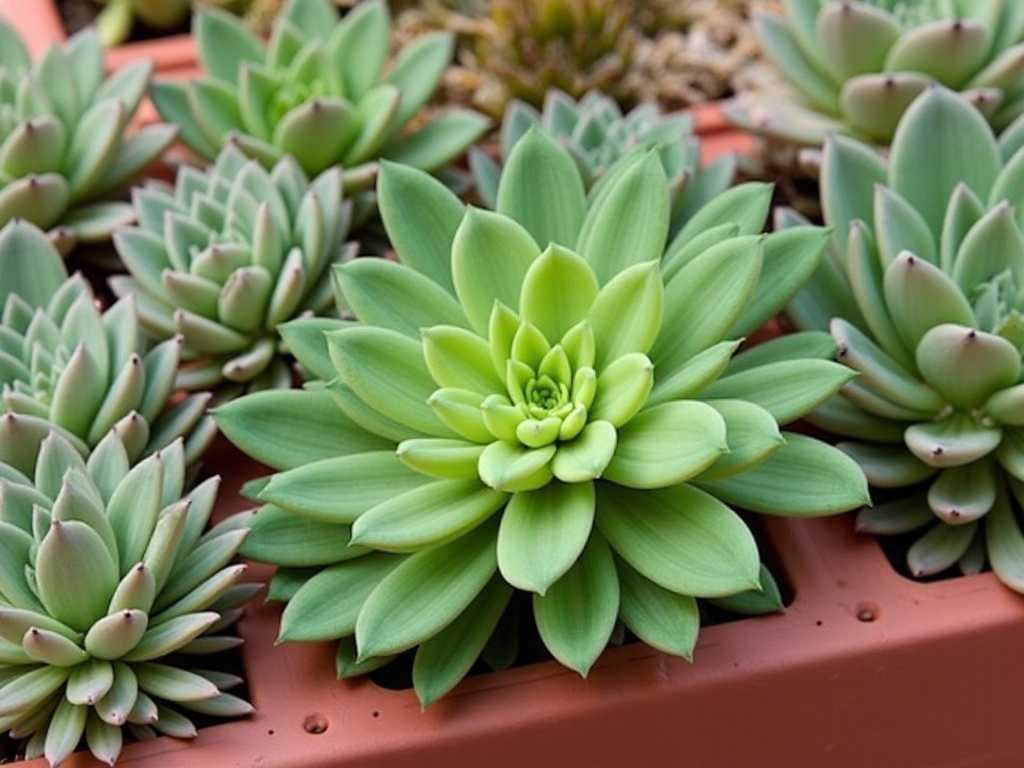
Before selecting your plants, it's crucial to diagnose your garden's light conditions accurately. Not all shade is created equal.
Dappled or Filtered Shade This is light that passes through the canopy of deciduous trees or a slatted pergola. It creates a moving pattern of sun and shadow throughout the day. Many shade-tolerant succulents thrive here, as they receive bright, indirect light without the harsh, scorching intensity of midday sun.
Partial Shade (or Part Sun) This typically means the area receives 3 to 6 hours of direct morning sun, which is gentler, followed by shade for the rest of the day. Morning sun is ideal for many succulents, as it dries dew from leaves without the heat stress of afternoon exposure.
Full Shade Areas that receive less than 3 hours of direct sun or only bright, indirect light all day (like a north-facing wall). While the most challenging, several hardy succulent varieties can adapt to these conditions, though their growth may be slower and colors more muted.
Top Succulent Varieties Perfect for Shady Spots
Choosing the correct plants is 90% of the battle. Opt for species that naturally grow under brush or in forested areas, as they are evolutionarily adapted to lower light.
Haworthia: The Star Performer Haworthias, like the classic Zebra Plant (Haworthiopsis attenuata) with its striped, pointed leaves, are unparalleled for shade. They naturally grow tucked under grasses in South Africa. Their deep green, often textured or windowed leaves are designed to capture maximum light. They are exceptionally forgiving and perfect for beginners.
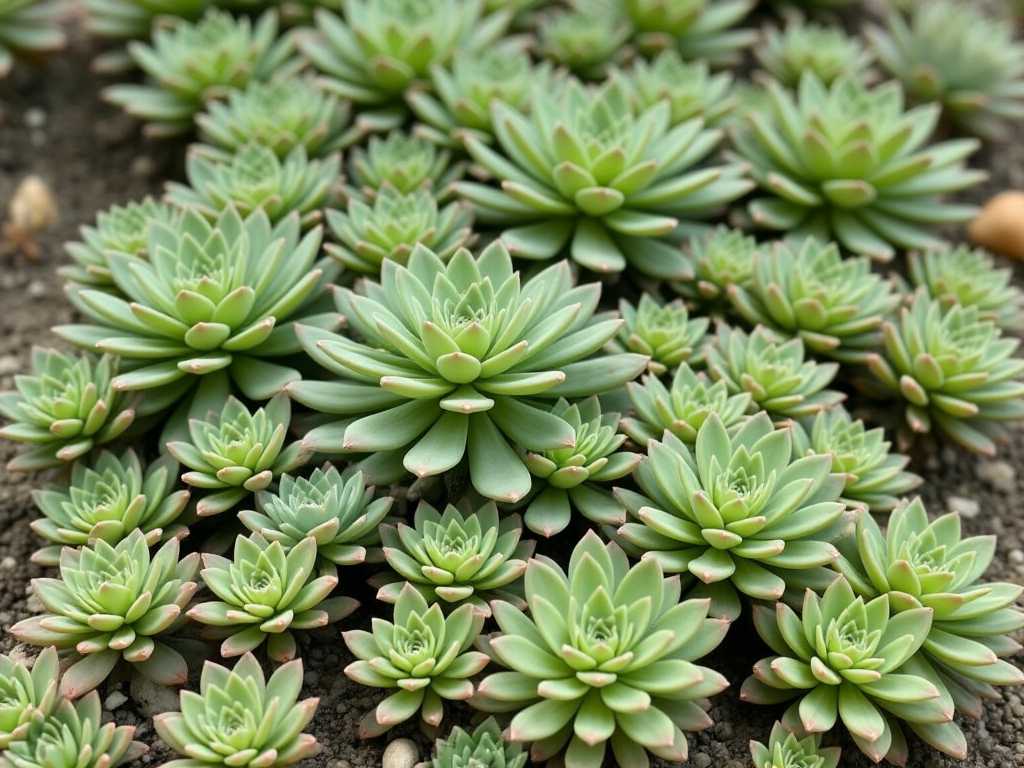
Gasteria: The Low-Light Champion Often called "Ox Tongue" plants for their tongue-shaped, textured leaves, Gasterias are even more shade-adapted than Haworthias. They can handle deeper shade while still producing attractive, often spotted or ridged foliage and unique, hanging spring flowers.
Sansevieria (Snake Plant) The legendary, nearly indestructible Snake Plant is a superb choice for shady gardens in warm climates. Varieties like Sansevieria trifasciata (Mother-in-Law's Tongue) grow vertically, making them great space-savers. They are incredibly drought-tolerant and thrive on neglect in low-light conditions.
Certain Sedums (Stonecrops) While many sedums crave sun, ground-covering varieties like Sedum ternatum (Woodland Stonecrop) are native to forest floors. They form beautiful, creeping mats of rounded leaves and can handle moist shade better than most succulents, making them excellent for shady rock gardens or between pavers.
Aloe (Specific Shade-Tolerant Types) Not all aloes are sun-worshippers. Aloe vera itself can tolerate partial shade, though it may grow more elongated. Smaller, clustering types like Aloe aristata (Lace Aloe) often perform well in bright, indirect light.
Essential Care Adjustments for Shady Garden Succulents
Caring for succulents in the shade requires a fundamental shift in mindset from typical succulent care. The core principle is that less light directly impacts their water needs and growth patterns.
Mastering the Watering Schedule This is the most critical adjustment. In shade, soil takes much longer to dry out completely. Overwatering is the fastest way to kill a shade-dwelling succulent.
- The Golden Rule: Always check the soil moisture before watering. Insert your finger into the soil up to the second knuckle. If it feels dry, it's safe to water. If it's still moist, wait.
- Seasonal Changes: Water significantly less in cooler months when plant growth slows and evaporation is minimal. In summer, even in shade, you may need to water more frequently, but always let the soil be your guide.
- Signs to Watch For: Stretching (etiolation) can be a sign of too little light, but soft, mushy, translucent leaves are a sure sign of overwatering.
Soil and Drainage: Non-Negotiables Perfect drainage is even more vital in shady, slower-drying conditions.
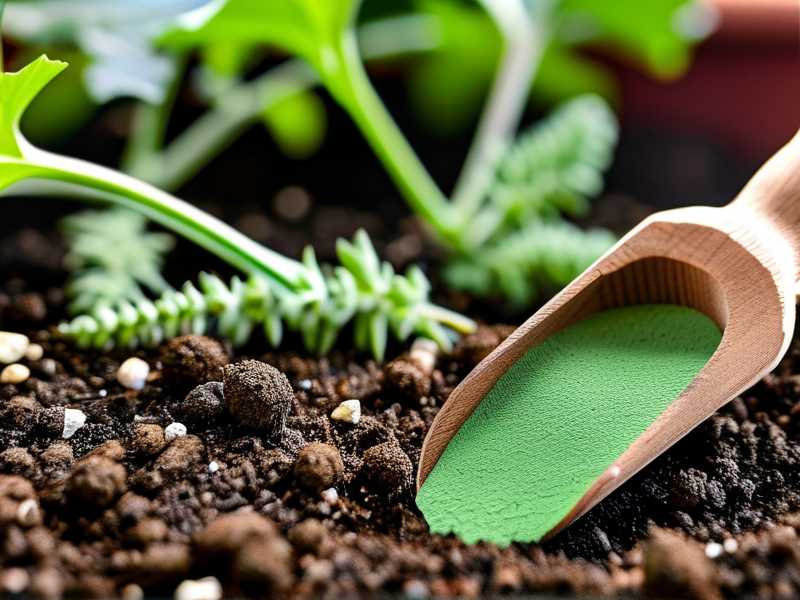
- Use a Gritty Mix: Avoid standard potting soil or dense garden clay. Create or purchase a fast-draining cactus/succulent mix and consider amending it with extra perlite or pumice (up to 50/50) for containers. For in-ground planting, raise beds or mounds with amended soil to improve drainage.
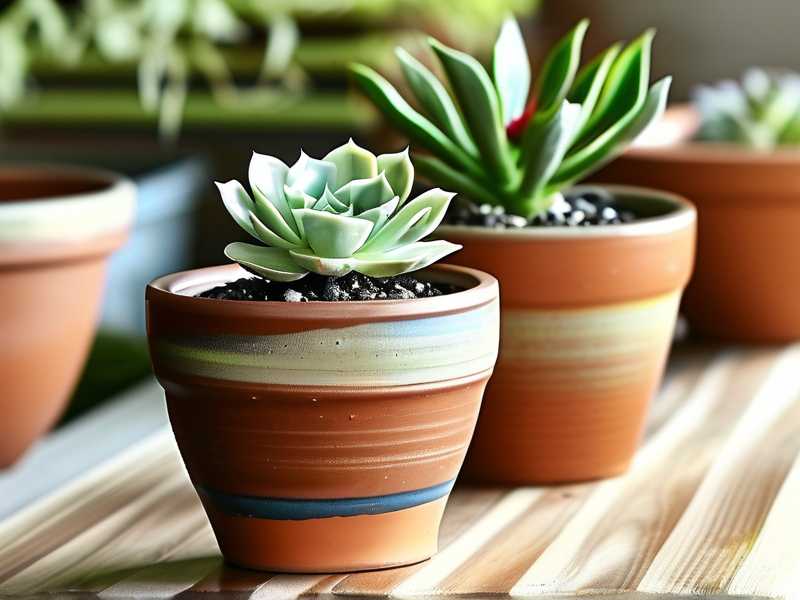
- Pot Choice Matters: Always use containers with ample drainage holes. Terracotta pots are ideal for shady gardens, as their porous walls allow the soil to breathe and dry from the sides.
Managing Growth and Legginess Succulents in lower light will naturally grow more slowly and may stretch slightly towards the light source.
- Rotation: Regularly rotate potted plants to encourage even growth and prevent excessive leaning.
- Pruning and Propagation: If a plant becomes too leggy, don't be afraid to "behead" it. Cut the compact rosette off the top, let the cut end callous for a few days, and replant it. The original stem will often produce new offshoots. This is an excellent way to manage the aesthetics of your low-light succulent garden.
Fertilizing for Health, Not Speed Fertilize sparingly. A diluted, balanced liquid fertilizer applied once at the beginning of the growing season (spring) is usually sufficient. Over-fertilizing in low light can lead to weak, spindly growth. As noted by horticulturist and author Debra Lee Baldwin, a leading expert on succulent cultivation, "In shade, your goal is to maintain health, not force explosive growth. Less is more when it comes to both water and food."
Designing Your Shady Succulent Garden Display
Think beyond the pot! Shade-loving succulents can create stunning, textured landscapes.
Create Textural Contrast Combine the bold, architectural forms of Snake Plants with the delicate, rosette patterns of Haworthias. Add the trailing habit of a Sedum morganianum (Burro's Tail) in a hanging basket in a spot of dappled light for vertical interest.
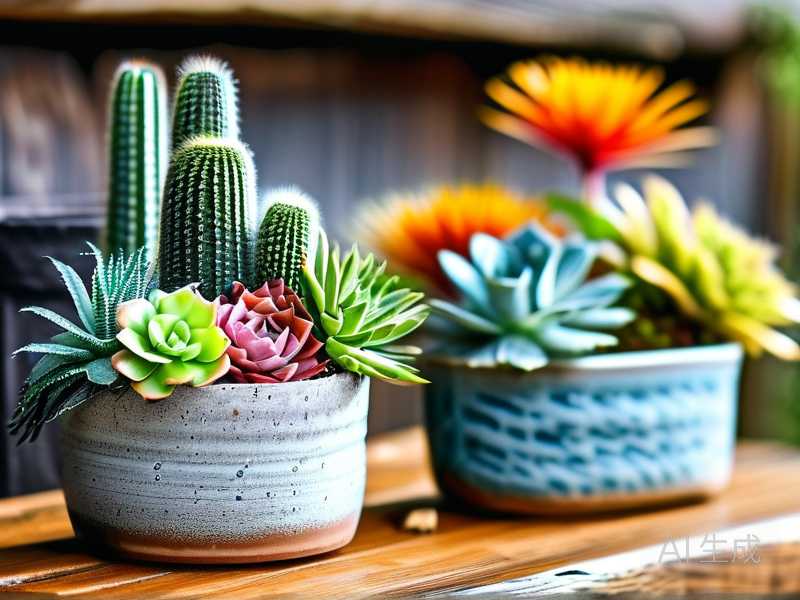
Utilize Containers for Flexibility Containers allow you to move plants to find their "sweet spot" for light. Group different shade-tolerant varieties in a shallow bowl for a stunning, low-maintenance centerpiece. Ensure all plants in a shared container have similar water needs.
Incorporate Complementary Elements Pair your succulents with other shade-loving plants that enjoy similar "drought-between-drinks" watering, like certain ferns, hellebores, or heuchera. The contrast between succulent fleshiness and fern fronds can be breathtaking. This approach helps in cultivating a shade garden with drought-tolerant plants that is both diverse and cohesive.
Frequently Asked Questions
Can I move a sun-loving succulent into the shade? Abruptly moving a sun-adapted succulent (like an Echeveria or most Agaves) into deep shade will likely cause it to become etiolated (stretched, pale, and weak) and eventually decline. It's always best to choose species naturally suited to your light conditions from the start.
Why are the colors on my shade succulent not as vibrant? Many succulents develop their brightest reds, purples, and oranges as a stress response to intense sunlight (like a plant tan). In shade, they will often revert to lush greens, blues, and deep greens. This is a sign of health in a low-light environment, not a problem. You are seeing their natural, unstressed color.
How do I know if my shady spot is too dark for any succulents? If your plants are consistently stretching dramatically towards the light source, becoming excessively pale green or yellow (not from overwatering), and showing no new growth over a season, the light is likely insufficient. Consider using a reflective mulch (like light-colored gravel) to bounce available light or moving plants to the brightest area available.
Embracing succulents in shady spaces opens up a world of gardening possibilities where texture and form take center stage. By selecting the right plants—primarily from the Haworthia, Gasteria, and Sansevieria families—and fundamentally adjusting your care routine to prioritize impeccable drainage and restrained watering, you can achieve remarkable success. Observe your plants closely, let the soil's dryness be your primary guide, and enjoy the unique, serene beauty of a shade-adapted succulent collection that thrives on subtlety and resilience.