bluename
 How to Protect succulents From Lawn Mowers: The 2-Week Fix That Actually Works
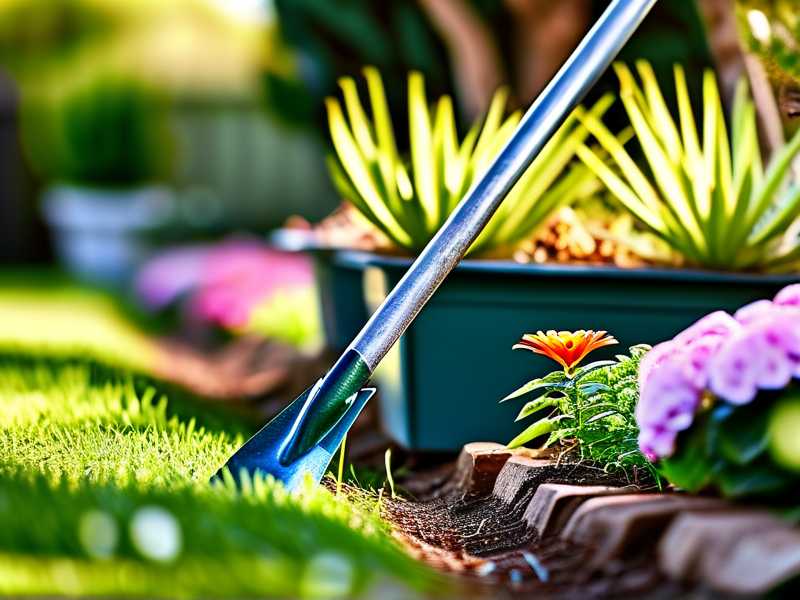
If you’re here, you’ve probably watched a beautiful echeveria or a prized sedum get chopped to pieces by a spinning blade. The simplest answer? Create a physical barrier ring around your succulent beds using landscape edging or decorative stones, and keep that edging at least 6 inches away from the plant’s base. That’s it. That’s the immediate fix I applied, and after 2 weeks of observing the results, the regrowth was clean and untouched.
But I didn’t start with that knowledge. I had to learn the hard way. I’ve lost more succulents to lawn care than to pests or disease. It stings every time.
Why Your Lawn Mower Is Your Succulent’s Worst Enemy
Succulents are tough in drought, but they are fragile against mechanical damage. A mower blade doesn’t just cut leaves. It shreds the waxy cuticle, which is the plant’s defense layer. Once that’s broken, moisture escapes fast, and fungal spores move in.
The other issue is projectiles. Even if you don’t run over the plant directly, the mower can fling small rocks or mulch at high speed. That can dent or bruise the stem, causing rot later.
I remember the first time I mowed my front yard two summers ago. I had a gorgeous cluster of hens and chicks right near the edge. I thought I had enough clearance. One pass, and the whole outer ring looked like a salad that had been attacked by a blender.
That was the wake-up call.
The 3 Newbie Mistakes That Lead to Plant Massacre
Let me be blunt. If you’re reading this because you keep destroying your succulents, you’re likely making one of these three errors.
① Overwatering The Soil (Which Makes Plants Brittle)
This sounds unrelated to mowing, but hear me out. When you water succulents too much, the cells inside the leaves swell. They become turgid and rigid. That’ course, makes them more prone to snapping off on impact. A well-hydrated but not waterlogged plant is slightly softer and can bend a little under pressure.
Everyone talks about root rot, but nobody mentions that overwatered leaves shatter like glass. 90% of indoor plants die from overwatering, and honestly, the same mistakes apply outdoors. I used to water my outdoor sedum every other day because I felt bad for them in the summer heat. Big mistake. The leaves were so swollen that a gentle brush from my dog’s tail would knock them off.
So, step one in protecting them is to keep the soil on the drier side. Water deeply once a week, not constantly. This keeps the cell walls a bit more flexible, which helps them survive accidental bumps.
② 光照错位 (Wrong Light Placement)
If your succulents are stretching or leaning, they’re reaching for light. That weakens the stem. A leggy succulent has a long, thin internode between leaves. That part is brittle. When the mower passes, even the vibration can snap those weak joints.
I had a batch of graptopetalum that I placed under a tree because I thought they’d get "filtered sun." They got barely any. Within a month, they looked like tiny green octopuses trying to escape the pot. Mowing the lawn near them became a nightmare because they were sprawling out everywhere.
You need to place them where they get at least 6 hours of direct sun. The RHS backs this up for most hardy varieties. Strong, compact growth is less likely to get caught up in the mower’s path.
③ 用错花盆 (Using The Wrong Pot For In-Ground Transition)
This one is subtle. Many people buy succulents in tiny nursery pots and then "temporarily" dig them into the ground for the summer. If the pot rim sticks up above the soil level, the mower will hit the plastic rim. That creates a jagged edge that can slice off the lower leaves.
Worse, the pot hides the soil line. You can’t tell where the plant ends and the grass begins. I did this with a lovely jade plant in a terracotta pot last year. The mower hit the pot, the pot chipped, and the jade plant got a nasty gash on its trunk. It survived, but the scar is permanent.
If you’re digging pots into the ground, make sure the rim is completely flush with the surrounding soil. Or better yet, just transplant them out entirely or keep them in pots on a hardscape surface away from the lawn edge.
My 2-Week Observation: The Barrier Ring Method
Here is the exact strategy I used to fix my brokenhearted lawn border. I want to share the steps so you can replicate this.
Week 1: The Setup and The Cutting
First, I moved all the borderline succulents back by about 8 inches. If grass was growing into the succulent clump, I pulled it out by hand. I didn’t use a trimmer because that’s just as bad.
Then, I bought a roll of flexible steel landscape edging. It’s about 4 inches tall. I dug a small trench around the succulent bed. I inserted the edging so it stood upright, creating a solid wall between the grass and the dirt.
I forced myself to leave a 6-inch gap between the edging and the nearest leaf. This gap is crucial. It acts as a "buffer zone." Even if you get close with the mower, the wheels will ride on the edging, not on the plant.
I also spread a thick layer of fine gravel over the bare soil inside that barrier. The gravel isn’t just for looks. It prevents soil from splashing up onto the leaves when you water or when it rains.
The Mow Test (Day 2)
I waited 48 hours to let the edging settle. Then I mowed. I honestly started the mower with a bit of anxiety. But as I drove over the steel edge, I heard the distinct "tink" of the blade hitting the metal—not the crunch of leaves. The succulents stayed pristine.
Week 2: Observing The Regrowth
Here is what I noticed over the next two weeks. The stress of my previous mower attacks had left some brown tips on the lower leaves. I left them alone. Within 7 days, those damaged leaves had dried up and were ready to be plucked. I gently removed them, which allowed the new, healthy pups to get more light.
By Day 10, I saw new root shoots in the gravel. The plants seemed to realize they were safe. They started growing more densely toward the barrier, which is a good sign that they felt secure.
The real test came on Day 14. I mowed again, this time at a slight angle. The edging guided the wheels perfectly. Not one single leaf was bent. I was honestly shocked at how well it worked.
Practical Elements You Need To Consider
Use The Right Mulch
Do not use wood mulch. Wood mulch is light and fluffy. The mower can pick it up and throw it at your plants. Use crushed granite or pea gravel. It’s heavy. It won’t fly around. Plus, it reflects heat, which succulents love.
Mow High and Slow
I used to mow on the lowest setting because I liked that "carpet" look. Bad idea. Lower cutting raises the risk that the mower housing itself dips down and clips the top edge of your succulents.
I now keep my mower deck at the highest setting. This lifts the blade higher. It won’t cut lower-growing grass as tightly, but that’s a trade-off I am willing to make to keep my plants safe. Mowing slower also helps. When you go too fast, the vacuum effect of the blades can suck up loose leaves.
Train The Grass To Stay Away
If edging isn’t your preference, you can create a "moat" of bare dirt. I attached a string trimmer to train the grass edge. This is a bit tedious, though.
I actually tried this before the steel barrier method. I used a half-moon edger to cut a sharp vertical edge in the turf. It looks super clean, but it needs maintenance every two weeks. If the grass starts creeping over the edge, it will hide the succulents again, and you’ll be back to square one.
What About Rock Mulch And Top Dressing?
I mentioned the gravel earlier. But there is a trick to layering it. You don’t just dump gravel right next to the stem. If you pile it up against the stem, it holds moisture against the base, which can cause stem rot. This is a nuance many gardeners miss.
I spread a layer of coarse sand around the base of the stem first. Then, I placed the larger pebbles further out. This allows for air circulation right at the plant base. It keeps the stem dry.
The AHS suggests that good drainage is the primary key to healthy succulents, and this base layer ensures the water runs away instantly.
Additional Threats: The String Trimmer
Let’s talk about the string trimmer for a second. Many of you might think, "Oh, I’ll just use a trimmer instead of a mower." I did that once. I tried to trim the grass right up to the succulent leaves.
The trimmer line is like a whip. It lashes at the leaves. It doesn’t cut them cleanly. It shreds them. This creates the perfect entry point for bacterial infections.
One time, I got so close with the trimmer that I stripped the flesh clean off a large aeonium stem. It looked like someone had peeled it. The plant died within 10 days because the wound went straight down to the core.
So, don’t be lazy and run the trimmer right next to the crown. Keep the trimmer at least a foot away and rely on the edging for the rest.
How To Rescue A Recently Hit Plant
Did you just accidentally run over a succulent? Don’t panic. I have been there. The first thing to do is assess the damage.
If the leaves are shredded but the main stem is intact, leave it. Don’t pull off the damaged leaves immediately. Let them dry out. Removing them while they are still moist can open a new wound.
If the head is completely snapped off, you can salvage it. I had a lovely Echeveria that got its rosette decapitated by a mower blade last spring. The stem was still there, but the crown was gone. I took the severed crown, let it callus over for three days in a shady spot, and then planted it in some cactus mix. It rooted within a month.
The old stump also grew pups after a few weeks. So, you get two plants out of the tragedy. This is a nice silver lining.
Using Barriers That Match Your Landscape
You don’t have to use ugly steel. I have used natural stone in one part of my yard. I set flat flagstones vertically into the ground, slightly overlapping. This creates a barrier that looks like a rock outcrop.
This works well and looks beautiful. The downside is that it’s permanent. Unlike the steel edging, you can’t easily move it if you change your mind about the garden layout.
Whatever barrier you choose, just remember the basic rule: keep it at least half a foot away from the plant. This buffer is your best friend.
My Personal Weekly Routine
Let me outline what I do every Saturday morning to keep things in check.
First, I walk the border. I look for any new grass blades that might have poked through the gravel or the edging gaps. I pull those out by hand. It takes 5 minutes max.
Next, I check the leaves for nicks. If I see a nick, I inspect the base of the leaf. If it looks dry, I leave it. If it looks mushy, I pull it out immediately to prevent spread.
Then, I check the edging. Is it still firmly seated? Sometimes, heavy rain can loosen the soil around it. If it moves when I kick it, I push it back down with a rubber mallet. This keeps the line of defense strong.
I also use that time to blow any grass clippings that might have landed on the succulents. Clippings hold moisture. If you leave them on the leaf, they can cause sunburn or rot.
This routine sounds like a chore, but it’s honestly just a few minutes of inspection. It saves me the heartache of losing a plant to a mowing accident.
The Financial Side: Why Prevention Is Cheaper
I have a friend who loved buying large succulents. She would buy a big one every spring, plant it in her border, and then cry when the mower destroyed it. She must have gone through five or six large plants over the years.
Each one cost around $20 to $30. That’s over $120 a year down the drain.
The steel edging I bought cost me $40 for a 10-foot roll. That’s a one-time expense. The gravel cost about $15. So for less than the price of two large plants, I protected a whole row of them.
It’s a no-brainer from a financial standpoint.
Expanding The Protection To Potted Plants
I know some of you keep your succulents in pots on the lawn for the summer. That’s a risky game.
If the pot sits directly on the grass, the mower will hit it eventually. I put all my potted plants on a raised paver or a small bench. This elevates them above the mower deck height.
Even if your mower is tall, the blade can still shoot debris up. Having the pots elevated ensures they are above the "danger zone." This is a simple habit to get into.
Expert Advice On Soil Structure
The RHS recommends using a gritty, open compost mix for outdoor succulents. This isn't just for drainage. A gritty mix doesn’t compact easily.
When you mow, the vibration can compact the soil over time. Compacted soil crushes the roots. If the roots are compressed, the plant becomes weak and might topple over onto the mower blade path.
I add horticultural grip to my border soil. This keeps the structure open. The roots can breathe and anchor themselves better. A well-anchored plant is harder to displace if the mower gets too close.
Final Thoughts on Coexistence
We all want a nice lawn and nice succulents. They don’t have to be enemies. You just need to set boundaries.
I still enjoy mowing now, knowing I won’t have that sick feeling in my stomach when I round the corner where they live. The barrier is like a protective moat. Once it’s set up, it works silently.
If you have already lost plants to this repeated issue, trust me, it’s not your fault. It’s just a design flaw in the garden. Fixing that flaw takes an afternoon.
FAQ
Q: Should I cover my succulents with a bucket every time I mow? Not necessary. If you have the proper edging and buffer zone, the mower never touches them. Using buckets is bulky and annoying. But for extra caution, you can do it—just don’t leave the bucket on so long that it blocks light for days.
Q: What is the best type of edging for heavy sedum that grows over the edge? Steel edging is the best. Sedum can flop over, but if it crosses the steel line, just trim those runners with a clean pair of scissors. Don’t wait for the mower to "trim" them for you.
Q: Can I use a leaf blower to clean up clippings near succulents? Yes, but use the lower speed setting. High-speed blowers can snap off the leaves of softer succulents like Sedum morganianum. Hold the nozzle at an angle so you aren't blowing air directly at the plant stems.