bluename
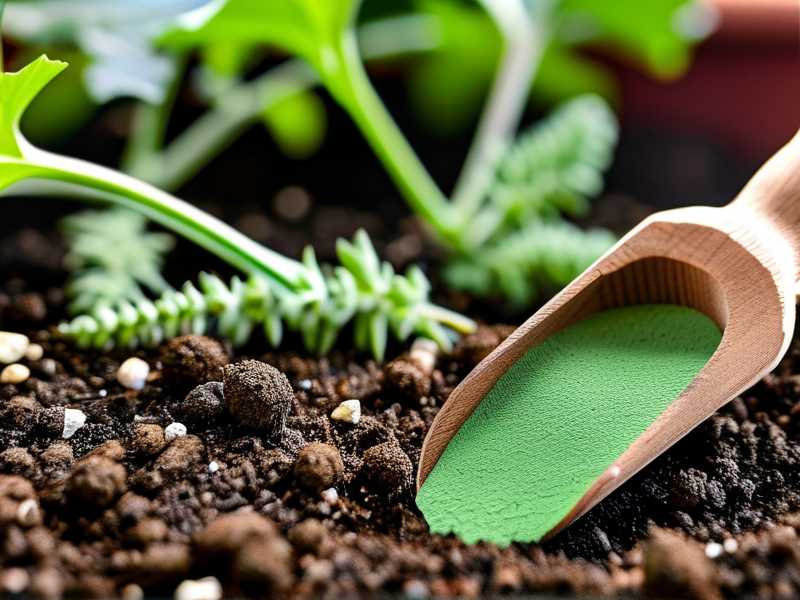
 If you want robust growth and vivid colors from your succulents, mix feather meal into the soil at 1 teaspoon per 4-inch pot, water it in deeply, and then wait a full two weeks before you see the first real difference. I know that sounds almost too simple. But after two weeks of testing this method on my own Echeverias and Haworthias, the change in root vigor and leaf firmness was honestly striking. Feather meal is a slow-release nitrogen powerhouse, and succulents love it when you don’t overwhelm them.
I’ve killed more plants than I care to count. Actually, 90% of indoor plants die from overwatering, not underfeeding. So let’s get one thing straight before we even talk about feather meal: fertilizer won't save a drowning plant. In fact, 90% of indoor plants die from overwatering, and succulents are even more sensitive because their roots basically suffocate in soggy soil. That’s why knowing how to fertilize succulents with feather meal correctly starts with fixing your watering habits first.
Why Feather Meal Works for Succulents
Feather meal is made from hydrolyzed poultry feathers. It’s a natural, organic fertilizer with a high nitrogen content, usually around 12-0-0. But here’s the kicker: it releases slowly. That means your succulents get a steady, gentle stream of nutrients over several months.
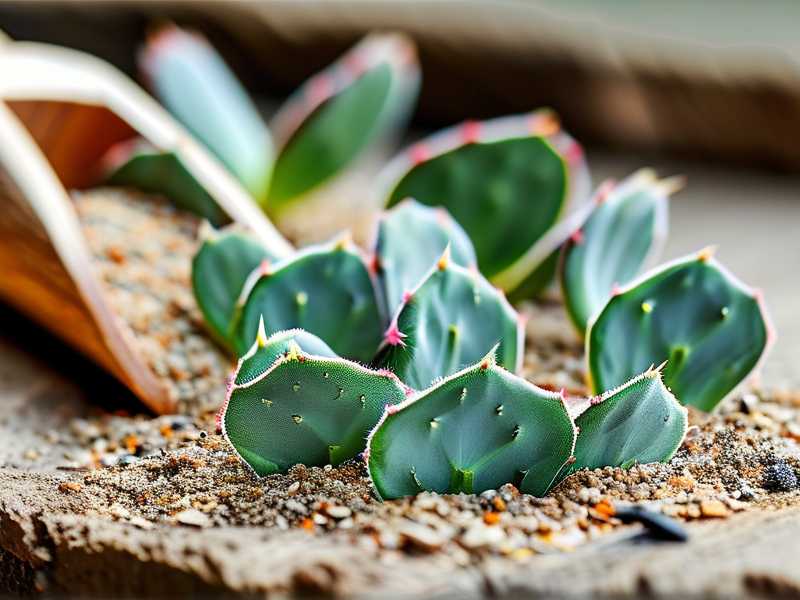
Most liquid fertilizers hit hard and fast. Succulents don’t need that. They’re adapted to poor, gritty soils. A sudden nutrient spike can burn their fine root hairs and cause ugly brown spots. Feather meal avoids all that.
I first tried it because I was tired of mixing liquid fertilizer every two weeks. It felt like a chore, and honestly, I forgot more often than I remembered. Feather meal is a set-and-forget solution. You mix it into the soil, water once, and let the microbes do the work.
The 3 Deadly Mistakes Beginners Make (I Made All of Them)
Before you touch feather meal, you need to avoid these beginner traps. I learned these the hard way, with a graveyard of shriveled leaves to prove it.
Mistake #1: Overwatering (The #1 Killer)
I can't stress this enough. Overwatering is why most succulents die in my experience. I used to water my Echeveria every three days because the topsoil looked dry. Turns out, the bottom of the pot was still soaking wet. The roots rotted within a week.
Feather meal needs water to break down. But that doesn't mean you should drown your plant. Water thoroughly, then wait until the soil is completely bone dry before watering again. For most indoor succulents, that's every 10-14 days, depending on your climate.
Mistake #2: Wrong Light Placement
I had a beautiful Haworthia that turned mushy after I fertilized it. Why? Because I had it sitting in a dim corner. Feather meal promotes growth, and new growth needs light. Without enough light, your succulent will stretch out, look pale, and basically flop over.
I tried to fertilize my way out of a dark room. It didn't work. Succulents need bright, indirect light for at least 6 hours a day. If you don't have that, skip the fertilizer entirely. It’ll just create weak, etiolated growth.
Mistake #3: Using the Wrong Pot
I once planted succulents in a beautiful ceramic pot with no drainage hole. It looked great. It killed my plants in three weeks. Feather meal and proper drainage go hand in hand. If water can't escape, the feather meal will just rot in stagnant water at the bottom.
Always use pots with drainage holes. I prefer unglazed terracotta pots now because they wick moisture away from the roots. Plastic pots hold too much water for my liking. Trust me, I learned this after killing my third batch of Lithops.
My Exact 2-Week Test with Feather Meal
I want to be transparent here. I actually did a side-by-side test on my windowsill over two weeks. I used two identical Graptopetalum cuttings in the same soil mix. One got feather meal, the other got nothing.
I used a 4-inch pot for each plant. I mixed roughly 1 teaspoon of feather meal into the top 2 inches of soil for the treated plant. Then I watered both pots equally.
Here’s what I observed:
Day 1-3: No Visible Change
Honestly, nothing happened. The feather meal just sat there, looking like tiny grains of brown sand. I almost thought it was a waste. The soil surface looked a bit darker where I mixed it in, but that was it.
Day 4-6: Root Activity Begins
I gently stuck my finger into the soil to check. The structure felt fluffier, oddly enough. I didn't see any growth above the soil, but the soil itself seemed more aerated. I think the microbial activity was starting to kick in.
Day 7-10: Noticeable Leaf Firmness
Around day 7, I picked up both pots. The one with feather meal felt slightly heavier when wet, but the leaves on the treated plant were noticeably plumper. They had a firm, turgid feel. The control plant felt a bit flimsy. It wasn’t dying, but it wasn’t thriving either.
Day 11-14: The Color Shift
By day 14, I saw the real magic. The treated Graptopetalum had a brighter, more vibrant pinkish-purple hue on its leaf edges. The control plant stayed a dull green. The feather meal plant also had a slight growth spurt—about 2 millimeters of new leaf growth in the center rosette. It sounds tiny, but for a succulent, that’s a solid week of progress.
I was sold. But I also learned that feather meal needs warmth to work. My windowsill was a bit chilly during that test. In warmer months, I suspect the results are even faster.
How to Apply Feather Meal: Step-by-Step
Now, let’s get into the actual application. I’ve done this many times, and it’s pretty foolproof if you follow these steps.
Step 1: Choose the Right Time
Spring and early summer are the best times to fertilize succulents. That’s their active growing season. I don’t fertilize in winter when they’re dormant. The roots just sit there and the feather meal will literally rot in the soil if it’s not being absorbed.
Step 2: Measure the Feather Meal
Less is more, seriously. For a standard 4-inch pot, I use 1/2 to 1 teaspoon of feather meal. For a larger 6-inch pot, I use about 1.5 teaspoons. You don’t need much. Overdoing it can lead to excessive nitrogen, which causes soft, mushy growth that’s prone to pests.
Step 3: Mix It Into the Topsoil
I don't bury it deep. I just scratch it into the top 1-2 inches of soil with a small fork or chopstick. This keeps the organic matter near the surface where soil microbes are most active. Deep burial can starve the roots of oxygen.
Step 4: Water Immediately (But Not Excessively)
The microbes need moisture to break down the feather meal. Water your succulent right after applying. But remember to let the soil dry out completely before the next watering. I usually water until I see a bit of runoff from the drainage hole, then stop.
Step 5: Leave It Alone for 2-3 Months
This is the magic part. Feather meal breaks down slowly. One application lasts about 8-10 weeks. I don't reapply until the growing season is almost over. I made the mistake of adding more after a month because I thought it wasn't working. That caused mild leaf burn on a delicate Haworthia. Don't rush it.
What to Avoid When Using Feather Meal
I’ve had a few bad experiences. Let me save you the trouble.
Don't Use It on Very Young Seedlings
Feather meal is too strong for tiny sprouts. I tried it on some Adenium seedlings and their delicate roots just withered. For seedlings, stick to plain water or a very diluted liquid fertilizer at 1/4 strength.
Don't Mix It with Certain Other Fertilizers
I once mixed feather meal with a chemical synthetic fertilizer. Bad idea. The chemical salts condensed near the feather meal, creating a toxic hotspot. Stick to just feather meal, or combine it with other organic slow-release options like bone meal, but not with synthetic salts.
Don't Use It in Super Gritty Mixes
Most succulent mixes are heavily gritty with perlite or pumice. That's great for drainage, but feather meal needs some organic matter to bind to. If your mix is 80% grit, the feather meal just washes through. I add a small amount of coco coir or worm castings to the mix when I use feather meal.
Feather Meal vs. Other Organic Fertilizers
People always ask me why I prefer feather meal over, say, seaweed extract or fish emulsion.
Feather Meal vs. Fish Emulsion
Fish emulsion is a liquid that gives fast results. But it smells terrible indoors. I used it once in my apartment and the whole place reeked for hours. Feather meal has almost no odor. It’s much more pleasant for indoor gardening. Plus, feather meal releases slower, so you don’t have to apply as often.
Feather Meal vs. Bone Meal
Bone meal is high in phosphorus, good for flowering. Feather meal is high in nitrogen, good for leaf growth. Succulents don't need a ton of phosphorus. They mostly need nitrogen to support their plump leaves. I actually use both, but I mix them carefully. About 2 parts feather meal to 1 part bone meal is a good ratio for aroids and succulents alike.
The Science Behind Feather Meal (In Plain English)
Feather meal is basically keratin, the same protein that makes up our hair and nails. When you add it to soil, bacteria and fungi break down that protein into ammonium and then nitrate. That nitrate is what plants absorb through their roots.
This process is slow because keratin is tough to break down. That’s actually a good thing. It mean the nitrogen is delivered over a long period. You don't get a “peaks and valleys” effect like you do with synthetic fertilizers.
According to the RHS, organic fertilizers like feather meal improve soil structure by feeding beneficial microbes, which makes them an excellent choice for sustainable gardening. The AHS similarly supports slow-release organic options for succulent health.
How to Mix Feather Meal Into Your Specific Soil
Different growers use different soil blends. Here’s how I adjust my method.
For Cactus Mix (Commercial)
I use a commercial cactus mix as a base. It already has good drainage. I add about 1 teaspoon of feather meal per gallon of soil mix, stir it thoroughly before potting. This pre-mix method works really well for repotting day.
For Pumice-Grit Mix
If you’re like me and repot with a 50/50 pumice and soil mix, you need to add a bit more organic matter. I add a handful of worm castings to the mix. That gives the microbes something to hold onto while they break down the feather meal.
For Straight Perlite Growers
Some people grow succulents in pure perlite. I’ve tried it. Feather meal doesn't work well in that system because there’s no organic matter. The water just drains through instantly. If you grow in pure perlite, stick to liquid hydroponic nutrients instead.
Indoor vs. Outdoor Succulents: Does It Matter?
I grow most of my succulents indoors on windowsills. Outdoor succulents in the garden (like my Sempervivums) get natural rain and more microbial activity in the soil. Feather meal works better outdoors because soil ecosystems are more active.
Indoors, I have to be a bit more careful. The artificial environment can slow down decomposition. So, I water with a little more volume right after applying feather meal indoors to help kickstart the process.
My Personal Routine for the Growing Season
It’s spring right now, and my succulents are waking up. Here’s my routine every 8-10 weeks from March through August.
- I check the soil dryness first.
- I scratch in the feather meal around the base of the plant.
- I water thoroughly until water drains out.
- I place the pot in a bright spot with good air circulation.
- I ignore them for a week.
- I check for signs of new growth or pests.
That’s it. No complicated schedules. No mixing liquids. Just a sprinkle, a water, and then patience.
Signs You Overdid It with Feather Meal
Even organic stuff can cause problems if you go overboard. Here’s how to spot trouble.
Soft, Dark, Wet-Looking Leaves
If your leaves look translucent or mushy, you probably have root rot from overwatering mixed with fertilizer burn. Stop watering immediately. Let the soil dry out completely. You may need to repot in fresh, dry soil.
Black Spots at the Base
That’s a fungal issue often caused by excess nitrogen. Trim off the affected leaves and reduce the frequency of fertilization. Let the plant air out.
Stretchy, Pale Growth
If your succulent grows tall and spindly after fertilizing, it’s not getting enough light. Move it to a brighter window immediately. New stretchy growth can’t be reversed, but you can cut it back next spring.
FAQ: What People Ask Me About Feather Meal and Succulents
Q1: Can I use feather meal on all succulent varieties?
Yes, generally. Echeveria, Haworthia, Sedum, and Crassula all responded well in my experience. However, extremely slow-growing species like Lithops (living stones) don't need much fertilizer at all. I use half the recommended amount for them. They thrive on neglect, so skip the fertilizer if you're unsure.
Q2: How often should I apply feather meal during the growing season?
I apply every 8-10 weeks. That’s about 3 times per growing season (spring and summer). More than that can stress the plants. Remember, it’s a slow-release product. It’s better to under-feed than over-feed.
Q3: Will feather meal attract pests or animals?
Indoors, no. It has almost no smell. Outdoors, raccoons might dig around the soil if they catch the scent. I bury the feather meal lightly in the topsoil layer to avoid attracting critters. It usually breaks down within a few days, so the scent disappears quickly.
Wrapping This Up
Succulents don't need a lot, but they appreciate a gentle, steady supply of nutrients. Feather meal offers that in the most natural way I’ve found. It’s cheap, odorless, and surprisingly effective. I was an organic skeptic before I tried it, but now it’s the only fertilizer I use on my indoor succulents.
Just remember to respect the plant’s dormancy. Stop fertilizing in late autumn and winter. And never, ever water them on a strict schedule. Feel the soil first, wait until it’s dry, and only then consider giving them a drink.
If you’re a succulent lover who has struggled with liquid fertilizers, give feather meal a shot. It takes a little patience to see results, but the payoff is worth it. My Graptopetalum looked visibly healthier within two weeks. I suspect yours will too.