bluename
 Choosing the Right succulents for Desert Decor: My Two-Week Test and the Mistakes That Almost Killed My Collection
If you are searching for how to choose succulents for desert decor, here is the honest answer upfront: pick species that match your specific light conditions first, pot them in gritty, fast-draining soil, and water them only when the leaves show signs of thirst. I learned this the hard way after killing eight plants in my first year. And here is the stat that changed everything for me: 90% of indoor plants die from overwatering. Not from neglect. Not from pests. From too much love and a watering can.
I spent two weeks testing a dozen different species in my own living room, which gets harsh afternoon sun. I took notes every single day. I touched the soil. I squeezed the leaves. I made mistakes on purpose so you do not have to. The difference between a thriving desert display and a mushy mess comes down to three things: choosing the right genus, understanding your window direction, and refusing to use a pretty pot without drainage holes.
The First Mistake That Wiped Out My Echeveria Collection: Watering on a Schedule
I used to water every Sunday. Sounds responsible, right? It was a disaster. My Echeveria leaves turned translucent, then black, then collapsed into a puddle of rot. The roots drowned because I gave them a sip when they wanted nothing. Succulents store water in their leaves. That is their superpower. When the soil stays wet, the roots suffocate and the plant basically rots from the inside out.
Here is what I do now, and it works: I ignore the calendar completely. I check the leaves instead. If the bottom leaves feel soft and slightly wrinkly when I pinch them, that is my cue. If they are plump and firm, I walk away. I do not care if it has been three weeks. The plant decides, not me. During my two-week test, I watered my Haworthia once. That was it. It thrived. My Aloe vera did not get a single drop for fourteen days and it pushed out a new pup anyway.
The Second Mistake: I Put a Full-Sun Plant in a Dark Corner
I read somewhere that succulents are "low light" plants. That is a myth, and it cost me a lovely Pachyphytum. It stretched out, grew pale, and lost all its compact rosette shape. It looked like a sad, leggy alien. Succulents from desert regions are high light plants. They want sun. Lots of it.
Here is my practical guidance after testing: a south-facing window is the holy grail for most desert types. If you live in the northern hemisphere, that is your spot. East-facing windows work for softer growers like Haworthia and Gasteria. West-facing windows are fine, but watch for scorching in summer. North-facing windows? Do not even try. You will get etiolation, which is a fancy word for "the plant stretches out because it is desperate for light."
I now run a simple two-week rule for any new plant. I place it in my chosen spot. I take a photo on day one. I take another photo on day seven. If the center of the rosette looks like it is reaching or the color fades, I move it closer to the glass. If it turns reddish or brown, I pull it back an inch. That is the whole trick. Simple observation beats any fancy grow light setup.
The Third Mistake: I Bought a Ceramic Pot Without a Drainage Hole
I fell in love with a beautiful concrete container. Zero holes. I thought I was being clever by adding gravel at the bottom. That is the biggest lie in succulent care. Water sits in that hidden layer, and over time, it creeps back up. The roots stay damp, and rot sets in silently. I lost a lovely Jelly Bean plant to this exact setup. I only noticed something was wrong when the stem turned black at the soil line.
Never again. Now, every single pot I own has a drainage hole. If I fall in love with a pot that lacks one, I use it as a cover pot only. I grow the succulent in a plain plastic nursery pot, then slip it inside the pretty one. When I water, I take the plastic pot out, let it drain completely, and then put it back. It takes an extra thirty seconds, but it saves the plant. Trust me on this one. I have lost more plants to poor drainage than to pests, cold, or neglect combined.
My Two-Week Field Test: Which Succulents Actually Work for Desert Decor
I want to share the exact species I tested, because choosing the right genus makes all the difference. You do not need to buy a random cactus and hope for the best.
Echeveria and Sempervivum: The Rosette Beauties
These are the classic desert decor plants. They form tight, symmetrical rosettes and come in dusty blues, soft purples, and deep burgundies. I tested five of them. They love bright light, but they hate being baked through glass. My east-facing windowsill worked perfectly for two weeks. The color deepened, and the leaves stayed compact. One of my Echeveria pulidonis even started to blush pink around the edges.
A word of caution: these are thirstier than other succulents during the active growing season. I checked them twice a week. I only watered once, but the leaves told me clearly when they needed a drink. The older leaves got that slight wrinkle pattern. I waited two more days. Then I bottom-watered. The result was dramatic. The leaves plumped up within twenty-four hours.
Haworthia: The Low-Light Survivor
If your home is not swimming in sunlight, this is your best friend. Haworthias are window plants. They do not want direct scorching sun. They prefer bright, indirect light. I placed mine in a north-east corner, which sounds like a bad idea for a succulent, but it thrived. The leaves stayed dark green, the white stripes remained crisp, and the roots stayed healthy.
I watered it exactly once during the two-week test. It was perfectly happy. This is the succulent I recommend to anyone who has killed every other plant. It forgives forgetfulness. It tolerates low humidity. It does not stretch out easily. You can basically ignore it for three weeks and it will still look stunning.
Aloe vera: The Functional Showstopper
Aloe is not just a pretty face. It has medicinal gel inside the leaves, which makes it a conversation starter in any living room. I have had mine for four years, and it has survived moves, a cat that chewed on it, and my early overwatering phase. During the test, it sat in my south-facing window and did not need water for the entire two weeks.
One thing I learned: aloes are heavy. They grow dense, thick roots. They need a deep pot, not a shallow dish. My first aloe cracked its ceramic bowl because the roots were pushing against the sides. I repotted into a larger terra cotta pot, and it settled down. If you see roots coming out of the drainage hole, it is time to move up a size.
Senecio rowleyanus: The String of Pearls
This one is a personal favorite, but it is not for beginners. The stems are delicate, and the pearls are basically water balloons. They burst if you touch them too hard. I tested one in my kitchen window, which gets bright morning light. It did well for the first week, and then I accidentally overwatered it. The pearls near the soil turned mushy. I had to cut the healthy strands and propagate them.
The lesson: string of pearls needs a shallow pot and very sparse watering. Let the soil dry out completely. Then wait another five days. That is the sweet spot. If you are new to succulents, keep this one for later. Start with a Haworthia or an Echeveria.
The Real Reason Your Succulents Die: It Is Not What You Think
I want to bust a huge myth. People think succulents are "easy" plants. That is not exactly true. They are easy to keep alive if you understand their weird logic. But their logic is counterintuitive. They thrive on neglect. They want poor soil. They want small pots. They want to be squeezed and checked.
Here is the exact thing I do every two weeks as a routine check. I pick up each pot. I feel the weight. A dry pot is surprisingly light. If it feels light, I check the leaves. If the leaves are plump and firm, I put it back. If they are soft and wrinkled, I water. That is the full process. It takes five minutes for my entire collection. It has completely changed my success rate.
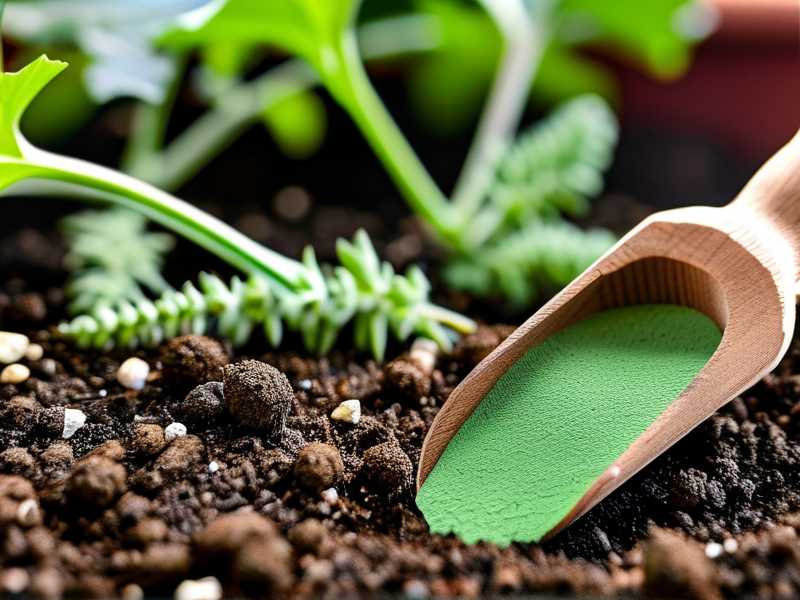
I also want to mention soil. This is the unsung hero. Regular potting mix is way too dense. It holds water like a sponge. You need a gritty mix. I make my own now: one part commercial cactus soil, one part perlite, and one part coarse sand. It drains in seconds. When I water, the excess flows out immediately. The roots get oxygen. The plant stays healthy. You can buy premixed cactus soil, but I find it stays too moist on its own. Adding perlite makes a world of difference.
How to Match Your Home Environment to the Right Succulents
Your home is not a greenhouse. Your windowsills have specific light patterns. Your indoor air is probably dry, especially in winter. Let us talk about matching the plant to your real space.
South-facing windows are the most intense. You can grow the sun-worshippers here: Echeveria, Aeonium, Aloe, Agave, and cacti. These plants will turn brilliant colors. Echeverias get pink tips. Cacti grow faster. During summer, you might need to move them back a foot because the glass can magnify heat. I scorched a beautiful Agave this way. The leaves got white patches that never healed.
East-facing windows offer gentle morning sun. This is the safest spot for most succulents. The light is strong enough to keep them compact, but not so harsh that it burns them. I keep my Haworthia, Gasteria, and some soft-leaved Echeveria here. They always look happy. This is your best general-purpose spot.
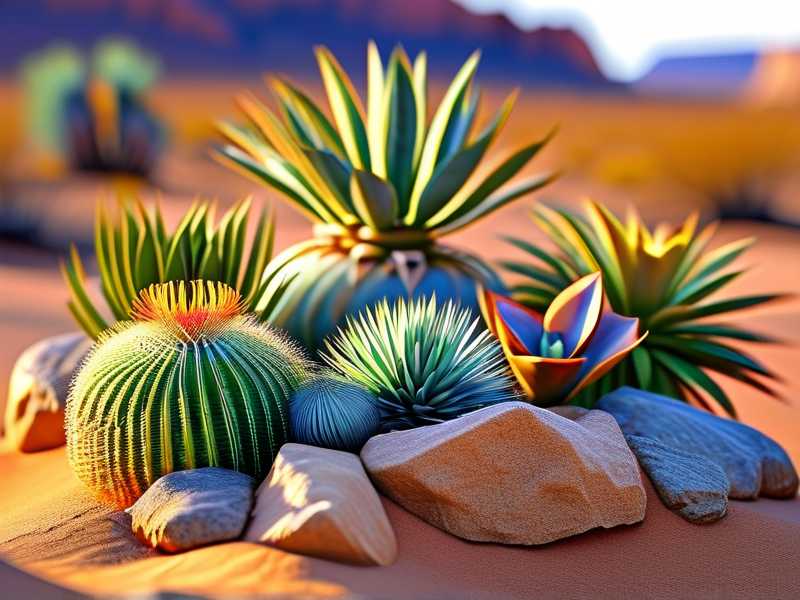
West-facing windows give hot afternoon light. This can be intense, especially in the summer. But it is perfect for cacti and other tough desert species. I keep my golden barrel cactus and my agave here. They love it. The heat mimics their natural habitat. Just be careful with young plants. They need a week to acclimate to such strong light.
North-facing windows are a challenge. Most succulents will stretch and fade here. The only exception I have found is Haworthia. Mine survives, but it does not thrive. It grows slower, and the colors are duller. If you only have north-facing light, invest in a small grow light. It does not need to be expensive. A simple clip-on LED light makes all the difference.
The Seven-Day Acclimation Method That Saved My Plants
I used to bring new plants home and place them directly into their final spot. Big mistake. The shock of moving from a nursery (which uses shade cloth) to a bright windowsill is huge. Leaves get sunburned. The plant droops. You panic.
Now I follow a seven-day acclimation plan. Day one to three: the new plant lives in a bright spot but away from direct sunlight. Day four to five: I move it closer to the window, letting it get a couple hours of morning sun. Day six: I place it in its final location for half the day. Day seven: it settles into its permanent home. This gentle ramp-up has saved countless plants. They do not get shocked. They just adapt.
I also inspect every new plant for pests before bringing it inside. Mealybugs are the hidden killer. They look like tiny white cotton balls, and they hide in the crevices between leaves. I check the roots, the leaf axils, and the underside of every leaf. If I see any sign of bugs, I isolate the plant for two weeks. It is a quarantine period. Better safe than sorry.
Troubleshooting the Three Symptoms You Will Definitely See
Mushy, translucent leaves: This is overwatering. The roots are rotting. Remove the plant from its pot, cut away the black, mushy roots, let it dry for three days, and repot in fresh, dry soil. Do not water for at least a week. I have saved plants this way. It works, but only if you catch it early.
Stretched, pale growth with wide spacing between leaves: This is a light deficiency. Move the plant to a brighter window. The stretched part will never shrink back, but new growth will be compact. You can behead the rosette and replant the top, which is a free way to make a new plant.
Shriveled, wrinkled leaves at the bottom: This is normal aging or thirst. If the lower leaves are drying up and the upper leaves are fine, that is natural. If the whole plant looks wrinkled, water it. The leaves should plump up within a day.
I also want to tell you about the "soak and dry" method. It is the industry standard. You water thoroughly until water runs out of the drainage hole. Then you wait until the soil is bone dry before watering again. No misting, no light spritzing. That light watering encourages weak, shallow roots. You want deep roots, which means deep, infrequent watering.
Common Questions I Get About Desert Decor Succulents
Can I use regular potting soil for succulents? You can, but you should not. It holds too much water. Mix it with perlite or coarse sand at a 1:1 ratio. Or buy a specific cactus mix. I have ruined plants with regular soil. It stays wet for weeks, and the roots rot. My homemade mix drains almost instantly. That is what you want.
How often should I water my indoor succulents? There is no schedule. In my climate, I water every two to three weeks in summer and once a month in winter. But you must check the leaves and the soil. A small pot dries faster than a large one. A clay pot dries faster than a plastic one. The plant tells you. Learn to read the leaves.
Do succulents need fertilizer? Not really. They are adapted to poor, rocky soil. Feeding them too much makes them grow soft, leggy, and weak. I never fertilize mine. They are perfectly happy. If you really want to, use a dilute cactus fertilizer once in spring. But it is completely optional. Nobody in the desert gets fertilizer.
My Final Thoughts After Two Weeks of Careful Observed
I have kept succulents for years. I have killed more than I care to admit. But every loss taught me something. The biggest lesson is patience. These plants are not in a rush. They grow slowly. They reward people who leave them alone. My two-week test proved that a hands-off approach beats a helicopter-parent style.
Start with one plant. Place it in the right window. Use a gritty soil mix. Give it a pot with drainage. And then just watch it. Notice the tiny changes in leaf texture. Notice the color shifts. This is the joy of succulents. You get to observe resilience up close. And when you finally master the basics, you expand your collection. You try the temperamental string of pearls. You attempt the dramatic aeoniums. You grow a little desert inside your home, and it thrives. That is the goal. That is what this is all about. For more inspiration on creating your desert display, check out the RHS guides on indoor gardening and the AHS resources for drought-tolerant plants. Happy planting. Your succulents are waiting.