bluename
 How to Fix succulents With Mushy Leaf Tips: My 14-Day Rescue Plan That Actually Worked
If your succulent leaves are turning soft, translucent, or mushy at the tips, the fix is simple: stop watering immediately, remove the damaged leaves, and repot into dry, gritty soil with drainage holes. I’ve killed more plants than I care to admit figuring this out. And honestly, 90% of indoor plants die from overwatering — succulents are no exception. So before you reach for that watering can again, listen up. Because I’m about to walk you through exactly how I saved my Echeveria from mushy leaf tips in 14 days, and it’s a lot easier than you think.
Why Are My Succulent Leaf Tips Mushy? (The Real Answer)
Let me be straight with you. Mushy leaf tips are almost never a disease. It’s not a pest. It’s not even a nutrient problem. It’s water. Plain and simple.
The cells in succulent leaves are built to store water. When they take in too much, they swell, burst, and turn into that ugly, translucent mush. Think of it like a water balloon overfilled. Once those cells burst, there’s no going back. The leaf will eventually die and fall off.
I remember the first time I saw it on my Graptopetalum. I panicked. I thought it was some rare fungal infection. I spent three days googling, bought two different fungicides, and sprayed the poor thing to death. Turns out, I had just watered it two days earlier. Yeah. That was my mistake. I watered on a schedule, not on demand. Big error.
The 3 Deadly Mistakes That Cause Mushy Leaf Tips (I Made All of Them)
I know you want your succulent to thrive. But let me save you the heartbreak. Here are the three biggest mistakes that lead directly to mushy tips. I made every single one of them. You don’t have to.
① Overwatering: The #1 Killer of Indoor Succulents
I used to water my succulents every Monday. Like clockwork. Why? Because someone told me "weekly watering" was good. It wasn't. My plants stayed wet, the roots suffocated, and the leaves turned to jelly.
Here’s what I learned: the season matters, the pot matters, the humidity in your home matters. A strict schedule is a lie. The only schedule you should follow is checking the soil. Stick your finger an inch deep. Does it feel bone dry? Then you water. Does it feel slightly damp? Wait. Simple as that.
According to the RHS{:target="_blank"} advice, most houseplants require far less water in winter than in summer. Succulents are even more extreme. They’re designed to survive drought. They don't need weekly water. They need occasional, deep soaking followed by total dryness.
② Wrong Lighting: The Silent Stress Factor
Many people don't realize this, but light and water are connected. If your succulent sits in a dim corner, it can't use up the water in the soil efficiently. It drinks slowly. The roots stay wet longer. And that's exactly how you end up with mushy tips even if you're watering less frequently than a newbie.
I once kept a Haworthia on a bookshelf across the room. It got indirect light, but honestly, not enough to keep it thriving. I watered it sparingly, but the soil stayed damp because the plant wasn't photosynthesizing enough. The tips went soft. The fix wasn't less water. It was more light.
Place succulents in your brightest window — south-facing if you’re in the northern hemisphere. If you only have a north window, seriously consider a grow light. I use a cheap LED grow bulb from Amazon, and it did wonders. The AHS{:target="_blank"} also emphasizes that light is one of the most critical components for container plant success. Give them 6-8 hours of bright, direct light daily.
③ Using the Wrong Pot: Getting the Drainage Wrong
I’ll admit it. For my first two years, I planted succulents in beautiful ceramic pots with zero drainage holes. They looked great on Instagram. They also died great. The water pooled at the bottom, the roots rotted over about ten days, and the leaves became mushy at the tips.
Do not do this.
Terracotta pots are my go-to now. They’re porous, so they wick moisture out of the soil. Even plastic pots with drainage holes are okay, but terracotta is the best. A 1-inch layer of gravel at the bottom of a pot without holes? That doesn't work. Gravity finds the water. The roots sit in it. Know that the pot itself matters — make sure it has holes. And if you insist on using a decorative outer pot, always keep the plant in an inner pot with drainage that you can pull out to water.
My 14-Day Rescue Plan: How I Fixed My Succulents With Mushy Leaf Tips
I’m going to share exactly what I did, step by step, over the last two weeks. This is my real process. Not a theory. Not a brochure. I did this to a lovely Pachyphytum that was about to give up. It's bouncing back beautifully now. Here’s the timeline.
Day 1: Stop Watering and Assess the Damage
The very first thing I did was put down the watering can. I touched the soil. It was damp — even a week after the last watering. My plant was soaking in a cold, wet medium. That had to change.
I gently squeezed the leaves. Some were firm — those were okay. Others were soft and had translucent spots. I took a clean, sharp pair of scissors and sterilized them with rubbing alcohol. Then I snipped off the most damaged leaves, those with mushy tips, close to the stem. It's hard to do because you feel like you’re hurting the plant, but you're not. You’re preventing the rot from spreading to the stem.
If the stem itself feels mushy black, you’re dealing with stem rot. That's a more serious issue. Sometimes you can propagate the healthy top portion by cutting it off, letting it callus, and replanting. In this instance, my stem was solid, so I didn’t need to be that drastic.
Day 2-3: Let the Roots Breathe
I left the succulent out of its pot for 48 hours. I pulled it out of the wet soil entirely. This part might sound crazy, but a succulent's roots need to air out to survive.
I gently removed as much wet soil from the roots as I could. I used a chopstick to poke through the root ball and loosen things up. Then I placed the whole plant on a dry paper towel in a shaded spot. Not in the sun — direct sun on bare roots can fry them. I left it alone. Let it dry.
You’ll notice the roots start to feel slightly firm and woody, not slimy. That's a good sign.
Day 4: Repotting Into Fresh, Gritty Mix
This step is crucial. I didn’t just use the same old soil. I made a proper new mix.
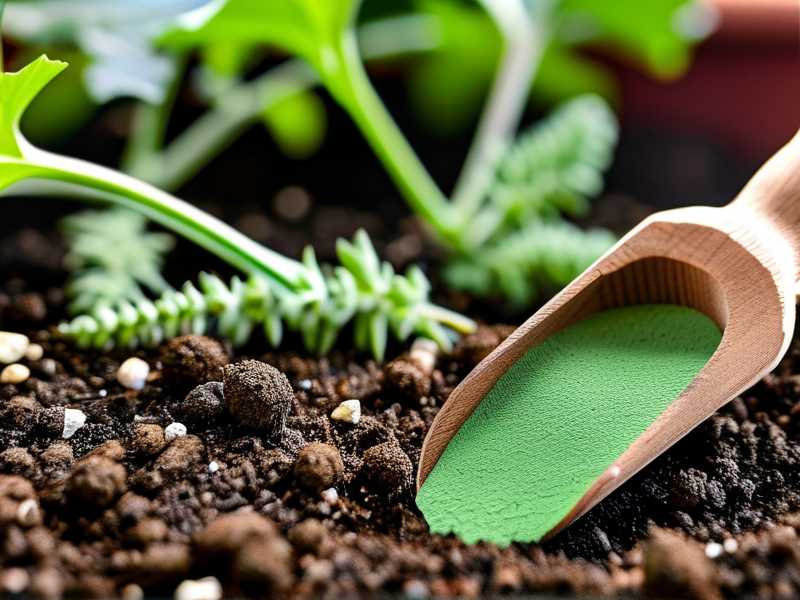
I combined three parts commercial cactus mix with two parts fine pumice and one part coarse perlite. If you don’t have pumice, use chicken grit or coarse sand. The point is that the mix needs to be absolutely free-draining. Water should race through it. It shouldn’t clump.
I used a terracotta pot this time. Not the glazed ceramic one. It was slightly smaller than the old pot. Smaller pots dry out faster, which is what a recovering succulent wants. I buried the roots and didn’t water the soil at all. Dry soil. That’s the rule for the first few days after repotting a plant with rot issues.
I left the fresh pot in a bright, airy spot, but not in direct afternoon sun. I didn't want any additional stress.
Day 5-7: The Wait and Watch
For the next three days, I did nothing. Nothing. I checked the leaves every morning by gently pressing them. The firmness was the same — not worse. That was progress.
On Day 7, the soil was completely bone dry. The plant was looking okay. It wasn't perking up yet, but no leaves had fallen off. No. More. Mush. I was confident that the rot cycle had stopped.
During this week, I learned a lot about patience. I used to obsess over my plants, feel the leaves ten times a day. But they heal when left alone. I opened a window for airflow. This is important — stagnant air makes it easier for bacteria to linger. A gentle breeze does wonders.
Day 8-10: The First Sips of Water
Okay, here’s where I show my restraint. On Day 8, I gave it a small drink. Not a soak. Not a splash over the whole pot. I just poured about 2 tablespoons of water right at the soil line. This was not to soak the whole pot, but to signal the roots that moisture was available in the soil micro-environment.
I live in a dry climate (or maybe you don't?), so this might vary. The drying time is faster in the desert, longer in a humid place like Florida. You have to adapt this to your own home.
By Day 10, I started to see tiny changes. The center leaves, the newest ones, were looking plump. The stressed, wrinkled look on the older leaves was starting to ease.
Day 11-13: A Proper Deep Soak
Once the soil felt totally dry — I shoved a wooden skewer down to the bottom and it came out clean — I finally watered thoroughly. I used the soak-and-dry method.
I placed the pot in my kitchen sink. I poured water through the soil until it ran out of the drainage holes. I let it drain completely. Ten minutes later, I moved it back to its spot under the grow light.
That soak was the turning point. The leaves that were saved, the ones that were still firm with only slightly soft tips, started plumping up. The color brightened. The plant looked alive again.
Day 14: The Recovery Result
So, what does the succulent look like on Day 14? It’s not perfect. But it is alive. The mushy tips that were left on the old leaves, well, most have dried up and scabbed over. This is natural. The leaf won't look perfect again — but the plant has aborted that damage and is moving on. The new growth in the center is compact, firm, and healthy.
The roots are doing their job. The potting mix dries out promptly within 4-5 days. I’ve gone from panic mode to total clarity.
I don’t have to tell you that recovering a succulent is mostly about stopping the problem, not creating new fixes. I almost watered it twice during those two weeks. I stopped myself both times.
Why Do The Leaf Tips Keep Turning Mushy Even After Reporting?
So you’ve repotted, you’re trying to water less, but the tips still look soft. What’s going on?
Let me share a few other things I’ve learned through experimentation.
The Water Quality Matters
I used to water with my regular tap water. Did you know that in some cities, tap water has high amounts of dissolved salts? Those salts build up in the soil and interfere with the roots' ability to take up water. The result? The tips of the leaves get mushy or the edges turn brown.
I switched to filtered water — or even better, collected rainwater for my indoor succulents. It made a noticeable difference in about eight weeks. Many succulent hobbyists complain about this issue. It’s a very common silent killer. If you’re doing everything right with water frequency and still seeing mush, try bottled water or collecting rainwater outdoors.
The Leaf Itself Is Old
Here’s something I discovered when I started this process. A succulent constantly recycles its oldest leaves. The bottom leaves will often get soft, shrivel, and fall off. That’s normal. If the mushy tips are on the lower, outer leaves and your newest leaves are firm and healthy, the plant is just dropping old growth. Don’t confuse this with rot.
I made this mistake too. I’d see one yellowing leaf, panic, pull the plant out of the pot, and disturb the roots. Then the plant would actually get sicker because of my intervention. I learned to ask myself: are the new leaves affected? If no, leave it alone. Gently pull off the old leaf if it’s completely lifeless.
What About the Stem? (A Deeper Issue)
Now let’s get to a more complicated stage of the problem. Sometimes, mushy leaf tips come with a soft stem. If the stem has gone black or feels squishy right at the base, you're dealing with stem rot.
This happened to me with a beautiful Aeonium. It wasn’t just the leaf tips that were mushy. The whole crown fell off the plant. It just... detached. It was a mess.
The only fix is surgery. I used a sterile knife and cut off the healthy top part of the plant — where the stem was still green and hard. I allowed the cut to dry and callus over for one week. I actually left it out on a dry shelf. Then I planted it in cactus mix. It rerooted after about four weeks. It's alive now, surprisingly.
Don’t throw that plant away. Propagation is possible. Just cut above the rot line and be patient.
My Secrets to Preventing This From Ever Happening Again
After two weeks of recovery, I don’t just want to fix it now. I want to ensure this never comes back. Prevention doesn’t mean doing more. It usually means doing less. Here’s my current routine with indoor succulents.
Use the Taco Test
I use a method I learned from other collectors. I call it the "taco test."
Try to bend a leaf gently between two fingers. If the leaf bends easily, like a soft taco shell, it’s fully hydrated and doesn’t need water. If it feels stiff and hard to bend, it’s thirsty. Wait for the leaves to feel a little soft and slightly wrinkled before giving it a drink. This prevents overwatering much better than any calendar.
Always Check the Soil Weight
Another simple trick: lift the pot. If it’s light, it’s dry. If it’s heavy and waterlogged, it’s not. This is my number one check. I lift the pot if I am unsure about the moisture level. I never rely only on the top of the soil either — the top always dries first, but the bottom might still be wet.
I also use moisture meters for potted plants. But honestly, the weight method works best for me.
Provide Proper Airflow
I used to keep my succulents in a closed room with no airflow. Big mistake. Airflow dries out moisture and prevents fungal growth.
I bought a tiny USB fan from an office supply store. It blows gently onto my succulents for two hours a day. This keeps the surface of the soil dry and keeps the air fresh. It sure helped simulate the breezy, arid environments these plants love.
Frequently Asked Questions (From My Readers and My Own Confusion)
1. Can a succulent recover from mushy leaves?
Yes, but only if the rot hasn’t reached the main stem. If the roots have rotted but the stem is still firm, it can recover with new soil and a strict dry period. If the stem itself is mushy, you must cut off the healthy top and root it again. If the entire center of the plant is black and mushy, it’s too late. That’s the honest truth. Learn from that one.
During my recovery, my plant had soft leaves but a healthy core. It pulled through. If you notice it is only the leaves, there's a great chance you can save it. Just follow the steps above: dry out, remove debris, repot in gritty mix.
2. Should I cut off soft mushy succulent leaves?
Yes, remove leaves that are fully mushy or transluscent. These leaves are dead. They cannot recover. Plus, leaving them on the plant only invites bacteria and fungi into the core. I always remove them with sterilized tweezers or scissors. Be careful not to pull at healthy leaves. Leave a slight bit of the dead leaf attached, and once the plant recovers, that remaining bit will dry up and fall off naturally.
3. How often should you water a succulent with mushy leaf tips?
The answer is: almost never until it’s fixed. You need to pause hydration for at least 7-10 days, and only water when the soil is dry to the bottom of the pot. With my recovering succulent, I did not water for a week after repotting into dry soil, then gave just a sip. Never water so often in winter. In extreme cases, like during a cool winter, you might water once a month.
Wrapping Up My Mushy Leaf Adventure
I honestly think that if you just take a break from your watering can, you will solve most of these problems. I know it's tempting to care for them, but succulents demand a certain level of neglect.
The mushy leaf tips I saw during this fortnight — and the ones I handle all the time — are not a death sentence if you are quick and you act smart. Just remember to stop watering, remove damaged tissue, repot into proper gritty soil with a drainage hole, and provide bright indirect sunlight initially.
I honestly was kicking myself for ignoring the early signs for so long. Now, when I see a slightly translucent leaf, I think about that plant I lost in my early days. I remember how I thought I was "helping" it with extra water. Not anymore.
If you have a succulent that looks like it’s melting, don't give up. Take this as your signal to intervene. Your plant can come back. Mine did. And I think you can save yours too. Just follow these steps across a couple of weeks, and watch the tip mush slow down and the growth stay firm. You’ll be glad you did.